Free in-home measure and quote - PGT, CGI and CWS impact lines compared on your actual openings, style by style
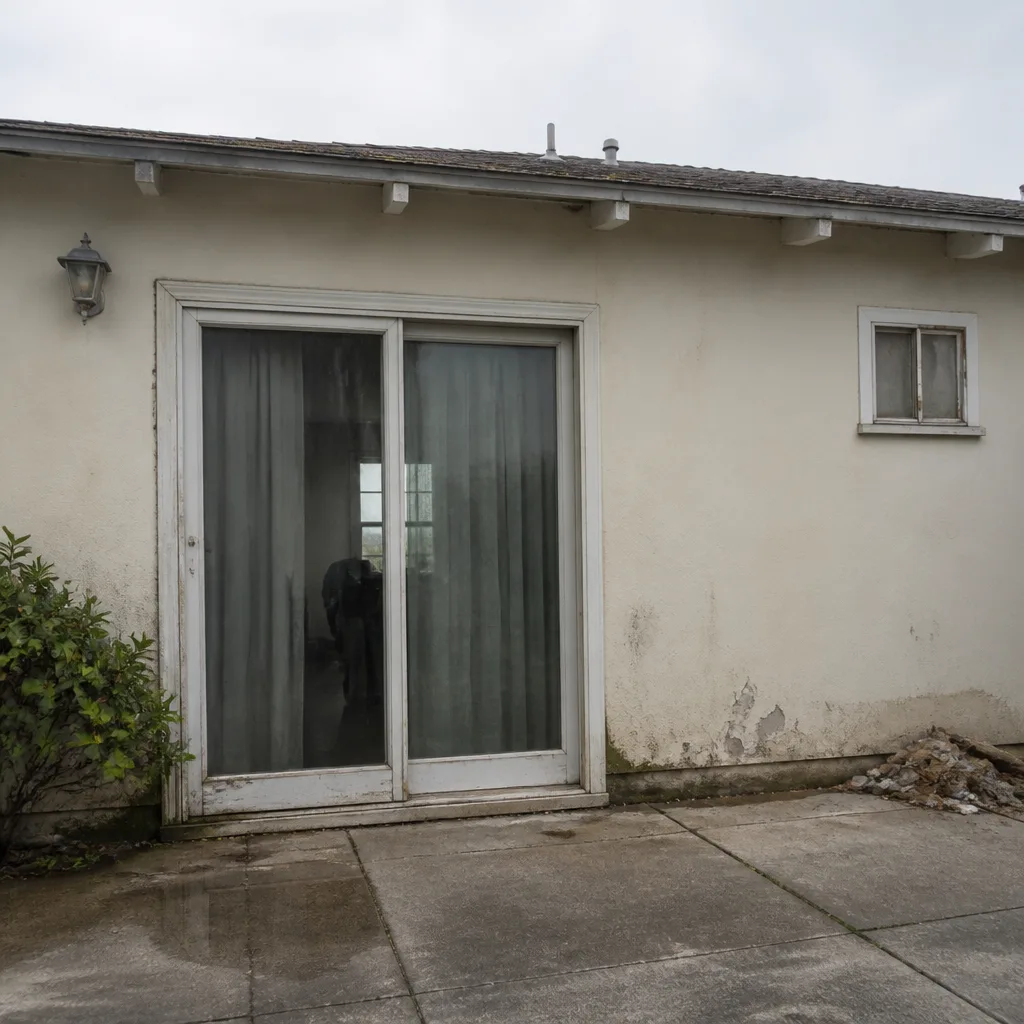 Before
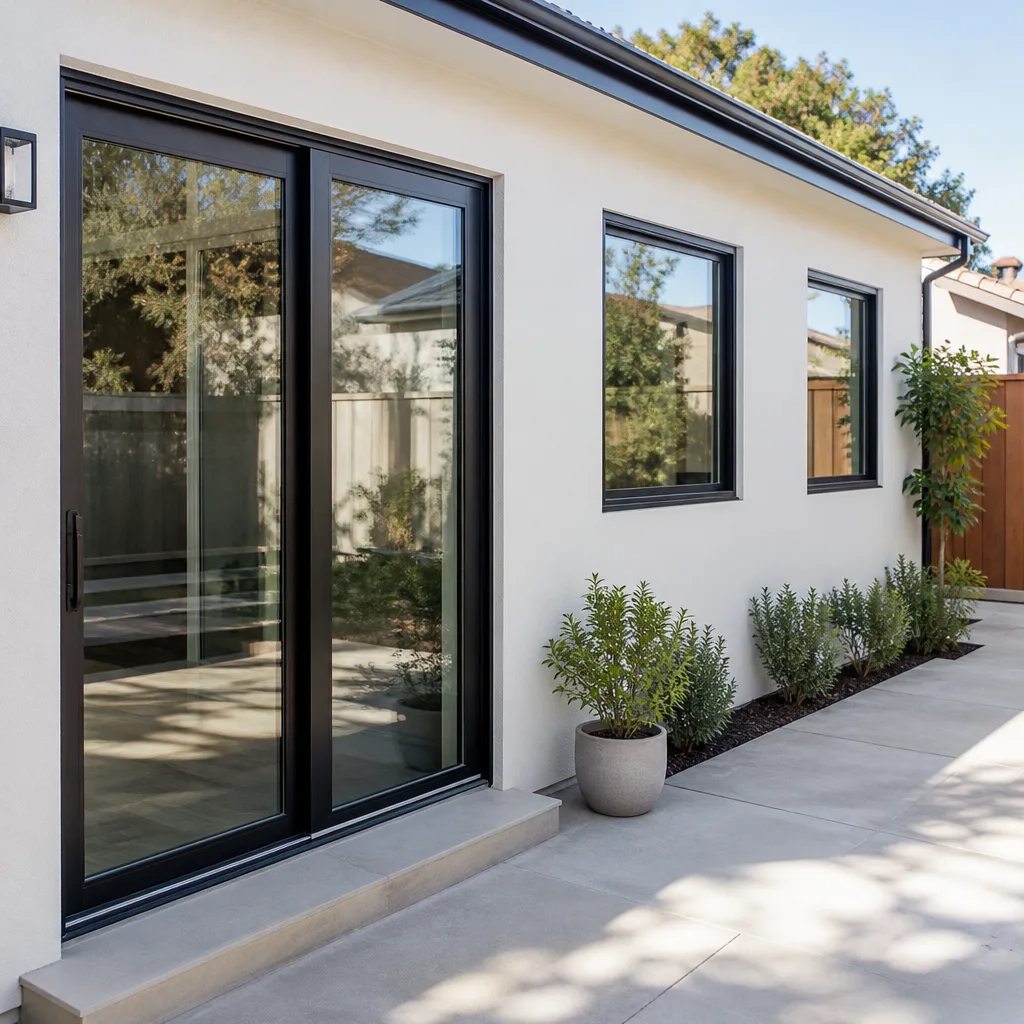 After
After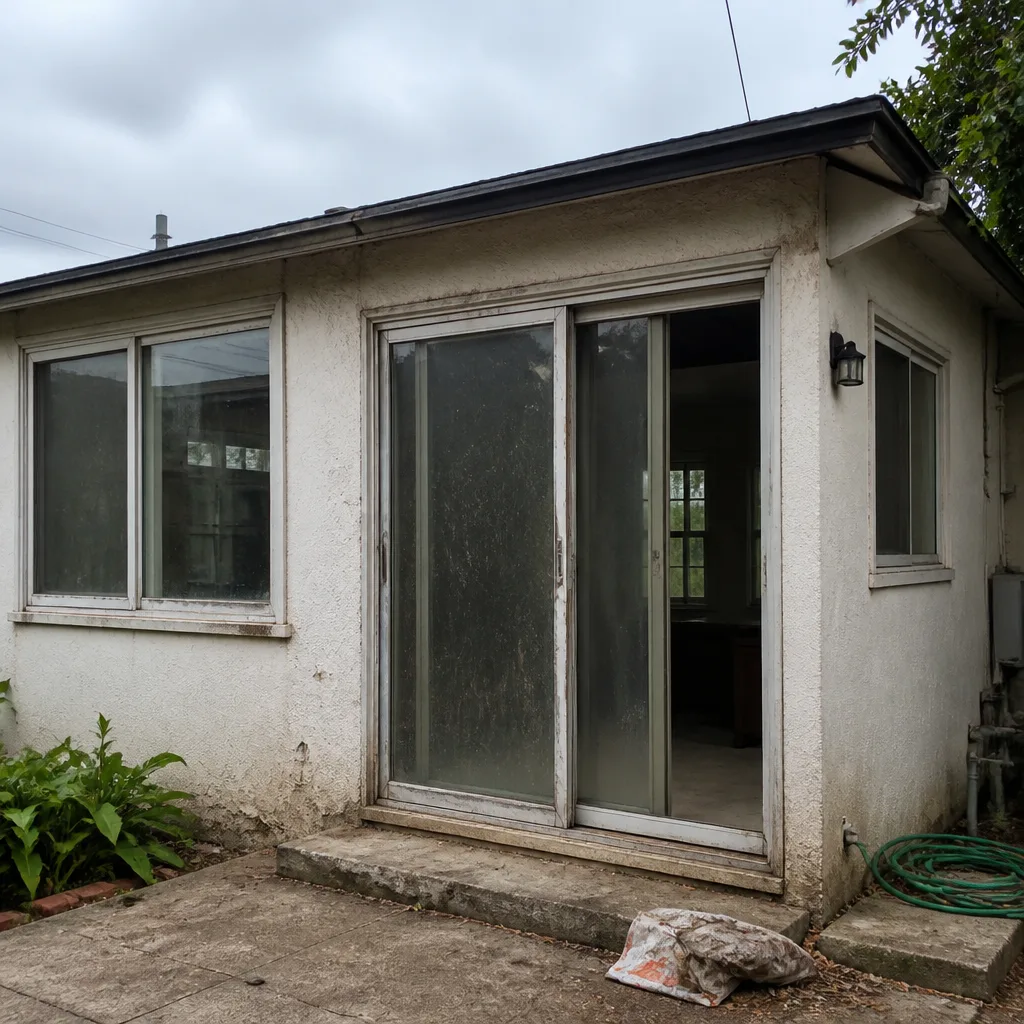 Before
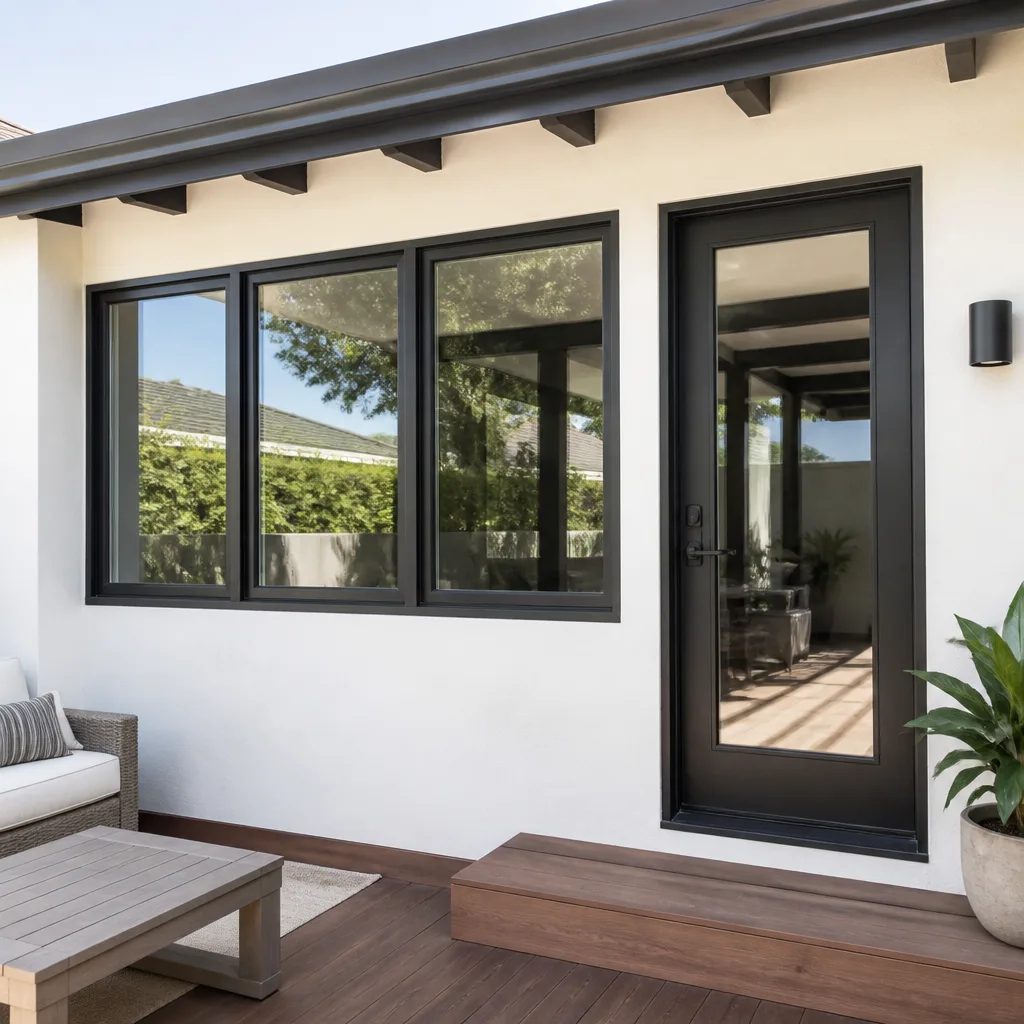 After
After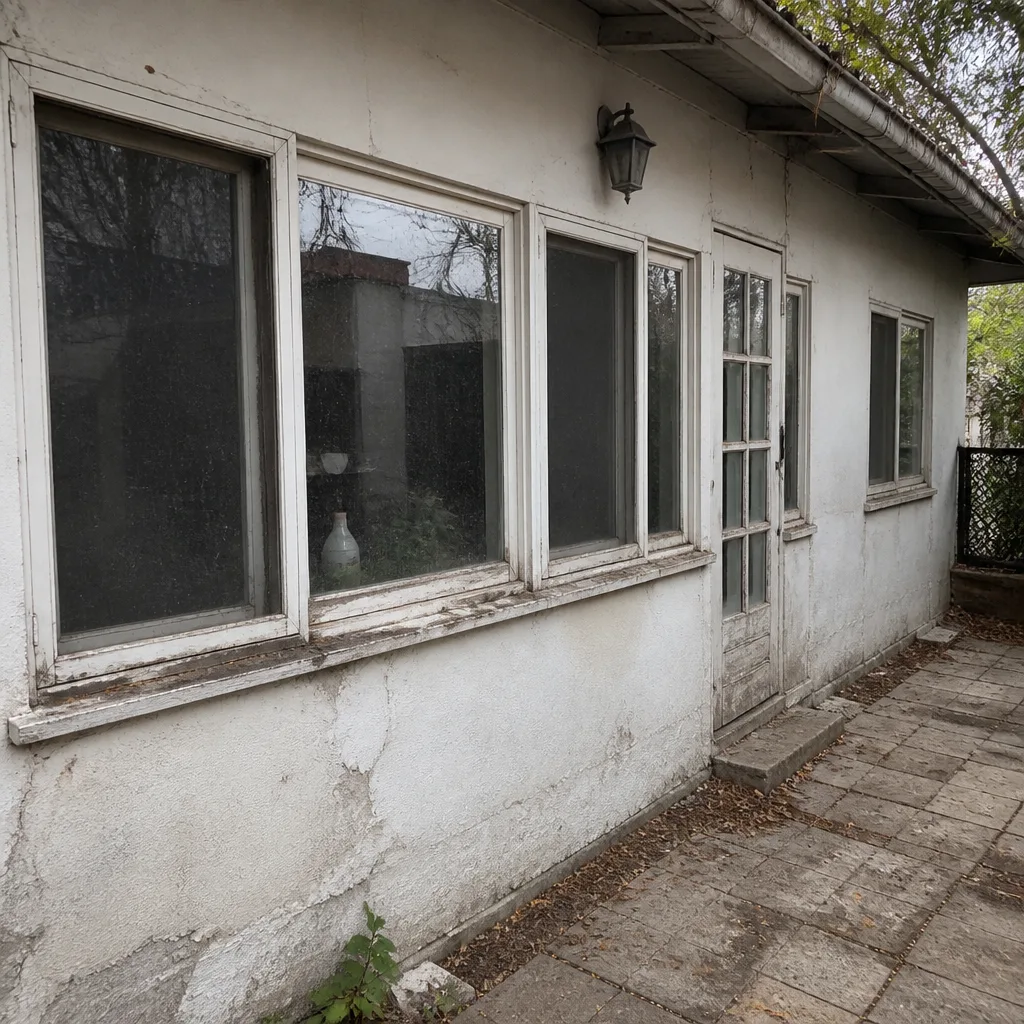 Before
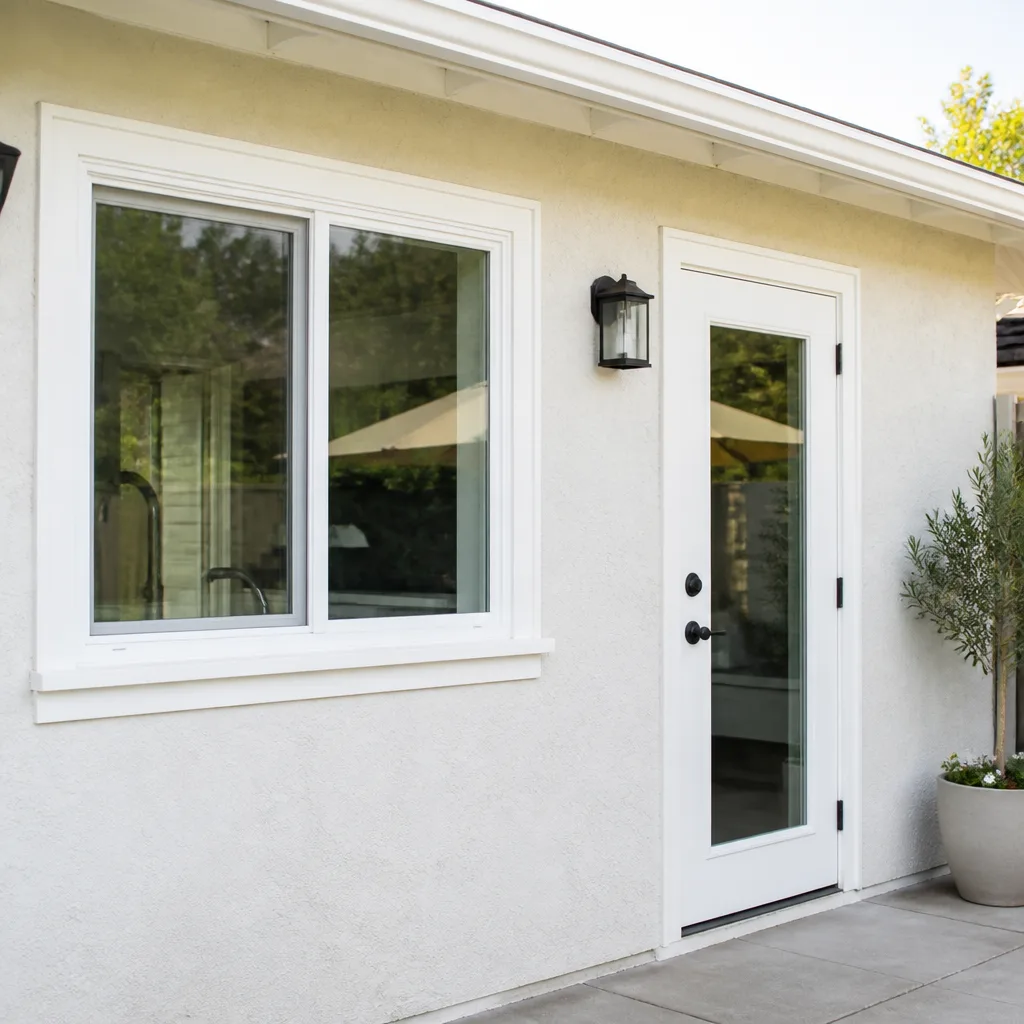 After
AfterHopper Windows in Los Angeles, CA | Westlight Windows & Doors
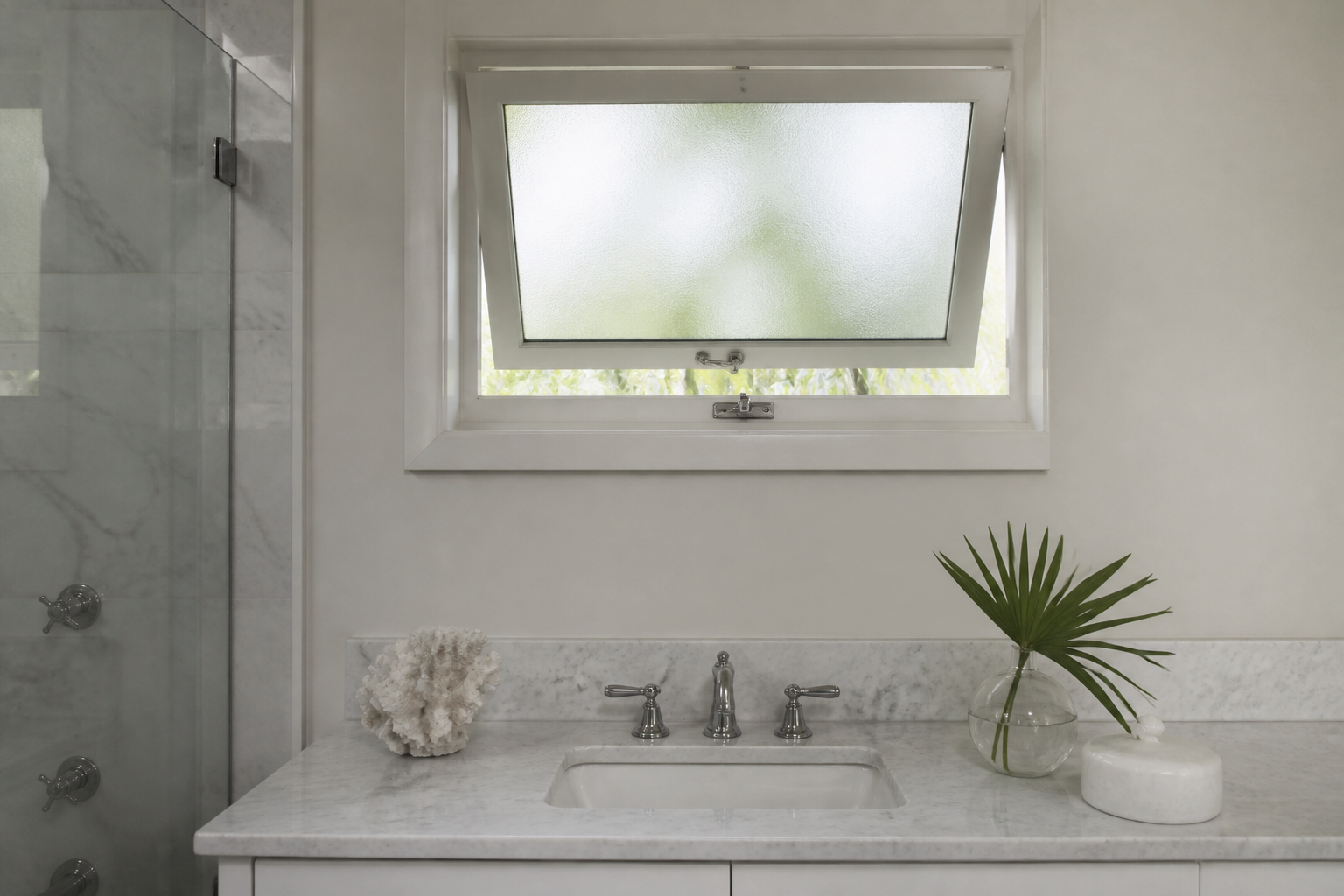
Hopper windows are the compact, bottom-hinged workhorse of the impact window world. They open inward from the top, which makes them a natural fit for tight spaces where a casement or slider simply won’t work: bathrooms, basements, laundry rooms, and utility areas. Here in Los Angeles, we install hopper windows across our PGT, CGI, CWS, ES Windows, ECO, and Mr-Glass lines, and we see them most often in older Spanish-style homes, mid-century condos, and hillside properties where window openings run small and square. Westlight Windows & Doors has been installing hurricane-rated fenestration in Los Angeles long enough to know that even a modest utility window deserves the same engineering discipline as a 12-foot slider. Call (903) 354-7134 to talk through your project.
Product Overview - Hopper Windows
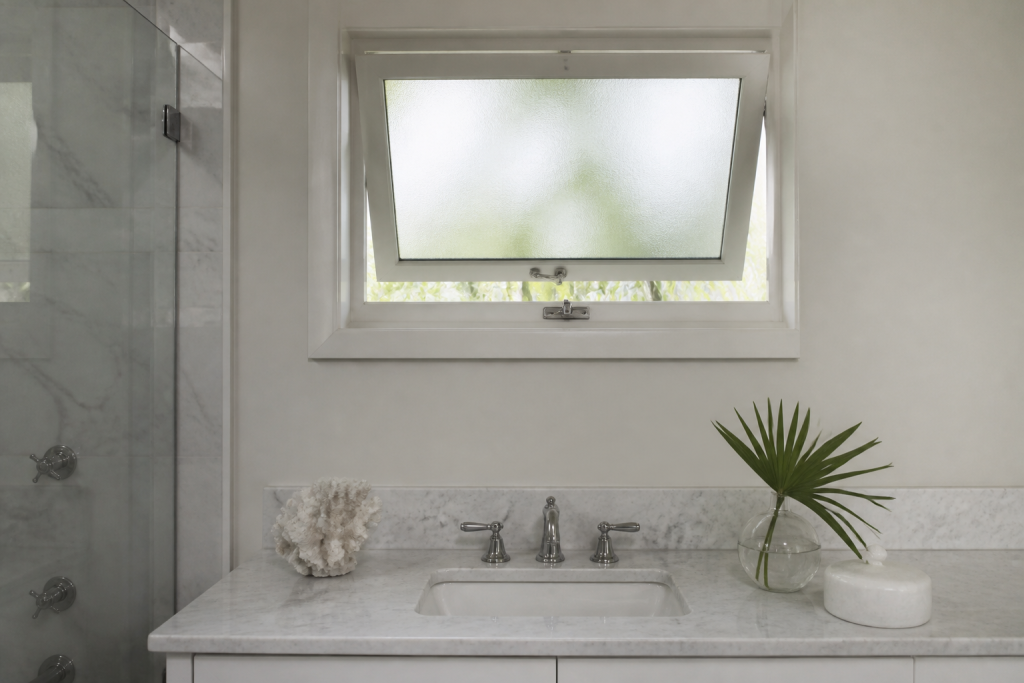
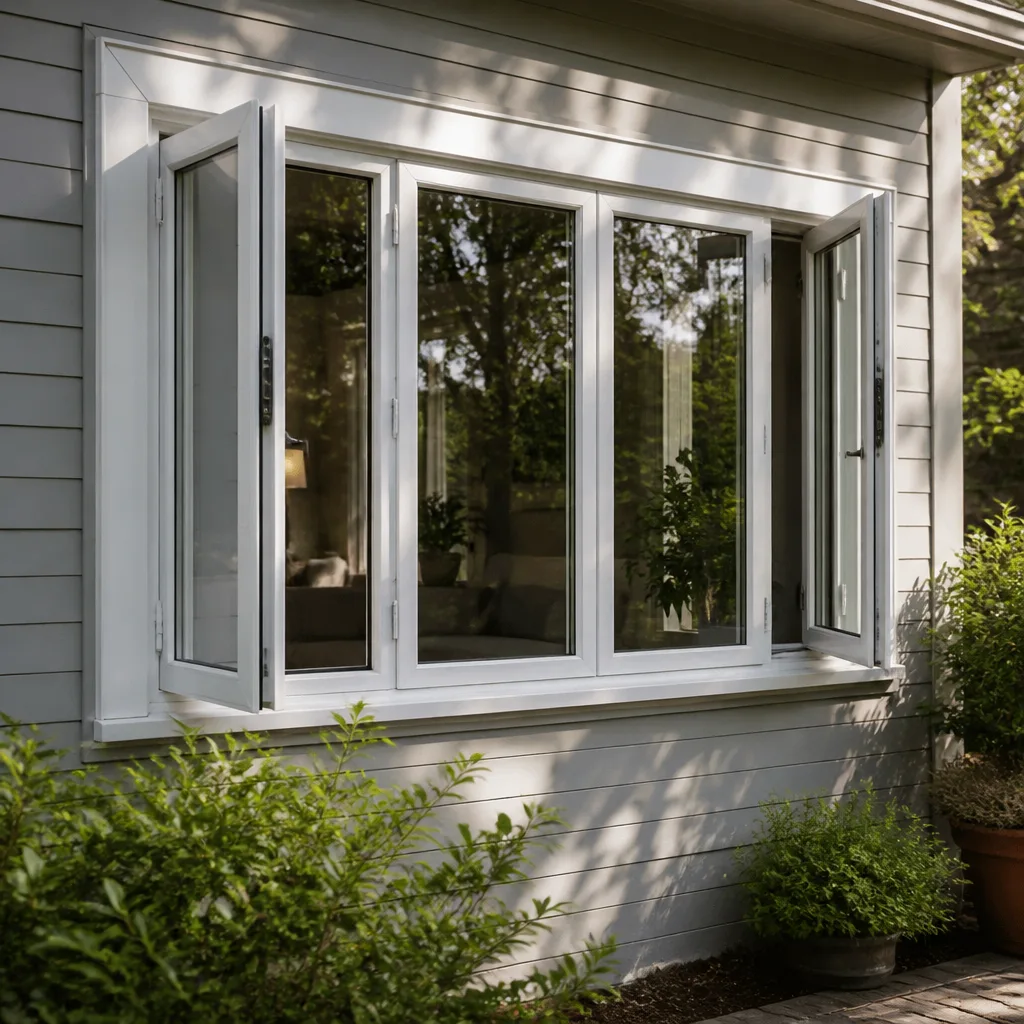
The hopper profile is simple: hinges at the bottom, sash tilts inward at the top, and a multi-point lock secures it closed. What makes an impact-rated hopper different from a standard one is everything you don’t see. The frame is reinforced to hold laminated glass under load. The hardware is designed not to separate from the sash when a pressure gradient hits. The result is a compact window that behaves like a structural component, not a decorative opening.
In Los Angeles, hopper windows show up in three common situations. Ground-level bathroom windows where privacy and ventilation matter equally. Basement utility rooms in older hillside homes. And secondary openings in garages or workshops where you want air movement without giving up security. Because they hinge at the bottom and open inward, they shed rain naturally, which is a real advantage in our winter storm season.
We recommend hopper windows in vinyl, aluminum, or composite frames depending on the building. Vinyl suits most residential retrofits. Aluminum holds up well in coastal salt air. Composite makes sense when the architect wants a painted finish that won’t fade or chalk. Westlight Windows & Doors in Los Angeles will help you sort through those options without the upsell.
Technical Specifications
Every hopper window we order is built to the opening, not pulled from a warehouse shelf. Here’s what that means in practice:
- Frame materials: Vinyl, aluminum, or composite, selected for the exposure and the building type.
- Glass options: Laminated impact glass with a PVB interlayer, Low-E insulated glass, tinted glass, or clear glass.
- Finish options: White, almond, bronze, black, and tan.
- Design pressure: Matched to your wind zone, up to +/-100. Never higher than the structure requires.
- Compliance documentation: Miami-Dade NOA and Florida Product Approval numbers available per configuration.
- Hardware: Multi-point locking, corrosion-resistant in coastal Los Angeles applications.
Size range depends on the manufacturer and the design pressure your zone demands. Smaller openings generally test at higher pressures without issue. If you have an unusual rough opening, call us before you frame it. We’ll tell you what’s feasible and what will hold up under HVHZ review.
Hurricane & Compliance Performance
Laminated Impact Glass
Two panes of glass bonded to a polyvinyl butyral interlayer. When impact occurs, the glass fractures but the PVB holds the shards in the frame. No blowout, no opening for wind-driven rain to pressurize the interior. This is the same glazing approach used on every impact window we install in Los Angeles.
Miami-Dade NOA / Florida Product Approval
Each configuration carries a Notice of Acceptance and a Florida Product Approval number. These are issued per specific size and glass combination. We’ll verify the exact approval numbers on your written quote before you sign anything, so your permit submittal matches the product you’re actually buying.
FBC / HVHZ Compliance
Hopper windows from our PGT, CGI, CWS, ES Windows, ECO, and Mr-Glass lines are engineered to Florida Building Code High-Velocity Hurricane Zone requirements. That’s the standard Los Angeles building departments look for when they review impact product submittals.
TAS 201 / 202 / 203 Testing Context
HVHZ-rated products are tested under a protocol family that includes TAS 201 for large-missile impact, TAS 202 for cyclic wind-pressure loading, and TAS 203 for forced-entry resistance. When we say a window is hurricane-rated, this is the testing behind that claim.
Design Pressure for Your Wind Zone
Design pressure is a PSF rating, not a wind speed. We match it to your specific wind zone, up to +/-100, and never higher than required. Overspeccing sounds impressive but adds cost without adding protection. We’d rather be precise.
Energy Performance
Low-E and insulated glass options are available on most hopper configurations. In Los Angeles, they matter most on south- and west-facing utility rooms where afternoon heat gain is real. Clear impact glass remains the budget-friendliest way to meet code.
Color & Glass Options
Los Angeles homes lean into two palettes: warm stucco tones and cool coastal whites. Our hopper windows come in white, almond, bronze, black, and tan, which covers both ends of that spectrum. White and almond dominate in Spanish Revival and ranch-style homes. Bronze and black read more contemporary and pair well with dark trim packages. Tan splits the difference when the stucco has a sand or beige tint.
On the glass side, laminated impact glass fulfills the code requirement and gives you a baseline of storm protection. Low-E insulated glass adds a thermal barrier for conditioned spaces. Tinted glass cuts glare in rooms that catch direct afternoon sun. Clear glass keeps sightlines clean and maximizes natural light in small spaces. Most clients pair clear or Low-E with an interior window treatment for privacy, particularly in bathrooms near property lines.
Installation by Westlight Windows & Doors in Los Angeles
A hurricane-rated window is only as good as its installation. The NOA that covers each hopper window assumes a specific anchoring method, fastener schedule, and perimeter seal. If a contractor skips those steps, the window no longer performs as tested, and the building inspector may catch it during the HVHZ review. In Los Angeles, that means a failed inspection, a stop-work order, or both.
Our installation process follows AAMA 2400/2410 practice. Every opening gets a pre-install inspection for rot, water damage, and framing condition before we order the window. The unit is set level, plumb, and square. We use AAMA 812 low-expansion foam around the perimeter for the air and water seal, then mechanically anchor per the manufacturer’s tested schedule. After trim-out, we run a water test on the rough opening to catch any leak path before drywall goes back up. Cleanup happens the same day.
Los Angeles-specific factors we deal with regularly: coastal exposure with salt air and wind-driven rain near the water, hillside properties where the wind load increases with elevation, and local building departments that require Miami-Dade NOA documentation as part of the permit package. We know which paperwork each jurisdiction wants because we’ve pulled permits there. When we install a hopper window in Los Angeles, it’s set to withstand the same conditions it was tested for.
Frequently Asked Questions - Hopper Windows
Design pressure is matched to your specific wind zone, up to +/-100, and is determined by the size of the opening, the building height, and the exposure category in Los Angeles. We’ll calculate the required design pressure for your project and quote a window that meets or exceeds it without overspecifying.
Most hopper window configurations run 4 to 8 weeks from order placement to delivery at our Los Angeles shop, depending on the manufacturer and glass package. We confirm the current lead time when we quote your project, so you can plan your renovation timeline accordingly. Call (903) 354-7134 for a current estimate.
Yes, in most Los Angeles jurisdictions with HVHZ requirements, your permit application must include the NOA and Florida Product Approval numbers for the exact configuration you’re installing. We provide those documents with your quote, and we’ll coordinate with your contractor or expediter to make sure the submittal is complete the first time.
Yes. Hopper windows are built to order, so custom widths and heights are available within the tested limits of each manufacturer. Keep in mind that changing the size can affect the design pressure rating, which changes the NOA that applies. We’ll verify the approvals on any custom size before you commit.
Maintenance depends on the frame material. Vinyl needs only soap and water. Aluminum should be rinsed periodically, especially in coastal Los Angeles where salt air accumulates. Composite frames can be wiped down like any painted surface. The hinge hardware benefits from a light silicone spray once a year, and the perimeter seal should be inspected as part of your routine home maintenance. Call (903) 354-7134 if you ever need help assessing an existing installation.
Get a Quote - Hopper Windows in Los Angeles
If you’re building or renovating in Los Angeles and need hopper windows that pass HVHZ review without pushback, let’s talk. We’ll measure, verify design pressure requirements, confirm NOA documentation, and give you a written quote that covers product and installation. Call (903) 354-7134 to schedule a free on-site measurement and start your project with the right paperwork in hand.
Written by the team at Westlight Windows & Doors, serving Los Angeles, CA with hurricane-impact window and door installation.
Detailed Images