Free in-home measure and quote - PGT, CGI and CWS impact lines compared on your actual openings, style by style
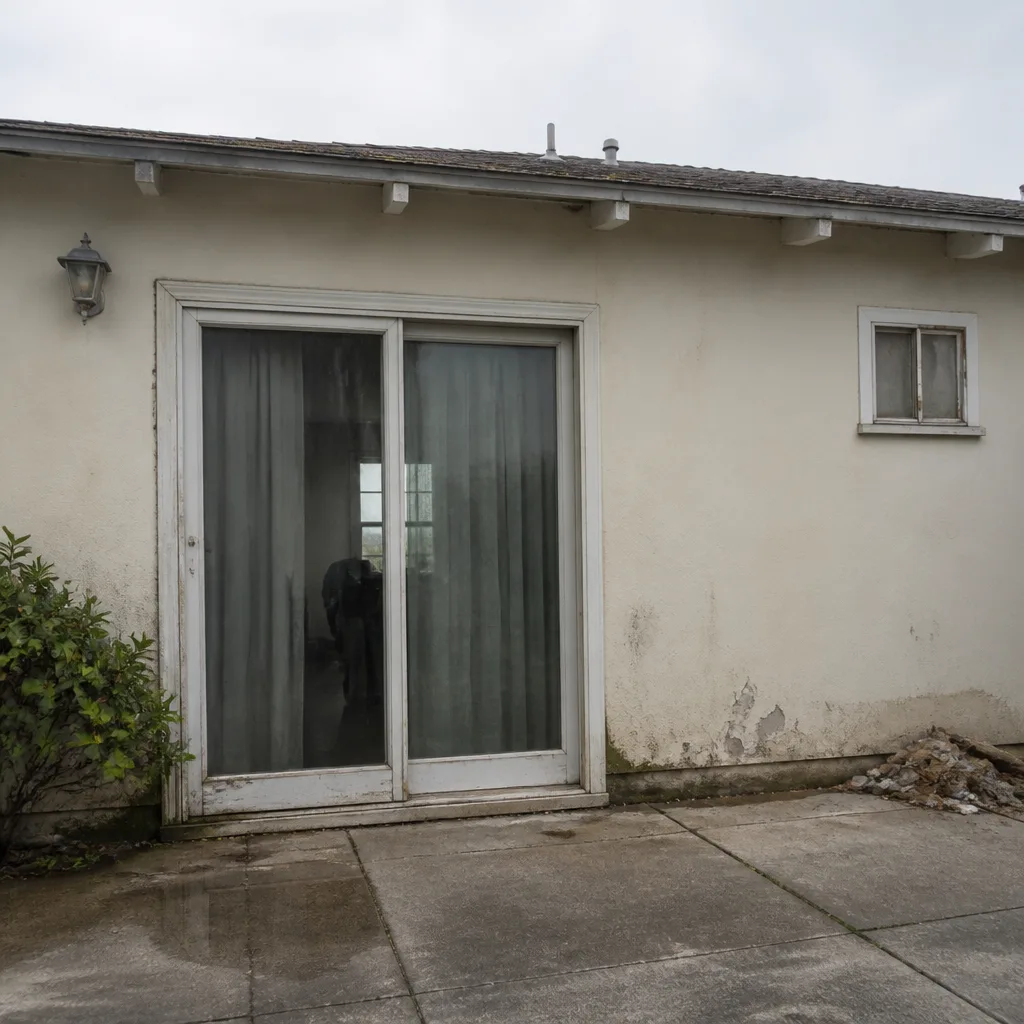 Before
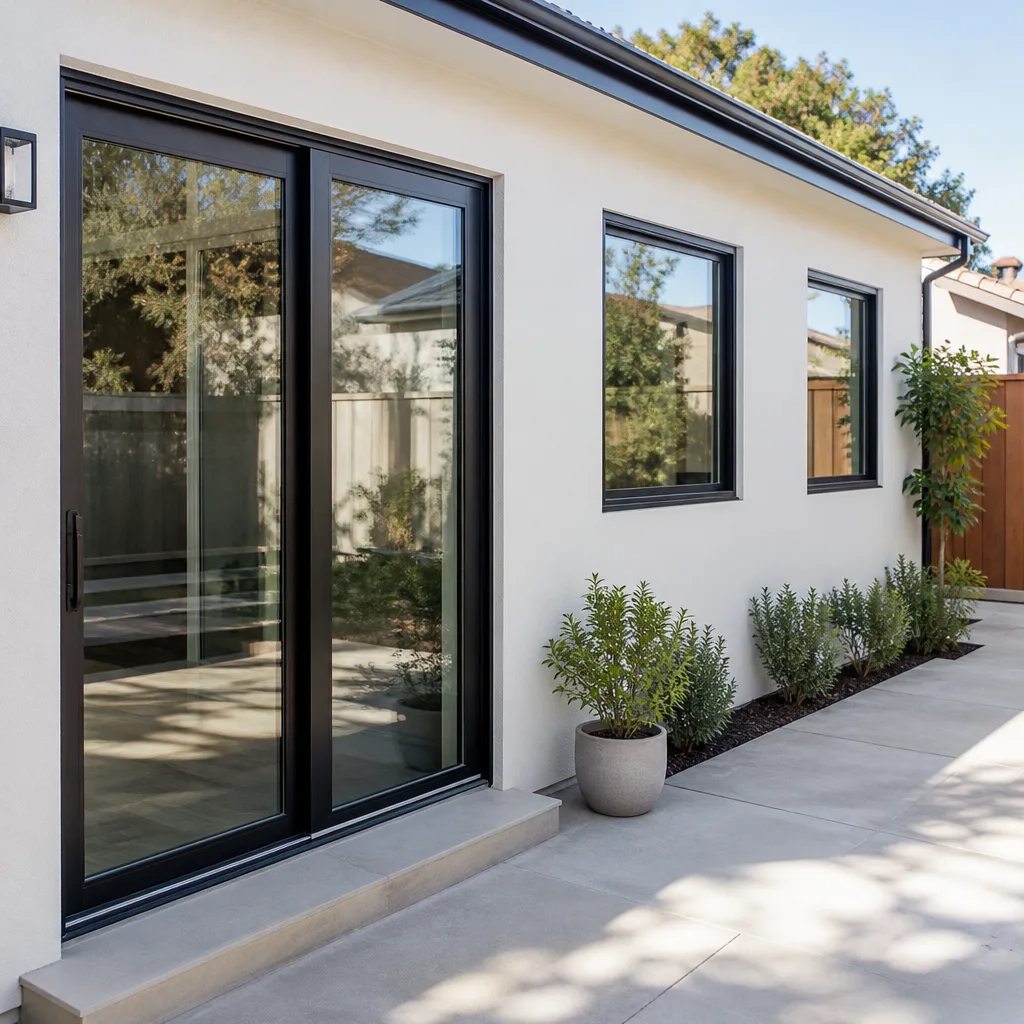 After
After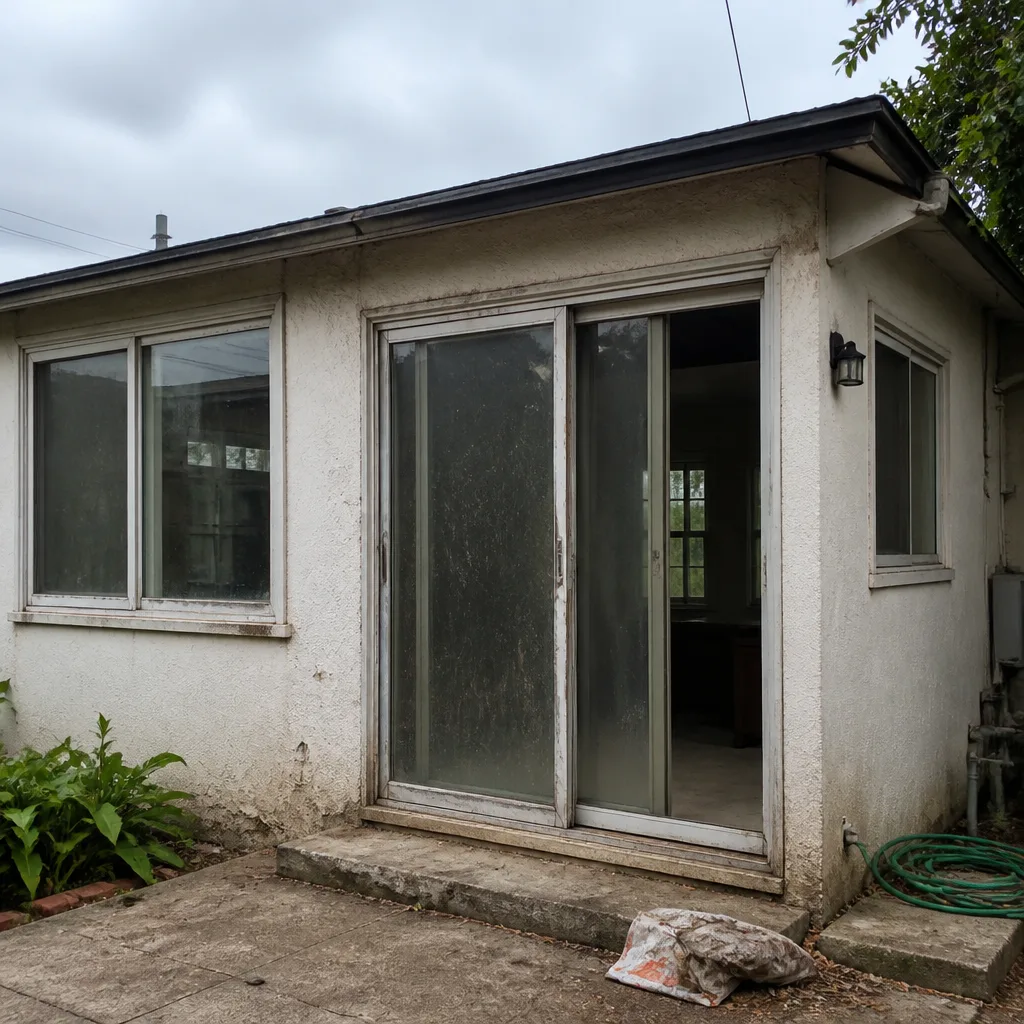 Before
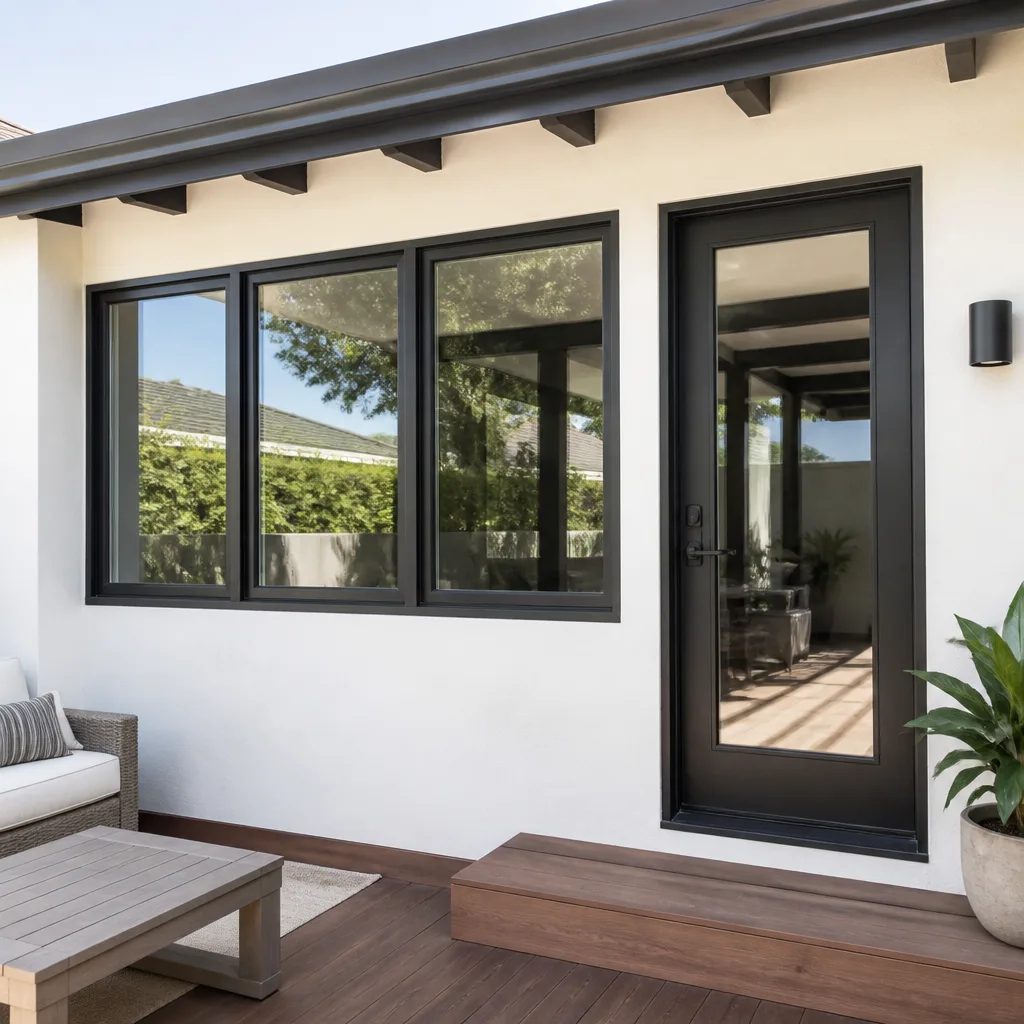 After
After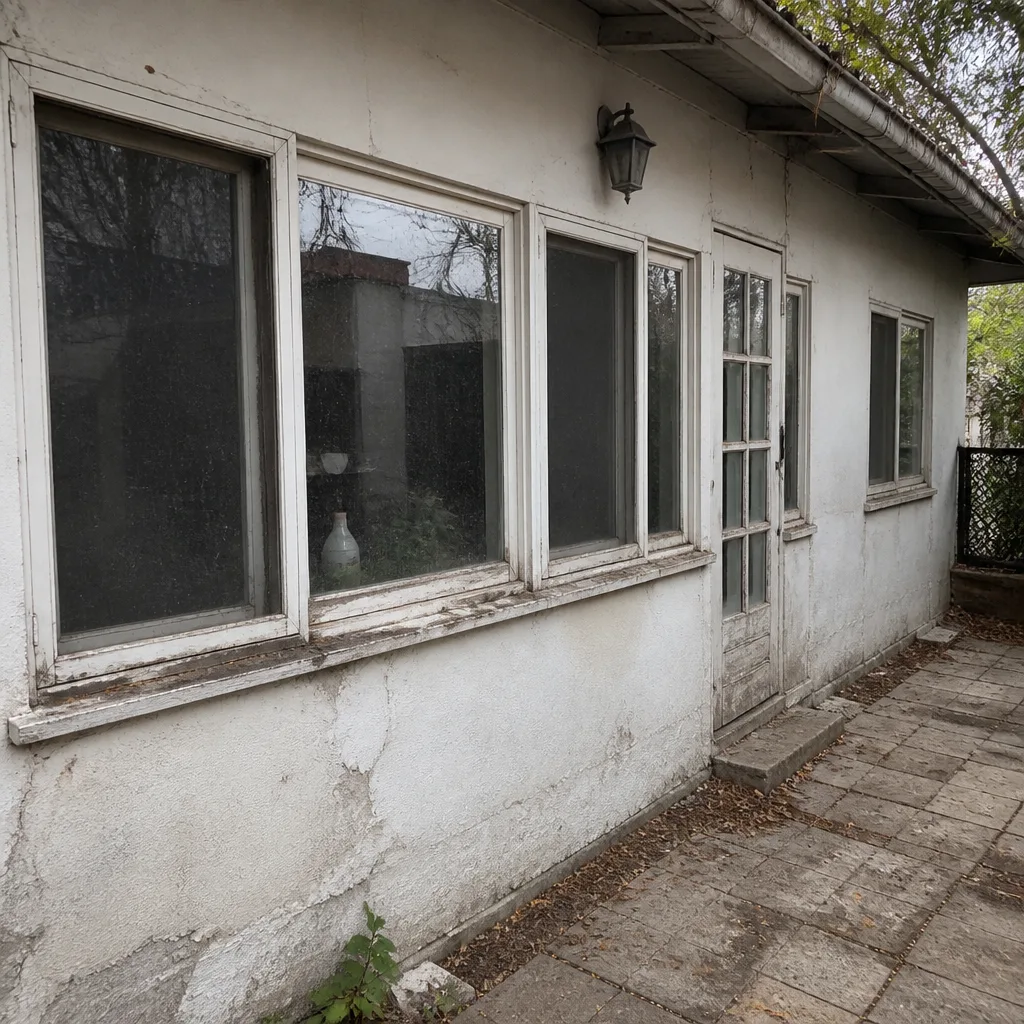 Before
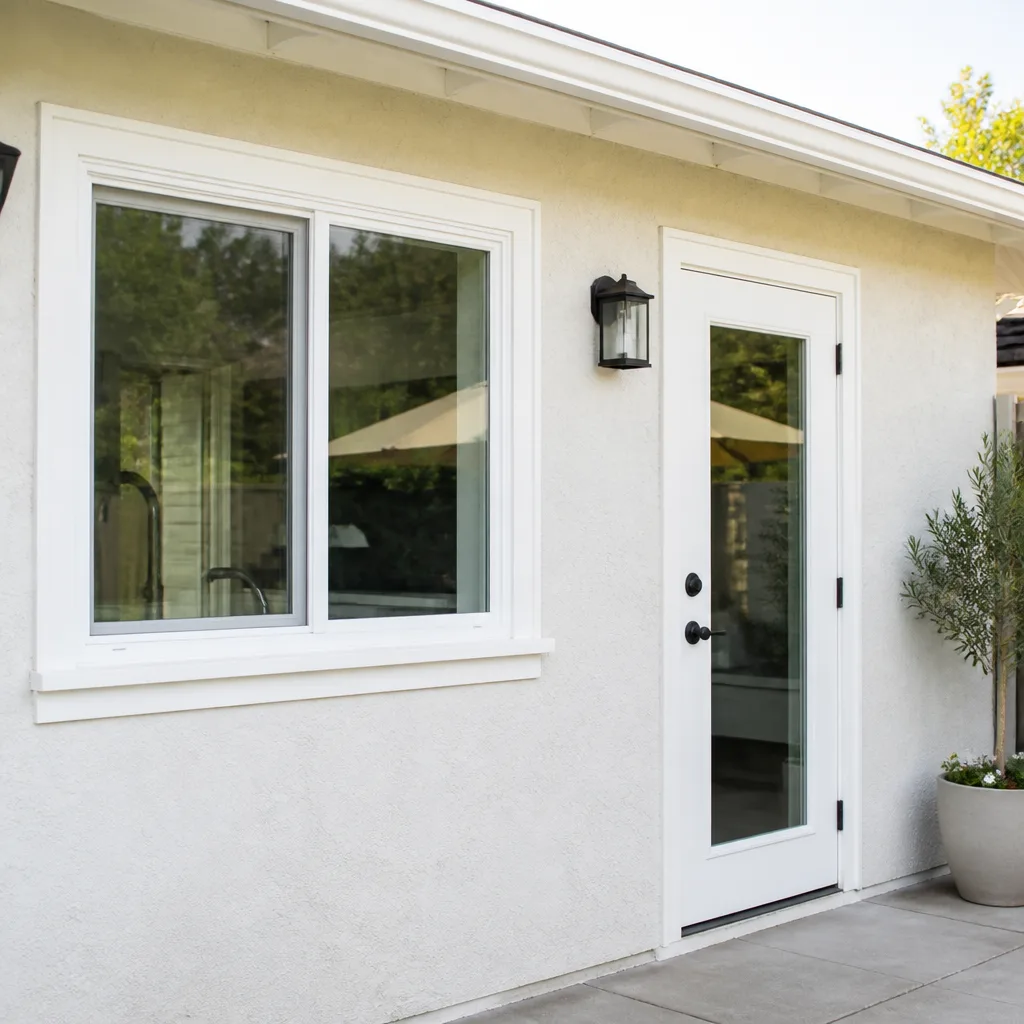 After
AfterCasement Windows in Los Angeles, CA | Westlight Windows & Doors
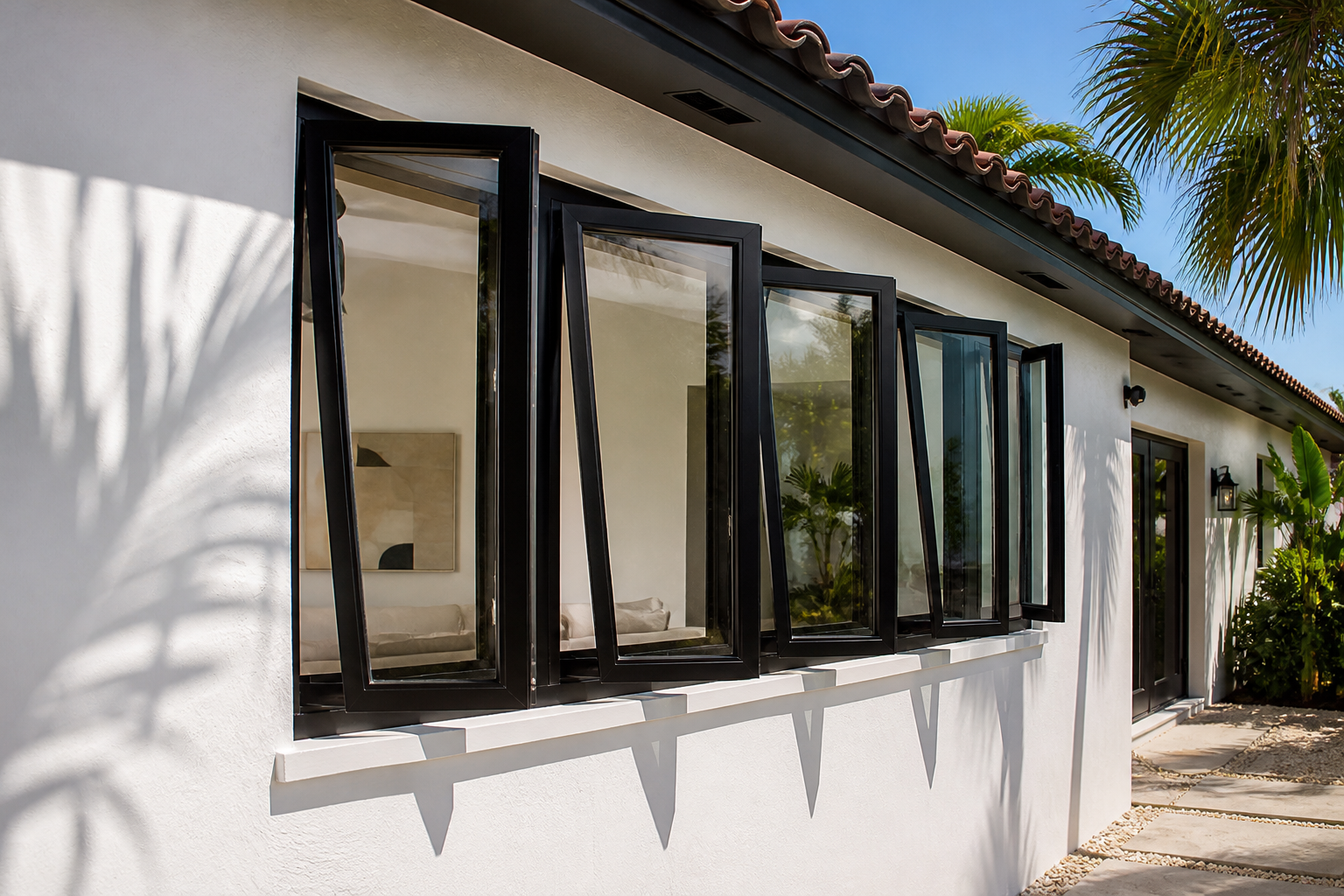
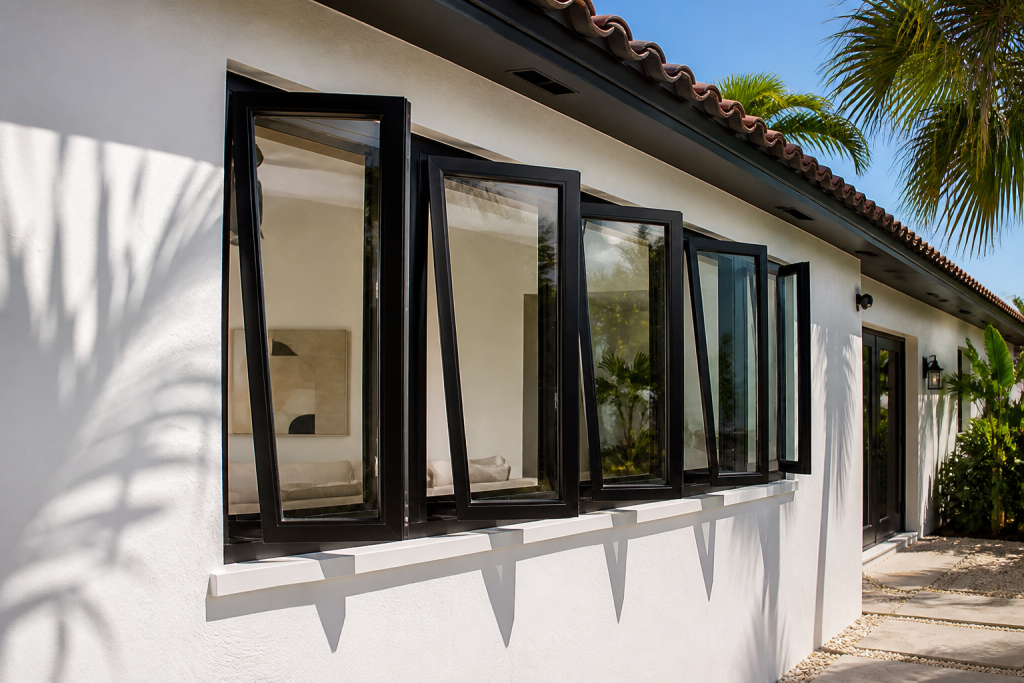
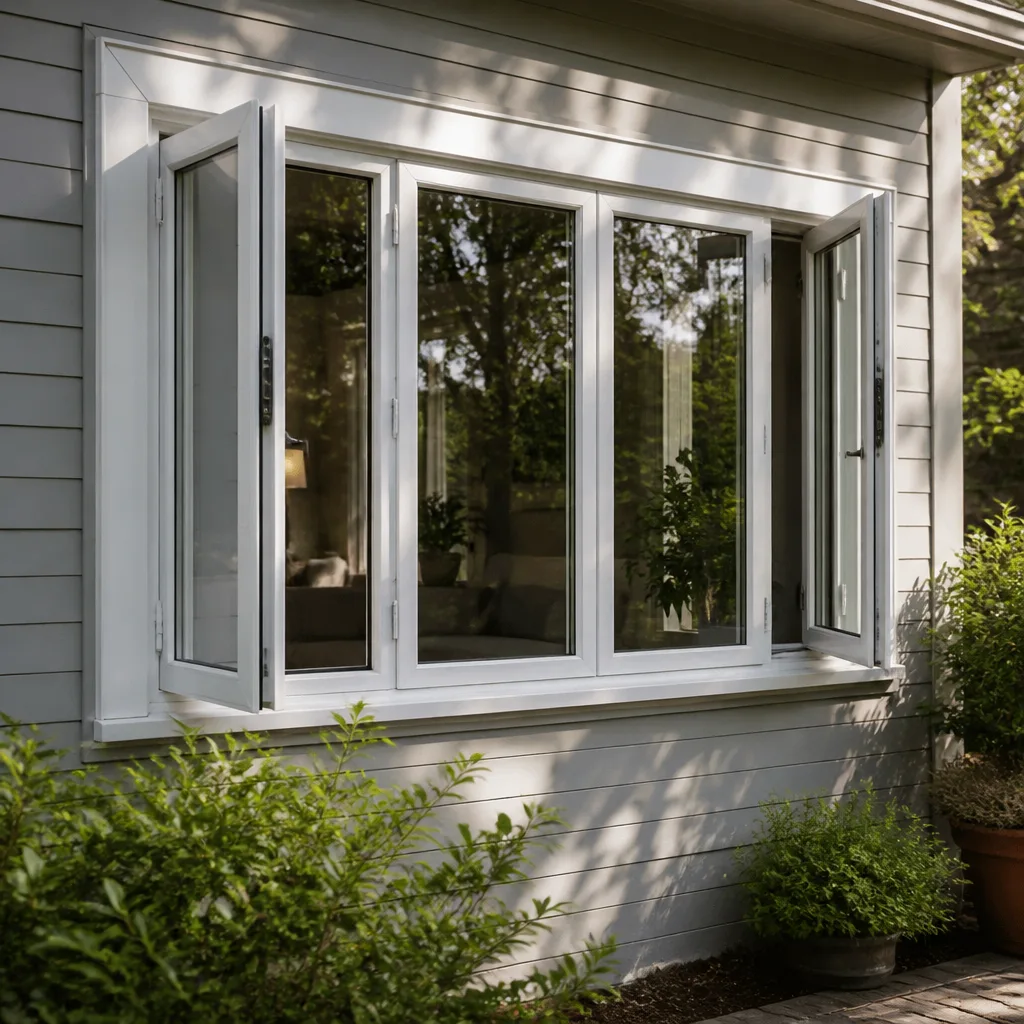
Casement windows are the side-hinged, crank-operated workhorses of hurricane-impact glazing. They swing outward from a vertical hinge and seal against the frame with a full compression gasket, which means when the wind pushes harder, the sash presses tighter against the weatherstripping instead of bowing away from it. That single design fact is why they’re so popular in high-velocity hurricane zones, and why we install so many of them across Los Angeles. Westlight Windows & Doors has been supplying and installing impact casements throughout the Los Angeles area for years, working with homeowners who want a window that ventilates beautifully in February and locks down airtight when a named storm is tracking toward the coast. If you’re pricing casement windows for a home in Los Angeles, call us at (903) 354-7134 and we’ll walk you through configurations, glass packages, and lead times the same day.
Product Overview - Casement Windows
Our casement windows are side-hinged, crank-operated impact casements with a full compression seal for airtight closure and unobstructed outward ventilation. In plain terms: you turn a handle, the sash opens like a small door, and the entire opening clears for airflow. There’s no center rail splitting the view or blocking the breeze. When you close it, the sash compresses against a continuous gasket around all four sides, which is the opposite of how a sliding window works. A slider relies on overlapping tracks and brush seals that leave small gaps. A casement squeezes shut and stays shut.
That compression seal matters more in a hurricane-prone climate than most people realize. Wind-driven rain gets forced through even tiny openings at 70 or 80 mph. A properly engineered casement keeps those openings sealed. We carry casements from PGT, CGI, CWS, ES Windows, ECO, and Mr-Glass, in aluminum and vinyl frames, and every configuration we order is built to the wind zone where your Los Angeles home actually sits. We’ve installed casements in everything from vintage Spanish-style bungalows in the flats to elevated coastal homes that take direct salt spray. The profile adapts well because it’s a simple, honest window: strong hardware, clean sightlines, and a sash that locks in on all four sides.
Technical Specifications
Every casement we order for a Los Angeles project is configured from the ground up. You’re not picking from a stock bin. Here’s what’s on the menu:
- Frame materials: Aluminum or vinyl. Aluminum gives you thinner sightlines and a stiffer frame, which matters on larger sashes and higher design-pressure jobs. Vinyl gives you thermal performance and a softer aesthetic for traditional homes.
- Glass options: Laminated impact glass with a PVB interlayer, Low-E insulated glass, tinted glass, or clear glass. Most Los Angeles homeowners combine laminated impact glass with a Low-E coating to get hurricane protection and energy performance in one lite.
- Finish options: White, almond, bronze, black, and tan. Powder-coated aluminum finishes hold their color in coastal sun far better than wet-painted frames.
- Screen options: Fixed screens or retractable screens. Retractable screens disappear when the window is closed, which preserves the clean look from inside and out.
- Hardware: Multi-point locking crank mechanisms with fold-down handles available on most lines.
- Size range: Configurable per opening. Casements work well as single sashes or as mulled pairs with a center mullion, and can be built in custom sizes to match existing rough openings.
Egress sizing and egress hardware are available for bedrooms and basements where code requires it. We check that during the site measurement, not after the windows show up.
Hurricane & Compliance Performance
Windows sold for hurricane-prone construction in Florida and Los Angeles need documentation that proves they’ll do the job. Here’s what backs up every casement window we quote.
Laminated Impact Glass (PVB Interlayer) - The glass is two panes bonded with a polyvinyl butyral interlayer. When a storm-thrown object hits the glass, it cracks but stays in the frame. The interlayer holds the fractured pieces together so wind and rain stay outside where they belong. Debris doesn’t breach the opening.
Miami-Dade NOA / Florida Product Approval - The specific casement configuration you buy carries a Notice of Acceptance from Miami-Dade County and a Florida Product Approval number. We verify the active NOA for the exact size, glass, and frame combination on your quote before you sign anything. Ask to see it.
FBC / HVHZ Compliance - These windows are engineered to Florida Building Code High-Velocity Hurricane Zone requirements. HVHZ is the strictest wind-borne debris standard in the country, written for coastal counties that take direct hurricane hits. It governs the entire system, not just the glass.
TAS 201 / 202 / 203 Testing Context - HVHZ products earn their approvals through a test protocol family: TAS 201 (large-missile impact), TAS 202 (cyclic wind-pressure loading), and TAS 203 (forced-entry resistance). The window is hit with a projectile, then subjected to thousands of repeated pressure cycles that simulate hurricane gusts, then tested against prying. If it passes all three, it earns its NOA.
Design Pressure Matched to Your Wind Zone - Design pressures are matched to your specific wind zone, up to +/-100 PSF, and never higher. We don’t oversell a rating your home doesn’t need. Your wind zone is determined by your address in Los Angeles and the exposure of your specific elevation. A third-floor oceanfront opening has a different requirement than an inland single-story bedroom. We order to the actual requirement.
Energy Performance Options - Low-E insulated glass can be paired with the impact laminated lite to give you storm protection and thermal performance in one unit. In the Los Angeles climate, Low-E coatings on the interior surface reduce heat gain without darkening the view. Tinted glass is also available for rooms with strong afternoon exposure.
Color & Glass Options
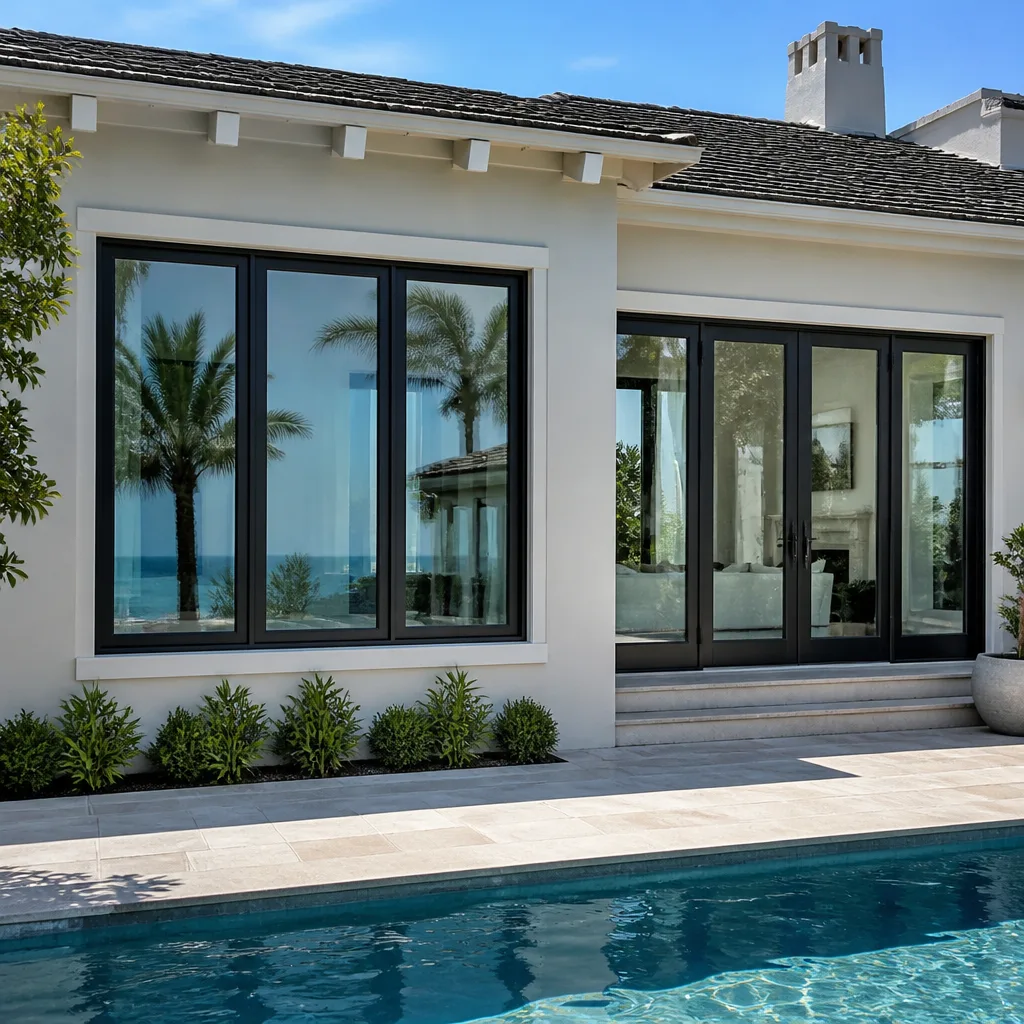
Los Angeles has a distinct architectural palette, and the finish choices available on these casements were selected with that in mind. White and almond are the most common choices for Mediterranean and Spanish Colonial-inspired homes, which make up a huge share of the Los Angeles housing stock. Bronze and black frames read as more contemporary and work well on mid-century moderns and newer coastal builds. Tan splits the difference: warm enough for a traditional home, neutral enough for a 1990s rancher. All finishes are baked-on or powder-coated, which holds up to Southern California sun and coastal salt far better than a wet-applied paint job.
On the glass side, most Los Angeles homeowners end up with laminated impact glass plus Low-E. The lamination is what gives you the hurricane protection and the security benefit; the Low-E coating is what keeps afternoon heat from turning a west-facing bedroom into an oven. If you’re in a historic district with strict window rules, clear laminated glass keeps the most traditional appearance while still meeting impact standards. Tinted glass is a solid choice for living rooms and kitchens with unfiltered western exposure.
Installation by Westlight Windows & Doors in Los Angeles
An impact casement window only performs as well as the opening it’s set into. The NOA rating applies to the assembled window unit, not to a window that was improperly fastened into a rough opening by someone who didn’t understand the load path. That’s why we install every casement we sell with our own crew, never through a third party.
Our process starts with a pre-installation inspection of the rough opening. We check the framing condition, the existing flashing, and whether the opening is square. If the jambs are racked or the sill is out of level, we correct it before the window ever goes in. Then we set the window level, plumb, and square, shimming it precisely so the sash operates cleanly and the compression seal engages evenly around all four sides. We install per AAMA 2400/2410 practice, which is the installation standard designed to preserve the performance of the window system it’s paired with. The perimeter is sealed with AAMA 812 low-expansion foam, which fills the gap between the frame and the rough opening without exerting pressure that would bow the frame. Flashing and exterior trim follow, and then we do a final water test to confirm the opening sheds water the way it’s supposed to.
In Los Angeles, we also keep an eye on the permitting side. Impact window replacements in HVHZ jurisdictions typically require a permit and a product approval submittal. We can provide the NOA documentation and spec sheets your plan checker will ask for. Coastal exposure, your specific wind zone, and the height of the opening all factor into what gets approved. We’ve done enough permitting in the Los Angeles area to know what the local building departments want to see.
Frequently Asked Questions - Casement Windows
What wind zone / design pressure are the casement windows rated for? Design pressures are matched to your specific Los Angeles wind zone, up to +/-100 PSF, never higher. Your exact rating depends on your address, elevation, and exposure. During the quote process we look up your property and order windows built to the rating your structure actually requires. Call (903) 354-7134 for an exact quote.
What is the lead time for casement windows? Most impact casement configurations run 6 to 10 weeks from order to delivery, depending on the manufacturer, glass package, and finish. We confirm the current lead time before you commit, and we don’t start the order until your measurements are locked in. If you’re timing a project around a calendar date, let us know and we’ll tell you what’s realistic.
Does my permit require a Miami-Dade NOA or Florida Product Approval submittal? In most Los Angeles jurisdictions, yes. HVHZ-impact windows require a product approval number on the permit application, and your building department may ask for the full NOA document packet. Westlight Windows & Doors provides the approval documentation for every window we install. Call (903) 354-7134 and we’ll explain what your specific city or county will require.
Can I customize the size or configuration? Yes. Casements are made to order, so custom widths and heights are standard practice. Common configurations include single sashes, twin casements mulled together, and casement combinations with fixed picture windows or transoms. We measure your existing openings and engineer the configuration to fit without unnecessary reframing. Shaped tops and specialty sizing are available on several of the lines we carry.
How do I maintain the frame? Wipe the frame with mild soap and water a couple of times a year, especially if you’re within a mile of the coast where salt accumulates. Keep the track and hinge area free of debris, and lubricate the crank mechanism annually with a dry silicone spray. The laminated glass needs no special cleaning but avoid abrasive cleaners on any Low-E coated surface. Call (903) 354-7134 if you ever have a hardware question.
Get a Quote - Casement Windows in Los Angeles
If you’re ready to price impact casement windows for your Los Angeles home, we’ll come out, measure your openings, run the wind-zone numbers, and put together a written quote with exact specifications and current lead times. Estimates are free. Call Westlight Windows & Doors at (903) 354-7134 and we’ll get you on the schedule.
Written by the team at Westlight Windows & Doors, supplying and installing hurricane-impact windows and doors in Los Angeles, CA.
Detailed Images