Free in-home measure and quote - PGT, CGI and CWS impact lines compared on your actual openings, style by style
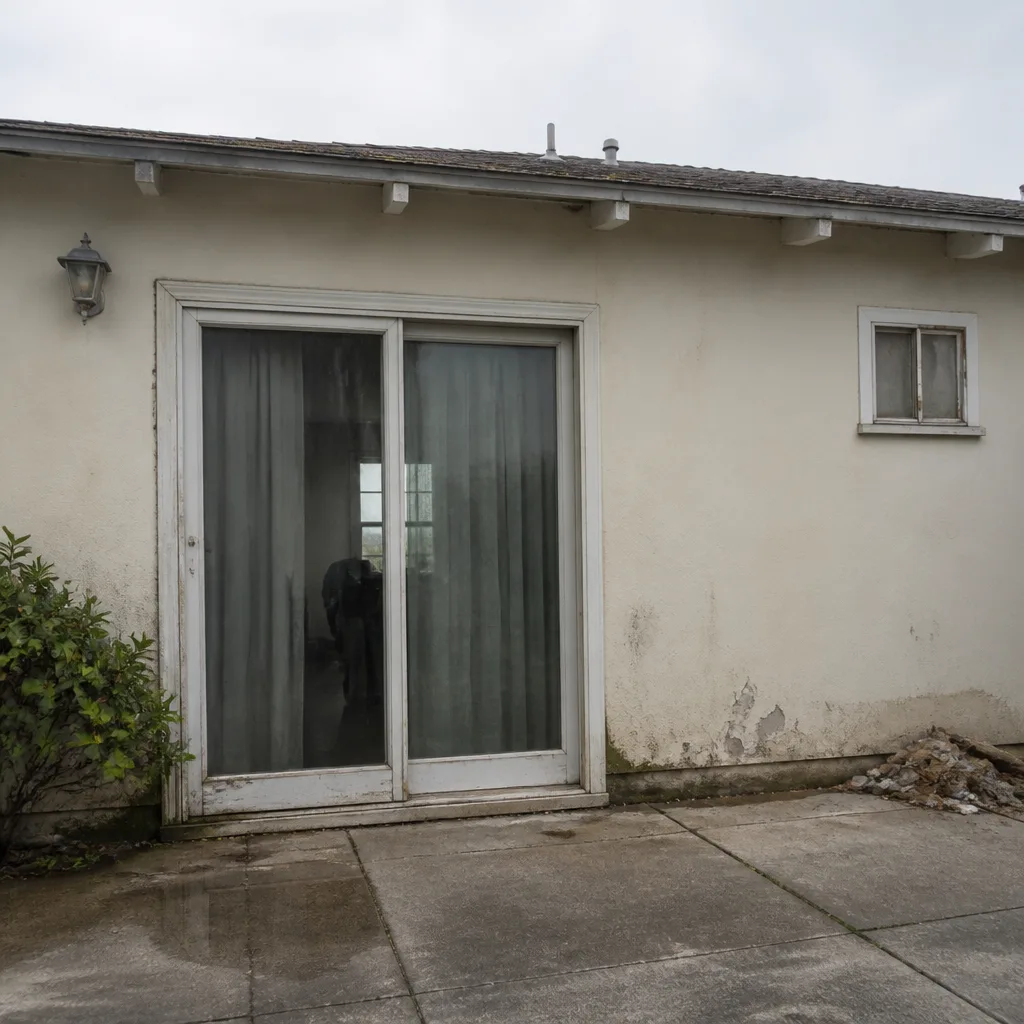 Before
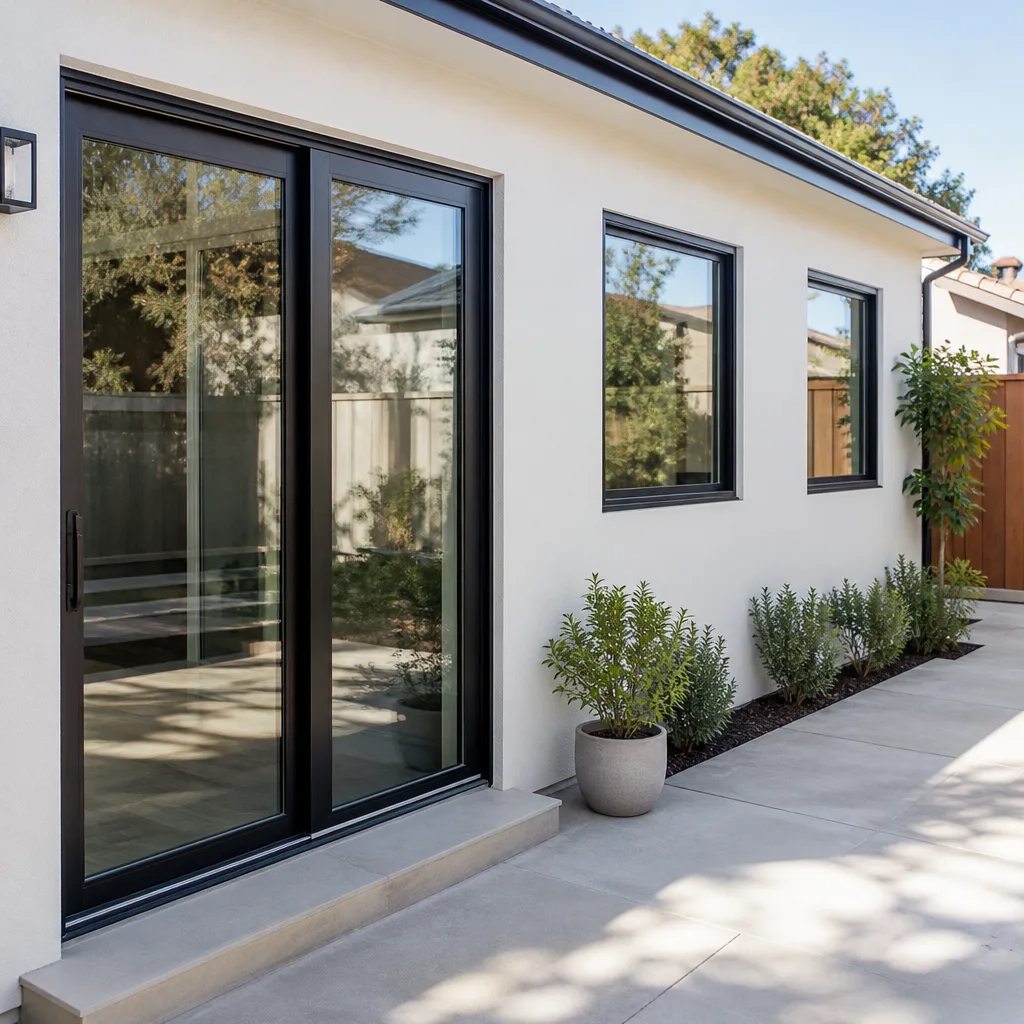 After
After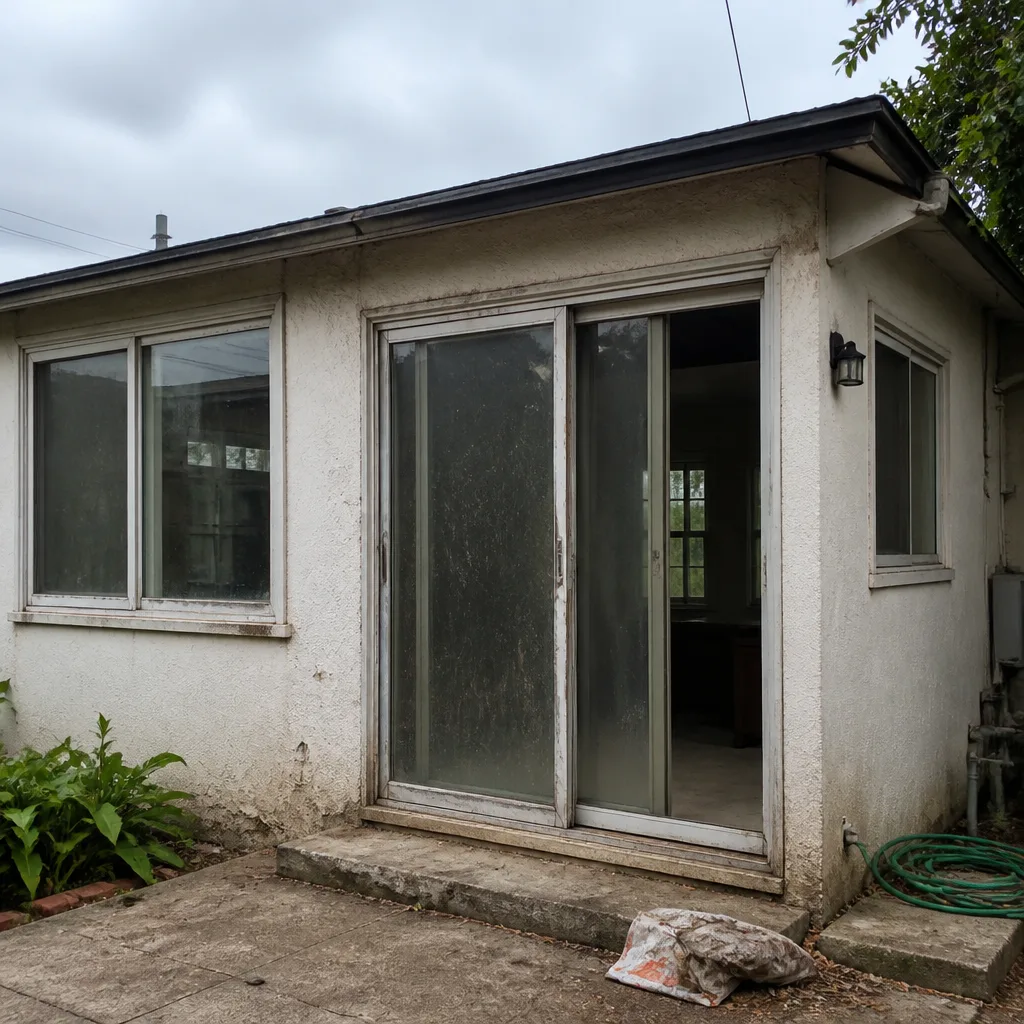 Before
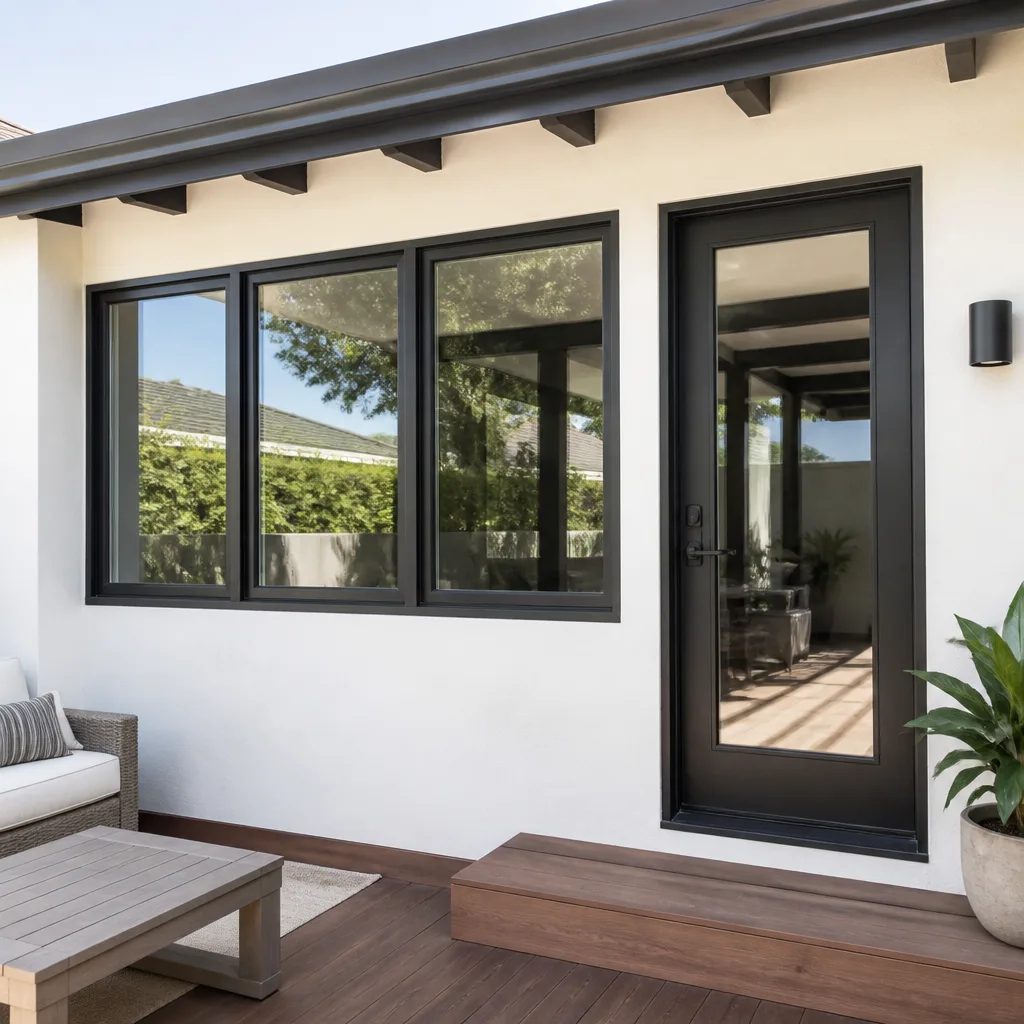 After
After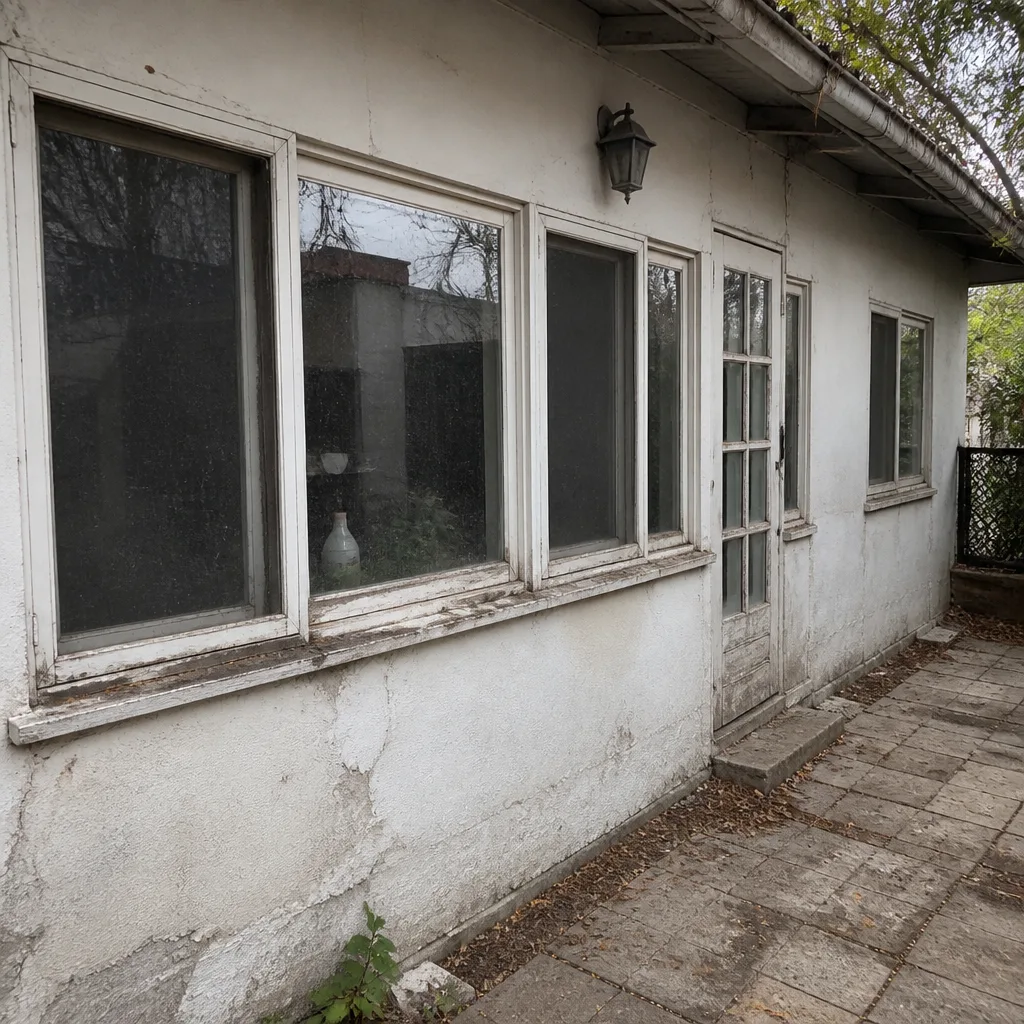 Before
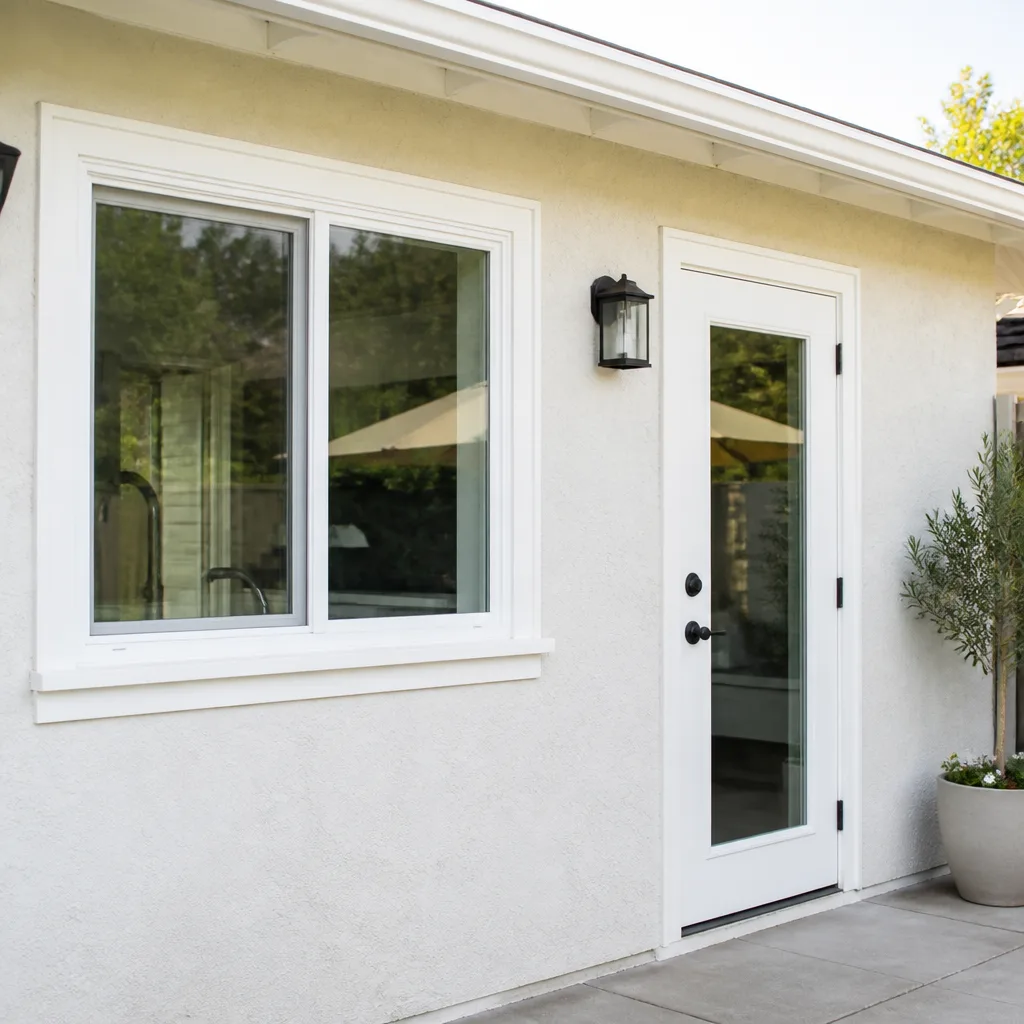 After
AfterAwning Windows in Los Angeles, CA | Westlight Windows & Doors
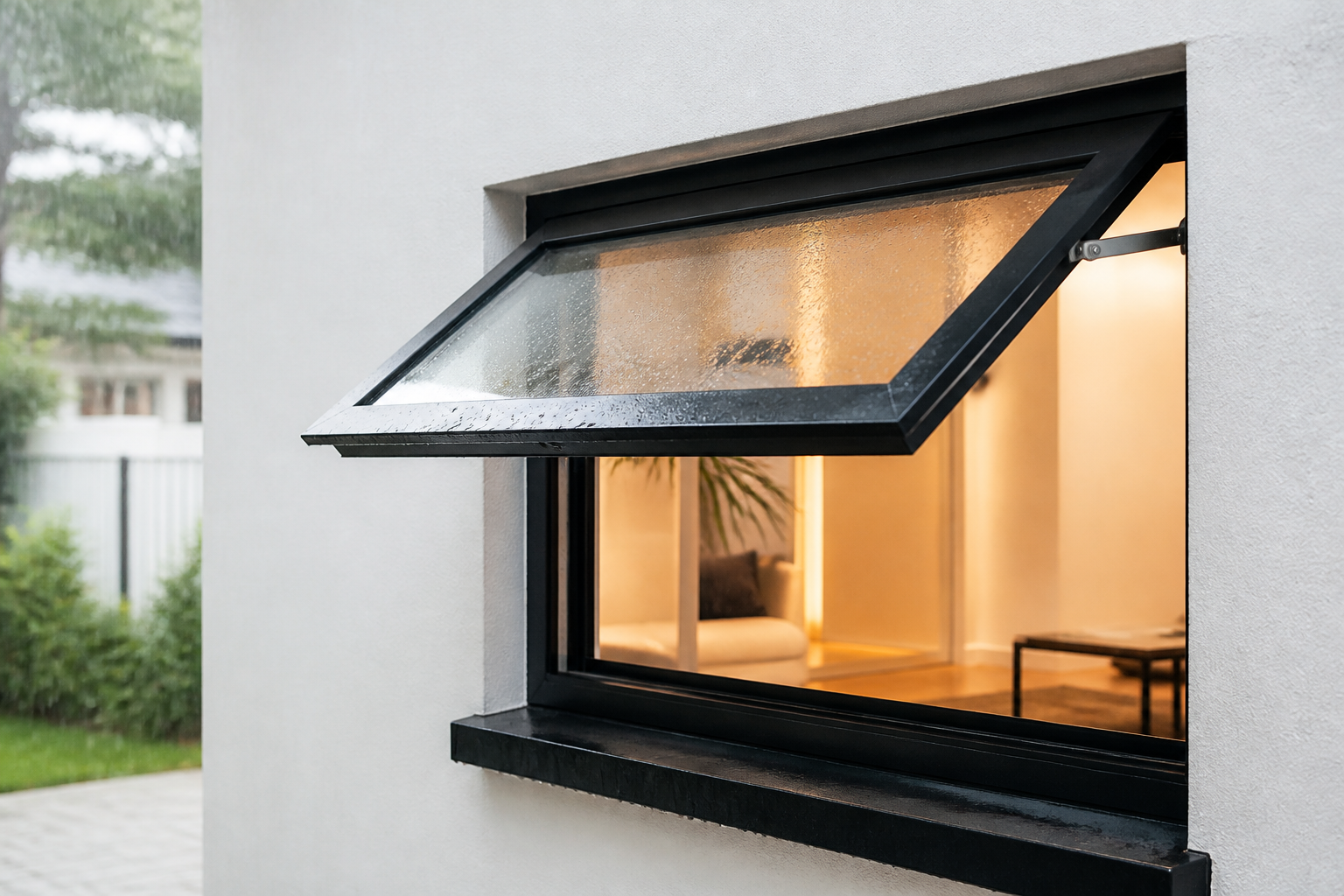
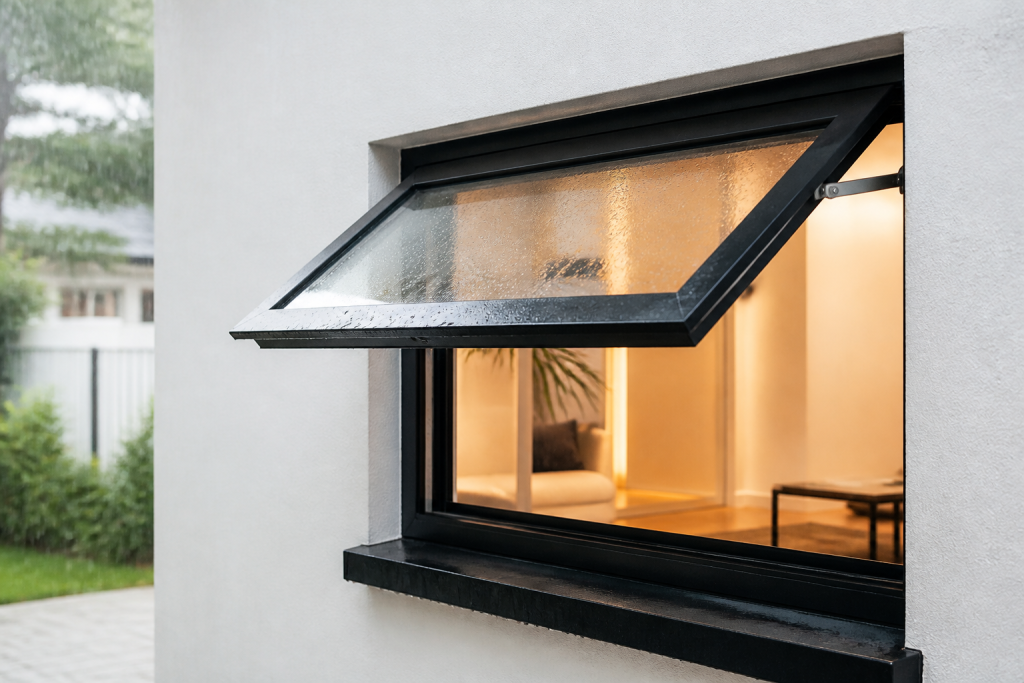
Awning windows are top-hinged, crank-out windows that open outward from the bottom, which means you can leave them cracked open during a Los Angeles rain shower without water pouring onto your sill. That alone makes them a favorite in Florida, but the version we install at Westlight Windows & Doors does something more: it carries laminated impact glass in a weathertight frame, so you get ventilation and storm protection in one unit. We’ve installed awning windows across Los Angeles for years, from beachfront condos to inland single-family homes, and we spec them carefully for each wind zone. If you’re researching this product, call (903) 354-7134 and we’ll walk you through what fits your openings.
Product Overview - Awning Windows
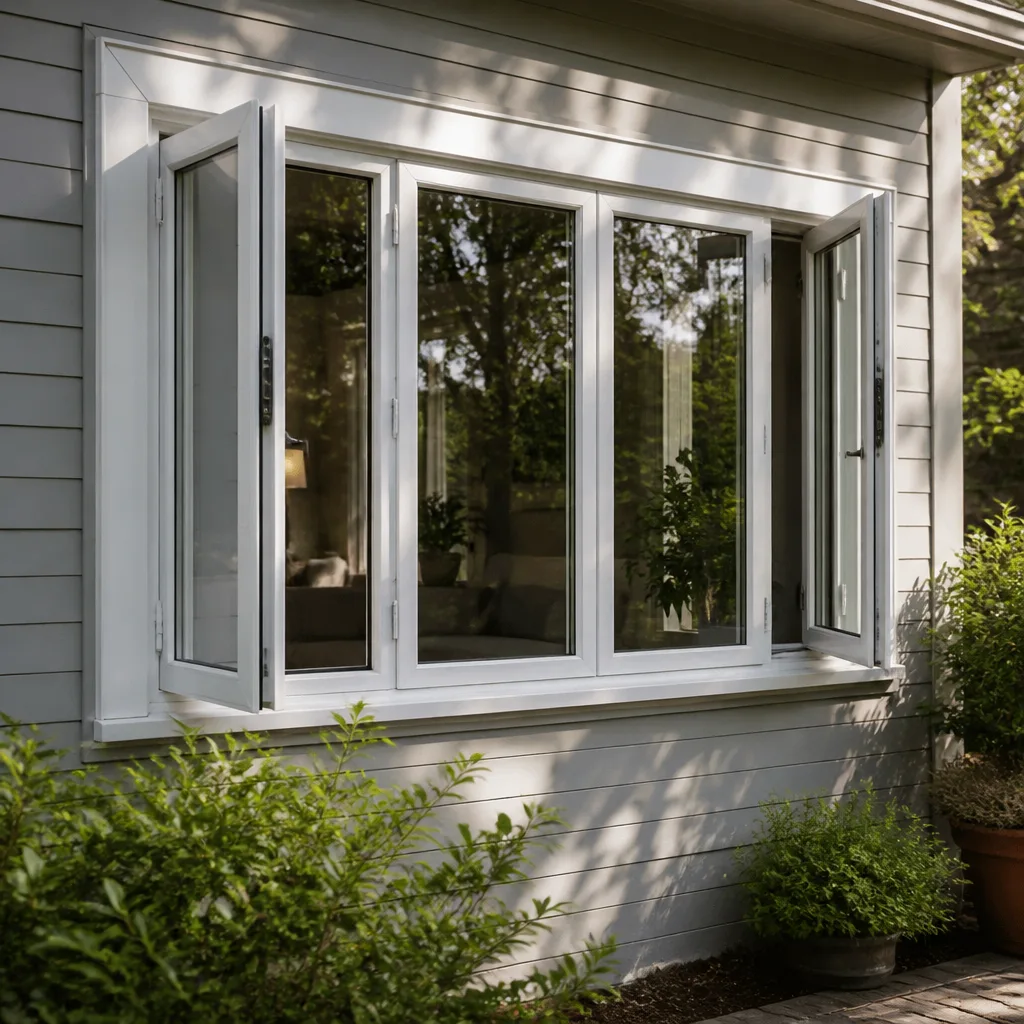
Awning windows are hinged at the top and crank outward from the bottom, which creates a sloped glass surface when open. Rain hits that slope and runs off instead of coming inside. It’s a small design decision with outsized value in a climate like ours, where afternoon thunderstorms roll through Los Angeles with little warning. You can keep the window cracked for airflow while you’re away from home and not come back to a wet floor.
The Impact Series awning window from Westlight Windows & Doors pairs that rain-shedding geometry with laminated impact glass. The glass carries a PVB (polyvinyl butyral) interlayer, the same technology used in automotive windshields, engineered here for windborne debris. When impact occurs, the glass may crack but the interlayer holds the pane in the frame, keeping the building envelope sealed. That matters more than most people realize: a broken window during a storm becomes a pressure breach, and pressure differentials are what lift roofs off houses.
Architecturally, awning windows read clean and horizontal. They work well stacked above fixed windows, placed high on walls for privacy, or installed in tight spots where a casement window’s swing radius would be awkward. We see them often in kitchens over counters, in bathrooms, and along hallways in Los Angeles homes where light and cross-breeze are priorities but wall space is limited. The frame comes in aluminum or vinyl, and both materials hold up well against salt air and high humidity.
Technical Specifications
Every awning window we order for Los Angeles projects is built to the opening’s exact measurements. You’re not getting a stock size forced into a rough opening. Here’s what you can specify:
- Frame materials: Aluminum or vinyl. Aluminum suits larger openings and modern elevations; vinyl suits tighter budgets and offers excellent thermal separation.
- Glass options: Laminated impact glass with PVB interlayer, Low-E insulated glass, tinted glass, or clear glass. Glass packages can be combined where the configuration allows.
- Finish options: White, almond, bronze, black, or tan. Finishes are applied in a factory-controlled process for consistent color across the entire order.
- Screen options: Fixed screen or retractable screen. Retractable screens tuck away when the window is closed and give you an unobstructed view.
- Hardware: Crank operator with multi-point locking. The lock engages at multiple points along the sash for a tighter seal than a single-point latch.
- Sizing: Custom widths and heights per opening. Common widths run 2 to 4 feet, but we order to your measurements, not to a catalog grid.
Hurricane & Compliance Performance
These are the six things that matter when you’re evaluating awning windows for a hurricane-prone property in Los Angeles.
Laminated Impact Glass
The glass is built with a PVB (polyvinyl butyral) interlayer sandwiched between glass lites. Under impact, the glass fractures but stays bonded to the interlayer, which keeps the pane in the frame and the envelope sealed. This is the core mechanism that makes impact-rated windows different from standard annealed or tempered glass.
Miami-Dade NOA / Florida Product Approval
Every configuration carries a Miami-Dade NOA (Notice of Acceptance) and Florida Product Approval number. These are issued per configuration, meaning the exact glass, frame, and size combination you order has its own approval. We verify these numbers on your specific quote so your permit package is clean.
FBC / HVHZ Compliance
The awning window line is engineered to Florida Building Code (FBC) High-Velocity Hurricane Zone (HVHZ) requirements. HVHZ is the strictest wind-load standard in the state, covering Miami-Dade and Broward counties, and we spec to it even for Los Angeles jobs in lower wind zones because the engineering margin carries no downside.
TAS 201 / TAS 202 / TAS 203 Testing Context
HVHZ-rated products are tested under a specific protocol family: TAS 201 for large-missile impact, TAS 202 for cyclic wind-pressure loading, and TAS 203 for forced-entry resistance. These are the tests your building official will look for when you submit a permit package. Our products carry those test reports.
Design Pressure for Your Wind Zone
Design pressures are matched to your wind zone, up to +/-100, never higher. Design pressure is a PSF rating, not a wind speed, and we size the window to your specific site conditions. Coastal exposure, building height, and elevation all factor into what your opening actually requires.
Energy Performance
Low-E and insulated glass options are available. In a hot climate like Los Angeles, a Low-E coating cuts solar heat gain while still letting daylight through. Insulated glass adds thermal separation for conditioned spaces. These options stack with laminated impact glass where the configuration allows.
Color & Glass Options
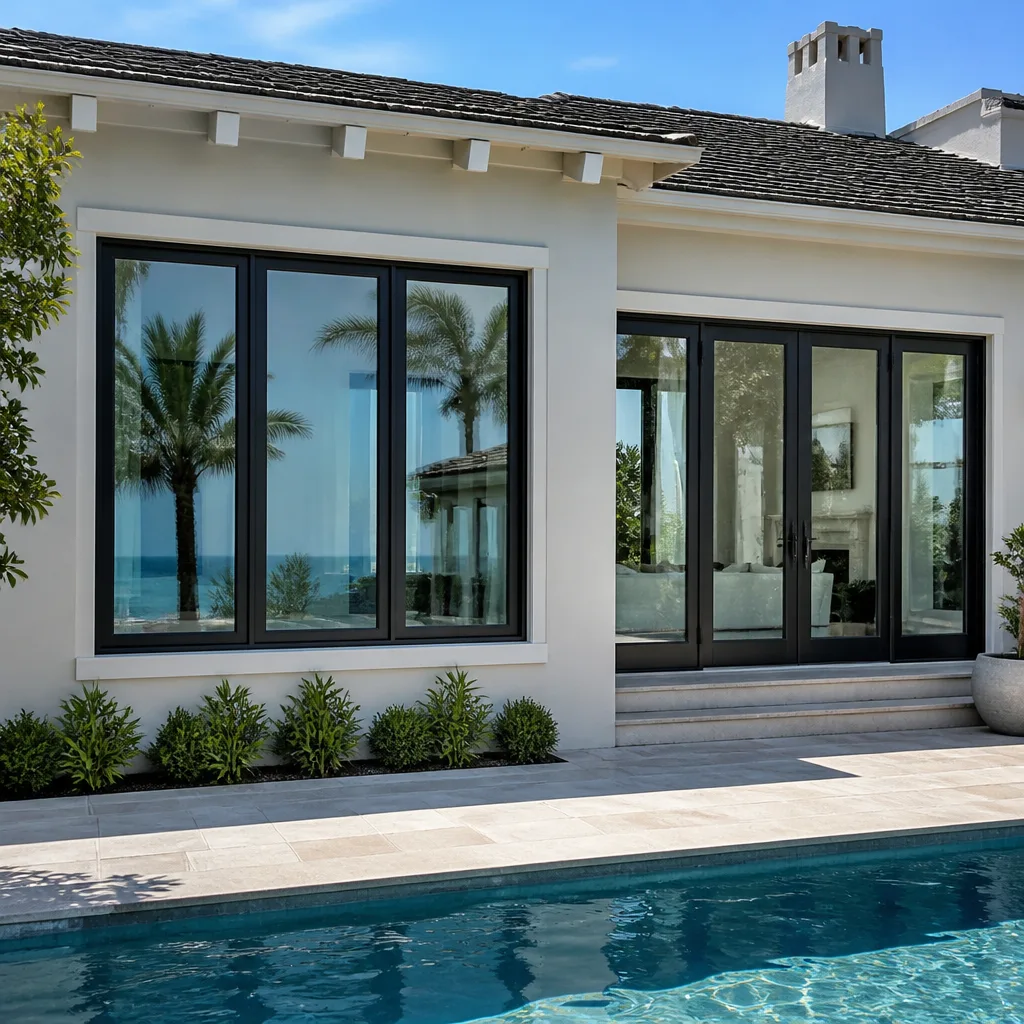
The five finish options, white, almond, bronze, black, and tan, cover most of the architectural styles you see across Los Angeles. Almond and tan blend into warmer stucco palettes and Mediterranean elevations. Black frames have a crisp, modern feel that’s popular on newer coastal builds and mid-century remodels. White stays a classic on traditional Florida ranch and cottage-style homes. Bronze splits the difference, darker than almond but warmer than black, and hides salt spray well on beachside properties.
Glass choices come down to what each room needs. Clear laminated impact glass gives you the most natural light at the lowest cost, and it’s the right call for shaded elevations. Tinted glass cuts glare and solar gain, which matters on west-facing walls that get blasted by afternoon sun. Low-E insulated glass is our default recommendation for air-conditioned spaces; it reduces heat transfer through the glass without noticeably darkening the room. Any of these can be paired with the impact lamination required for your wind zone.
Installation by Westlight Windows & Doors in Los Angeles
A window is only as good as its installation. That’s not a slogan; it’s the reason we pull permits when required and follow AAMA 2400/2410 installation practice on every awning window we set in Los Angeles. The NOA rating assumes the window is anchored and sealed the way the engineering documents specify. A sloppy install voided that performance before the first storm ever tested it.
Our process starts with a pre-installation inspection. We measure the rough opening, check the framing for rot or movement, and confirm the design pressure requirement for that specific wall. If the opening is out of square, we correct it before the window goes in. We don’t shim-and-hope.
The window is set level, plumb, and square. We anchor through the frame per the approved installation details. Then we apply AAMA 812 low-expansion foam around the perimeter for an air and water seal, followed by the specified flashing and sealant method. Low-expansion foam matters because standard expanding foam can bow a vinyl or aluminum frame, and a bowed frame means the sash won’t close true, the lock won’t engage, and the drainage weepholes won’t work.
After the window is set and sealed, we run a water test on the installation. If we find a leak, we fix it before we call the job done. We clean up the site, haul off the old window if we’re doing a replacement, and leave you with the operation and maintenance notes. In Los Angeles, coastal exposure and wind zone requirements vary block by block in some neighborhoods, and we handle the permit paperwork so the NOA and Florida Product Approval numbers are on file with your municipality.
Frequently Asked Questions - Awning Windows
What wind zone or design pressure is the awning window rated for?
Design pressures are matched to your specific wind zone, up to +/-100 PSF, never higher. We determine the required rating for your opening based on your Los Angeles address, building height, exposure category, and the current Florida Building Code. Your quote will state the exact design pressure for your configuration.
What is the lead time on awning windows in Los Angeles?
Lead times typically run 6 to 12 weeks depending on the glass package, finish, and the manufacturer’s current production schedule. Impact windows are built to order, not pulled from inventory. We’ll give you a firm lead time when you place the order, and we schedule installation around it.
Does my permit require a Miami-Dade NOA or Florida Product Approval submittal?
If your Los Angeles property is in an HVHZ jurisdiction, or your local building department requires product approvals for window replacements, then yes. We provide the NOA and Florida Product Approval numbers specific to your configuration as part of the permit package. Call (903) 354-7134 and we’ll check the requirements for your address.
Can I customize the size or configuration of my awning windows?
Yes. Every awning window we sell is ordered to your exact rough opening dimensions, not cut down or adapted on site. You can also specify finish, glass package, and screen type per window. Some architectural configurations, like stacking an awning above a fixed window, are common in Los Angeles homes and we can quote those as a combined unit.
How do I maintain the frame and hardware?
Wash the glass with mild soap and water. Wipe down the frame and sash tracks twice a year to keep the drainage weepholes clear. Lightly lubricate the crank mechanism and hinge points with a dry silicone spray, not oil, which attracts grit. In coastal Los Angeles areas, rinse the exterior frame monthly to remove salt residue. If a crank ever feels stiff, call us before forcing it, the linkage can bind and strip.
Get a Quote - Awning Windows in Los Angeles
Ready to spec awning windows for your Los Angeles home? We’ll measure your openings, confirm your design pressure requirements, and put together a line-item quote with no surprises. Call Westlight Windows & Doors at (903) 354-7134 to schedule a free on-site measurement and get your project started.
Written by the team at Westlight Windows & Doors, serving Los Angeles, CA with hurricane-impact window and door installations across our PGT, CGI, CWS, ES Windows, ECO, and Mr-Glass lines.
Detailed Images