
Last updated October 8, 2026
Free in-home measure and quote - PGT, CGI and CWS impact lines compared on your actual openings, style by style
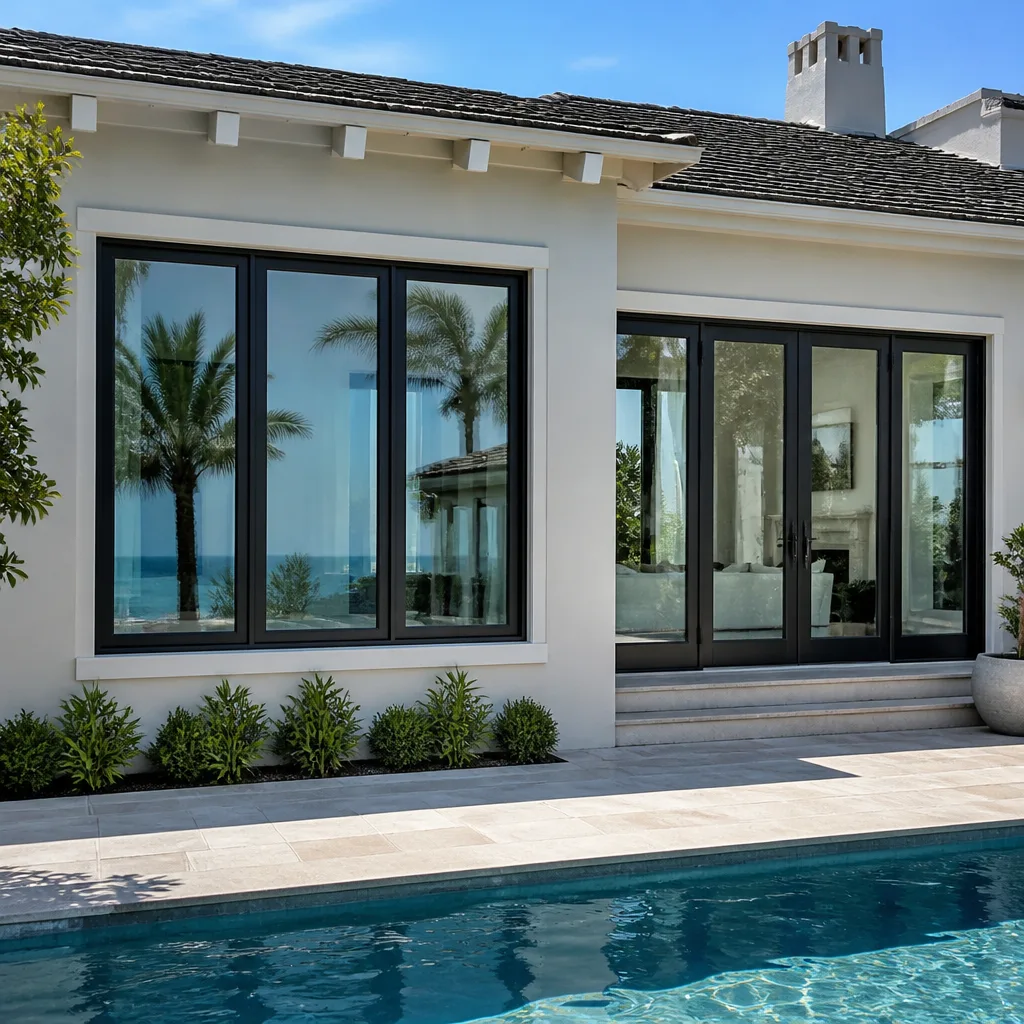
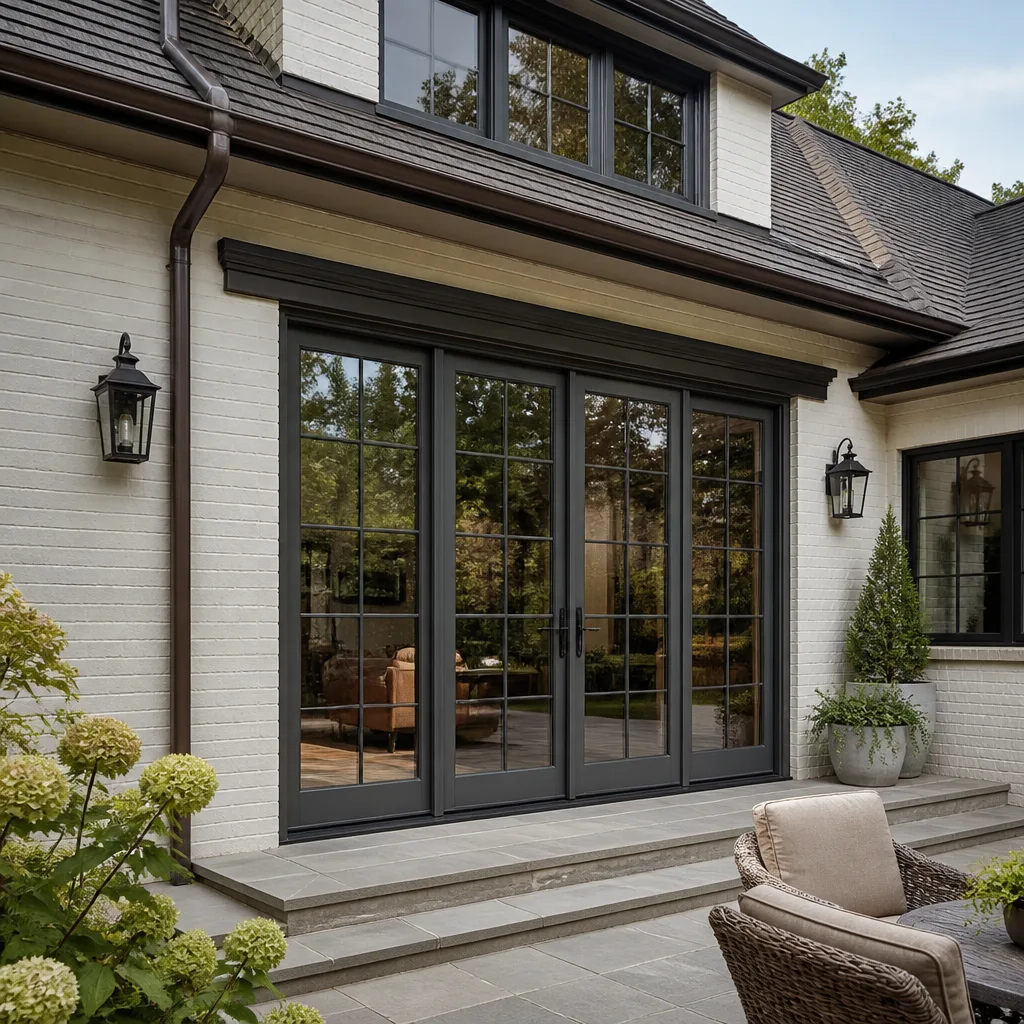
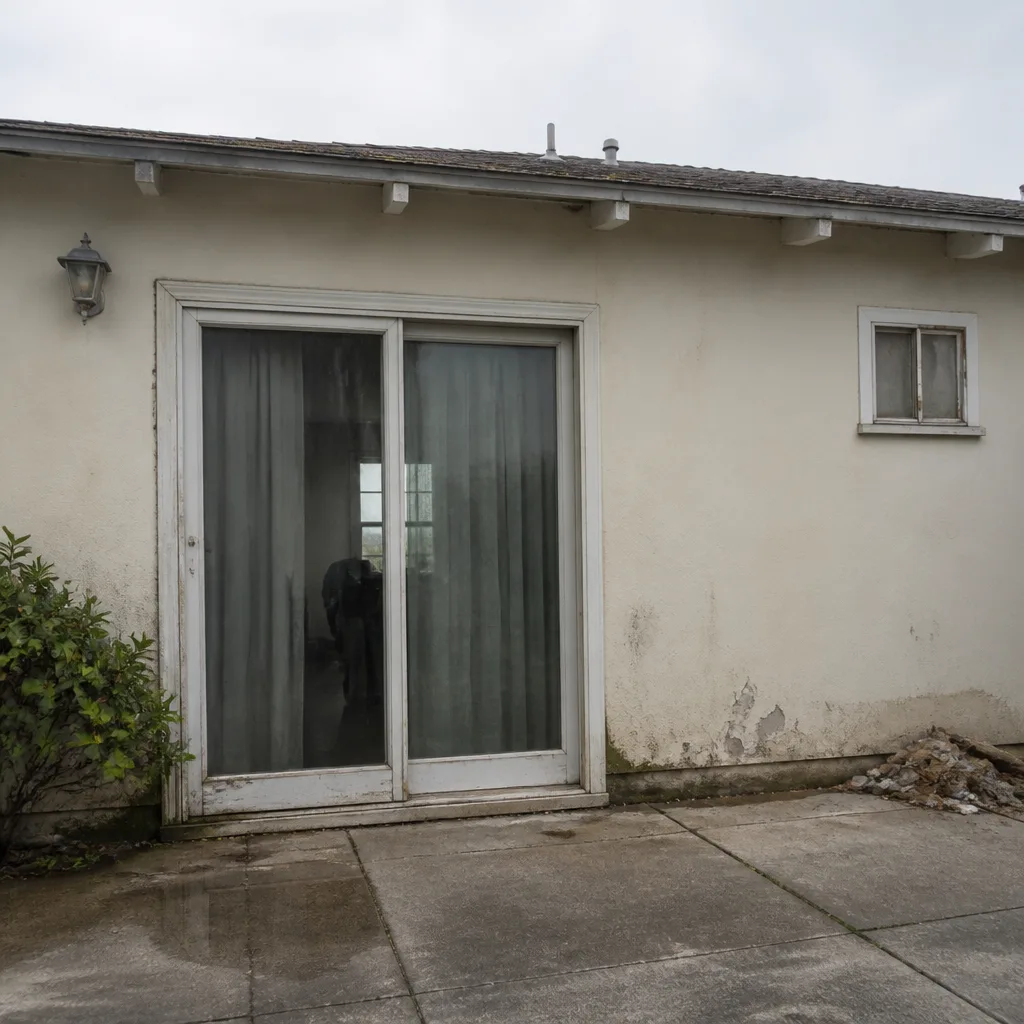 Before
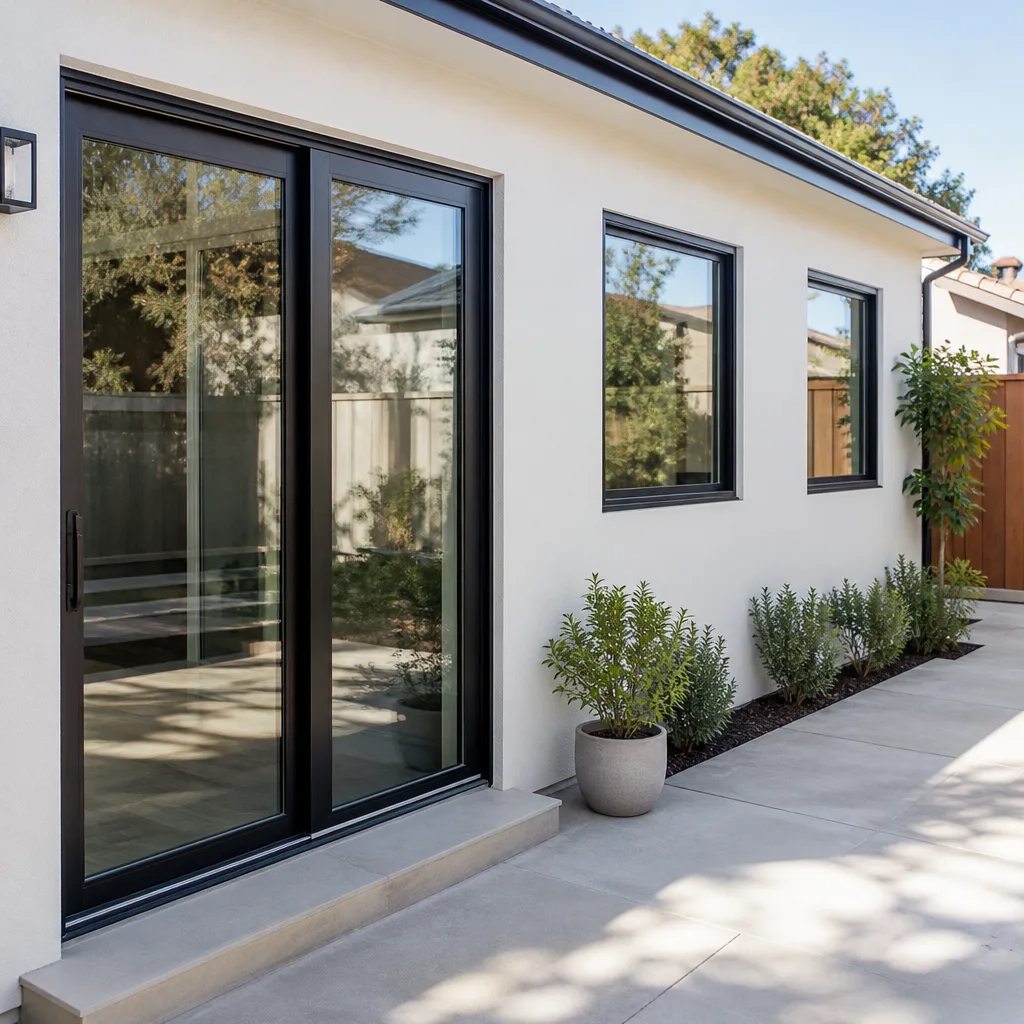 After
After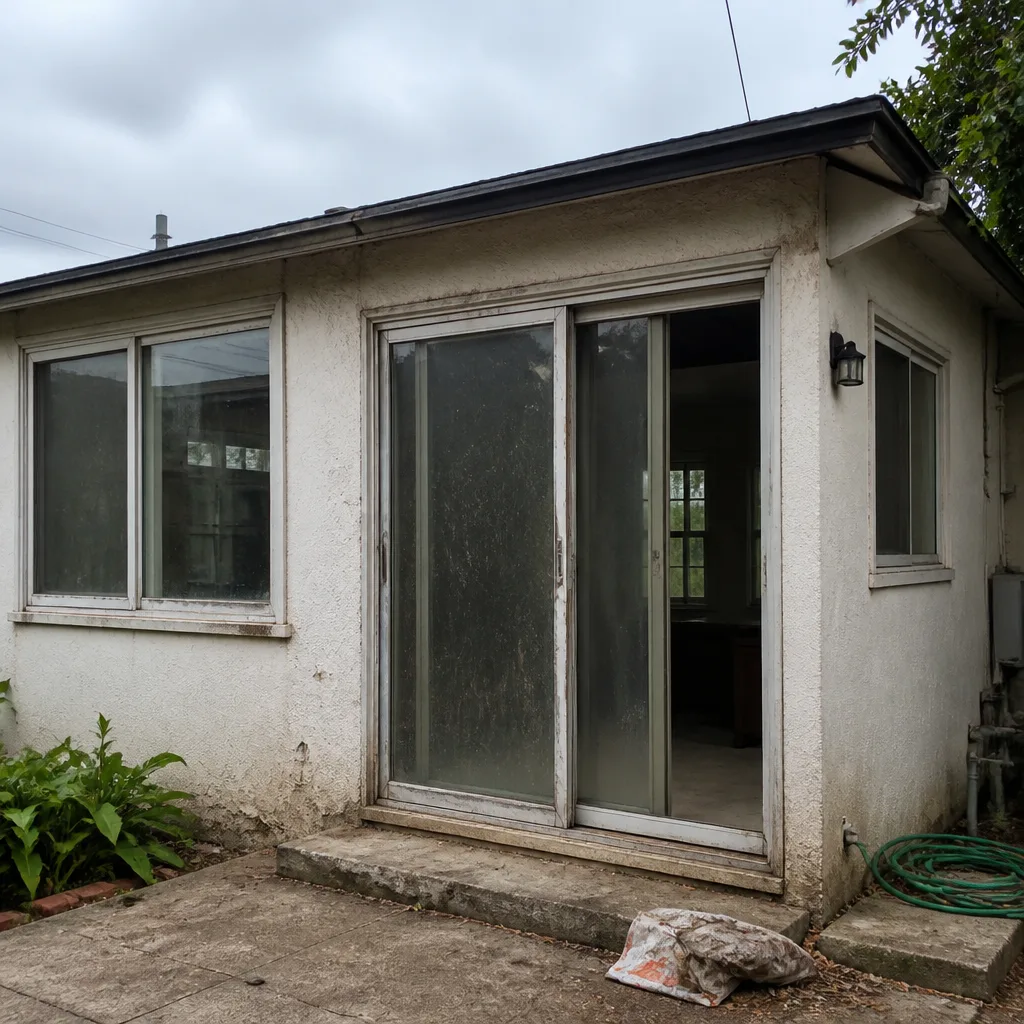 Before
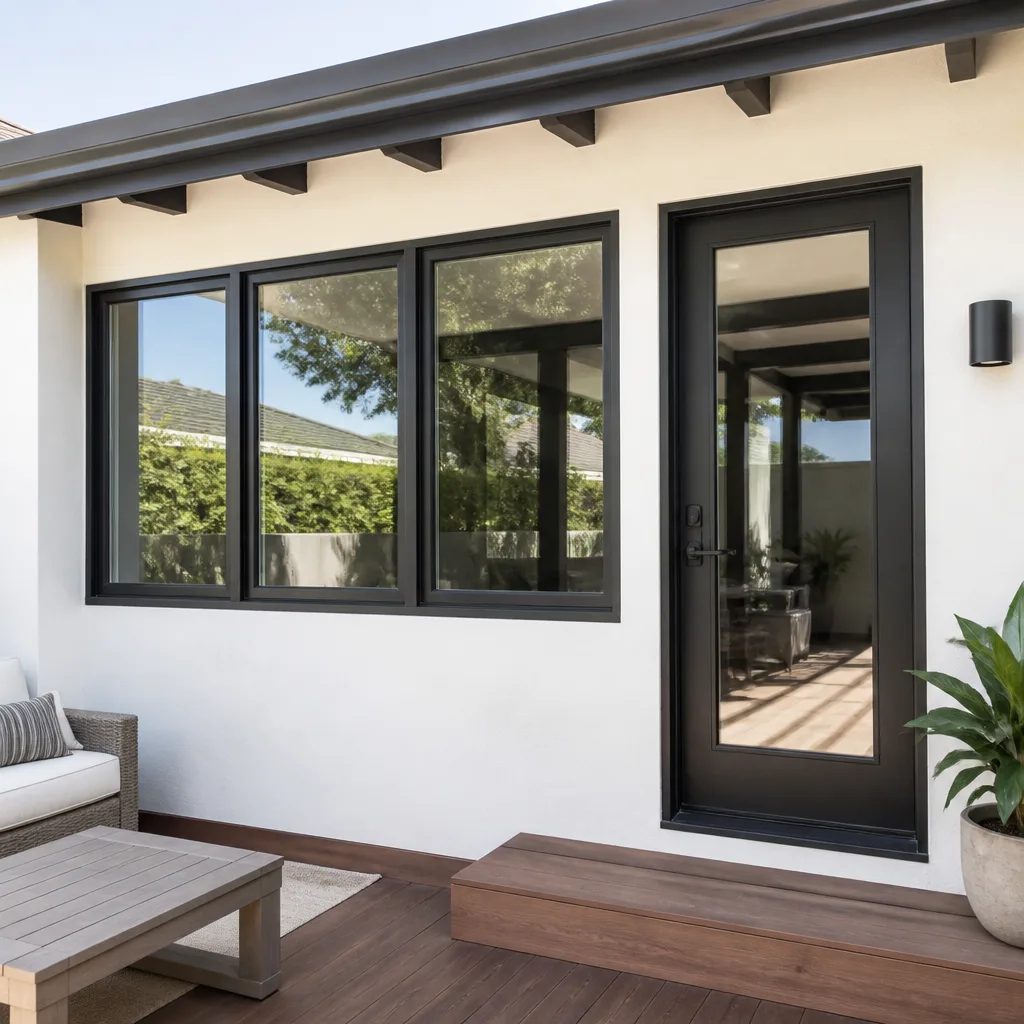 After
After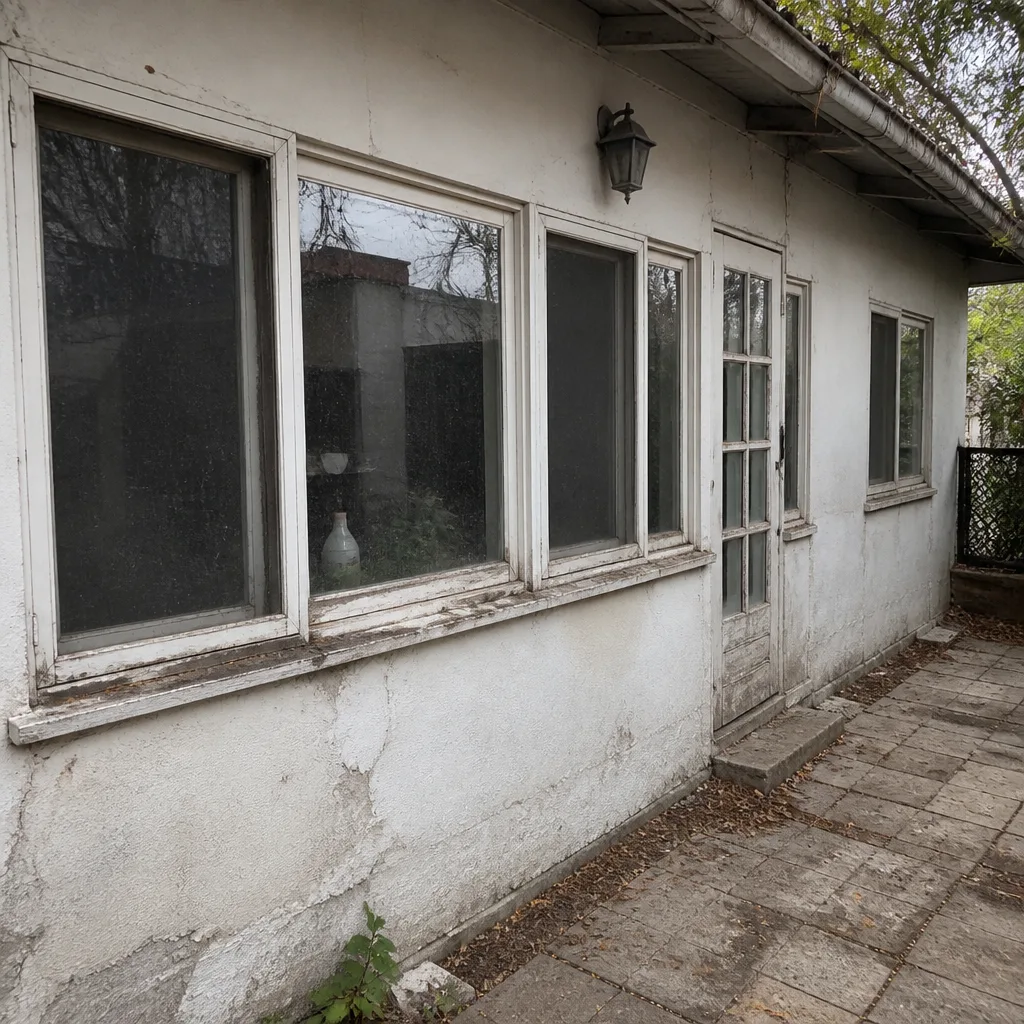 Before
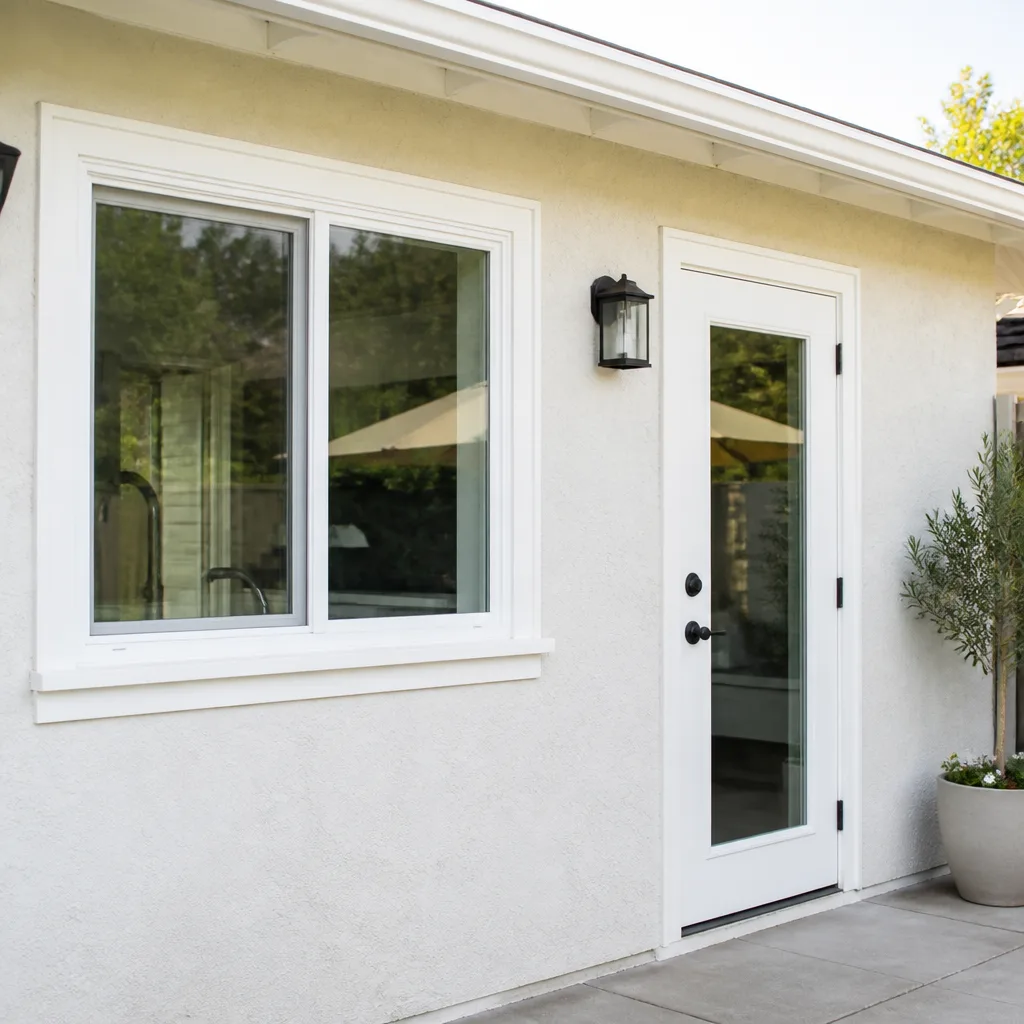 After
AfterHow Long Does Door Installation Take? Timelines and What to Expect
Most homeowners in Los Angeles are surprised to learn that the door itself is rarely what slows down an installation. The real time-killer is the opening. A pre-hung door going into a square, plumb frame is a two-hour job with a two-person crew. But the moment that frame is out of level by half an inch, the job doubles because shimming, planing, and re-anchoring take time most estimates never mention. This guide gives you real numbers by door type, door condition, and hardware configuration, so you can plan the day and recognize when a contractor’s Door Installation timeline actually makes sense.
Quick Answer
A single pre-hung interior or exterior door in a same-size, square opening takes 2 to 4 hours with a standard two-person crew. Sliding patio doors run 4 to 8 hours, French doors 5 to 10 hours, and any job where the existing frame must be rebuilt can stretch to 10 to 15 hours. The variable is rarely the door; it’s the condition of the rough opening.
Table of Contents
- The Single Door Baseline: Two Hours When Everything Is Square
- Time Benchmarks by Door Type
- Frame Condition: The Biggest Time Wildcard
- Hardware Installation Time: Why Multi-Point Locks Add 45 Minutes
- What to Do the Morning of Installation
- How to Read a Door Installation Estimate
- What Makes Los Angeles Door Installation Different
- Common Mistakes to Avoid
- When to Call a Professional
- Frequently Asked Questions
- The Bottom Line
The Single Door Baseline: Two Hours When Everything Is Square
When we install a pre-hung unit into an opening that matches the door’s rough opening dimensions, the work follows a predictable rhythm. A two-person crew unloads the door, removes the old slab and hinges, sets the new pre-hung unit in the opening, levels it with shims, secures it with screws through the jamb, installs the lockset, and wraps up. That sequence takes roughly two hours for an interior door and two and a half to three hours for an exterior door with weather sealing.
The wildcard is always the existing frame. In a 1950s ranch house in Burbank or a 1980s condo in Glendale, we regularly see jambs that have shifted over 40 years of foundation settling. The door may have worked fine, but the opening is no longer square. That means the installer must shim more aggressively, trim the jamb, or in the worst case, pull the frame and rebuild it. That’s where a two-hour job becomes a five-hour job, and it’s exactly what you want your contractor to identify at the estimate, not at hour three of the install.
Time Benchmarks by Door Type
Different doors have different installation sequences, and the time differences are real. Here’s what a two-person crew can reasonably complete in one day, assuming the opening is in good condition. For related reading, see our guide on How Long Does Window Installation Take? Timelines and What to Expect.
Interior Pre-Hung Door: 2 to 3 Hours
This is the fastest install. The door arrives fully assembled in its frame, with hinges pre-cut and the slab already aligned. The crew sets the unit, levels it, fastens it, and installs the knob or lever. Closet doors and bedroom doors in standard 24-inch to 32-inch widths are the quickest. Los Angeles homes with narrow hallways and small bedrooms may need extra time for maneuvering, but the install itself is straightforward.
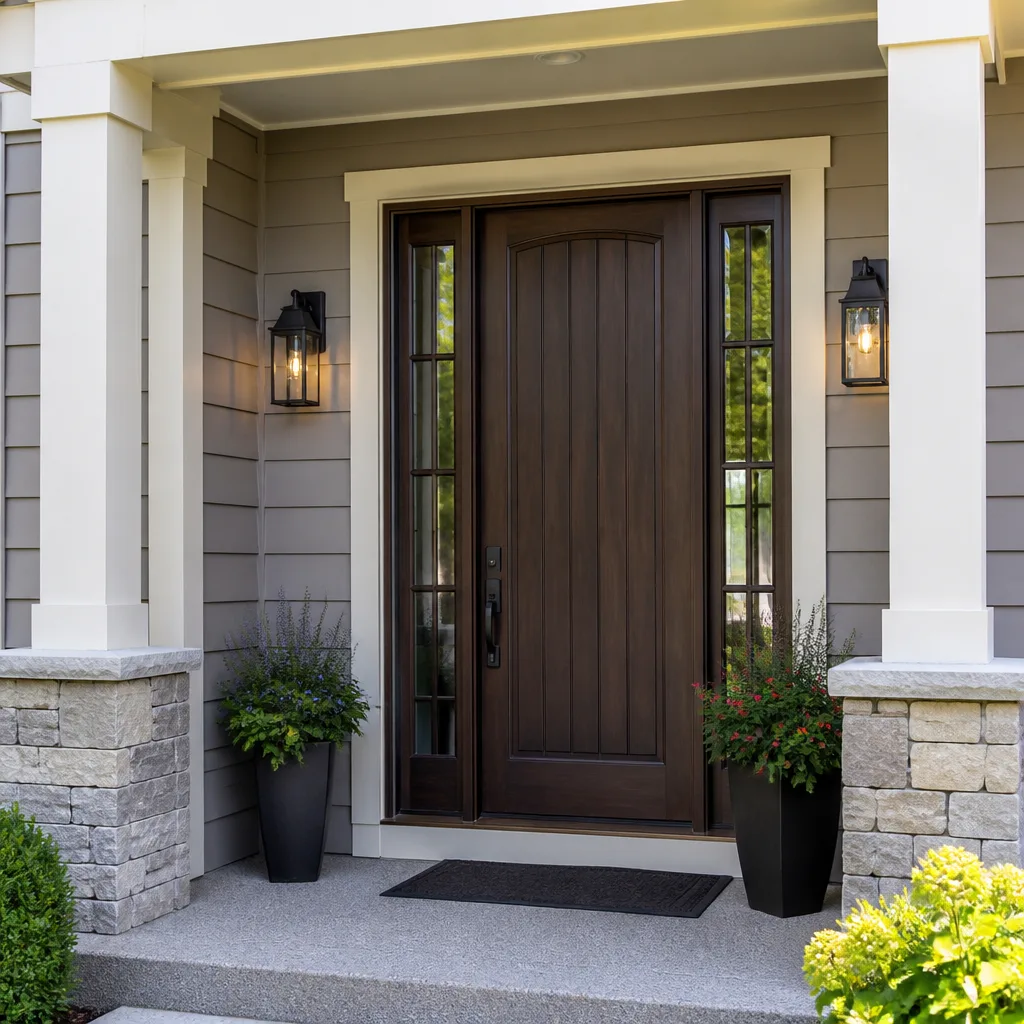
Exterior Entry Door: 3 to 5 Hours
An exterior door adds weather stripping, threshold installation, and exterior trim work. Fiberglass entry doors from Therma-Tru, for example, arrive with a pre-hung frame, but the threshold has to be set on shims to create a slight slope for water runoff. That threshold work alone can take 30 to 45 minutes if the subfloor isn’t level. Prevailing wisdom says three hours for a clean swap, but we tell customers to plan for four because exterior trim boards in older Los Angeles homes are often painted over with lead-based paint, and removing them carefully takes time.
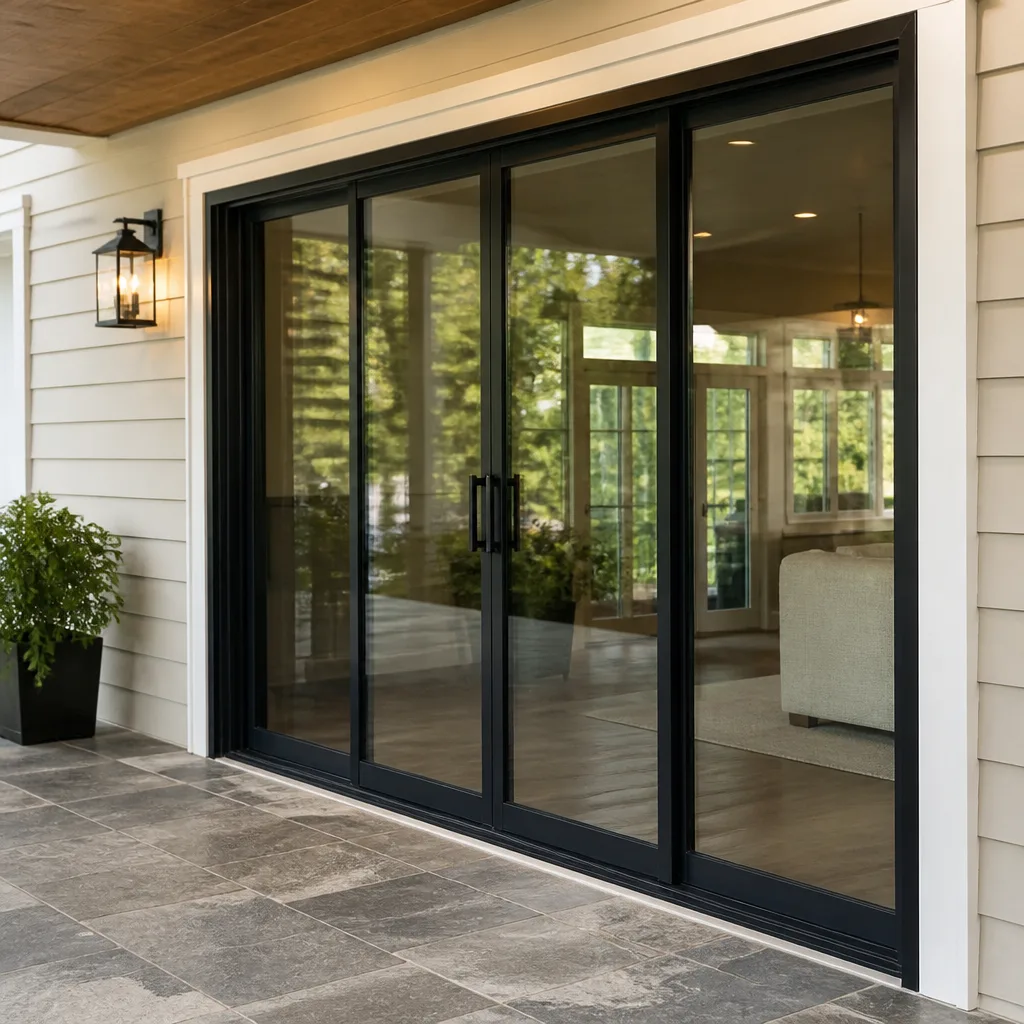
Sliding Patio Door: 4 to 8 Hours
Sliding doors are heavier, and the track must be perfectly level. If the track slopes even an eighth of an inch, the door will drift, stick, or fail to lock. Installing a slider often means cutting back stucco or siding on the exterior, setting a new header if the old one sagged, and resealing the entire perimeter with flashing tape. A same-size replacement in a vinyl frame runs about four hours; replacing an aluminum slider with a wider unit that requires a new header can take a full day.
French Doors: 5 to 10 Hours
French doors are two doors in one opening, which means two slabs to align, two sets of hinges to mortise, and a meeting point in the center that has to seal tightly. Active and passive door alignment is the part most installers underestimate. If the two doors don’t align at the center, the astragal and weather seals won’t sit flush, and you’ll feel a draft on the first cool evening. That fine-tuning is what separates a good French door installation from an average one, and it’s the reason we budget extra time for these jobs.
Frame Condition: The Biggest Time Wildcard
The number one cause of a door installation running long isn’t the door. It’s the discovery, mid-job, that the existing frame is out of plumb and has to be shimmed or rebuilt before the new unit can go in. That conversation should happen at the estimate, not at hour three.
A competent contractor will put a four-foot level on both sides of the jamb and across the header before quoting a time frame. If either side is off by more than a quarter inch from top to bottom, the estimate should include shim time and possibly frame repair. Here’s what we look for when we assess a door opening in Los Angeles homes:
- Foundation settlement: Many older neighborhoods in Los Angeles, from Highland Park to the San Fernando Valley, sit on expansive soil that moves with moisture. A 50-year-old door opening can be a half inch out of square just from decades of soil movement.
- Termite or water damage: The bottom of exterior door jambs is where rot hides. If the jamb is soft, the crew has to cut it back and sister in new lumber before the new unit can be anchored.
- Previous shoddy installs: We’ve seen doors held in with two screws and a prayer. Removing those and properly anchoring a new frame takes time.
- Sagging headers: On exterior doors, especially wider openings like sliders and French doors, the header can sag if the original framing was undersized. Fixing that requires temporarily supporting the wall, removing the old header, and installing a correctly sized one.
The takeaway: ask any contractor you’re vetting to check the reveal, the jamb, and the header at the estimate. If they don’t, they’re not actually estimating, they’re guessing.
Hardware Installation Time: Why Multi-Point Locks Add 45 Minutes
Door hardware isn’t a commodity. A basic deadbolt on a standard prep takes 10 to 15 minutes. A multi-point locking system on a fiberglass door, the kind you’ll find on many Therma-Tru exterior entry doors, takes significantly longer. Multi-point locks engage three separate points along the door’s edge: the top, the center, and the bottom. Getting all three to engage simultaneously requires precise alignment between the lock body, the strike plates embedded in the jamb, and the door slab itself.
We budget 30 to 45 minutes for a multi-point lock install on top of the base door installation. That time covers routing the door edge for the lock body, cutting the jamb for the additional strike plates, and adjusting the rollers so the lock engages cleanly. Done wrong, a multi-point lock can bind, which makes the door fight you every time you try to open or close it. Done right, it gives you a door that seals tighter than a standard deadbolt ever could.
Smart locks and smart deadbolts add another 15 to 20 minutes for calibration and app pairing. If you’re planning to install a smart lock, let the contractor know before the job starts so they can account for that time.
What to Do the Morning of Installation
You don’t need to do much, but the things you do will keep the job moving. The morning of the install, run through this list before the crew arrives:
- Clear the work area. Remove anything within six feet of the door on both sides. That includes furniture, rugs, wall art, and anything that could be knocked loose when the old door comes out.
- Move your car out of the work zone. Crews need a clear path from the truck to the door. In a dense Los Angeles neighborhood, that might mean moving a car or two off the driveway or coordinating with neighbors on street parking.
- Secure pets. A dog that’s protective of the house is a dog that’s going to be stressed when strangers are walking in and out with tools. Put pets in a closed room with water and a comfortable bed.
- Disarm the alarm system, if you have one. Door installation means pulling sensors off the old door and reattaching them to the new one. A live alarm complicates that and can lead to a false dispatch.
- Plan for a utility interruption. If the crew needs to cut power to a nearby outlet or switch, they’ll tell you. But it’s worth knowing ahead of time that the install may knock out a circuit temporarily.
- Be home for the first 30 minutes. The walk-through matters. Confirm the scope, point out anything specific you want addressed, and ask the crew where they’ll stage materials. After that, you’re free to go about your day.
How to Read a Door Installation Estimate
There’s a difference between a real estimate and a price on a napkin. A real estimate tells you what you’re buying, and it tells you what’s not included. Here’s how to read one.
First, look for a line item for demolition and haul-away. Some contractors price the install and then add a “disposal fee” at the end, which is a polite way of saying the price on the front page wasn’t the real price. Ask directly: “Does this price include removing the old door and hauling it away?” If the answer is anything other than a clear yes, get it in writing.
Second, look for shimming and faring. “Faring” in door terms means adjusting the door within the frame so it closes cleanly and the gap between the slab and jamb is even. Some estimates list this as a separate line item. Others bury it. Ask what happens if the opening is out of square. A straight answer sounds like: “We shim as needed and the price doesn’t change.” A weak answer sounds like: “We’ll see what we find.”
Third, look for a guarantee line. At Westlight Windows & Doors, every estimate follows the Kingswell Guarantee: a written price before any work starts, a committed arrival window, a clean job site, and a written guarantee at job completion. That’s not marketing language. It’s a contract. You should see the same kind of specificity from any contractor you’re seriously considering.
What Makes Los Angeles Door Installation Different
Los Angeles door installation has quirks that don’t exist elsewhere, and a nationwide guide won’t tell you about them. Here’s what actually matters in this market. For more guides & resources on home improvement, visit our blog.
Older housing stock. A lot of the doors we replace are in homes built between 1920 and 1970. Those homes have solid bones but inconsistent framing. Stud spacing that doesn’t match modern standards, headers that were undersized from the start, and jambs that have been patched with caulk and wood filler for decades. None of that is a reason to panic, but it is a reason the job may take longer than a door in a 2015 build.
Lead paint protocols. Homes built before 1978 may have lead paint on door frames and surrounding trim. California law requires contractors to follow specific containment and cleanup procedures when disturbing lead-based paint. That adds time and cost, and a contractor who doesn’t mention it is either ignorant or cutting corners. Both are disqualifying.
Stucco and plaster walls. Los Angeles homes are heavy on stucco exteriors and plaster interiors. Cutting into stucco to install a wider door or repair a rotted jamb is slower than working with wood siding or drywall. And repairing stucco to match existing texture is a skill that not every door installer has. Ask about it before the job starts.
Climate and warping. The dry heat in the San Fernando Valley and the marine layer closer to the coast both affect doors differently. Wood doors that do fine in Westwood may warp in Woodland Hills. That’s a product selection conversation as much as an installation one, and it’s why we stock eight manufacturer lines, including ES Windows and ECO Window Systems, so the product matches the climate zone.
Common Mistakes to Avoid
- Choosing the cheapest quote without reading the exclusions. If the price doesn’t include demolition, haul-away, and shimming, it isn’t actually cheaper. It’s just less honest.
- Not asking about the frame condition at the estimate. A contractor who doesn’t inspect the opening before quoting a time frame is guessing. Guesswork is expensive.
- Installing a door without checking the rough opening dimension. A door that’s too small for the opening needs excessive shimming and will never seal properly. One that’s too large means reframing. Measure twice, and then have a professional measure again.
- Skipping the weather seal conversation. In Los Angeles, we don’t get harsh winters, but we do get hot, dry summers and the occasional driving rain. A correctly installed door seal keeps your air conditioning in and the dust out.
- Assuming all doors are interchangeable. A door rated for interior use won’t hold up on an exterior in coastal Los Angeles salt air. Match the product to the location.
- Letting the crew rush the finish work. The last hour of an installation is the trim, the caulk, the weather stripping, and the final adjustment. That’s the part that determines whether the door feels right for the next 20 years. Don’t let it be rushed.
- Not asking about warranty terms in writing. If the repair guarantee isn’t written down, it doesn’t exist.
When to Call a Professional
Door installation is not a job to learn on your own. If you’re replacing a pre-hung exterior door, dealing with rotted framing, or installing a sliding patio door, the cost of a mistake is a door that doesn’t lock correctly, a frame that leaks, or a glass panel that cracks during handling. High-tension components, doors with heavy glass panels, and multi-point locking systems all carry enough risk that a trained professional with the right tools is the only sensible choice. Westlight Windows & Doors offers free estimates in Los Angeles, and our Door Installation in Los Angeles covers everything from a single entry door to a full sliding wall replacement. Call (903) 354-7134 for a written estimate before any work starts.
Frequently Asked Questions
A front door replacement in a same-size, square opening takes 3 to 5 hours with a two-person crew. If the existing frame is rotted or out of square, the job can extend to 8 hours or more. The estimate should tell you which scenario applies to your door.
Yes, most single doors install in one day. Sliding patio doors and French doors also typically complete in one day, but expect the crew to be at your Los Angeles home for 6 to 10 hours rather than a quick morning appointment. Any door that requires structural repair to the opening may need a second visit.
Interior pre-hung door installation in Los Angeles typically runs $350 to $650 per door including labor. Exterior entry doors run $800 to $1,800 installed depending on the door and hardware. Sliding patio doors and French doors run $1,500 to $4,000. These ranges assume a same-size opening in good condition. Call (903) 354-7134 for an exact quote, because every estimate is written and itemized before work begins.
Most same-size door replacements in Los Angeles do not require a building permit. If you’re enlarging the opening, adding a new door where none existed, or changing the structural header, the city of Los Angeles Department of Building and Safety typically requires a permit. We always confirm whether a permit is needed at the estimate and pull it if the scope requires it.
A multi-point lock adds 30 to 45 minutes to a standard door installation. The extra time covers routing the door edge, cutting additional strike plates in the jamb, and aligning all three locking points so they engage cleanly. Rushing this step results in a door that binds or doesn’t seal tightly.
If the frame is square, solid, and free of rot, you can replace the slab only. But if the jamb is soft at the bottom, the opening is out of plumb, or the existing frame has been patched repeatedly over the years, replacing the entire pre-hung unit is faster and gives a better result. We assess the frame at every estimate and tell you which option actually makes sense for your door.
The Bottom Line
The honest answer to “how long does door installation take” is: two hours if the opening is square, and up to a full day if it isn’t. The difference between a fast, clean install and a long, frustrating one is almost always determined at the estimate stage, when a contractor either checks the frame or doesn’t. In Los Angeles, where older homes, stucco exteriors, and climate shifts all work against a door opening, hiring someone who gives you a written price, a real time frame, and a written guarantee is the difference between a door that works for decades and one you’re calling about again next year. Westlight Windows & Doors home covers Window Replacement in Los Angeles and Window Installation in Los Angeles as well, and we run every job by the Kingswell Way: say the price before the work, show up in the window we gave, leave the place cleaner than we found it, put the guarantee in writing, and come back if it fails. That’s the west light standard, the late-afternoon sun that pours through a good door installation: bright, warm, and worth doing right.
Written by Owen Satterfield, Owner at Westlight Windows & Doors, serving Los Angeles since 2009.