
Last updated October 8, 2026
Free in-home measure and quote - PGT, CGI and CWS impact lines compared on your actual openings, style by style
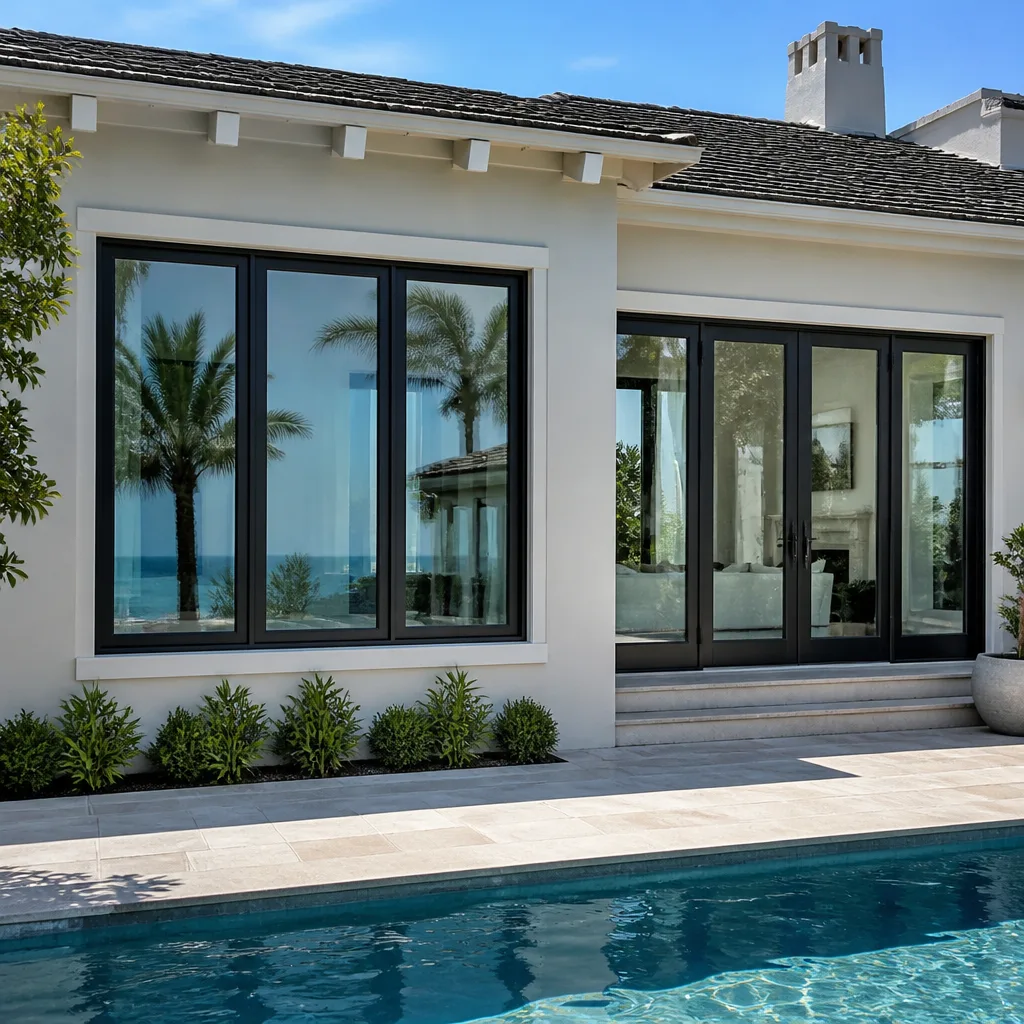
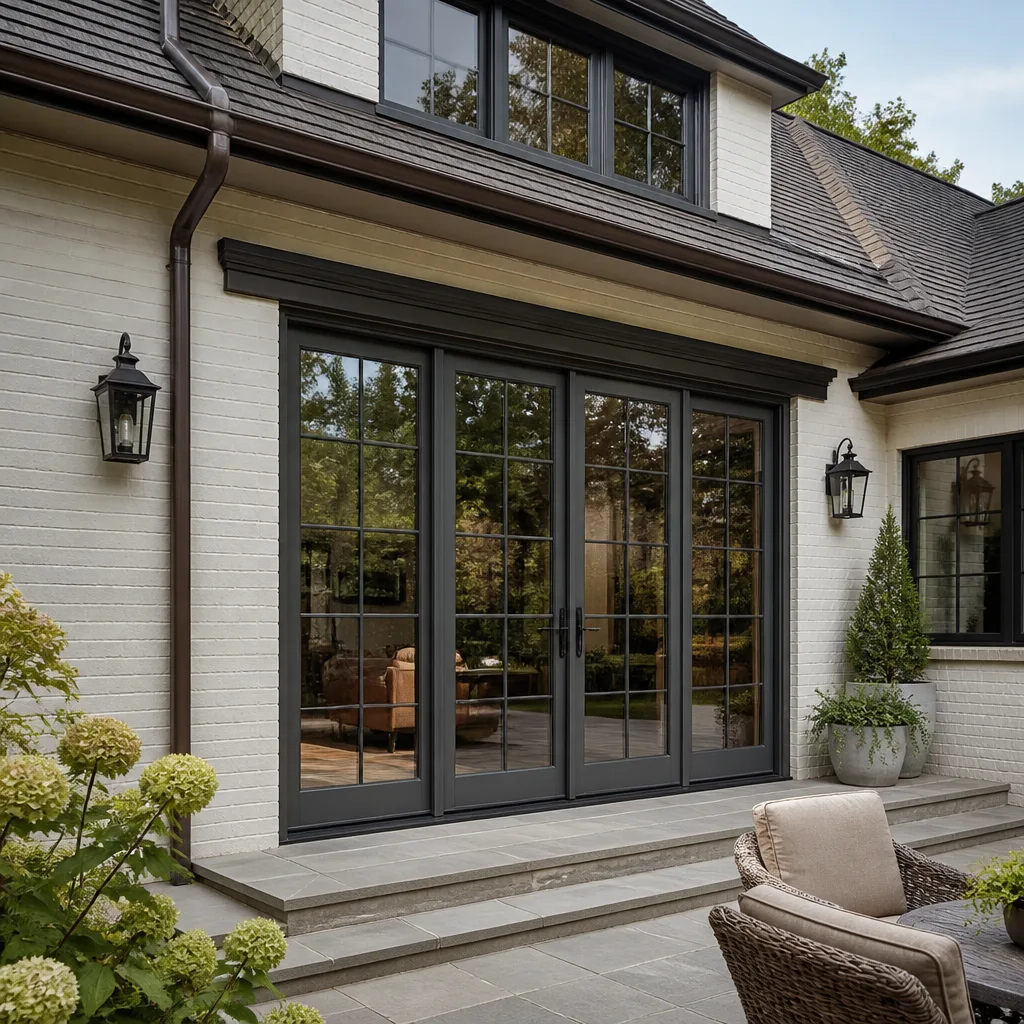
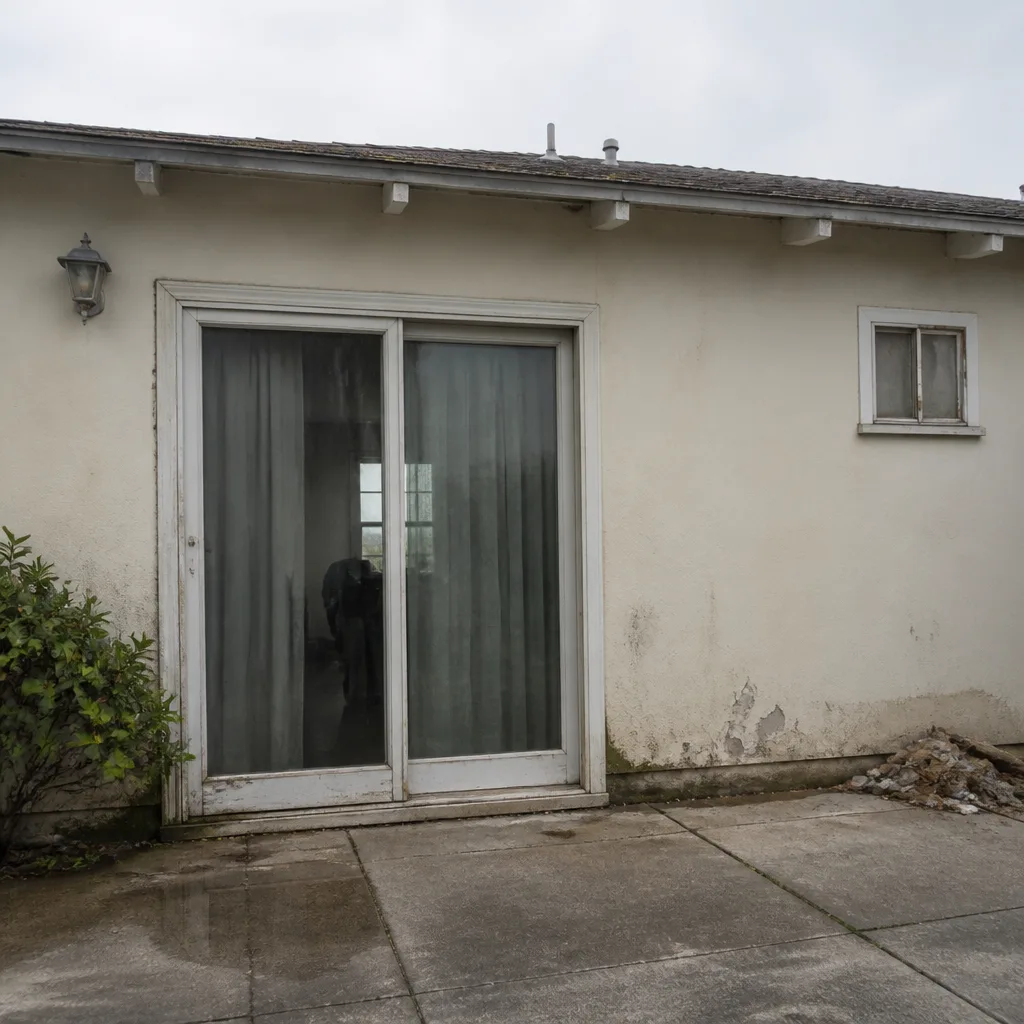 Before
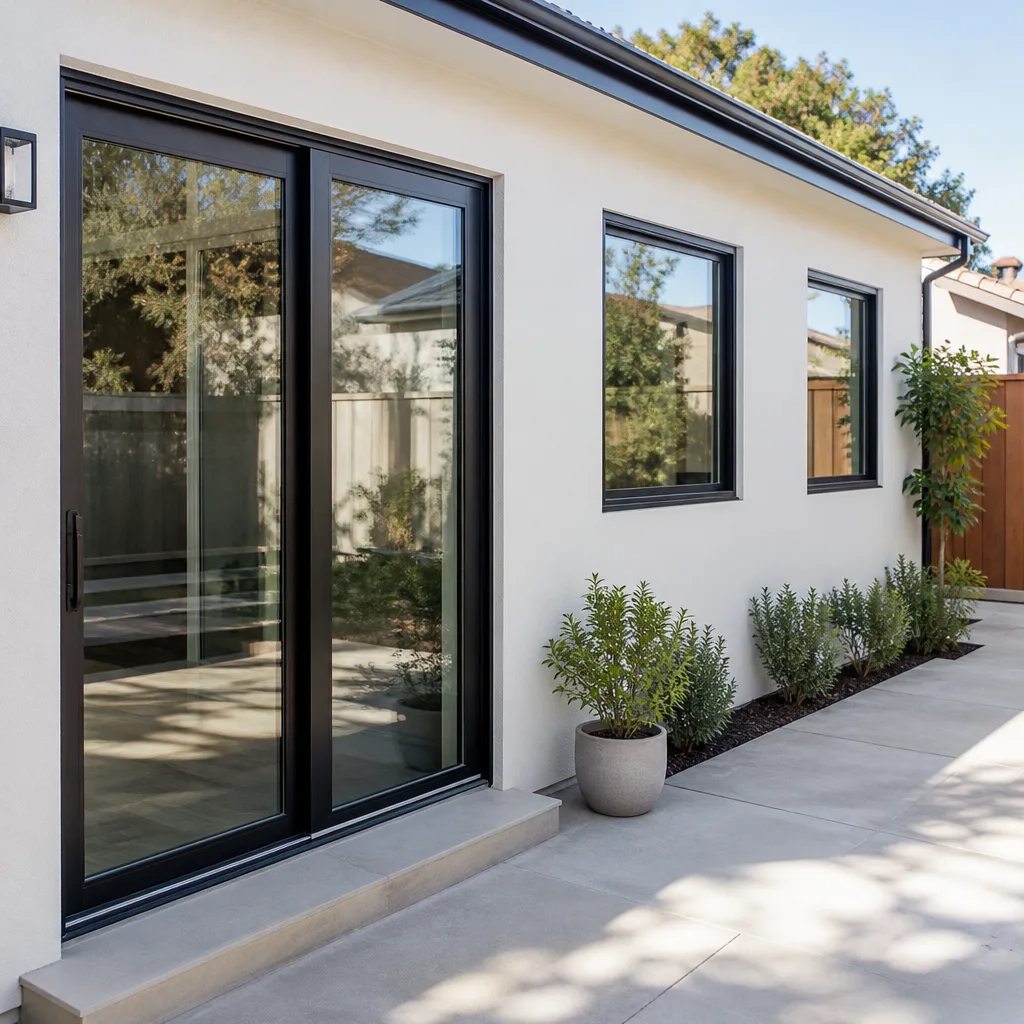 After
After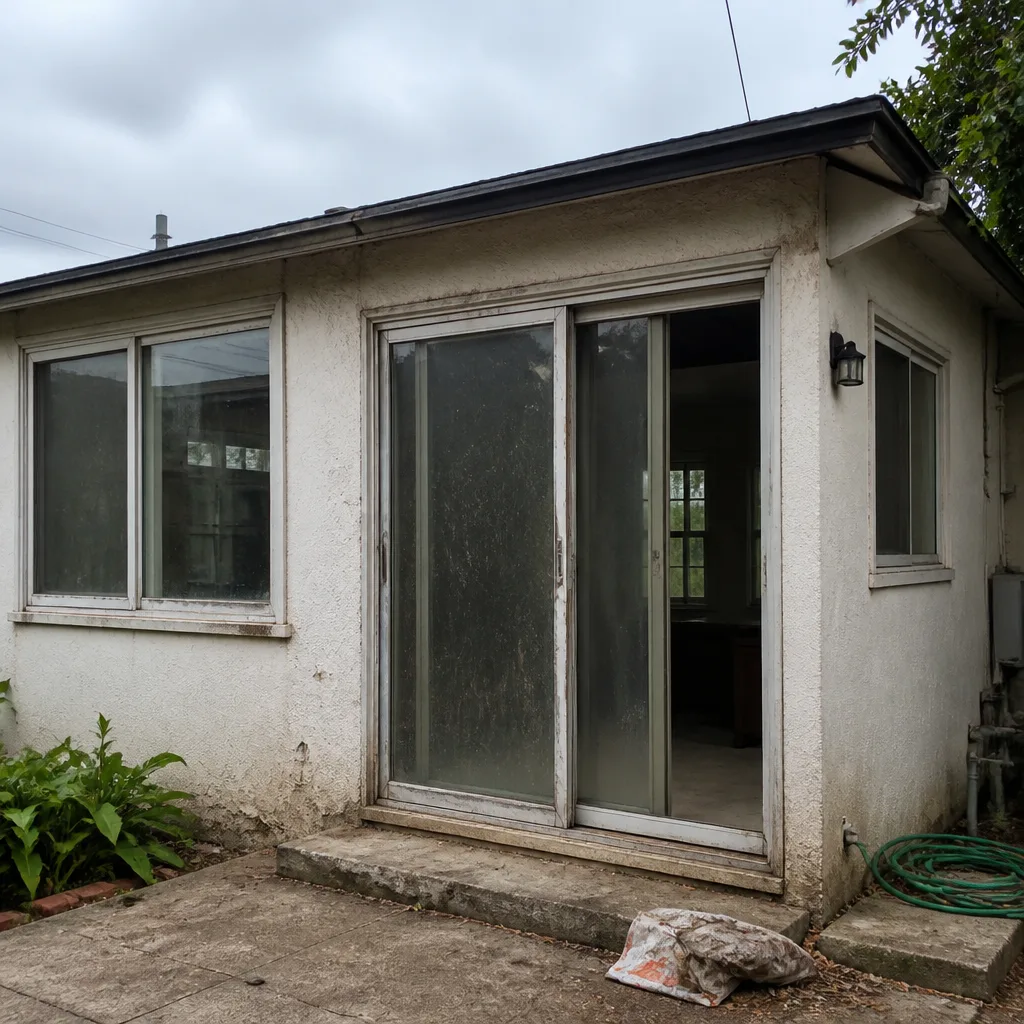 Before
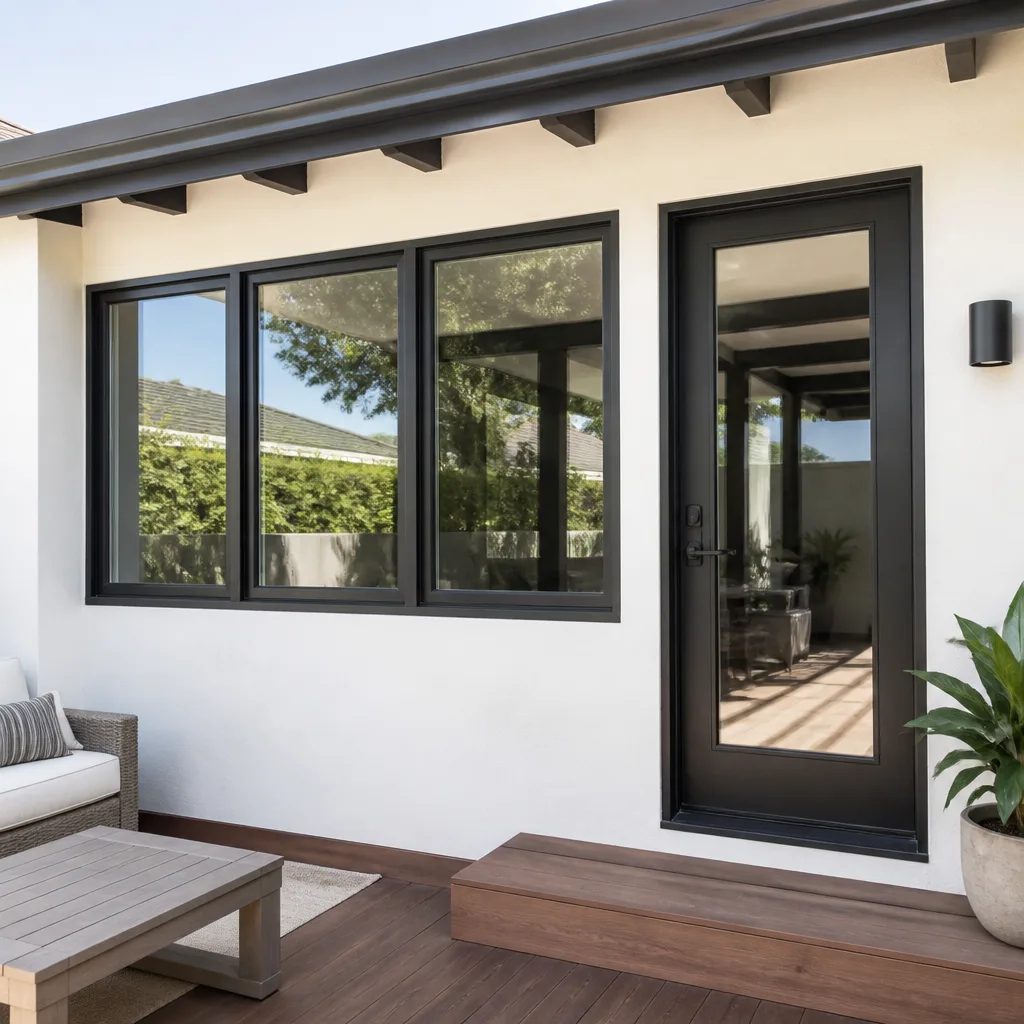 After
After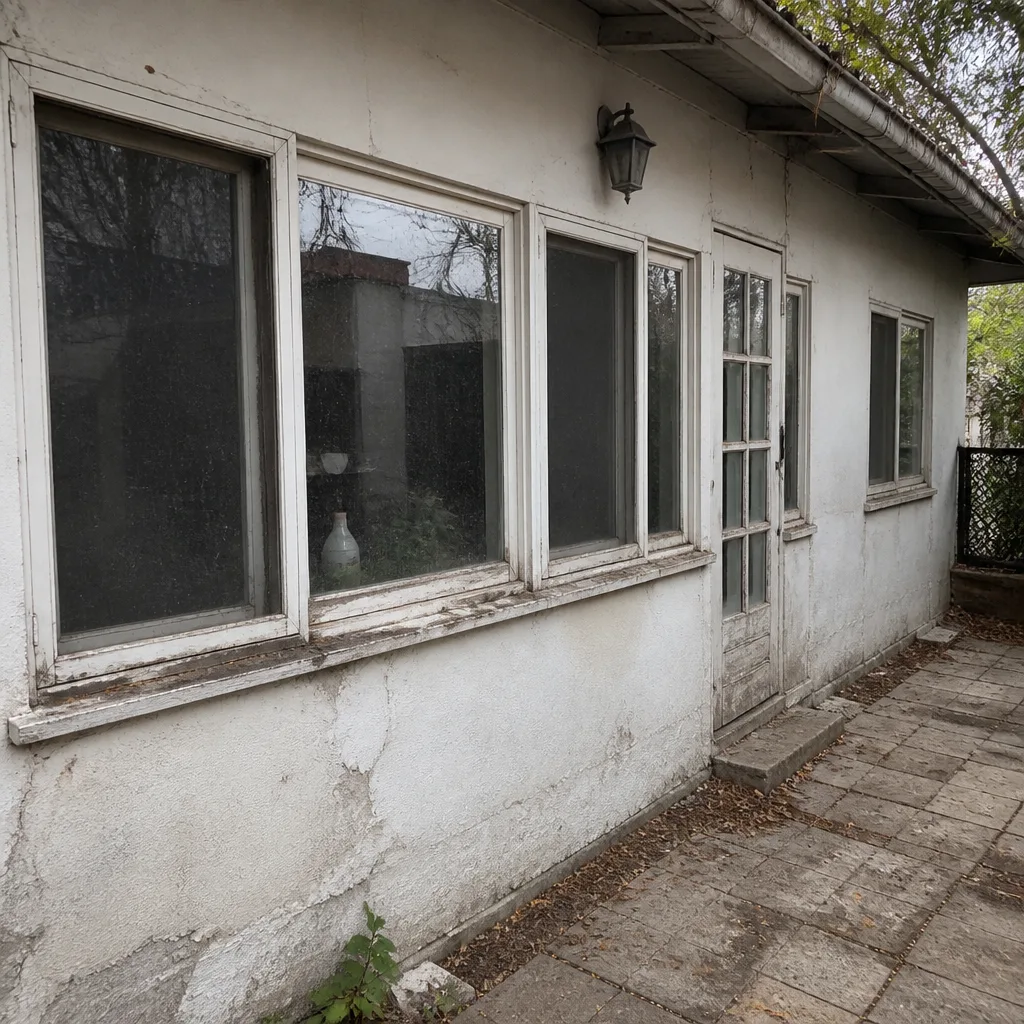 Before
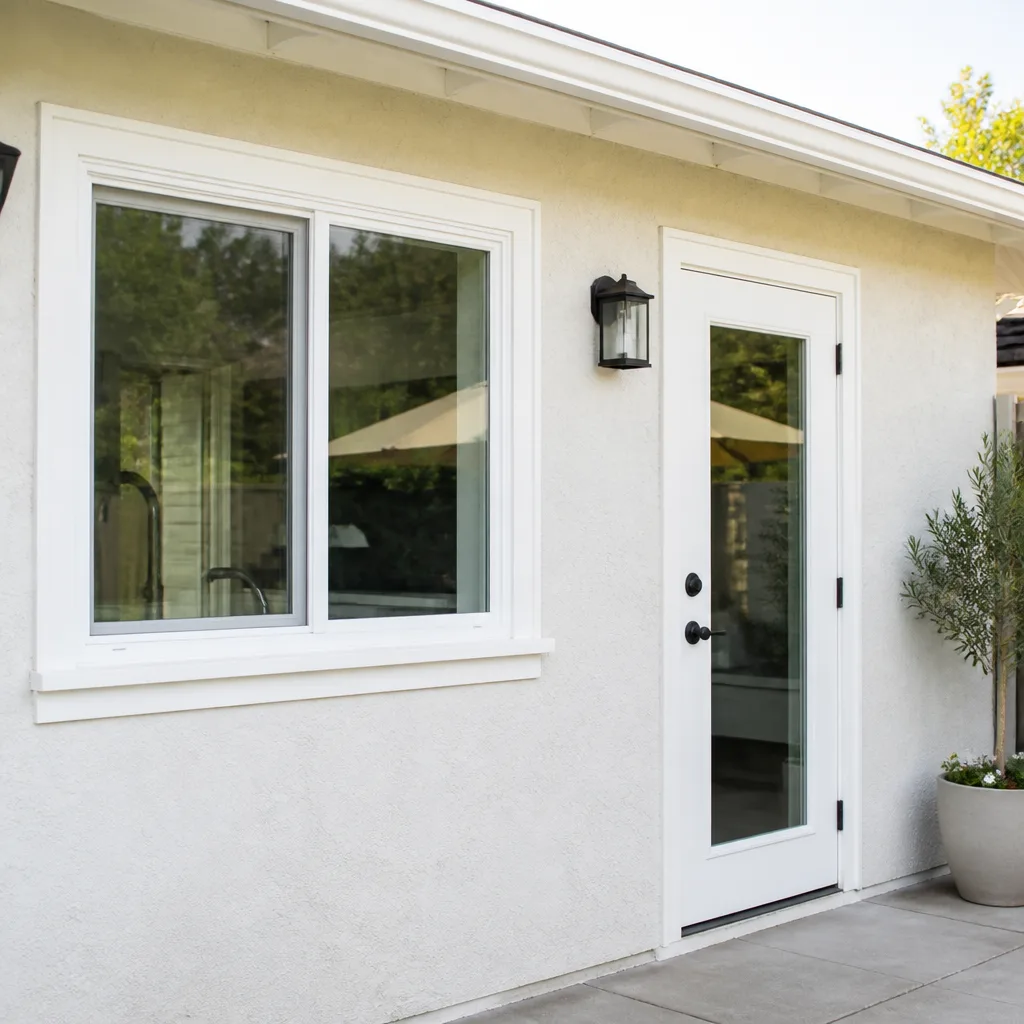 After
AfterWindows & Doors Permits, Codes & Inspections in CA: What You Need to Know
Most California homeowners only discover the permit problem when it’s already expensive: during escrow, when an inspector flags unpermitted windows, or after a fire, when an insurance adjuster spots the missing paperwork. The truth is that California has three overlapping rulebooks for windows and doors - the state energy code, your local building department’s rules, and in parts of Los Angeles, fire-hardening ordinances - and they don’t always agree with each other. This guide - along with our Windows & Doors Warning Signs: A Los Angeles Homeowner’s Reference Guide - explains exactly which rules apply to your project, what happens if they were ignored, and how to fix it without tearing out your windows. We’ll walk through LA specifics because that’s where we work every day.
Quick Answer
In California, replacing a window or exterior door typically requires a building permit, and the work must meet Title 24 energy standards. In Los Angeles neighborhoods mapped inside a Very High Fire Hazard Severity Zone, you’ll also need fire-rated glazing and frames. The permit triggers an inspection, and failing to get one creates problems that surface at sale, during insurance claims, or when a neighbor files a complaint.
Table of Contents
- When a Permit Is Required (and When It Isn’t)
- Title 24 Energy Code: What It Actually Demands
- Fire Zones and LA’s VHFHSZ Rules
- What an LADBS Window and Door Inspection Looks For
- What Happens When Previous Owners Skipped the Permit
- Santa Monica, Pasadena, West Hollywood: Why Each City Is Different
- Permit Costs and Timelines in Los Angeles
- Common Mistakes to Avoid
- When to Call a Professional
- Frequently Asked Questions
- The Bottom Line
When a Permit Is Required (and When It Isn’t)
The short version: if you are changing the size of the opening, moving a window, or replacing an exterior door with a different size, you need a permit. Period. If you are swapping out a window for a new one in the exact same opening - same width, same height, same rough opening - the rule gets murkier, and that’s where LA homeowners get burned.
The Los Angeles Department of Building and Safety (LADBS) considers a replacement window a structural alteration under most circumstances. The California Building Code requires a permit for any work that involves cutting, removing, or modifying exterior wall framing. Even a same-size window replacement usually involves removing the old window’s nailing flange, which is anchored to the framing. LADBS treats that as work requiring a permit.
There is a narrow exception. If you are repairing a window component - replacing broken glass in an existing sash, swapping out hardware, restoring a rotted sill without altering the opening - that’s maintenance, not replacement. No permit needed. But as soon as the entire window unit comes out of the wall, you’re outside the exception.
- Same-size window swap in existing opening: Permit required in Los Angeles. Some smaller California cities allow this without a permit, but LA does not.
- Changing a window to a door (or widening a door opening): Permit required. This is structural work, and it changes egress path, shear wall integrity, and possibly header load.
- Replacing a sliding glass door with a new one in the same opening: Permit required. Same logic as a window replacement.
- Replacing an entry door in the same rough opening, same swing direction: Permit required, though it’s often approved over-the-counter with minimal review.
- Replacing broken glass only: No permit required. This is a repair.
- Installing a new window where none existed before: Permit required. Full plan review, framing inspection, the works.
At Westlight Windows & Doors, every full window replacement we do in Los Angeles follows the permitting path - we pull the permit ourselves, handle the scheduling, and meet the inspector on site. It’s slower than skipping it. It’s also the only way that survives a resale inspection.
Title 24 Energy Code: What It Actually Demands
Title 24 is California’s energy efficiency standard, and it applies to every new window and exterior door installed anywhere in the state. The code sets minimum performance ratings for two things: U-factor, which measures how well the window resists heat loss, and Solar Heat Gain Coefficient (SHGC), which measures how much solar heat passes through the glass. In a place like Los Angeles, with hot summers and mild winters, you want a low SHGC to keep air-conditioning costs down. In colder climate zones, you’d prioritize a lower U-factor instead.
The key number for LA homeowners: any new window in Climate Zone 6 (which covers most of coastal and central Los Angeles) must have a U-factor of 0.40 or lower and an SHGC of 0.25 or lower when the window is not on a north-facing wall. Windows on north-facing walls get a slightly looser SHGC allowance. This is why generic “builder-grade” windows sometimes fail Title 24 review in LA - they meet federal standards but miss California’s stricter bar.
There’s a ‘like-for-like’ exception that gets misquoted constantly. It applies when you are repairing a window, not replacing it. If the frame stays, the sash stays, and only the glass is being swapped, you may not trigger a full Title 24 compliance review. But if the entire window unit comes out and a new one goes in, that’s a replacement - and it must meet current Title 24, even if the old window was way out of compliance. A 1960s single-pane window cannot be “like-for-like” replaced with another single-pane. That window is gone, and whatever goes back in must meet 2023-era energy standards.
We stock eight manufacturer lines at Westlight Windows & Doors precisely because Title 24 compliance isn’t one-size-fits-all - a topic we cover in depth in Choosing the Right Windows & Doors Brand: A Buyer’s Guide for Los Angeles. A homeowner in Sherman Oaks with a west-facing wall of glass needs a different SHGC than a homeowner in a shaded canyon in Silver Lake. ECO Window Systems builds some of the most Title 24-friendly vinyl windows we install, and PGT’s impact-rated line covers the fire and energy requirements in one product. The point is: the right product for the job depends on your specific wall orientation, climate zone, and local overlay codes.
Fire Zones and LA’s VHFHSZ Rules
This is where Los Angeles gets genuinely complicated. The city has mapped large swaths of its hillside and canyon neighborhoods as Very High Fire Hazard Severity Zones (VHFHSZ). These zones include big portions of Bel Air, Brentwood, Pacific Palisades, Encino, Tarzana, Studio City, Sherman Oaks, Los Feliz, and much of the San Fernando Valley’s hillside edges. If your parcel sits inside a VHFHSZ, your window and door replacement must meet additional fire-hardening standards under Chapter 7A of the California Building Code - and those standards apply on top of Title 24.
The fire-zone rules change what products you can install. In a VHFHSZ, windows must be dual-pane with at least one pane of tempered glass, and frames must be metal, metal-clad wood, or fire-rated vinyl. Exterior doors in these zones must be solid-core wood (minimum 1-3/8 inches thick), metal, or fiberglass. No hollow-core doors. No single-pane windows. No untreated wood frames. These are not suggestions; they’re enforced by the LADBS inspector at the framing and final inspection.
You can check your parcel’s VHFHSZ status on the LADBS website, under the “Zone Information & Map Access” (ZIMAS) portal. Type in your address and look for the “Very High Fire Hazard Severity Zone” designation in the property report. If it says yes, your window and door project just got more expensive - fire-rated glazing and frames run 15-30% more than standard units. But skipping the requirement is worse. After a fire, an insurance adjuster who finds non-compliant windows in a VHFHSZ house can deny a claim on the grounds that the homeowner failed to maintain the property to code.
We’ve done enough VHFHSZ work in the hills above Studio City and Sherman Oaks to know the inspection rhythm: the inspector will check the glazing stamp on the corner of the glass, look for the tempered-glass bug (the small etched label in the corner), and confirm the frame material. If the paperwork doesn’t match what’s installed, the job fails. We carry fire-rated product lines from CGI and CWS specifically because they make the compliance path straightforward in these zones.
What an LADBS Window and Door Inspection Looks For
Once the permit is pulled and the windows are in, LADBS sends an inspector to verify the work. The inspection usually covers five checkpoints, and two of them are where most jobs fail first inspection.
- Flashing and waterproofing: The inspector checks that the rough opening is properly flashed before the window goes in - meaning the perimeter has a weather-resistant barrier (building paper or Tyvek), sill pan flashing under the window, and head flashing above it. This is the most common first-inspection failure. If the inspector can’t see flashing, they fail the job.
- Anchor fastening: The window or door must be anchored to the framing with the correct fastener type and spacing, per the manufacturer’s installation instructions. Nail-on flanges need fasteners every 6-8 inches. Buck-mounted installations in stucco need different anchoring. Inspectors check this.
- Glazing and glass type: The inspector verifies the glass stamps and that the installed unit matches the submitted product approval. In VHFHSZ zones, they check for tempered glass and fire-rated frames.
- Fire blocking and air sealing: The gap between the window frame and rough opening must be insulated and sealed. A visible gap that’s just stuffed with loose fiberglass fails.
- Egress compliance: For bedrooms, the inspector confirms the window’s clear opening meets the 5.7-square-foot minimum egress requirement, with the sill no more than 44 inches off the floor.
The second most common failure is a mismatch between what was submitted on the permit and what got installed. If the permit says “vinyl window, dual-glazed, low-e” and the installer put in a standard double-pane without low-e coating, the inspector fails the job and the homeowner is stuck replacing the replacement. Low-e glass (a thin coating that reflects heat back into the room in winter and out in summer) is the standard for Los Angeles installs, and it’s got to be in the product listing from the start.
One honest note: LADBS inspections for window replacements are often done after the fact - the window is installed, then the inspector comes. That means getting the flashing right the first time matters. Once the trim is on, an inspector isn’t going to let you peel back stucco to show the flashing. The Kingswell Way is to take photos of every step before the trim goes on, so if the inspector has questions, we can show exactly what’s under the wall. That habit has saved our customers from re-inspection fees more times than we can count.
What Happens When Previous Owners Skipped the Permit
This is the scenario we hear about most at Westlight Windows & Doors, because it usually comes up during escrow. The buyer’s inspector notices that all the windows in the house are newer than the house, but there are no permits on file with LADBS. The sale stumbles, and either the seller fixes it or the price gets renegotiated. Unpermitted window work in Los Angeles is one of the most common escrow complications, right after unpermitted bathroom additions and garage conversions.
Your liability as the current owner depends on when the work was done and whether the work would have been code-compliant at the time. If the previous owner replaced windows 10 years ago without a permit, and the windows don’t meet current Title 24, you have two problems: the missing permit and the non-compliant product. You can’t get a retroactive permit for work that wouldn’t pass today’s code - the windows would need to come out and be replaced.
If the unpermitted windows do meet current code, the process is more forgiving. You file a retroactive permit application with LADBS, pay the permit fee (plus a penalty, typically double the standard fee for work done without a permit), and schedule an inspection. The inspector comes out, verifies the windows meet code and were installed correctly (often this means partial removal to check flashing), and if they pass, the permit is issued retroactively. The work is now legal, the escrow can close, and the cloud on the title resolves.
The costs vary. A retroactive permit for a full window replacement on a 3-bedroom Los Angeles home typically runs $500-$1,500 in LADBS fees, plus the penalty. If the windows fail inspection and need replacement, the homeowner is looking at $15,000-$40,000 for a full-house window replacement. That’s the worst-case scenario, and it happens more often than you’d think.
Santa Monica, Pasadena, West Hollywood: Why Each City Is Different
Los Angeles County has 88 cities, and about 30 of them run their own building departments. It’s not a unified system. Here’s what changes from city to city when it comes to window and door permits.
- Santa Monica: The City of Santa Monica Building and Safety Division requires permits for all window and exterior door replacements, same as LADBS. But Santa Monica adds a Climate Action and Adaptation Plan overlay that tightens energy efficiency requirements beyond Title 24 baseline. Practically, this means windows in Santa Monica often need lower SHGC ratings than the same window installed two miles east in West LA.
- Pasadena: Pasadena Building & Safety issues its own permits, and the city adds design-review requirements for any visible exterior change in designated historic districts - which includes much of Bungalow Heaven and the area around the Gamble House. Replacing wood windows with vinyl in a Pasadena historic district will pull you into a design-review hearing. Even outside historic zones, Pasadena’s window replacement inspections are known for being strict about the flashing detail.
- West Hollywood: West Hollywood has its own building department, and it enforces a tenant-protection ordinance that affects any window replacement in multi-family buildings. For single-family homes, the rules track LADBS closely, but the submittal package is slightly different: West Hollywood wants a window schedule (a table showing every window location, size, product type, and U-factor/SHGC rating) with the initial application, whereas LADBS will often accept that at the inspection stage.
The practical takeaway: if you live in an incorporated city with its own building department, don’t assume LADBS rules apply. And if you’re hiring a contractor for window work in Los Angeles, ask whether they’ve pulled permits in your specific city recently. Most contractors have; a surprising number haven’t. At Westlight Windows & Doors, we pull permits in LADBS and all the independent city departments around LA - Santa Monica, Pasadena, West Hollywood, Burbank, Glendale, and Torrance included - and we’ve learned the submittal differences the hard way so customers don’t have to.
Permit Costs and Timelines in Los Angeles
What should you budget for permits, and how long will it take? In Los Angeles, the answer depends on whether the job is a simple same-size replacement or a new opening.
A standard same-size window replacement on a single-family home in LADBS territory runs a permit fee of roughly $200-$450, depending on the declared valuation of the work. A whole-house window replacement (12-18 windows) typically lands between $500-$1,200 in LADBS permit fees. A new window or new door opening - meaning framing, header work, and possibly stucco patch - jumps to $1,500-$3,500 in fees plus plan review time.
Timelines vary. An over-the-counter same-size replacement can be reviewed and issued in a single visit to LADBS, often same-day if your paperwork is clean. A project requiring plan review (new openings, changed structural headers, egress changes) takes 2-6 weeks for review in Los Angeles, depending on workload. Inspection scheduling is usually 3-10 business days out. Budget 4-8 weeks total from permit application to final inspection for a typical whole-house window replacement in Los Angeles.
For the record: every Westlight Windows & Doors quote includes the permit cost as a line item, so there’s no question about who’s paying for what. We hand customers a written price before any work begins. That’s the Kingswell Guarantee - the price we quote is the price you pay, with the permit fee, the labor, and the products all named on one page.
Common Mistakes to Avoid
- Skipping the permit because “it’s just windows.” LADBS classifies window replacement as structural work. It’s not “just windows.” An unpermitted install can block a sale, complicate insurance, and cost more to fix later than the permit would have cost upfront.
- Using a contractor who won’t pull the permit. A contractor who suggests you get the permit yourself “to save money” is signaling they don’t want their name on the job with LADBS. That’s a red flag, not a favor.
- Buying windows online and hiring a handyman to install them. If the product doesn’t meet Title 24, the inspector will fail it no matter how cleanly it’s installed. Then you’ve paid for the window twice.
- Assuming your house isn’t in a fire zone. Hillside neighborhoods across Los Angeles are in VHFHSZ, and the designation isn’t obvious from street level. Check the ZIMAS portal before you order windows.
- Hiding unpermitted work from buyers. In California, sellers are legally required to disclose unpermitted work. Failing to do so can trigger a post-sale lawsuit and rescission of the deal.
- Not checking whether your city has its own building department. Santa Monica, Pasadena, West Hollywood, Glendale, Burbank, and dozens of others issue their own permits. LADBS rules don’t automatically apply.
- Confusing “repair” with “replacement.” Replacing glass is a repair. Replacing the window unit is a replacement. The permit threshold is at the unit level, and most people guess wrong.
When to Call a Professional
If your window project involves moving or enlarging a window opening, replacing all the windows in a house, installing a new exterior door where there wasn’t one, or doing anything in a hillside fire zone, you should have a licensed contractor handling the permit and installation. These are jobs where a missed flashing detail or a non-compliant glazing choice becomes a problem you can’t see until it’s too expensive to fix. You can replace a pane of glass yourself. You shouldn’t pull a structural permit on your own house and act as your own general contractor unless you’ve done it before.
Westlight Windows & Doors offers free estimates in Los Angeles - and if you’re not sure whether your project needs a permit, call (903) 354-7134 and we’ll tell you straight. No charge for the conversation.
Frequently Asked Questions
A basic same-size window replacement permit in Los Angeles costs roughly $200-$450 per window through LADBS, while a whole-house replacement typically runs $500-$1,200 in total permit fees. Projects requiring new openings, changed headers, or plan review run higher. Call (903) 354-7134 and we’ll give you the exact permit cost for your project as part of a written estimate.
Yes, replacing an exterior door in California requires a building permit because the door is part of the building envelope. Even a same-size door swap in Los Angeles should be permitted through LADBS. The fee is usually lower than a window permit because there’s less structural review involved, but the requirement is the same.
Title 24 requires new windows in Los Angeles (Climate Zone 6) to have a U-factor of 0.40 or lower and a Solar Heat Gain Coefficient of 0.25 or lower on most elevations. Windows on north-facing walls get a slightly higher SHGC allowance. The easiest way to check compliance is to confirm the product has the NFRC label printed on the glass showing the ratings.
You can sell it, but you must disclose the unpermitted work to buyers, and most buyers will demand the permit be obtained retroactively or the price reduced. A retroactive permit through LADBS costs the standard fee plus a penalty, and the windows must pass inspection to current code. If they don’t pass, they come out and get replaced.
If your Los Angeles property is in a VHFHSZ, replacement windows must be dual-pane with at least one pane of tempered glass, and frames must be metal, metal-clad wood, or fire-rated vinyl. Exterior doors must be solid-core wood (1-3/8 inches minimum), metal, or fiberglass. The inspector will verify the glass stamp and frame material at inspection. Call (903) 354-7134 to confirm your property’s fire-zone status and get a compliant window quote.
A same-size window replacement permit can be issued over-the-counter at LADBS in a single visit, often same-day. New openings or projects requiring plan review take 2-6 weeks for review. Inspections are usually scheduled within 3-10 business days of request. Budget 4-8 weeks total for a whole-house window project from application to final sign-off.
The Bottom Line
In California, permits for windows and doors aren’t optional paperwork - they’re the mechanism that keeps your house legal, insurable, and salable. Los Angeles layers energy code, local building rules, and hillside fire-zone requirements into a system that confuses even experienced homeowners. But the fix is simple once you know the rules: pull the permit, install Title 24-compliant products, meet the fire-zone standard where it applies, and pass the inspection. Work with a contractor who does it the right way the first time. If you want a second set of eyes on your window project - or a written estimate with no surprises - Westlight Windows & Doors is here in Los Angeles and happy to help. Call (903) 354-7134.
Written by Owen Satterfield, Owner at Westlight Windows & Doors, serving Los Angeles since 2009. Explore more guides & resources from our team.
Window Installation in Los Angeles | Door Installation in Los Angeles