
Last updated October 8, 2026
Free in-home measure and quote - PGT, CGI and CWS impact lines compared on your actual openings, style by style
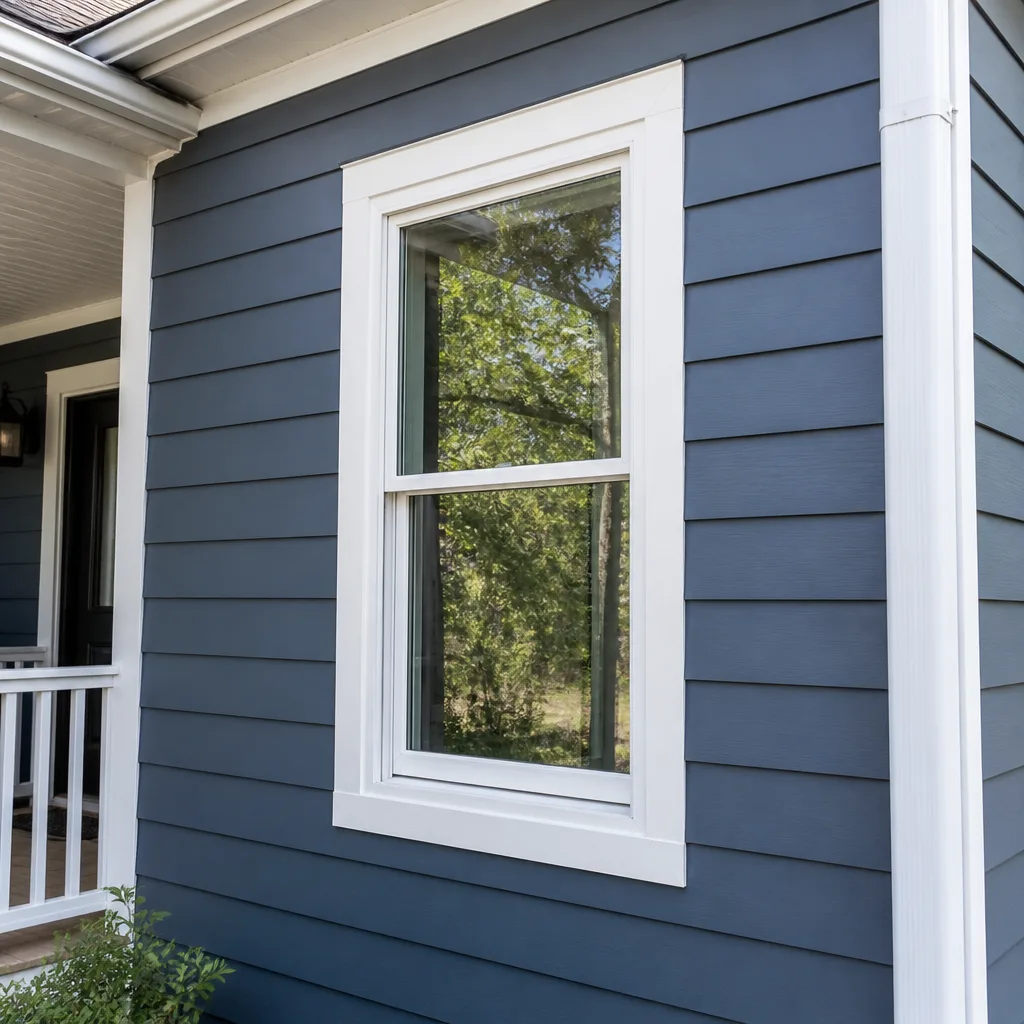
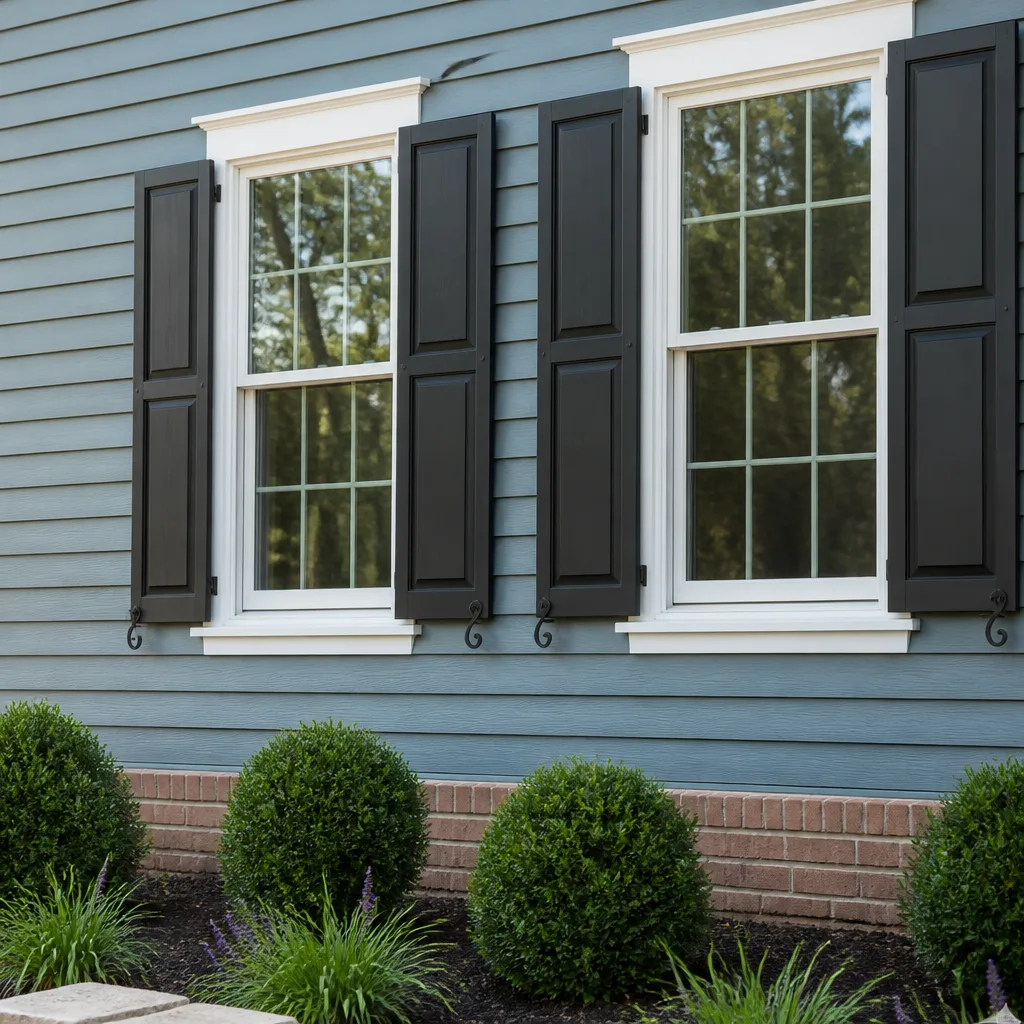
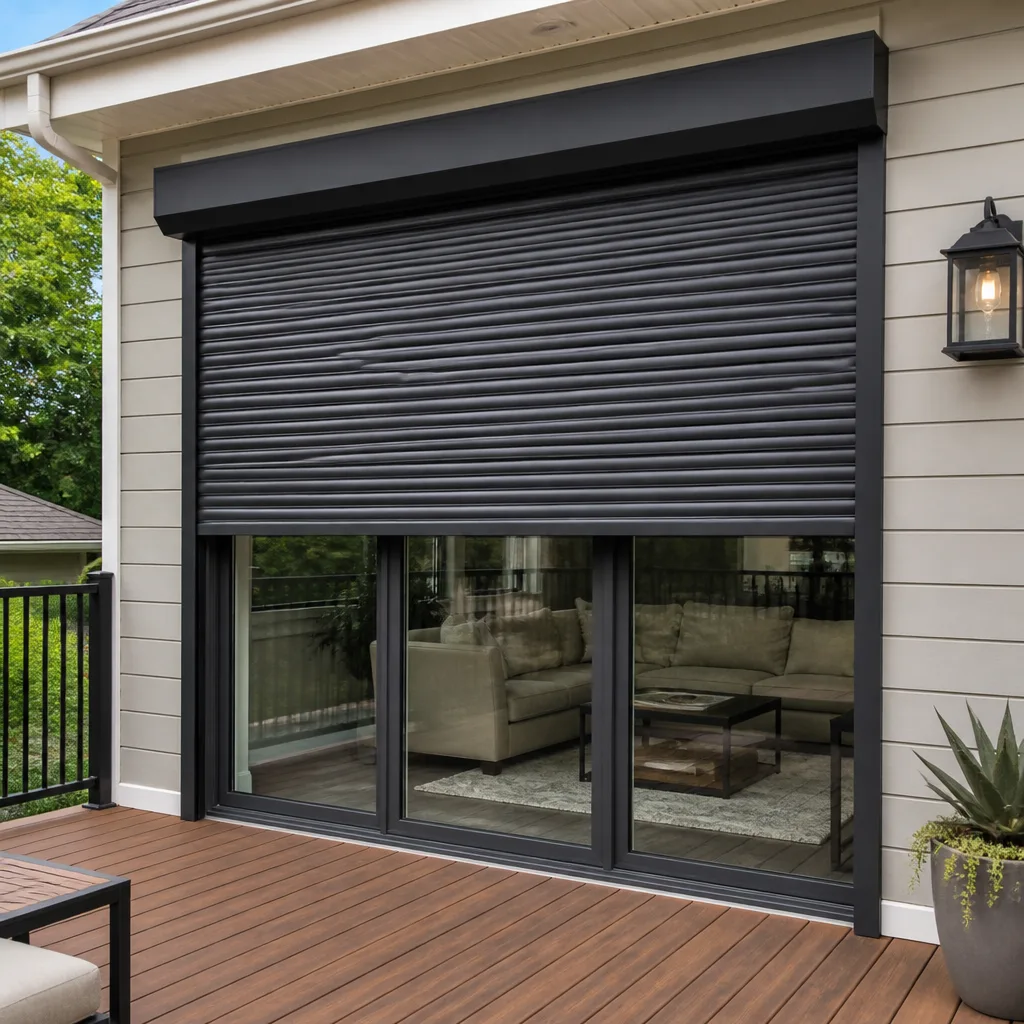
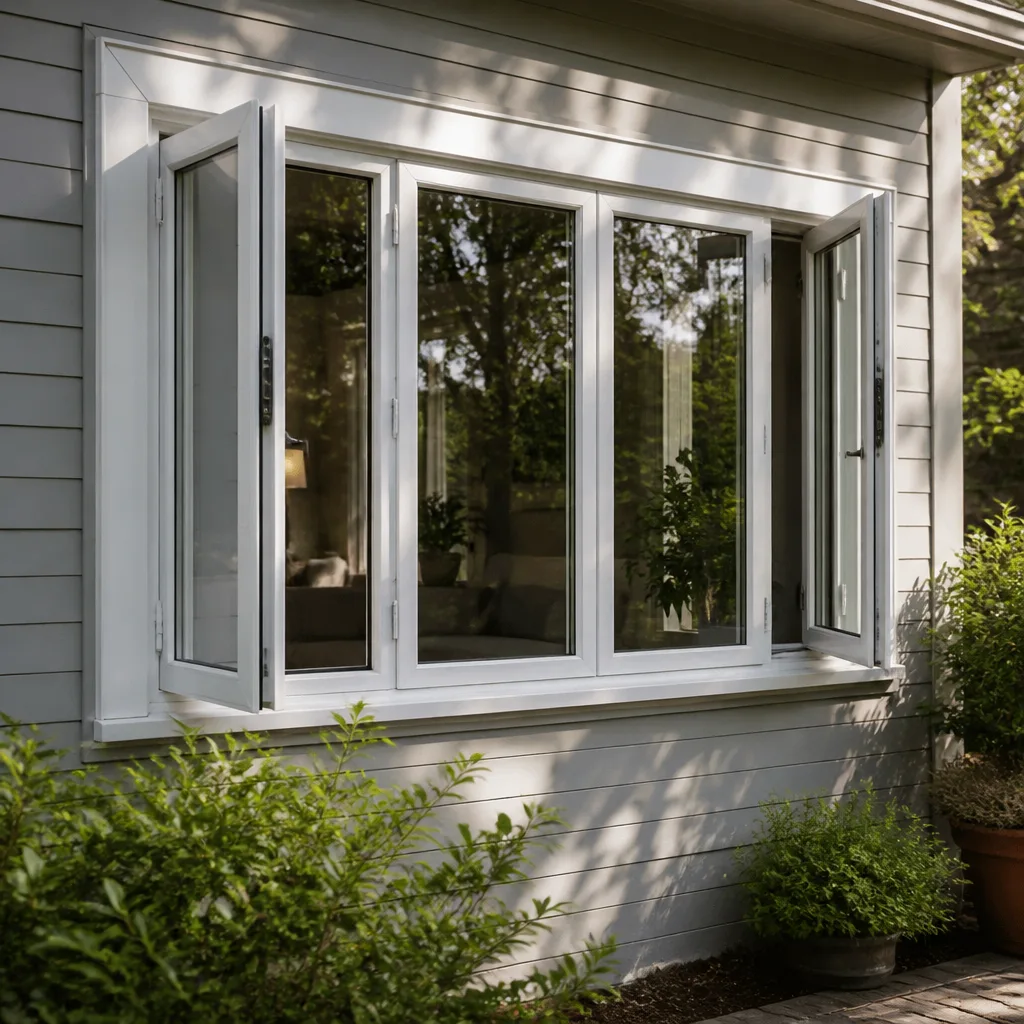


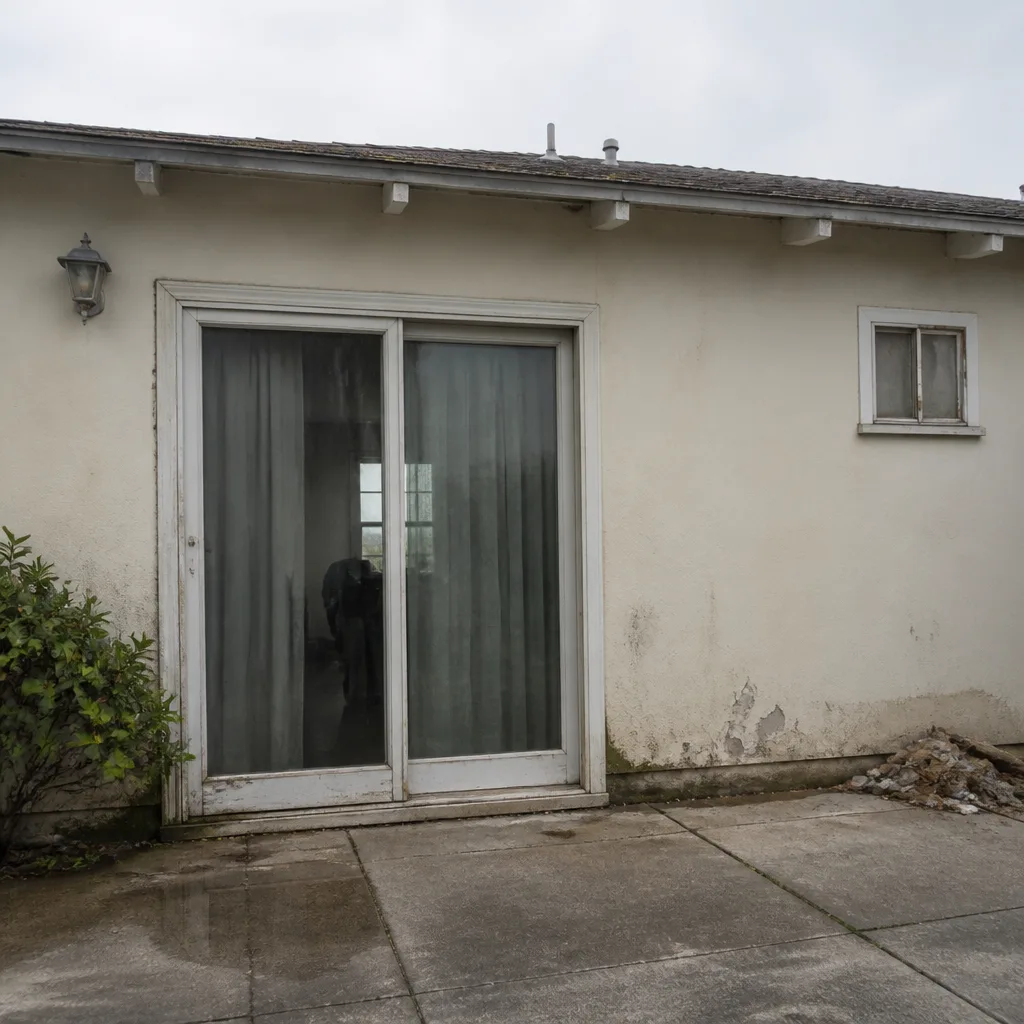 Before
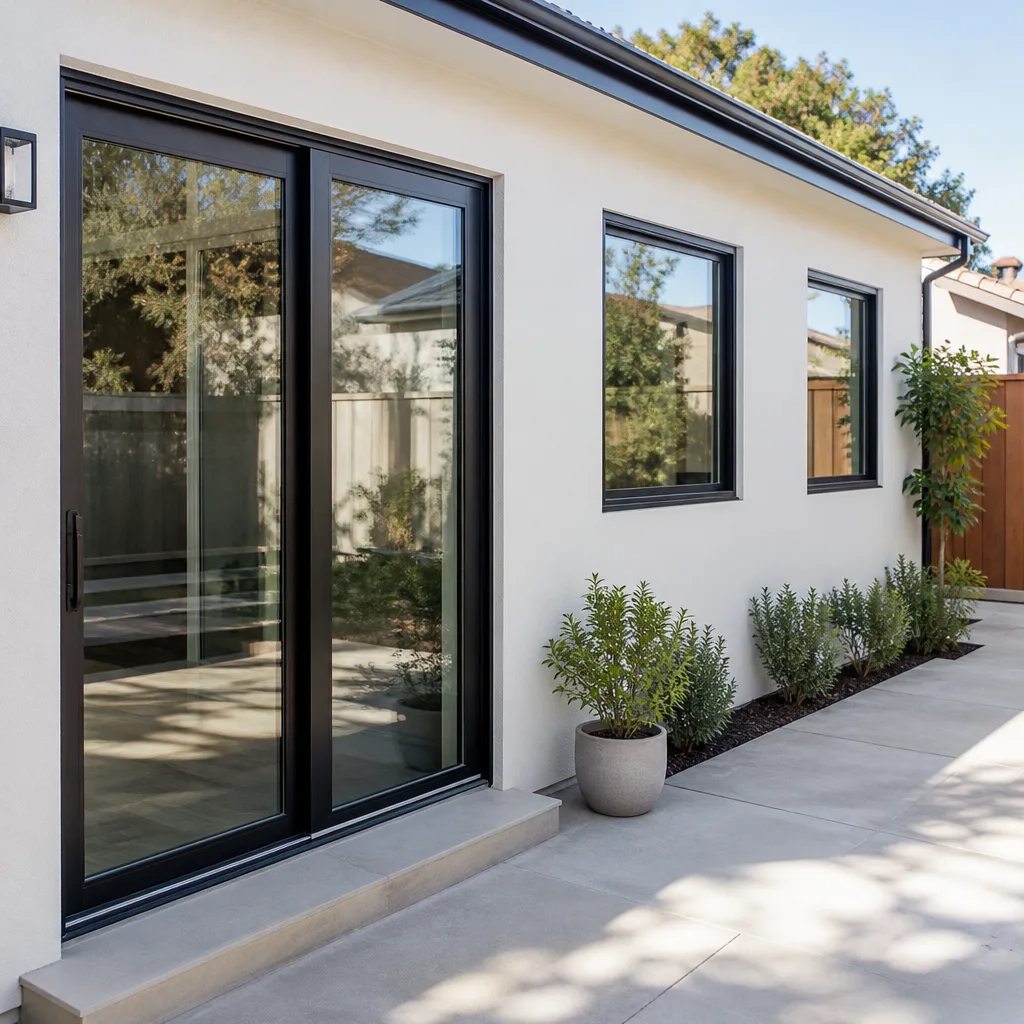 After
After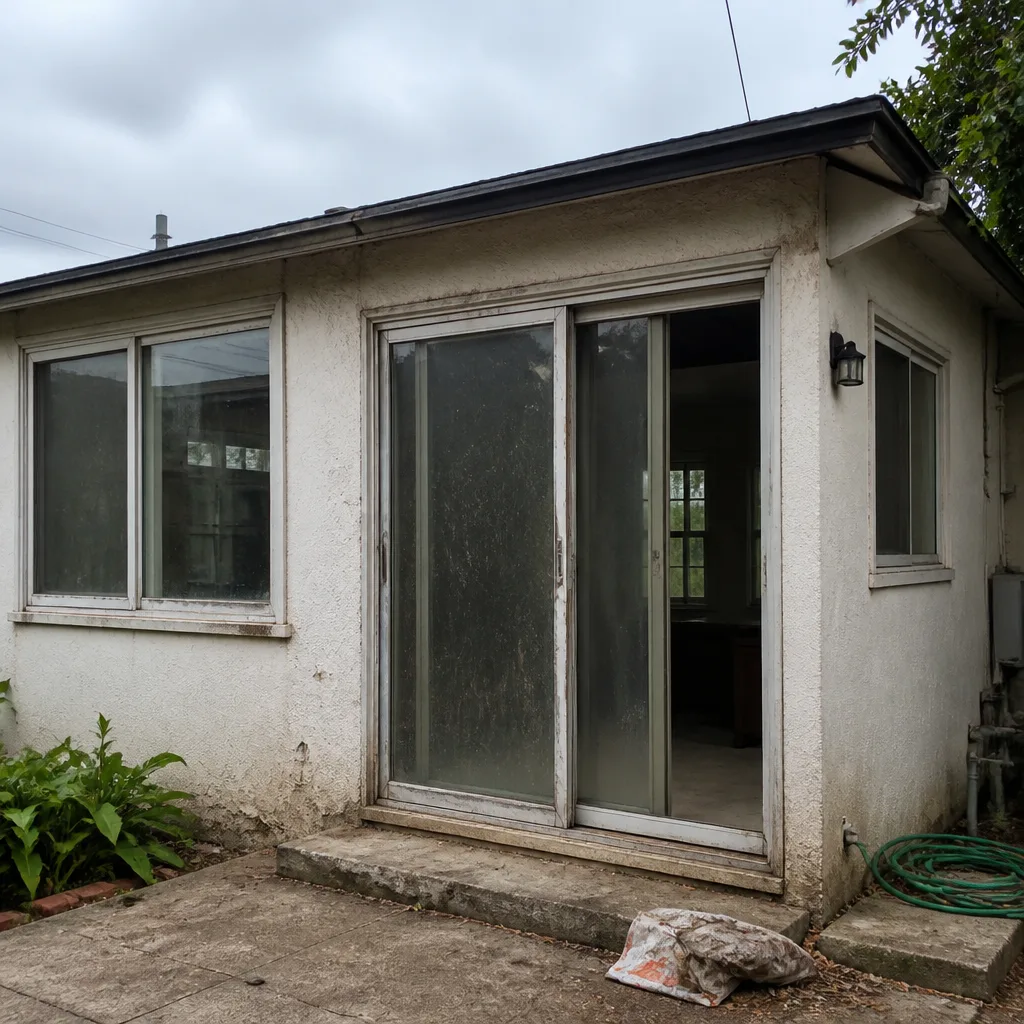 Before
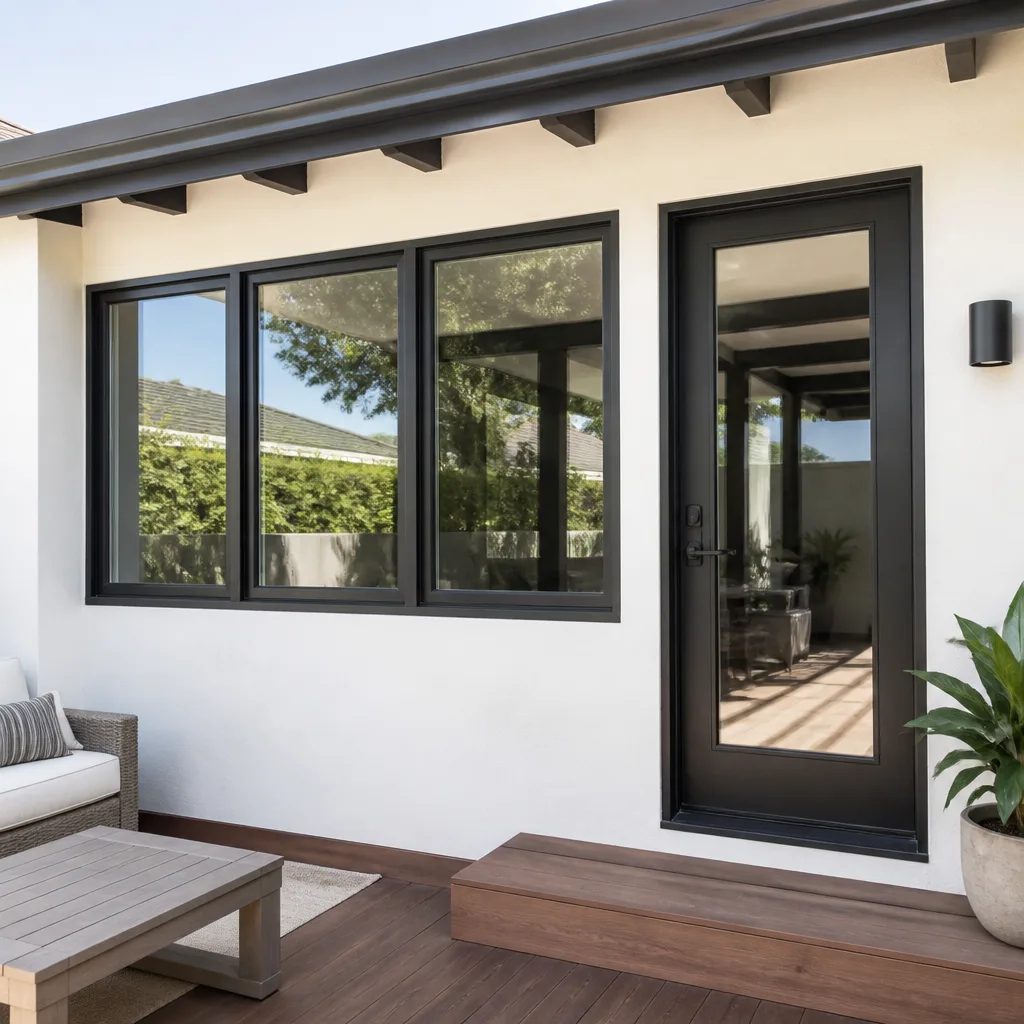 After
After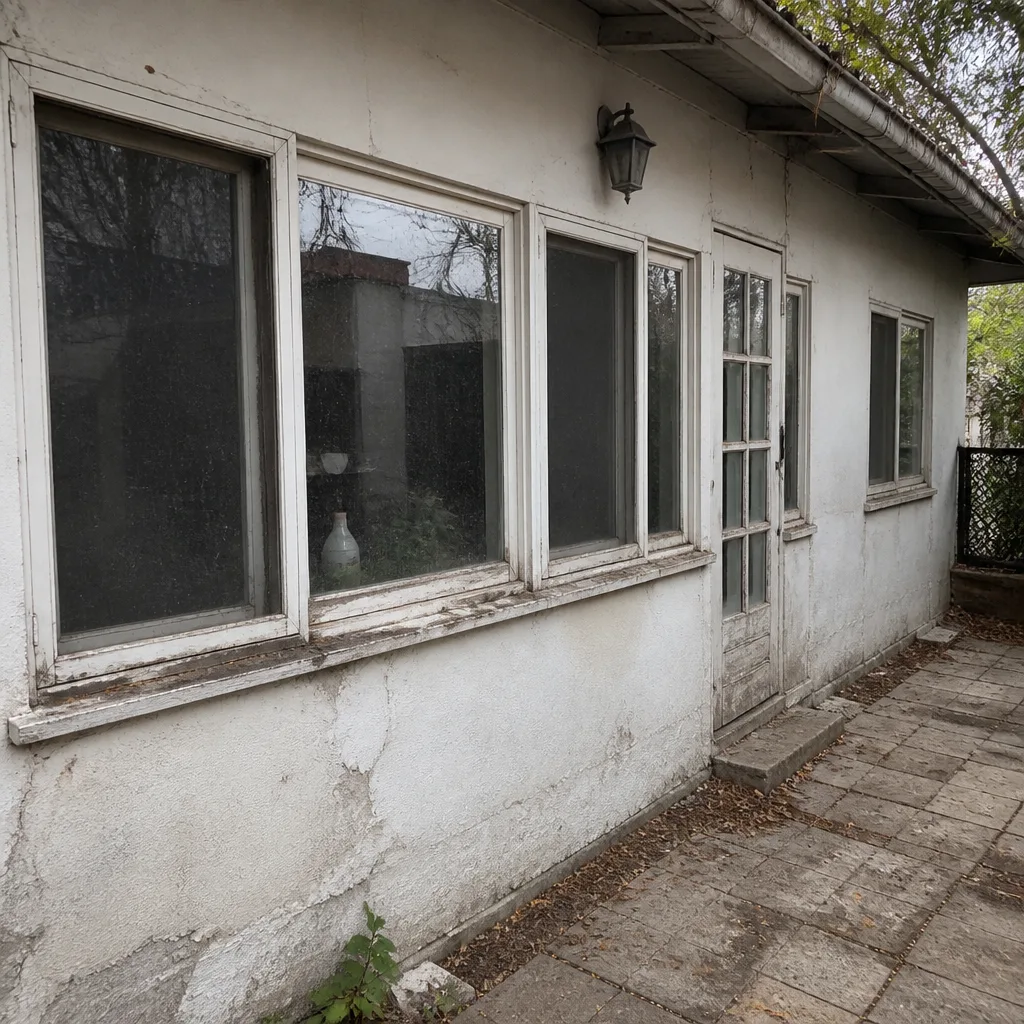 Before
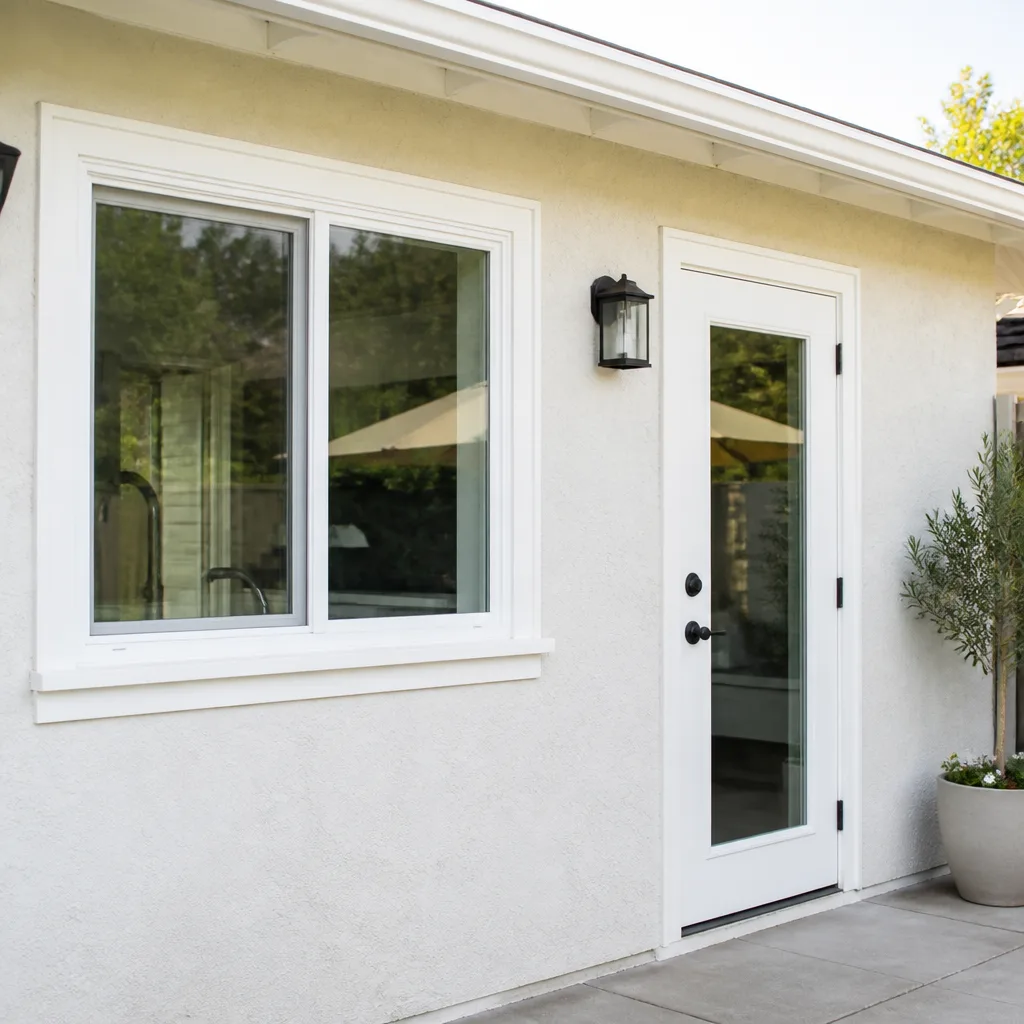 After
AfterHow Long Does Window Installation Take? Timelines and What to Expect
A single double-hung window in good trim takes an experienced two-person crew about 45 minutes. A rotted sill underneath that same window adds 90 minutes minimum, and most contractors won’t tell you that until they’re already on the clock. This guide breaks down real per-window time benchmarks, the hidden multipliers that stretch a job from morning into evening, and how to plan your day around a schedule you can actually trust. For a deeper look at project timelines, see our companion piece on How Long Does Window Replacement Take? Timelines and What to Expect. If you’re a homeowner in Los Angeles replacing one window or fourteen, the numbers here come from more than fifteen years of watching crews work through stucco, dry rot, and second-story access issues.
Quick Answer
Most standard window replacements take 30 to 60 minutes per window once the crew is set up, meaning a full-home project of 8 to 12 windows typically runs one to two days. Frame damage, stucco repair, second-story access, and custom sizing can push individual windows to two or three hours each. The total timeline for a typical Los Angeles home is 1 to 3 days, with same-day completion common for 3 to 5 replacement windows in good condition.
Table of Contents
- Per-Window Time Benchmarks by Window Type
- Hidden Time Multipliers Most Contractors Won’t Mention
- Full-Home Timelines: How Many Days Should You Plan For
- Why a Pre-Installation Walkthrough Changes Everything
- What the Crew Should Be Doing Between Windows
- How to Structure Your Day During Installation
- Common Mistakes to Avoid
- When to Call a Professional
- Frequently Asked Questions
- The Bottom Line
Per-Window Time Benchmarks by Window Type
Not all windows are the same job. A picture window with no moving parts installs faster than a casement window with multiple hinges and a crank mechanism. Here’s what we see across Los Angeles homes, from Mid-City bungalows to San Fernando Valley ranch houses:
- Single-hung and double-hung windows: 40 to 60 minutes per window. These are the most common windows in Los Angeles homes built before 1990. The process involves removing the old sashes, setting the new frame, leveling, shimming, insulating, and trimming. Double-hung takes slightly longer because both sashes move and need balancing.
- Picture windows: 30 to 45 minutes each. No moving parts means faster installation, but the glass is heavier. A large picture window over 6 feet wide often needs three people to set safely.
- Casement windows: 60 to 90 minutes per window. The crank mechanism, multi-point locking hardware, and the need for precise alignment add time. If the old casement window has a rotted sill, add another hour for repair before the new window goes in.
- Sliding windows: 45 to 75 minutes each. The track needs to be perfectly level or the window binds when you slide it. In older Los Angeles homes where foundation settling has shifted the rough opening, expect shimming and adjustment time.
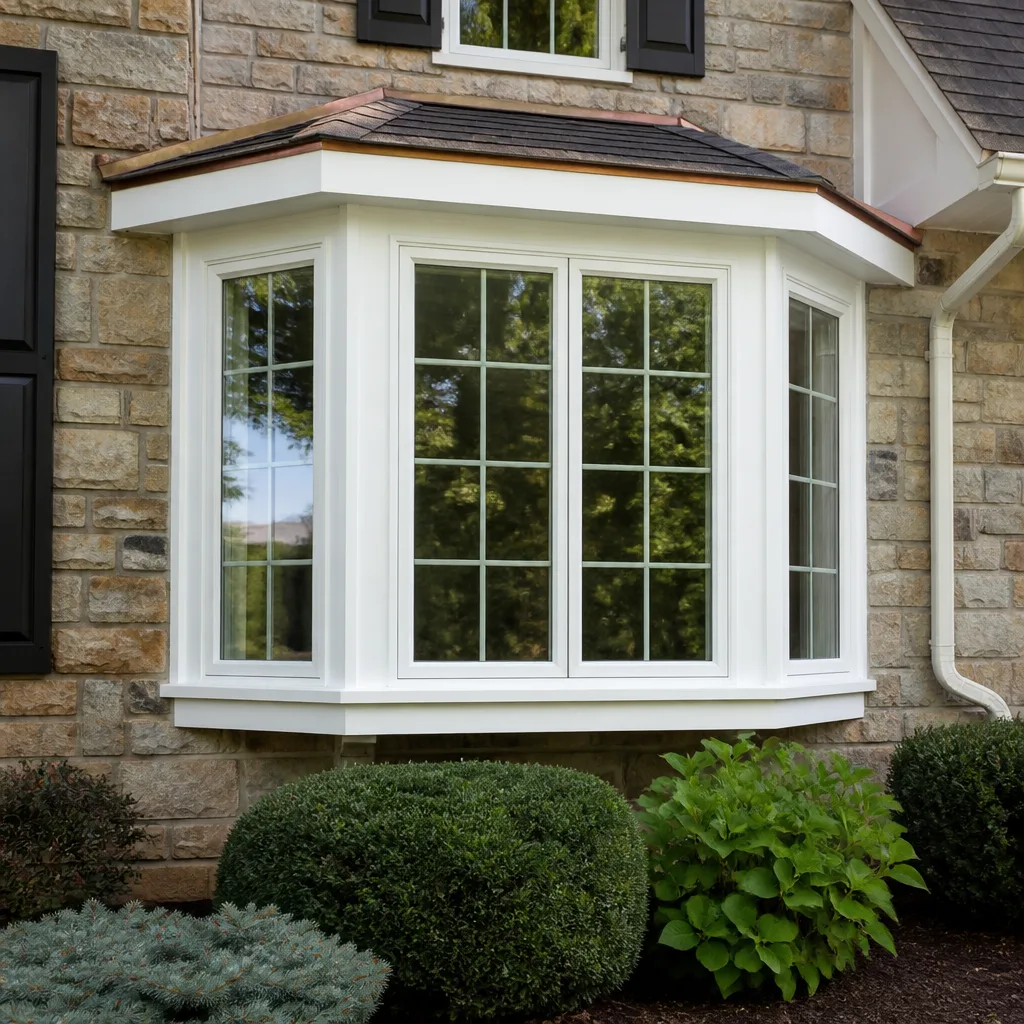
- Bay and bow windows: 3 to 6 hours each. These are structural projects, not simple replacements. The crew must support the overhang while the old window comes out, build or repair the seat board, and often install a new roof or skirt on the exterior.
These ranges assume the existing frame is sound and the rough opening is square. That’s a big assumption in Los Angeles, where many homes built in the 1950s and 1960s have settled, shifted, or been modified by previous owners. Products from manufacturers like ViewLux and PGT are built to precise specifications, which means the opening has to be right before the window seats properly.
Hidden Time Multipliers Most Contractors Won’t Mention
The difference between a 45-minute window and a three-hour window almost always comes down to what the crew finds when the old window comes out. Here are the multipliers we plan for in Los Angeles specifically:
Rotted or Damaged Frames
This is the single biggest time multiplier in our market. Los Angeles homes built before 1980 often have wood frames that have been exposed to decades of rain, sprinkler overspray, and termite activity. When we remove a window and find dry rot in the sill or the studs around the opening, that wood has to be cut out and replaced before installation can continue. A rotted sill alone adds 90 minutes to two hours per window, depending on how far the damage extends. If the rot has spread into the wall framing, the repair can stretch to a full day.
Stucco Exteriors
Most Los Angeles homes have stucco exteriors. Cutting stucco cleanly around a window opening takes time and care. If the stucco cracks away from the opening during removal, the crew has to patch and sometimes re-texture the surrounding area. A standard window in a wood-sided home might take 45 minutes. The same window in a stucco home with a difficult removal can take 90 minutes or more. We see this constantly in neighborhoods like Sherman Oaks, Encino, and Westchester, where stucco is the default exterior.
Second-Story Access
Windows on the second floor require ladders, scaffolding, or interior access planning. Carrying a 60-pound window up a ladder is slow work done safely. Second-story windows typically add 15 to 30 minutes per window just for access setup and takedown. If the crew needs to set up scaffolding for a run of upstairs windows, that’s another 45 minutes to an hour on the front end and again on the back end.
Custom Sizing
Homes built before standardized window sizes became the norm often have openings that don’t match any off-the-shelf unit. Custom-sized windows from manufacturers like CWS or CGI take longer to produce and sometimes require field adjustments during installation. The installation itself might only add 30 minutes, but the wait for the window to arrive can stretch the project timeline by weeks. That’s a scheduling conversation we have before the job starts, not after.
Full-Home Timelines: How Many Days Should You Plan For
Here’s what realistic timelines look like for common project sizes in Los Angeles:
- 1 to 3 windows: Half a day, typically 3 to 5 hours including setup and cleanup. The crew arrives, prepares the work area, removes the old windows, installs the new ones, and cleans up before early afternoon.
- 4 to 8 windows: One full day. This is the most common scope we see for mid-century ranch homes in the San Fernando Valley and condo units in Koreatown or West Los Angeles.
- 9 to 15 windows: Two days, sometimes three if there’s significant frame repair, stucco work, or second-story access involved. Day one is usually removal and installation of the easiest windows. Day two covers the more complicated openings and all the trim work.
- Whole-house replacement of 16+ windows: Three to five days. This includes any custom-sized units, second-story work, and the inevitable surprises that come with opening up walls in an older Los Angeles home.
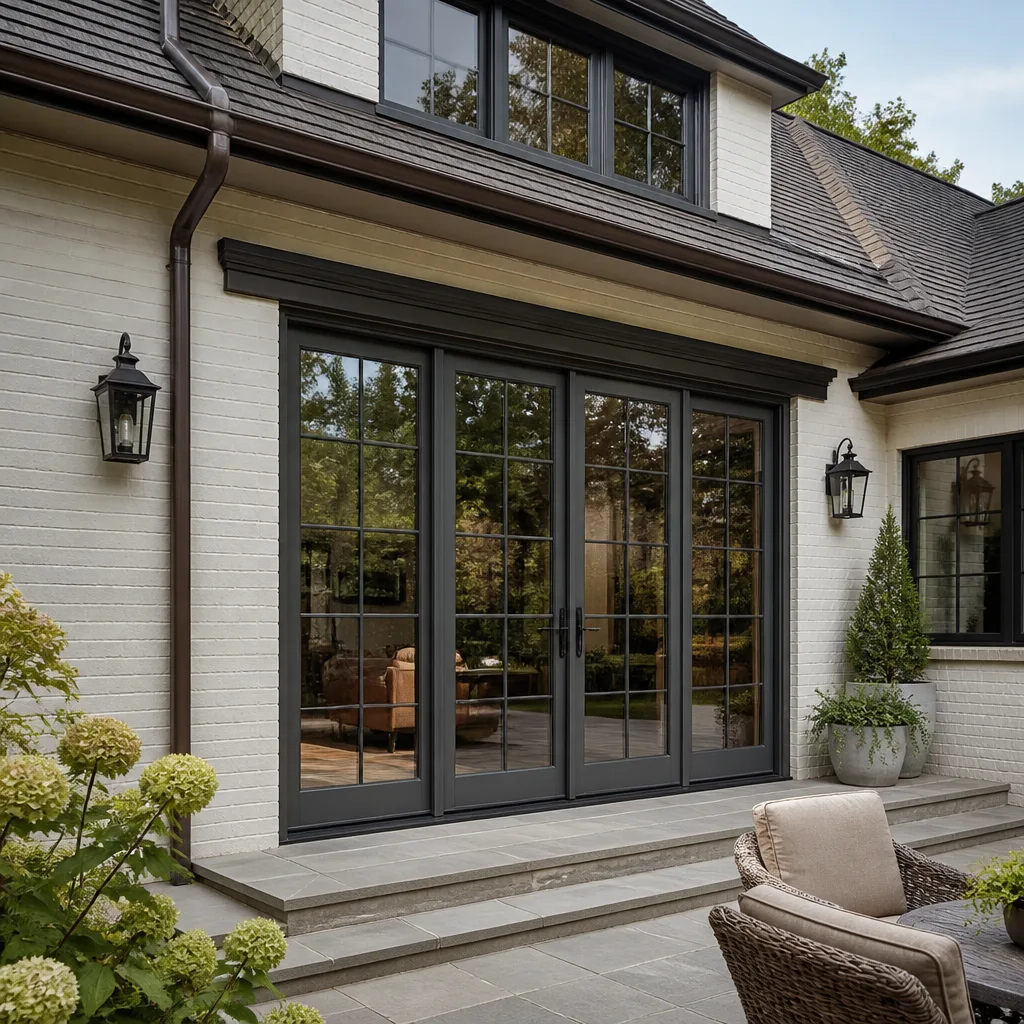
- Door installation add-ons: Entry doors typically add 3 to 6 hours per door. A full door installation in Los Angeles with a new frame and hardware is its own project and gets scheduled with its own timeline.
These are installation timelines, not total project timelines. From the day you sign to the day the crew arrives is usually 2 to 6 weeks depending on the manufacturer, product line, and whether the windows are standard or custom. Impact-rated windows from PGT and CGI, which are common in coastal Los Angeles neighborhoods like San Pedro and Playa del Rey, sometimes carry longer lead times because of the laminated glass production process.
Why a Pre-Installation Walkthrough Changes Everything
Most timeline problems come from contractors who never looked at the job before the crew showed up. For help choosing the right professional, read our How to Hire a Windows & Doors Contractor in Los Angeles: A Step-by-Step Guide. A pre-installation walkthrough, done properly, removes the guesswork. Here’s what should happen:
- Measure every opening twice. The person doing the walkthrough should carry a tape measure and verify each window’s dimensions in person. Not from the old quote. Not from the county records. From the actual opening.
- Identify access issues. Trees against the house, power lines near upper windows, tight side yards, HOA restrictions on where ladders can go. These all affect installation time.
- Check for visible frame damage. A careful look at sills, trim, and interior drywall around each window reveals rot, water staining, and past repairs. This tells the installer what to expect before the old window comes out.
- Confirm the product lineup. The walkthrough is when you match specific windows to specific openings. A window that fits the master bedroom might not work in the kitchen. Eight manufacturer lines mean the right product gets matched to the right opening rather than forcing one brand to work everywhere.
- Lock in the arrival window. After the walkthrough, you should have a written price and a committed arrival window. Not “we’ll be there sometime Wednesday.” A real window, like 8:00 to 8:30 a.m.
This is what we call the Kingswell Way, and it’s been our standard since 2009: say the price before the work, show up in the window we gave, leave the place cleaner than we found it, put the guarantee in writing, and come back if it fails. The walkthrough is where all of that starts. Without it, any timeline you’re given is just a guess dressed up in contractor language.
What the Crew Should Be Doing Between Windows
An experienced installation crew has a rhythm. When that rhythm is off, the job stretches. Here’s what you should see during a typical installation day:
- Setup, not wandering. The first 20 to 30 minutes of the day are for laying drop cloths, setting up tools, and establishing a staging area. After that, work should start. Crew members standing around with no clear task is a red flag.
- One window at a time, fully completed. A good crew removes one window, installs the replacement, trims it out, and cleans the immediate area before moving to the next opening. They don’t remove all the windows first and leave the house open.
- Continuous communication. If the crew finds rot, stucco damage, or a rough opening that’s out of square, they should tell you immediately with a specific explanation of what it means for time and cost. Not at the end of the day. Not when the invoice arrives.
- Cleanup as they go. Broken glass, old caulk, and debris should be cleared from each work area before the crew moves to the next window. A mounting pile of debris is a sign of a crew that’s rushing, and rushing leads to sloppy work.
The time between windows should be measured in minutes, not hours. If you see a crew taking a 45-minute break after every window, the timeline you were given is not the timeline you’re getting. You’re entitled to ask what’s going on, and a professional crew will have a straight answer.
How to Structure Your Day During Installation
You don’t need to leave your house during window installation, but you do need to plan around the work. Here’s a practical structure for installation day:
- The night before: Clear a 3-foot path to every window being replaced. Move furniture, curtains, blinds, and anything on the windowsills. Take down artwork near the windows. Cover anything in the room that can’t be moved, because cutting old caulk and pulling trim creates dust.
- Morning of: Expect the crew at the time they gave you within the window they committed to. Walk them through the house once, confirm which windows are being done, and ask where they’d like to set up their staging area.
- During the work: Noise is intermittent. Expect hammering and drilling during removal, relative quiet during installation, and more noise during trim work. If you work from home, plan calls and meetings for the middle of the installation cycle, which is typically the quietest period.
- Kids and pets: Keep them out of the work area entirely during removal, when broken glass and sharp edges are present. Once the crew is in the installation phase for a given window, the risk drops significantly. By the time trim is going up, the area is safe for supervised presence. Full access is fine once the crew has cleaned up and you’ve done a walkthrough.
- End of day: Walk the job with the crew lead. Check each window opens, closes, and locks. Look at the trim work. Confirm the cleanup meets your standard. A written guarantee should be handed to you before the crew leaves, covering what happens if anything fails.
For a one-day job, the crew typically finishes between 3:00 and 5:00 p.m. depending on scope. If the job runs past 6:00 p.m., ask what happened. A professional crew on a properly scoped job doesn’t need to work into the dark.
Common Mistakes to Avoid
- Accepting a vague “2 to 4 hour” estimate without asking what drives the range. A two-hour spread on a three-window job means the contractor hasn’t looked at the job closely. Ask for a specific window-by-window breakdown.
- Scheduling the job without a pre-installation walkthrough. If the person who gave you the price never measured the openings in person, the crew will discover the real job when they arrive. That’s how timelines blow up.
- Not asking about stucco repair. In Los Angeles, most homes have stucco exteriors. If the contractor’s quote doesn’t include stucco patching and matching, you’ll either pay for it as a change order or live with mismatched stucco.
- Assuming every window takes the same time. A picture window and a bay window are not the same job. Neither are a ground-floor window and a second-story window. Get per-window numbers, not an average.
- Leaving furniture and window treatments in place. The crew will work around your belongings, and the job will take longer. A cleared work area is a faster work area.
- Signing a contract without a written timeline and a written price. If it’s not in writing, it doesn’t exist. That applies to arrival windows, installation timelines, and the total price.
- Choosing the cheapest bid without asking why it’s cheap. A low price often means the contractor isn’t budgeting for stucco repair, frame damage, or proper cleanup. You’ll pay for those omissions later, either in time or in money.
When to Call a Professional
Window installation is not a DIY project unless you’re experienced with framing, flashing, and exterior trim. A window that’s installed incorrectly leaks, binds, and eventually rots the framing around it. If the job involves second-story windows, stucco repair, or any visible rot, call a professional without hesitation. If you’ve been burned before by a contractor who no-showed or changed the price at the door, that’s not a reason to avoid calling. It’s a reason to call someone who puts the price in writing before work starts. Westlight Windows & Doors offers free estimates in Los Angeles – call (903) 354-7134.
Frequently Asked Questions
A single standard window takes 40 to 60 minutes to install once the crew is set up, assuming the frame is in good condition. Frame repair, stucco work, or second-story access can push that to two or three hours. Call (903) 354-7134 for a per-window estimate on your specific project in Los Angeles.
Whole-house replacement of 16 or more windows typically takes three to five days in Los Angeles, depending on frame condition, stucco work, and second-story access. Smaller projects of 8 to 12 windows usually finish in one to two days. A pre-installation walkthrough locks in a firm completion window instead of a guess.
Not with a written price before work begins. The Kingswell Guarantee means the price you’re quoted before installation is the price you pay, even if the crew finds unexpected conditions. If a rotted sill adds two hours to a window, that’s covered in the scope of work agreed to in advance. Call (903) 354-7134 to get a written line-item quote before any work starts.
In Los Angeles, window replacement typically requires a permit when the opening size changes or structural work is involved. Same-size replacements in existing openings often fall under repair provisions. We handle the permit process for our customers and the work passes inspection before the job closes. Ask us about your specific situation when you call (903) 354-7134.
Impact-rated windows from manufacturers like PGT and CGI take about the same time to install as standard windows – 45 to 75 minutes per window in good conditions. The difference is lead time. Impact windows are made to order with laminated glass, which typically adds 2 to 4 weeks to the production schedule before installation day. Call (903) 354-7134 for current lead times on specific product lines.
Every Westlight job comes with a written guarantee and the 365-Day Done Right Promise. If the work is not right within the guarantee period, we come back and fix it at no charge. No negotiating. No follow-up calls. No revised invoices. That’s the standard on every window replacement and window installation in Los Angeles.
The Bottom Line
Window Installation services with proper planning have knowable timelines before the crew arrives. The numbers depend on window type, frame condition, exterior material, and access, and a good contractor tells you those numbers before you sign. Most single windows take 40 to 60 minutes in good conditions. Stucco, rot, and second-story work add real time. And a written price with a written guarantee means the timeline you’re given is the timeline you get. If you’re planning window replacement in Los Angeles, start with a pre-installation walkthrough and get the numbers in writing. Your day shouldn’t be structured around a contractor’s guess.
Learn more about our approach at the Westlight Windows & Doors home page, or explore our full Window Replacement in Los Angeles services. The west light is the late-afternoon sun that pours through a good window – bright, warm, and worth doing right.
Written by Owen Satterfield, Owner at Westlight Windows & Doors, serving Los Angeles since 2009. For more guides & resources, visit our blog.