
Last updated October 8, 2026
Free in-home measure and quote - PGT, CGI and CWS impact lines compared on your actual openings, style by style


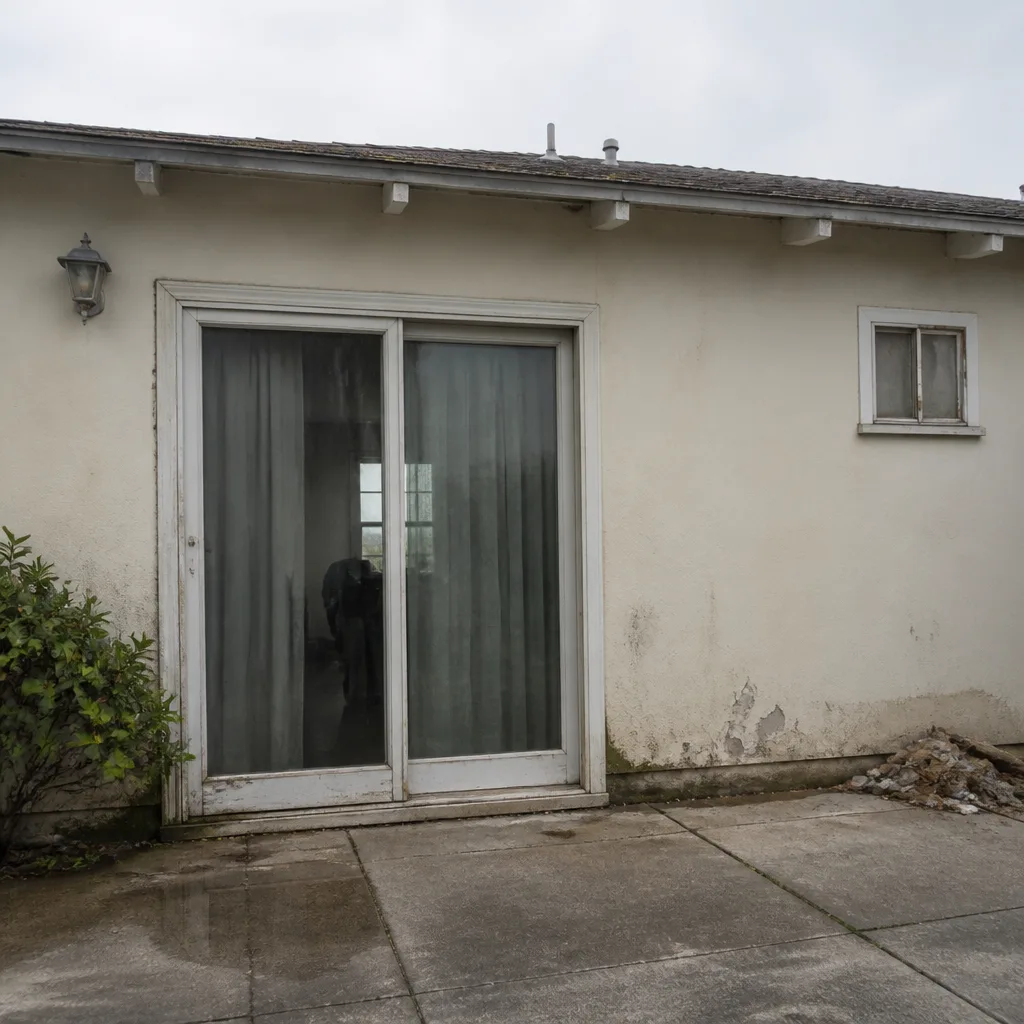 Before
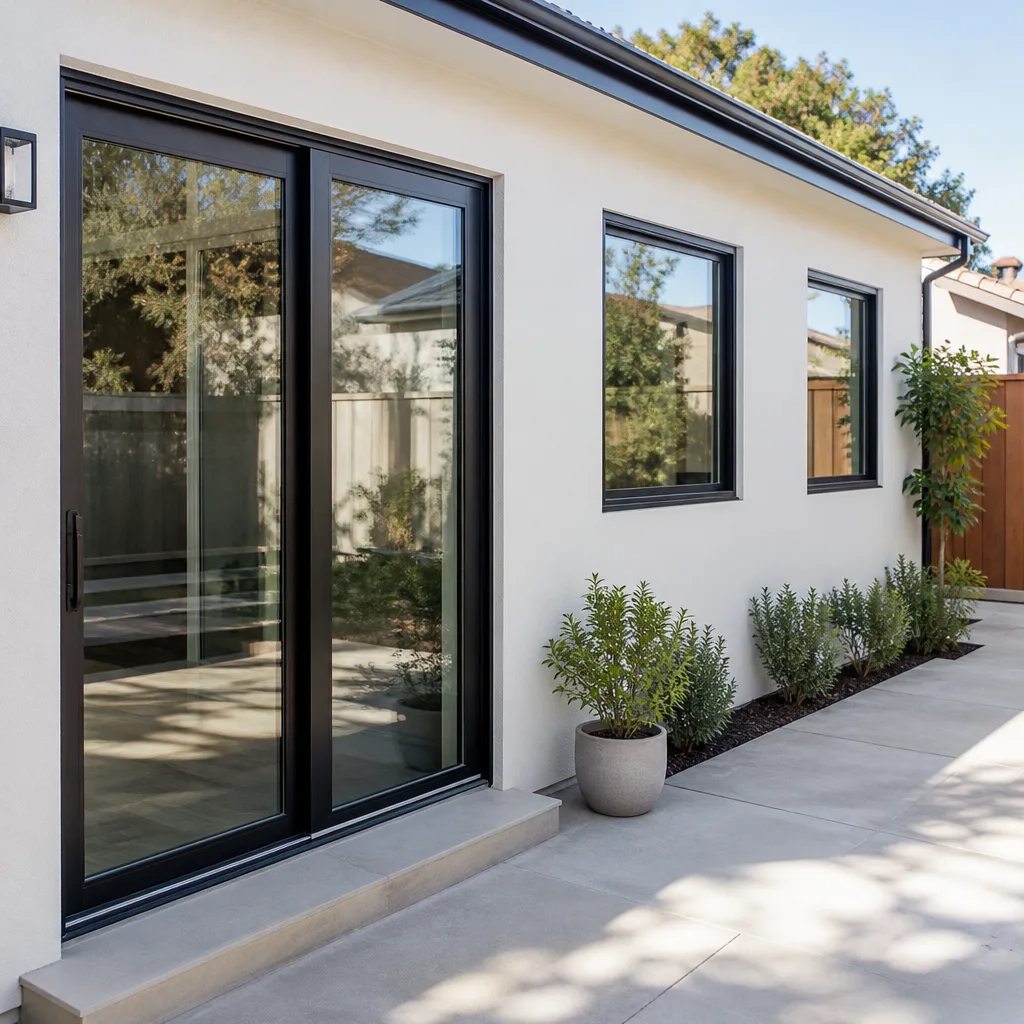 After
After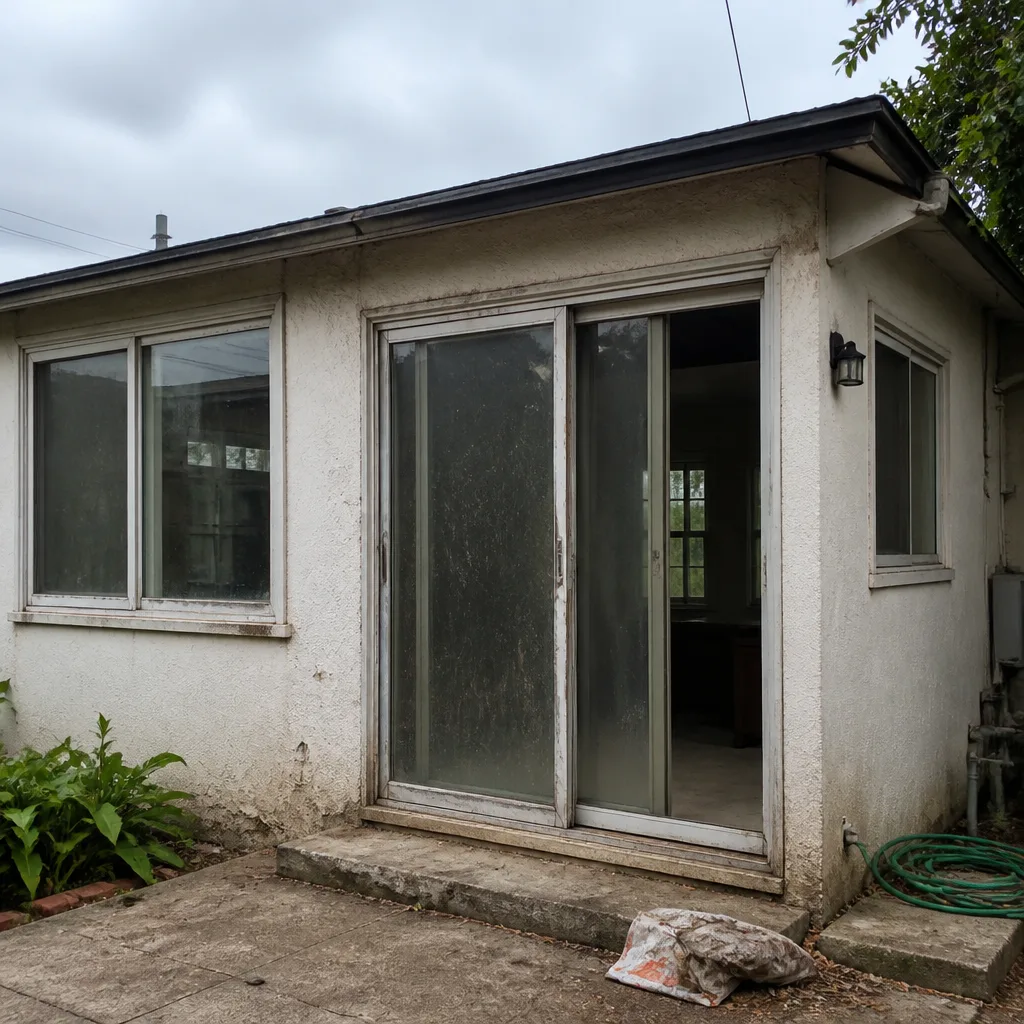 Before
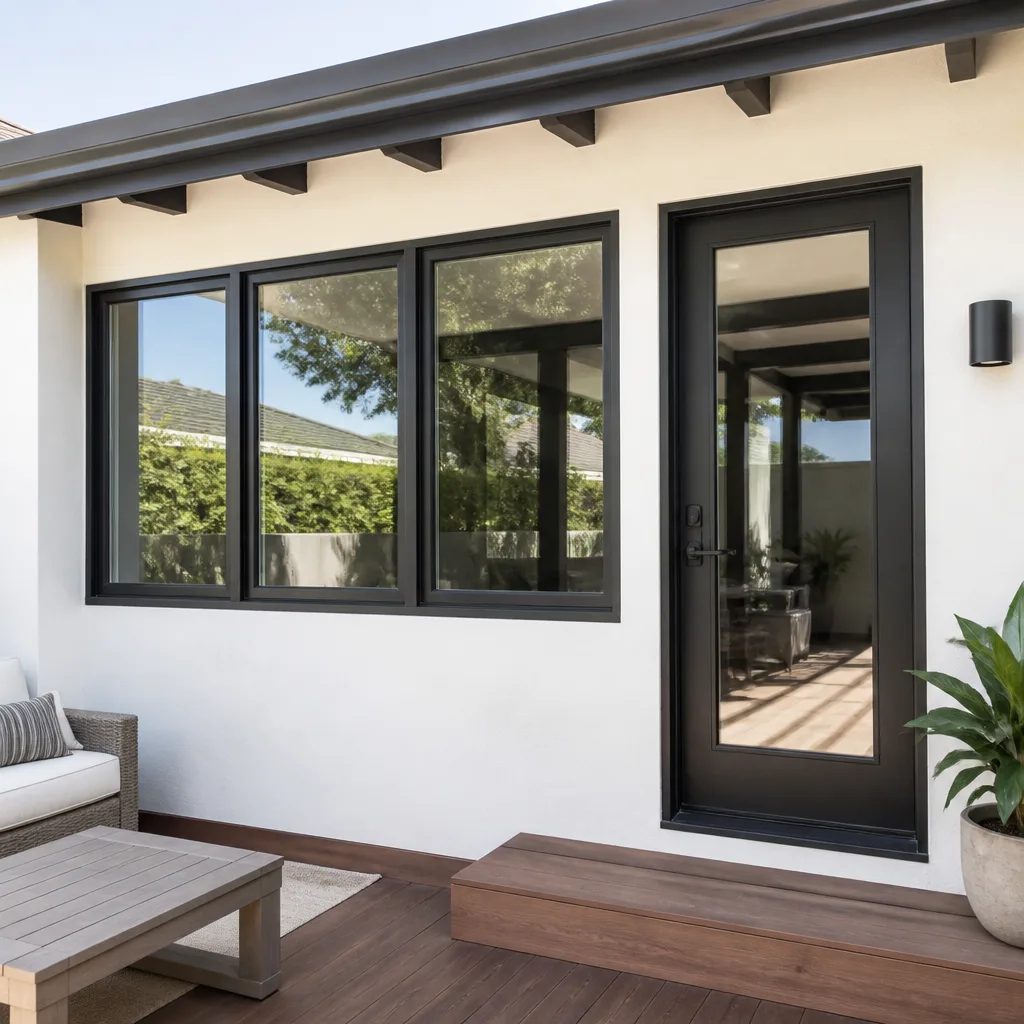 After
After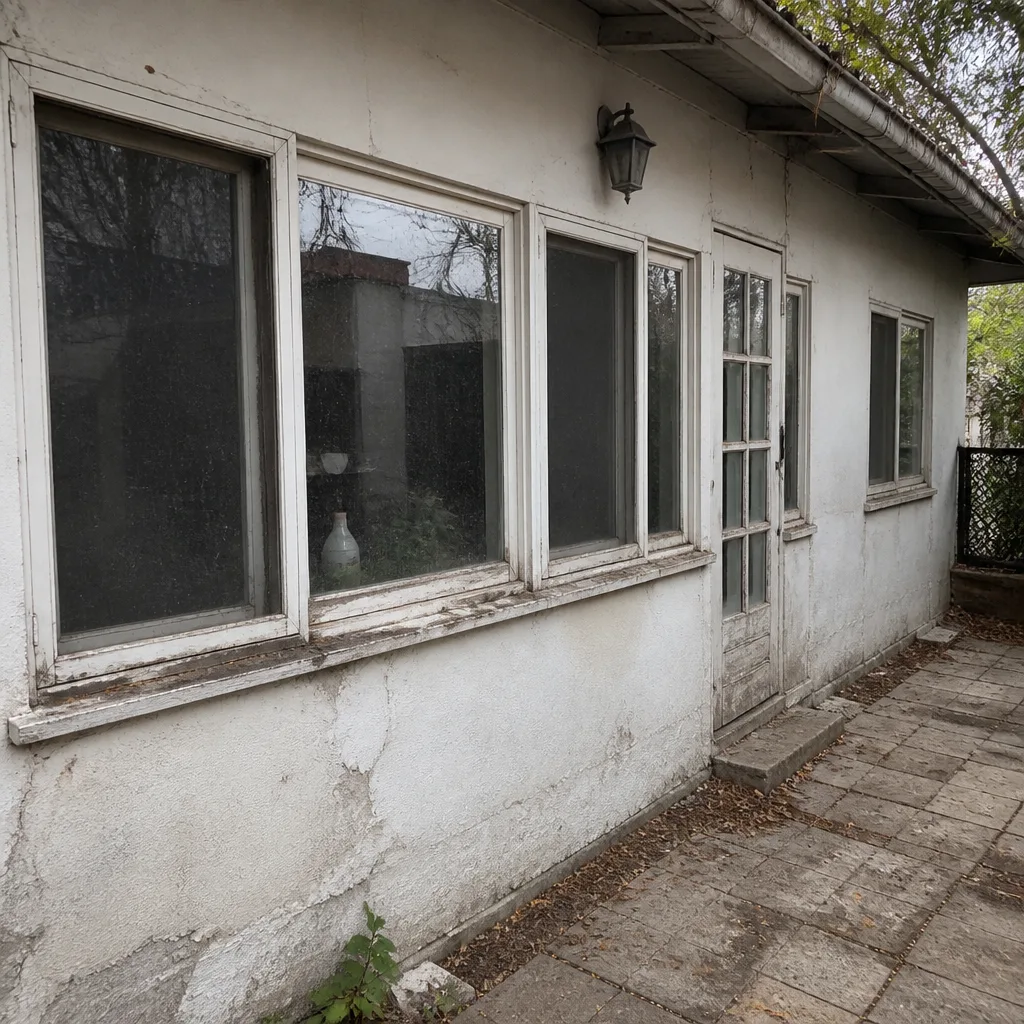 Before
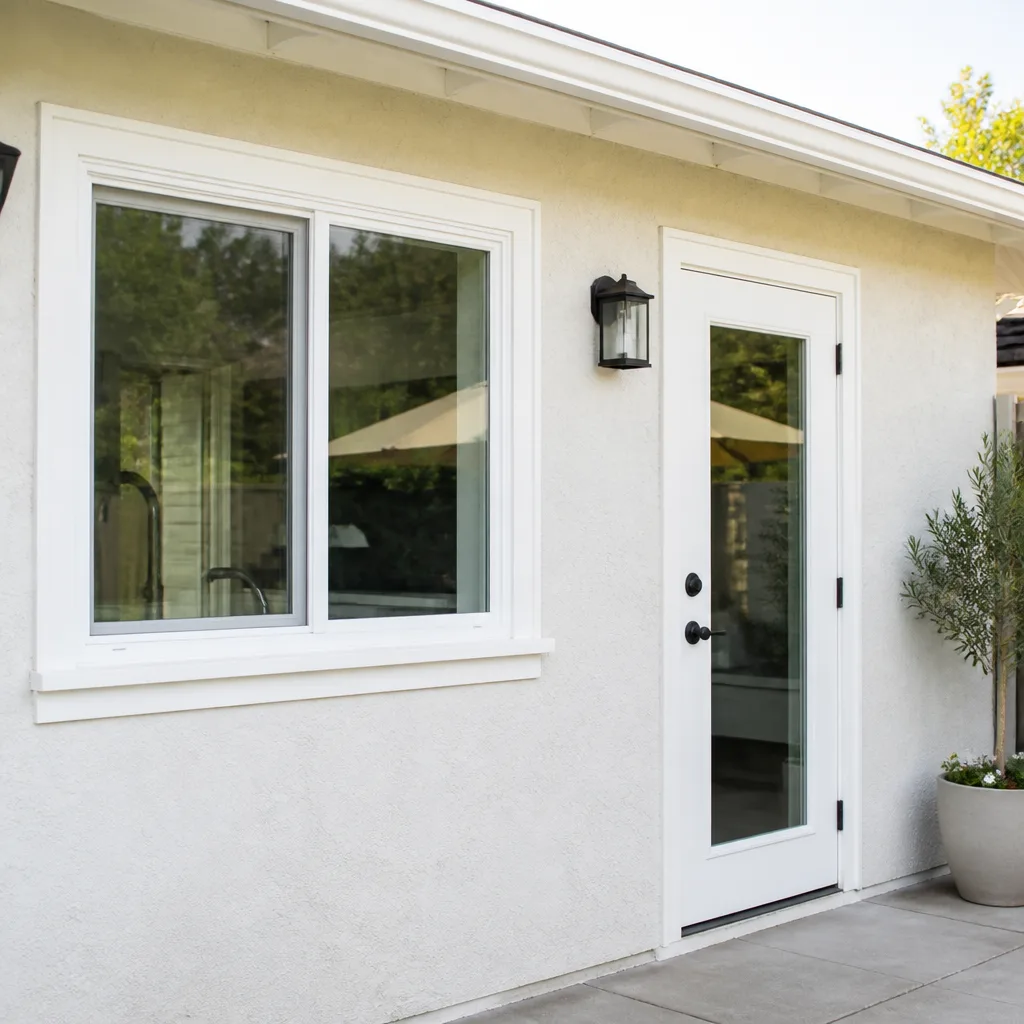 After
AfterSeasonal Windows & Doors Care for Los Angeles: Year-Round Homeowner’s Guide
Los Angeles doesn’t have winter in the way Chicago or Boston does, but your windows and doors don’t know that. What this city does have is a series of stress periods that hit in a reliable sequence every single year, and each one attacks a different component of your home’s envelope. June Gloom, the marine layer that sits over Los Angeles coastal neighborhoods for weeks at a time, creates a daily condensation-and-UV cycle that works on window seals almost like a freeze-thaw cycle works on roads in colder climates. The homeowners who understand this rhythm spend a few hundred dollars on maintenance over a decade. The ones who don’t end up replacing every window in the house. This guide walks you through each stress period, tells you exactly what to check, and gives you a documentation system that protects your warranty and your resale value.
Quick Answer
Los Angeles window and door care breaks into four distinct stress periods: the June Gloom marine-layer cycle (May through July), peak UV and heat (August through September), Santa Ana wind and wildfire ash (October through December), and winter rain infiltration (January through March). In each period, a handful of specific, inexpensive maintenance tasks, cleaning door tracks, checking weep holes, re-seating weatherstripping, wiping ash off aluminum frames within 48 hours, will prevent the slow damage that eventually forces full replacement. Most homeowners can handle 80% of this themselves in under an hour per season. The remaining 20%, seal failures, frame rot, door re-hanging, is where a professional matters.
Table of Contents
- June Gloom: The Marine-Layer Cycle (May-July)
- Peak UV and Heat Season (August-September)
- Santa Ana Wind and Wildfire Ash Season (October-December)
- Winter Rain Infiltration (January-March)
- The One-Page Maintenance Task Log (And Why It Protects Your Warranty)
- Common Mistakes to Avoid
- When to Call a Professional
- Frequently Asked Questions
June Gloom: The Marine-Layer Cycle (May-July)
Here’s what’s happening to your windows during June Gloom, and it’s more than you’d guess. Every morning, the marine layer pushes cool, damp air against the west-facing side of your home. Every afternoon, the sun burns through and heats those same surfaces to 85°F or higher. That daily swing from 55°F and humid to 85°F and dry is the closest thing Los Angeles has to a freeze-thaw cycle, and it’s why coastal neighborhoods from Santa Monica to San Pedro see window seal failures at rates comparable to much colder cities.
What actually fails during this cycle is the desiccant inside the insulated glass unit, or IGU. Double-pane windows have a spacer bar around the perimeter filled with a moisture-absorbing material. When the seal around that spacer gets stressed daily by thermal expansion and contraction, it eventually lets moist marine air inside. The first sign is fog between the panes that comes and goes with the temperature. If you see that in May or June, the seal has already failed, and no amount of cleaning will fix it. The good news: catching it early means you replace the IGU, not the whole window. In our experience, IGU replacement runs roughly $200 to $450 per window in Los Angeles depending on size and glass type, while full window replacement runs $700 to $1,800 per opening. The early catch saves real money.
What to do during June Gloom:
- Check for morning fog between panes. Do this before 9 a.m. on a cool morning, especially on west- and south-facing windows. Fog that disappears by noon is still a seal problem, just an early one.
- Wipe down vinyl and fiberglass frames monthly. Marine air carries salt and algae spores. A damp cloth with a drop of dish soap prevents buildup that eventually eats at frame corners.
- Inspect door weatherstripping on the west side of the house. The daily moisture cycle makes rubber and foam gaskets expand and contract, and they pull loose at the corners first. Press them back into their kerf track if they’ve popped out.
- Test sliding door tracks. Damp air plus dust makes a paste that clogs rollers. Open and close each slider slowly. If it drags, clean the track before the heat season starts, because dried paste is much harder to remove.
West-facing windows take the worst of this cycle because they get the damp morning air and the harshest afternoon sun. If you’re noticing seal failures or frame wear, it will show up on the west side of the house first. The product choice matters here too. In our window replacement work across Los Angeles, we’ve found that windows with stainless steel spacer bars rather than aluminum resist this marine-layer cycle far better, and brands like CWS and ECO Window Systems offer them at mid-range prices.
Peak UV and Heat Season (August-September)
August and September in Los Angeles are not a maintenance season, exactly. They’re a testing season. Heat this intense doesn’t damage windows and doors directly the way water does. What it does is reveal every weakness that the marine layer spent May through July creating. A small seal breach becomes visible. A warped door that swelled in the damp months now sticks in its frame and won’t close. A worn roller that got gritty during June Gloom now binds completely when the track expands in 100°F heat.
The critical check in August is around low-e glass. Low-e, short for low-emissivity, is a thin metallic coating applied to the inside face of the glass that reflects heat back into the room in winter and out in summer. It’s invisible, and it’s also the most fragile part of the window. When a low-e coating begins to fail, you’ll see a faint haze, a wavy pattern, or a slight rainbow iridescence that you can’t clean off. In Los Angeles, low-e failures cluster in August because the coating reaches its highest temperatures of the year, and any manufacturing defect or edge-seal compromise accelerates into visible damage.
August and September task list:
- Inspect every window at mid-afternoon for haze or rainbow patterns. Look at the glass at a shallow angle, not straight on. The defects show up in raking light.
- Check that every window with a locking mechanism actually locks. Frame expansion in heat can push sashes out of square just enough that the lock no longer engages. This is a security issue and a sign the window needs adjustment.
- Lubricate door hinges and sliding tracks with a dry silicone spray. Use a product rated for door hardware, not WD-40. WD-40 attracts dust and turns into a grinding paste within weeks.
- Confirm that every door closes fully and latches. A door that won’t latch in August will be a door that won’t seal in January. The problem compounds.
Here’s the thing most Los Angeles homeowners don’t realize about heat season: it’s the wrong time to install certain products, and the right time to order others. Impact-rated windows from PGT and CGI, the brands engineered for hurricane zones, handle LA’s heat and UV with the same laminated glass and heavy frames that shrug off Miami sun. They’re heavier and more expensive, but in exposed hillside homes in areas like Topanga or Mount Washington where there’s no shade and no marine layer to cool things off, that extra UV resistance pays for itself in longevity. If you’re planning window installation in Los Angeles, August is a fine time to schedule it. The heat doesn’t affect the install itself, though our crews start earlier in the day during heat waves, and your existing windows will show every fault clearly enough that you’ll know exactly which ones need attention.
Santa Ana Wind and Wildfire Ash Season (October-December)
Santa Ana season is when Los Angeles windows and doors get attacked from two directions at once. The wind itself, gusting from the northeast at 40 to 60 miles per hour in the passes, forces dust and grit into every gap in your weatherstripping and tests every latch and hinge for looseness. Then wildfire ash, carried on the same wind, settles on everything and begins a chemical reaction that’s far more damaging than most people realize.
Wildfire ash is not soot. It’s a caustic mixture of carbon, mineral dust, and chemical residues from burned structures and vegetation. When it settles on aluminum window frames and stays there, the alkaline compounds react with moisture in the air, any dew, any humidity, and begin etching the anodized finish. On low-e glass, ash left for more than a couple of days can etch the coating itself, leaving permanent clouding that looks like hard water stains but never comes off. The 48-hour rule matters: ash should be removed within two days of a wind event in Los Angeles.
Here’s the right cleanup sequence, and the order matters because doing it wrong scratches the glass or grinds ash into the frame finish:
- Blow off loose ash first. Use a leaf blower on a low setting or a soft brush. Do not start with a wet rag. Wet ash becomes a paste that scratches.
- Rinse frames and glass with plain water from a hose. Low pressure, not a jet. Let the water carry away what’s loose.
- Wash with a mild solution. One teaspoon of dish soap per gallon of water. Use a soft sponge or microfiber cloth. Do not use Windex or ammonia-based cleaners on low-e glass. Ammonia eats low-e coating.
- Dry with a clean microfiber towel. Air-drying leaves mineral spots from LA water.
- Inspect weatherstripping and tracks after the wind event. Grit blasted into door tracks is the number one cause of slider failures after Santa Anas. Vacuum the track, then wipe with a dry cloth.
Before Santa Anas arrive, there’s a short prep list that pays off. Check every exposed weatherstrip around doors and windows and press any loose sections back into place. Tighten any visible hinge screws on doors; the wind will find a loose one and work it out. And if you have exterior doors that face the northeast, the direction Santa Anas come from in most of the LA basin, check the threshold seal. A door threshold with a worn or missing gasket will pump dust and ash straight into your house during every gust.
One more thing about door hardware during Santa Ana season: the dry, dusty air strips lubricant from hinges and locks. If your deadbolt starts feeling stiff in October, it’s not the lock wearing out. It’s the dust. A dry PTFE or graphite lubricant rated for locks, applied once at the start of Santa Ana season, keeps things turning smoothly until winter. For door installation in Los Angeles, we’ve moved heavily toward ViewLux and Therma-Tru entry doors specifically because their threshold systems seal more tightly against wind-driven dust than older designs, and in a place like Los Angeles where one wind event can fill a house with grit, that seal is the whole ballgame.
Winter Rain Infiltration (January-March)
The rainiest months in Los Angeles are January, February, and March, and this is when the city sees almost all of its interior water damage from windows and doors. The failures happen at two specific points, and neither of them is the glass. Windows and doors don’t usually leak through the visible parts. They leak through the weep hole system and the sill flashing.
Weep holes are the small slots or holes along the bottom edge of a window or sliding door frame. They’re designed to let water that gets past the outer seal drain back outside instead of pooling inside the frame. They’re also, in our experience in Los Angeles homes, the most commonly neglected component in the whole house. Dirt, dead insects, spider webs, and paint from a previous homeowner’s sloppy painting job all clog them. When a clogged weep hole traps water inside the frame during a winter storm, that water has nowhere to go but inside the wall cavity or onto the interior sill.
The post-rain inspection protocol we recommend, and use ourselves on service calls, takes about 20 minutes:
- After any rain of half an inch or more, check every window and door from the inside. Run your finger along the bottom interior edge of each frame. It should be dry.
- Inspect exterior weep holes. They should be clear of debris. A paper clip or small wire, inserted gently, clears most blockages. Do not use a drill bit or anything sharp enough to scratch the frame.
- Check the sill flashing. This is the piece of metal or vinyl that sits under the exterior sill and directs water away from the wall. It should be intact, slightly sloped downward and away from the house, and free of gaps where it meets the stucco or siding.
- Look for water stains on interior drywall around window and door openings. Stains that appear in winter and fade in summer indicate a leak that’s been there for a while. By the time a stain is visible, the leak has soaked insulation, framing, and possibly the sill plate.
In heavy rain, door thresholds take abuse. A threshold seal that’s worn flat lets water wick under the door and into the flooring. In Los Angeles, where many homes have hardwood or laminate right up to exterior doors, the first sign of threshold failure is a dark line or cupping in the flooring near the door. Catch it early and you replace a $30 gasket. Catch it late and you replace flooring, subfloor, and possibly the door itself. We carry the Kingswell Guarantee on every door installation in Los Angeles we perform, and that guarantee includes a written price before any work starts and a written commitment to return if the repair fails, but no guarantee covers neglect. The maintenance still matters.
If you have older aluminum-frame windows, winter rain is also the season when you’ll notice condensation on the interior frame, not just the glass. Aluminum conducts cold straight through the frame, and when warm indoor air hits a cold aluminum surface, the frame sweats. That sweat runs down and pools in the same spots where weep holes are. If you’re seeing this every winter, the fix is not a dehumidifier. The fix is a frame material that doesn’t conduct cold. In Los Angeles, where many homes from the 1960s through the 1980s still have original aluminum windows, this is one of the most common drivers of window replacement in Los Angeles, and it’s why brands like ViewLux and ECO Window Systems, which offer thermally broken vinyl and composite frames, have taken over so much of the market here.
The One-Page Maintenance Task Log (And Why It Protects Your Warranty)
Here’s a piece of advice that costs you nothing and can save you thousands: document every maintenance task you perform on your windows and doors. Keep a single page, printed or digital, with the date, the task, the product used, and any observations. It doesn’t need to be fancy. It does need to exist.
Why this matters for Los Angeles homeowners specifically:
- Warranty claims. Most window and door manufacturers require documentation that the product was maintained according to their guidelines before they’ll honor a warranty claim. A one-page log with dates satisfies that requirement. Without it, a failed seal or a split frame becomes an argument instead of a replacement.
- Escrow inspections. When you sell a Los Angeles home, the buyer’s inspector will look at windows and doors. A maintenance log that shows consistent care is real, tangible evidence that the house was looked after. It often translates directly into negotiation leverage.
- Pattern recognition. A window that needs a seal adjustment every single June is a window that’s telling you something. A log lets you see that pattern across years instead of treating each event as a new problem.
- Product selection insight. When it’s time to replace, knowing which windows failed and when tells you which products to avoid, and which ones earned their keep. That information is gold when you sit down with a contractor.
Download or draw a simple grid. Columns: Date, Window/Door Location, Task, Product Used, Notes. That’s it. Five columns. Ten seconds per entry. Ten years from now, you’ll either have a story about how your windows lasted decades, or you’ll have the paperwork to prove whose fault it was when they didn’t. Either way, you win.
Common Mistakes to Avoid
- Using ammonia-based glass cleaner on low-e glass. Ammonia chemically reacts with low-e coatings and causes permanent hazing. In Los Angeles, where most new and replacement windows have low-e glass, this is the single most common self-inflicted window injury we see. Use dish soap and water, or a cleaner specifically labeled safe for coated glass.
- Painting over weep holes. It happens constantly, especially when homeowners repaint stucco or trim near windows and doors. A paint brush covers a weep hole in two seconds, and the window stops draining forever. Check weep holes after any exterior painting, and clear them immediately if paint has bridged the gap.
- Ignoring a foggy window because it’s only foggy sometimes. Intermittent fog between panes means the seal is failing and moisture is getting into the IGU. It never gets better on its own. The longer you wait, the more likely the glass gets etched internally and requires full IGU replacement rather than a simple reseal.
- Using WD-40 on door hinges, locks, or sliding tracks. WD-40 is a water displacer and a light lubricant, and it leaves an oily film that attracts dust. In Los Angeles, with our dry air and Santa Ana dust, that film becomes a grinding paste within a month. Use dry PTFE spray for hardware, silicone spray for tracks.
- Blowing off the maintenance in the dry months because nothing looks wrong. The damage happening in June, July, and August is invisible until winter rain reveals it. By the time water shows up inside, the frame is already compromised. The whole point of this guide is that the work happens before the symptom appears.
- Assuming all replacement windows are the same. A vinyl window from a budget big-box brand and a vinyl window from CWS or Eco Window Systems are not equivalent products. The differences, in frame thickness, spacer bar material, glass coating quality, and hardware, show up as failures three to seven years in. The cheapest installed window in Los Angeles is usually the most expensive one.
- Skipping the maintenance log because it feels bureaucratic. The log is the warranty. Without it, you’re relying on the manufacturer’s goodwill. With it, they have a process and you fit the process. This is not paperwork for paperwork’s sake. It’s the difference between a claim that gets approved and a claim that gets denied.
When to Call a Professional
Some things on this list are do-it-yourself. Cleaning tracks, checking weep holes, pressing weatherstripping back in, wiping ash off frames, all of that is homeowner work. But there are lines you shouldn’t cross. Visible frame rot or mold around an opening means water has been getting where it shouldn’t for a long time, and removing the trim to find the extent is a job for someone who’s done it before. A door that’s out of square, that binds at the top and gaps at the bottom, needs re-hanging, not a bigger shove. Any crack in the glass, even a small one, is a structural failure waiting for the next temperature swing or wind event. And if you’re seeing fog between panes or haze that doesn’t clean off, the seal or the low-e coating has failed, and the fix is replacement glass or a new window, not better cleaning products. Westlight Windows & Doors offers free estimates in Los Angeles, and we’ll tell you honestly whether what you’re looking at is a repair or a replacement. Call (903) 354-7134 and we’ll send someone who can tell the difference.
Frequently Asked Questions
Clean window glass as needed, but clean door tracks and window tracks at season changes, specifically in May before June Gloom, in September before Santa Anas, and in December before winter rains. Track cleaning is a different job than glass cleaning: vacuum first, wipe with a dry cloth, then apply a dry silicone spray. The seasonal rhythm matters more than frequency.
Fall, specifically October and November, is the best time for window replacement in Los Angeles. The heat has broken, the Santa Anas haven’t fully ramped up, and the winter rain is still a couple of months out. It’s also when most manufacturers run their production schedules with the shortest lead times. We install year-round, but if you can choose, late fall is the sweet spot.
Most single-window replacements in Los Angeles run $700 to $1,800 installed, depending on size, frame material, and glass package. A full house of 10 to 15 windows typically runs $8,000 to $22,000. Every project gets a written price before any work starts, and that price doesn’t change at the door. Call (903) 354-7134 for a free estimate on your specific windows.
Yes, and faster than most people think. Wildfire ash is alkaline and chemically reactive, and it can etch anodized aluminum frames and low-e glass coatings within 48 hours of contact, especially if moisture is present. The cleanup sequence matters: blow off loose ash first, then rinse, then wash with mild soap and water. Never start with a wet rag on dry ash.
Morning fog between the panes of a double-pane window means the seal on the insulated glass unit has failed and moisture is getting inside. This is especially common in coastal Los Angeles neighborhoods during June Gloom because the daily damp-to-dry cycle stresses the seal. The fix is replacement of the IGU, and the earlier you catch it, the less it costs. If the fog is on the interior face on the room side, that’s normal condensation and a humidity issue, not a failed seal.
Yes, especially in Los Angeles where homes change hands frequently and warranty claims require proof of maintenance. A one-page log with the date, task, and product used satisfies manufacturer warranty requirements and gives you documentation for escrow inspections when you sell. It’s the cheapest insurance you’ll ever buy, and it takes ten seconds per entry. Call (903) 354-7134 if you’d like our printable log template, and we’ll email it to you free.
The Bottom Line
Los Angeles gives your windows and doors four tests every year: the June Gloom damp-to-dry cycle that attacks seals, the August heat that reveals every weakness, the Santa Ana wind and ash that grind away at frames and hardware, and the winter rain that punishes any drainage failure. Each test has a short, specific checklist that takes less than an hour, and each checklist catches problems early enough that a $40 fix stays a $40 fix. Ignore the rhythm and you’ll pay for full replacements prematurely. Follow it, document it, and the windows and doors that came with your house will likely outlast your mortgage. That’s the whole game in Los Angeles: the weather is not extreme, but it is relentless, and relentlessness beats neglect every time.
Written by Owen Satterfield, Owner at Westlight Windows & Doors, serving Los Angeles since 2009.