
Last updated October 8, 2026
Free in-home measure and quote - PGT, CGI and CWS impact lines compared on your actual openings, style by style
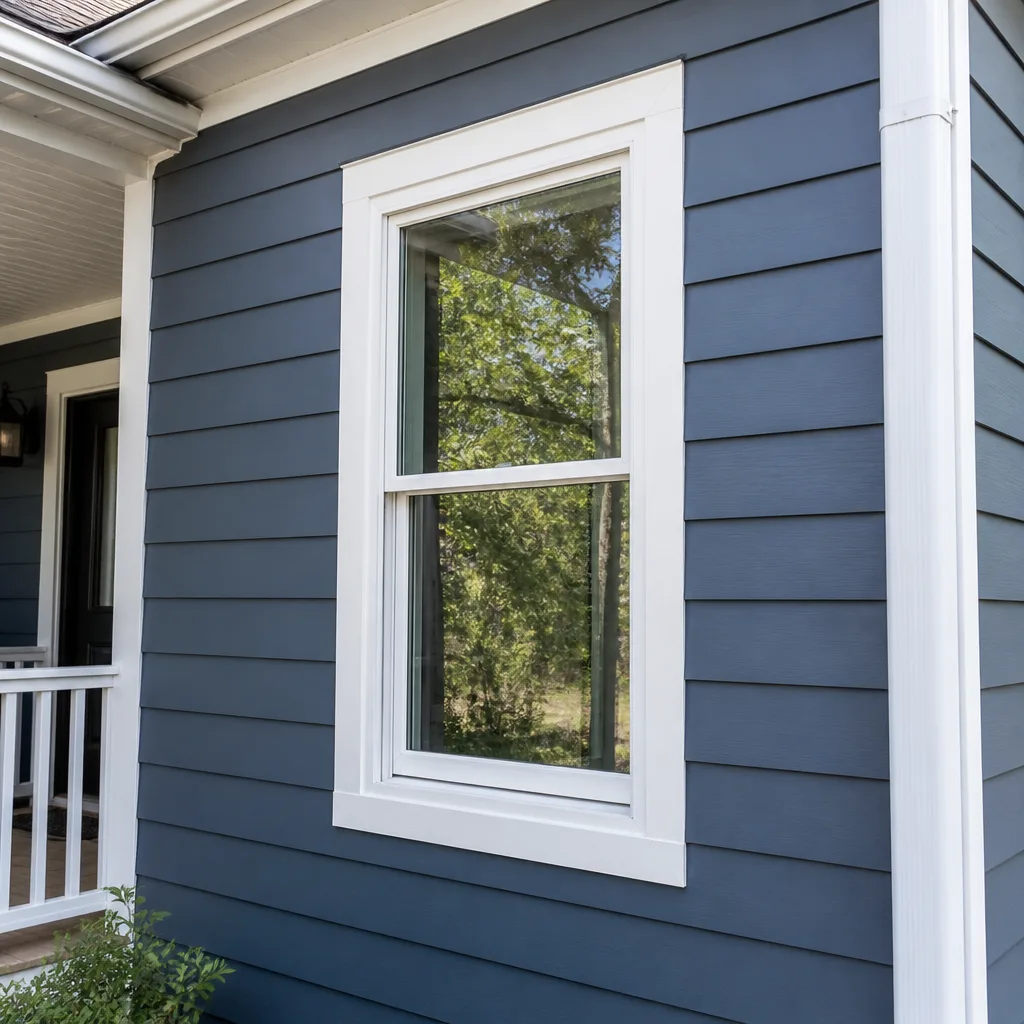
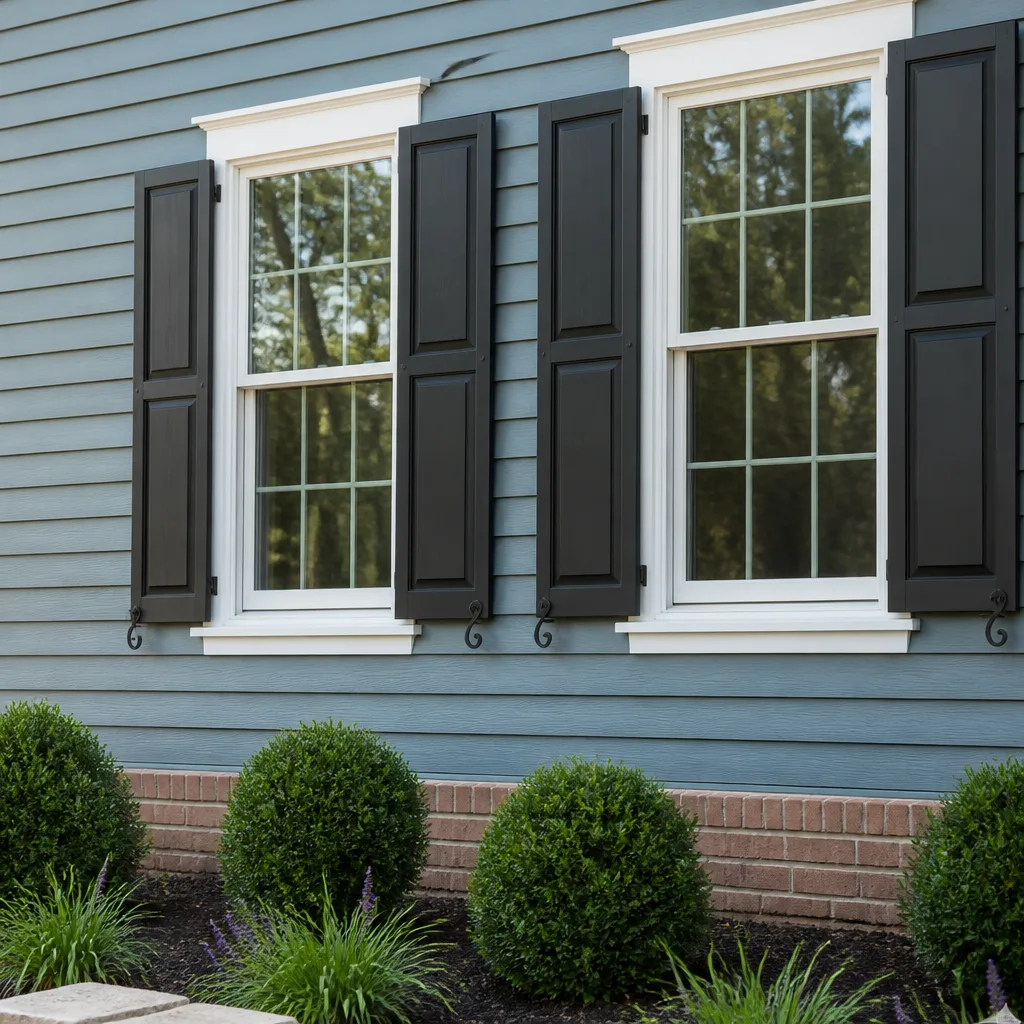
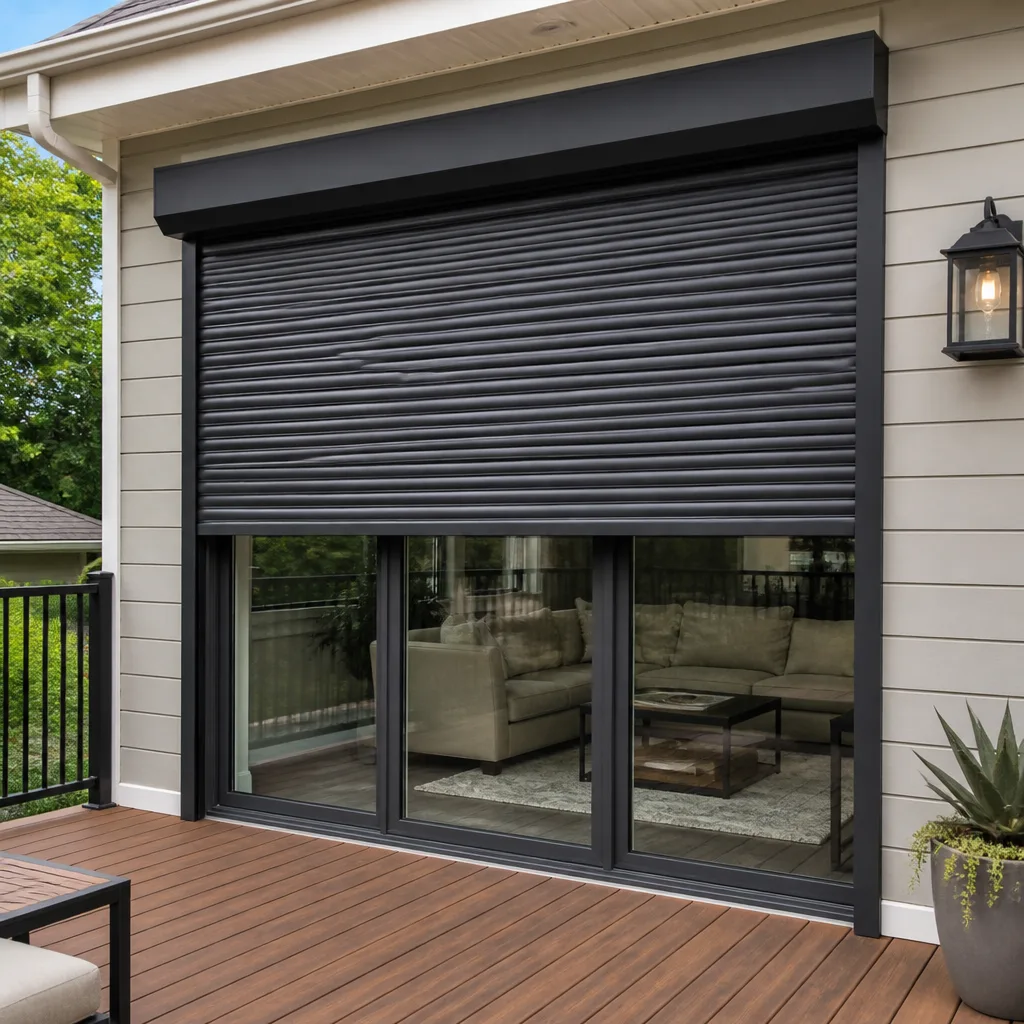
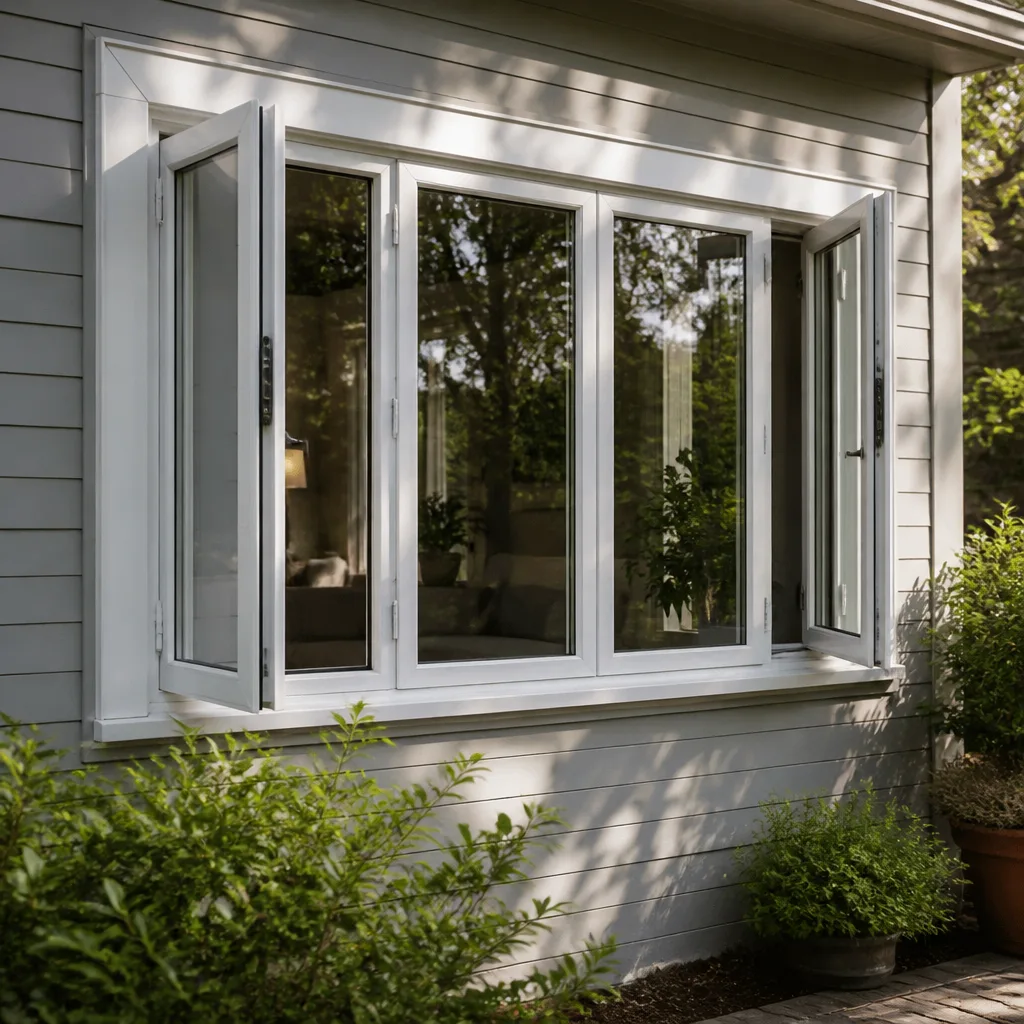

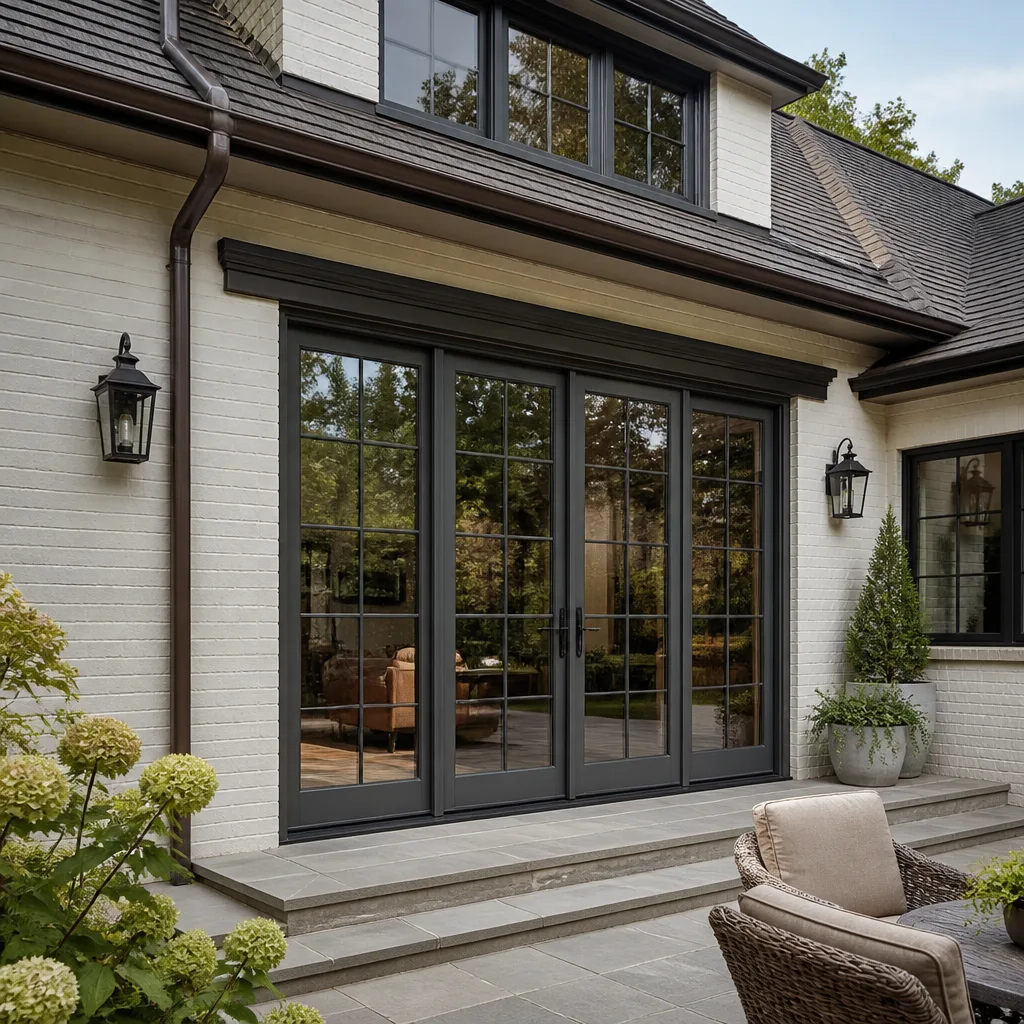
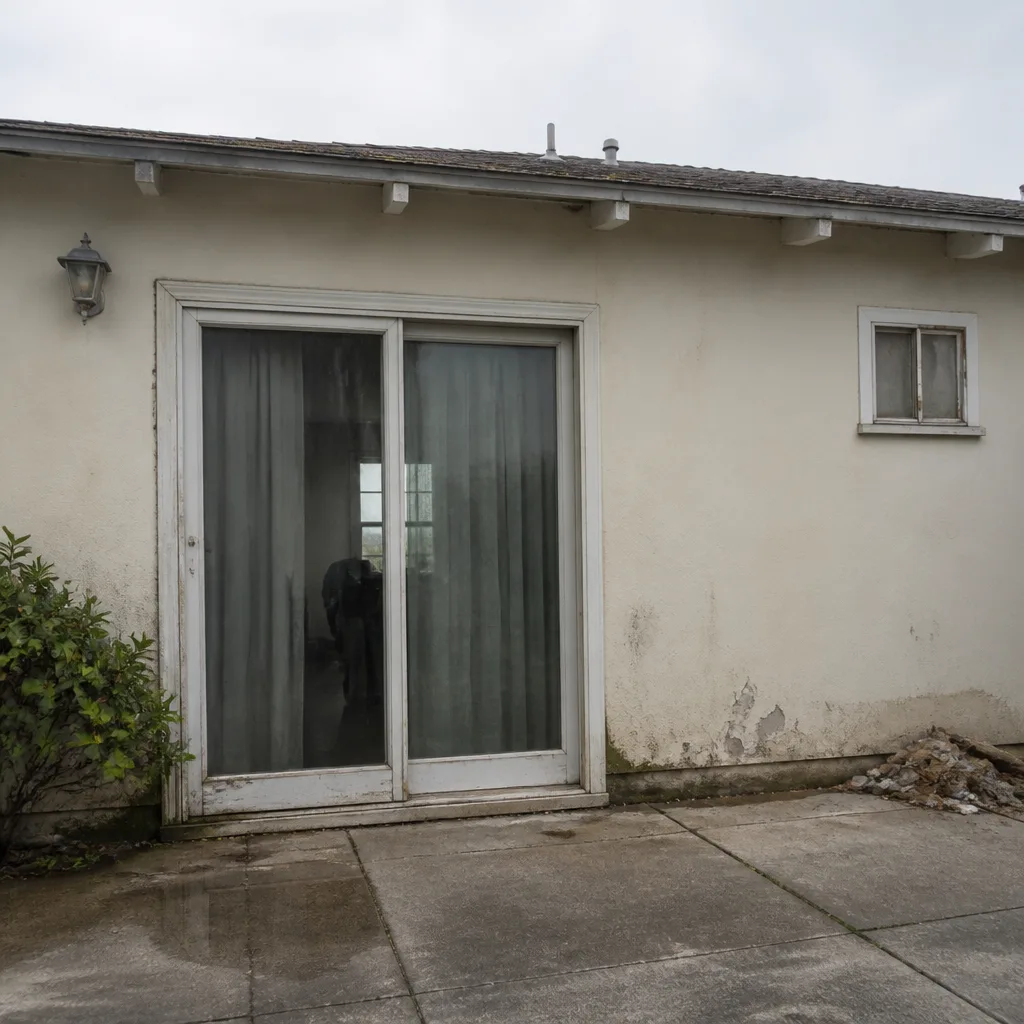 Before
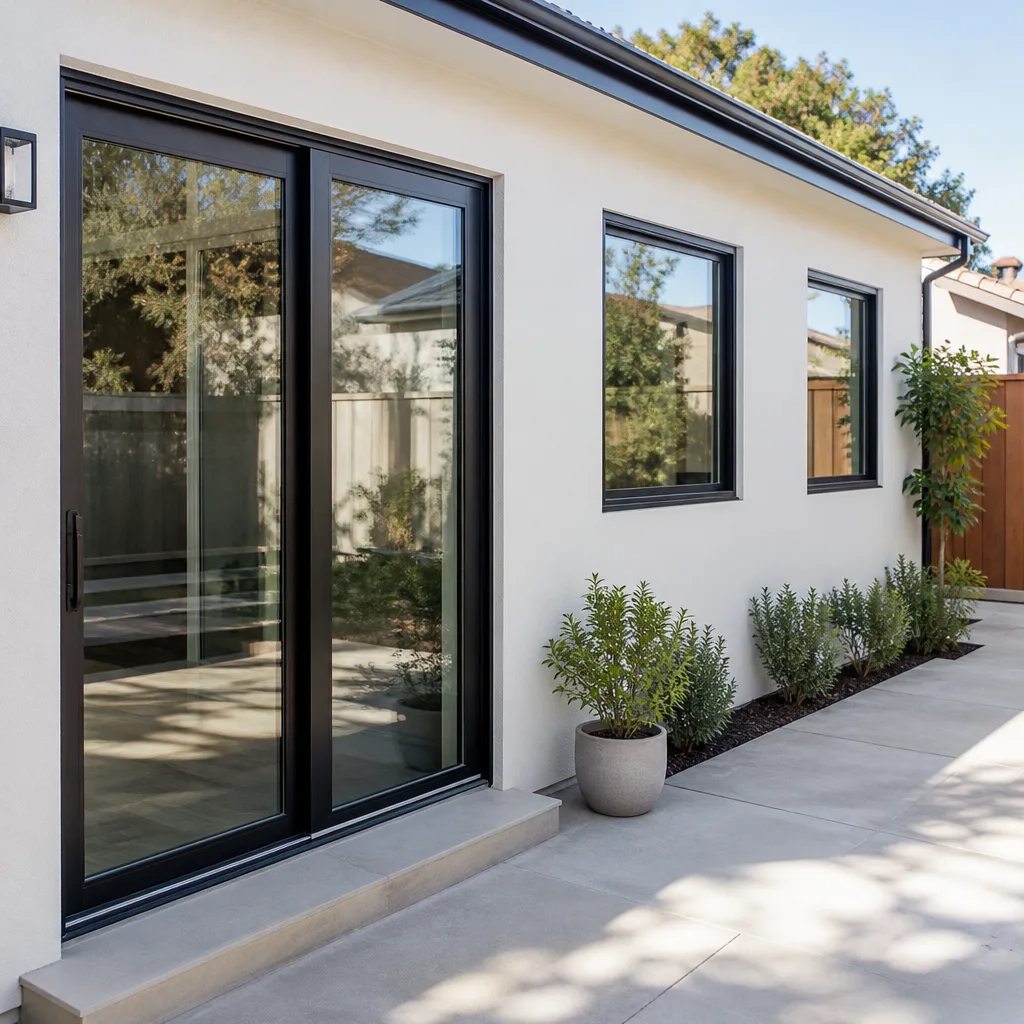 After
After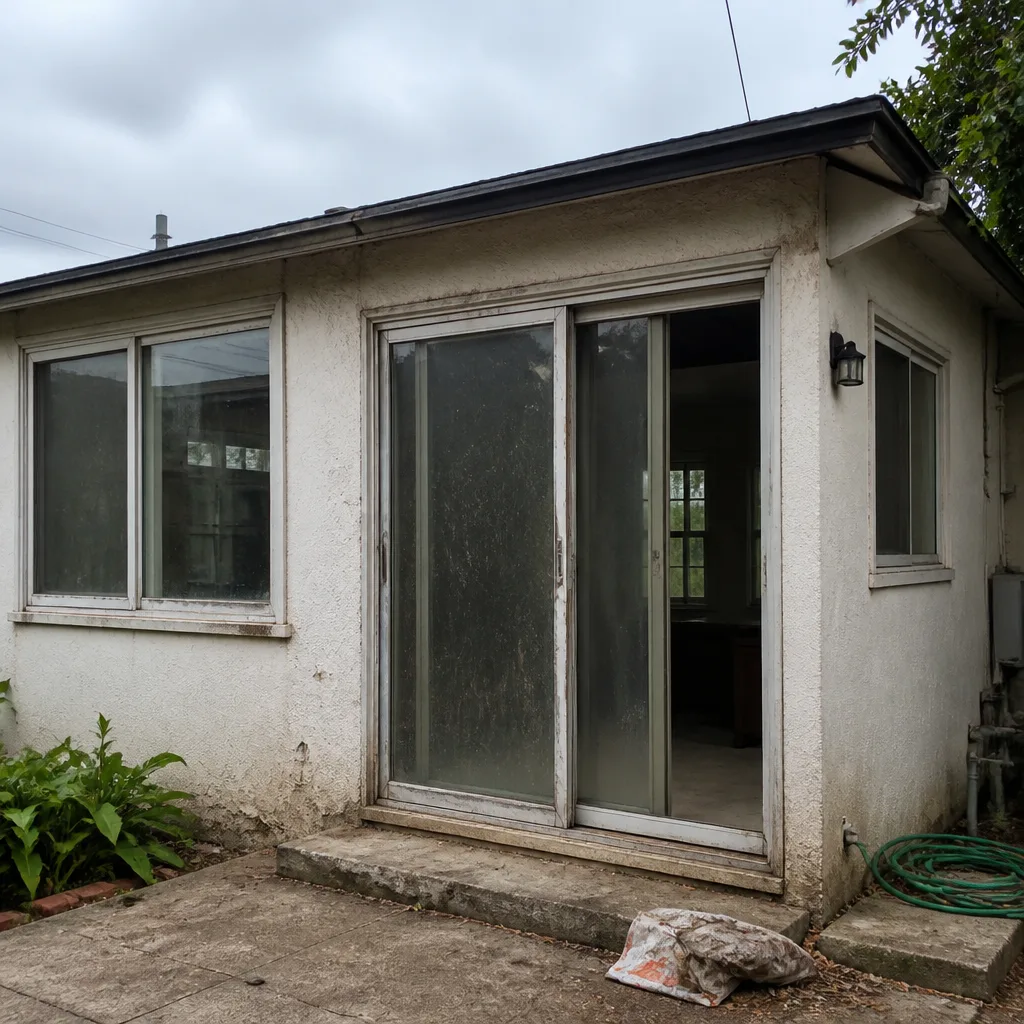 Before
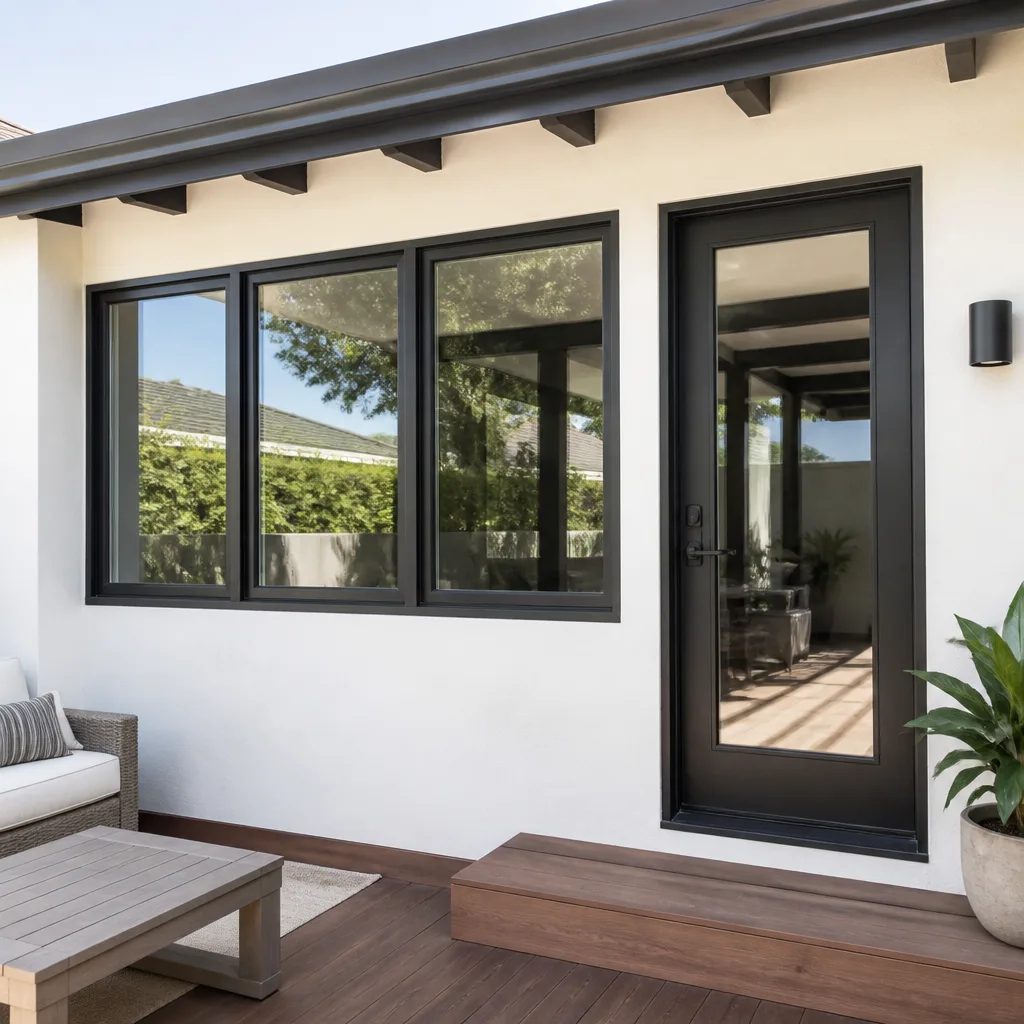 After
After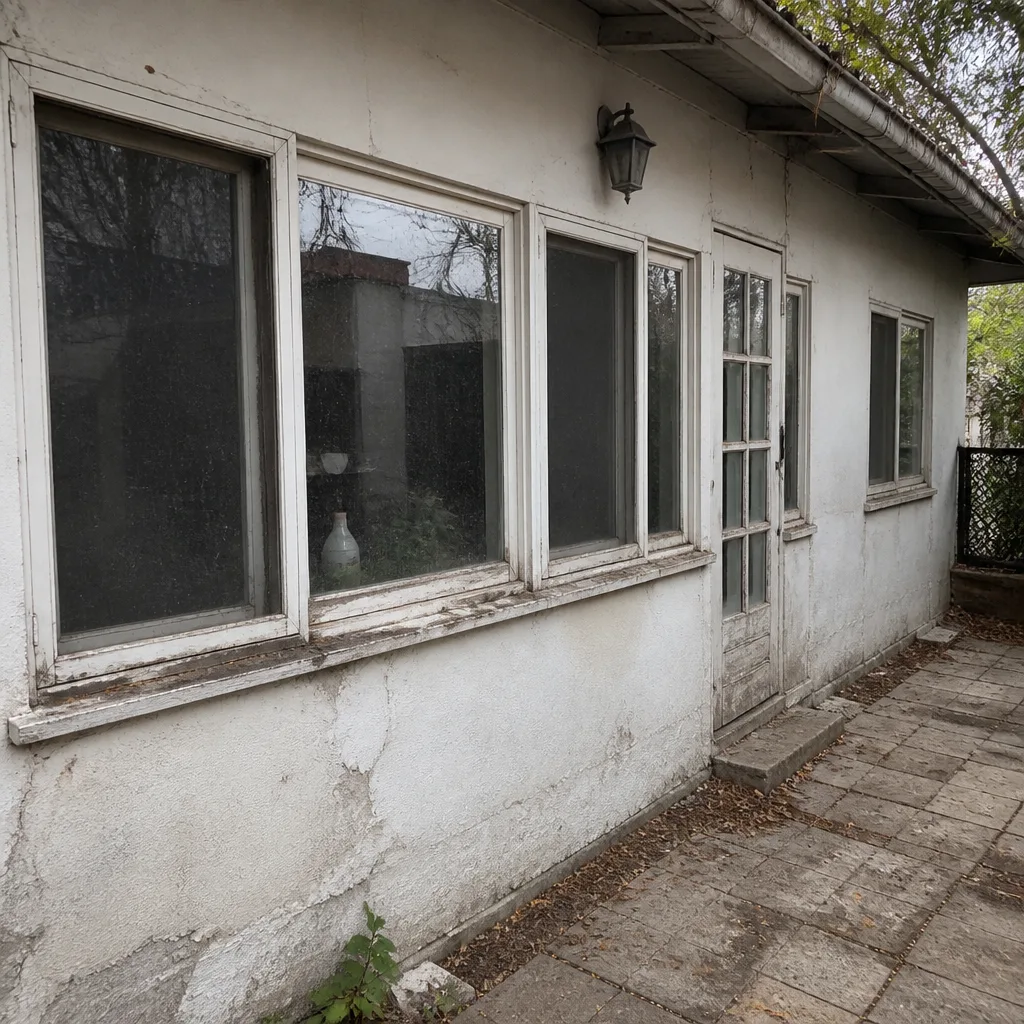 Before
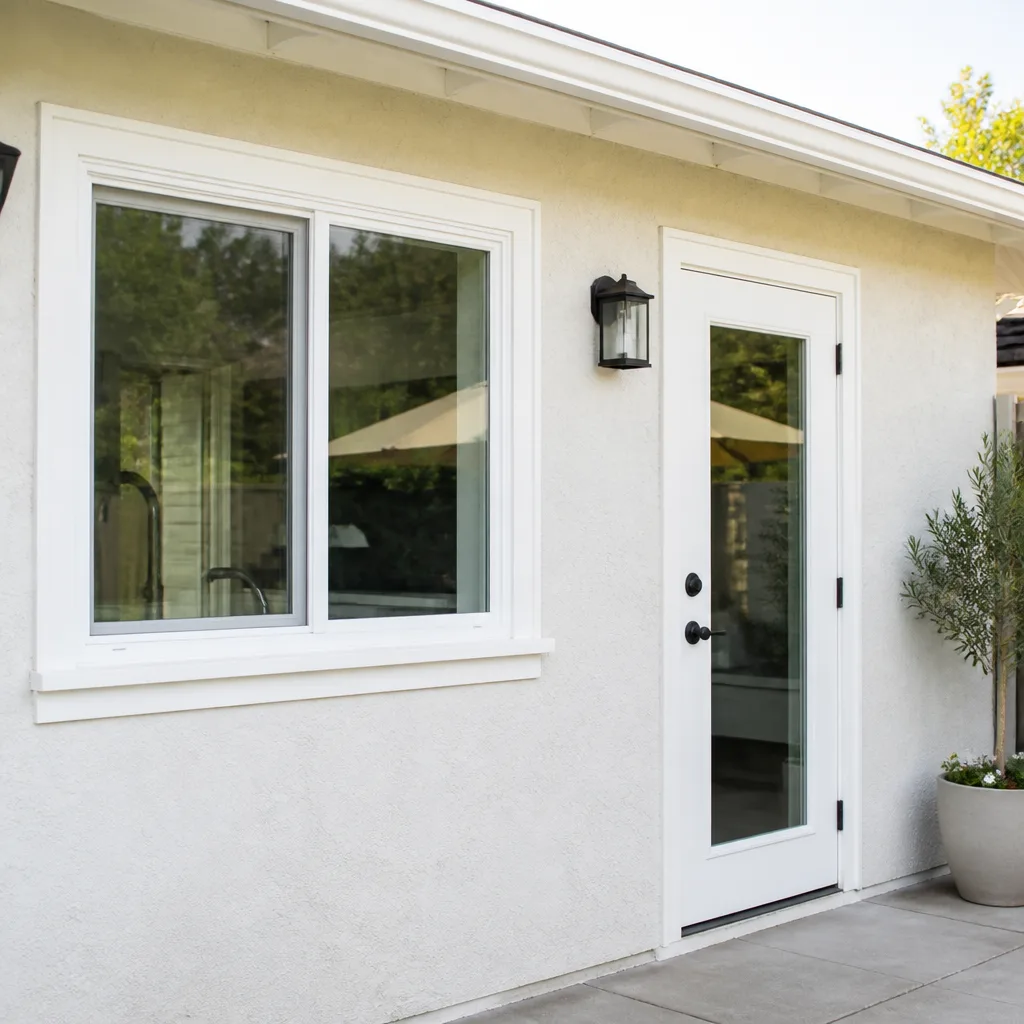 After
AfterDoor Installation Warning Signs Every Homeowner Should Know
A door that swings open on its own when you let go at 45 degrees isn’t a sign of a haunted house. It’s a hinge that was mortised too shallow or a frame that’s out of plumb, and it means the door will slowly destroy its own latch hardware if nobody corrects it. That’s the frustrating part about bad Door Installation services in Los Angeles: the problems announce themselves early, but only if you know what you’re looking at. This guide draws the line between normal settling and genuine installation errors, gives you three tests you can run the day after the install crew leaves, and explains how to document a claim so a contractor can’t wave it off as “settling.”
Quick Answer
The clearest door installation warning signs are a door that drifts open or closed on its own, visible daylight around the slab, a latch that rattles or fails to catch, and weatherstripping that’s compressed unevenly or stuffed in to hide a gap. In Los Angeles, improper threshold flashing is the one that won’t show up until the next heavy rain, and by then the damage is already underway. If you catch any of these in the first 30 days, you’re looking at an installation error, not normal settling.
Table of Contents
- What Normal Settling Actually Looks Like (and What It Doesn’t)
- The Gravity Swing Test: Your Door Should Not Move on Its Own
- The Flashlight Gap Test: How Much Light Is Too Much?
- The Latch-Rattle Test: Hardware That Won’t Catch Means Something’s Wrong
- Weatherstripping: Compression vs. Camouflage
- Los Angeles Exterior Door Red Flags: Threshold Flashing and Rain
- How to Write Up a Warranty Claim That Can’t Be Dismissed
- Common Mistakes to Avoid
- When to Call a Professional
- Frequently Asked Questions
What Normal Settling Actually Looks Like (and What It Doesn’t)
Here’s the thing most homeowners in Los Angeles never hear: a properly installed door should not need “breaking in.” That phrase gets thrown around by installers who know the frame is out of square and hope you’ll stop noticing. A new door should operate smoothly from day one. The latch should click into the strike plate without you having to push, pull, or lift the handle. The slab should swing freely through its full range without scraping the threshold or binding against the jamb.
What does count as normal? Minor seasonal movement in a wood frame. Los Angeles houses built on expansive clay soil, particularly in the Valley and parts of Pasadena, will see frames shift a few millimeters between the wet winter and the dry summer. You might notice the door feels slightly tighter in August or a hair looser in January. That’s fine. What’s not fine is a door that changes behavior from week to week, a door that slams itself shut when you prop it open with a sock, or a gap that lets you see daylight through the closed door on day three. Those are installation problems wearing a “settling” costume.
As a benchmark, we tell homeowners that if a door needs adjustment more than once in its first year, the installation was never dialed in. A PGT or Therma-Tru entry door hung correctly holds its adjustment through multiple Los Angeles seasons. That’s the whole point of buying a quality slab and having it installed by someone who knows how to set a frame.
The Gravity Swing Test: Your Door Should Not Move on Its Own
Stand in front of your newly installed interior or exterior door and open it to roughly 45 degrees. Then let go. Take your hand away completely. Watch what happens.
- If the door stays put - the hinges are aligned vertically and the frame is plumb. This is what you want.
- If the door swings fully open on its own - the hinge barrels are not aligned on a true vertical axis. One hinge is set deeper than the others, or the frame leans. Every time the door opens, gravity pulls it; every time it closes, the latch scrapes against the strike plate at the wrong angle.
- If the door swings closed on its own - either the frame leans the other direction or the installer shimmed the hinge side unevenly. A door that closes itself is a door that will eventually slam on a hand or a child, and in a Los Angeles home with an open floor plan, it’s also an airflow problem.
- If the door moves only after a few seconds, then accelerates - the hinge mortises were cut too shallow on one side, so the door is fighting a slight bind at the top or bottom. It won’t show up immediately, but the accelerating swing means the geometry is off.
The fix for a swinging door is rarely “tighten the hinge screws.” It’s re-mortising the hinge pockets to the correct depth or correcting the frame with shims. That’s a correction, not a repair, and a reputable installer should do it without an argument within the first year. We call this test the gravity swing test because gravity doesn’t lie. A door that can’t hold 45 degrees exposes a frame that was never set plumb, and no amount of hardware adjustment will fix geometry.
The Flashlight Gap Test: How Much Light Is Too Much?
This test is simple and a little dramatic, which makes it memorable: after dark, close the door and have someone stand outside with a bright flashlight aimed at the perimeter. You stand inside and look. What do you see?
A properly installed door will show a thin, even line of light that is consistent around all four edges. The gap between the slab and the jamb should measure about 1/8 inch on the hinge side, 1/8 to 3/16 inch on the latch side, and no more than 3/16 inch at the top. The threshold gap is different because of the sweep and sill, but even there, you shouldn’t see a bright crescent under the door.
Here’s how to read what the flashlight shows you:
- Light only at the top corner on the latch side - the frame is racked. The top hinge is pulling away from the jamb, or the header wasn’t level when the frame was set.
- Light down the entire latch-side gap with none on the hinge side - the door slab was cut too narrow for the opening, or the frame was set too wide. The installer may have compensated by adding thick weatherstripping, which is the camouflage problem we cover below.
- Light under the door across the full width - the threshold wasn’t leveled, or the door sweep was installed at the wrong height. This is the gap that lets ants, dust, and June gloom dampness into a Los Angeles house.
- Intermittent light - a bright spot here, a dark spot there - the jamb is wavy. The installer didn’t straighten the jamb legs before nailing them off.
An acceptable gap around a door slab is consistent. A problem gap is not. If you see light in one place and no light in another, the frame isn’t square, and that’s not something seasonal movement fixes.
The Latch-Rattle Test: Hardware That Won’t Catch Means Something’s Wrong
Close the door until the latch touches the strike plate, but don’t actually push it shut. Then rattle the door back and forth gently without turning the handle. What you’re listening for is the latch clicking against the strike plate instead of sliding smoothly into it.
Then do the actual function check: close the door normally and see if the latch engages without you having to lift, pull, or lean on the door. A properly installed door should catch with a crisp click. If you have to push the door and then it catches, the latch isn’t aligned with the strike plate. If you have to lift the door to make it latch, a hinge is sagging or the frame is out of square in the vertical plane.
Here are the most common latch failures we see on doors across Los Angeles, from Mid-City bungalows to new builds in the San Fernando Valley:
- The latch catches but pops open with shoulder pressure - the strike plate is too far from the stop, so the latch is only engaging by a millimeter or two. This is a security issue, not a nuisance.
- The latch doesn’t line up at all and gouges the strike plate - the installer didn’t align the bore in the door with the mortise in the jamb. Each use grinds metal on metal.
- The door latches fine but rattles in the frame when it’s closed - the weatherstripping or the strike plate adjustment isn’t holding the door tight. Loose hardware wears faster, and on an exterior door, it also lets air pass.
- The deadbolt won’t throw without wrestling the door - the door and frame weren’t aligned when the lockset was installed. This is the one that becomes a genuine lockout problem within a few months.
If a door fails the latch-rattle test the day after installation, that’s not a “settling” issue. That’s a door that was hung out of alignment, and the fix should be on the installer.
Weatherstripping: Compression vs. Camouflage
Weatherstripping has one honest job: to seal the gap between a properly fitted door slab and its frame. It should compress slightly when the door closes, creating a consistent seal around all four edges. It should never be doing structural work.
Here’s how to tell if weatherstripping was installed correctly or just stuffed in to hide a gap:
Correctly installed weatherstripping:
- Shows even compression marks all the way around when you close the door and open it again.
- Sits flat in its kerf or channel, without visible adhesive oozing or gaps at the corners.
- Allows the latch to catch without you pressing the door hard against the weatherstrip.
- On a Los Angeles home, it also keeps out dust, which is our year-round enemy, not just rain.
Weatherstripping used as camouflage:
- Double-stacked weatherstripping at the top or latch side - a sign the door was hung too narrow or the frame was set too wide and someone compensated with foam instead of correcting the frame.
- A visible dark gap at the bottom behind the sweep, meaning the sweep was mounted too high and isn’t touching the threshold.
- Weatherstripping that’s already peeling or tearing after three months - the door slab is dragging against it because the hinges aren’t carrying the weight evenly.
- Mismatched weatherstripping types in the same door - one brand or profile on the hinge side, a different one on the latch side. That’s field improvisation, not a spec’d install.
The giveaway is when a door suddenly latches better because the weatherstripping is thick. That means the seal is doing the alignment work the frame should be doing, and the weatherstripping will compress and fail prematurely. A quality slab from a manufacturer like Therma-Tru or PGT arrives with a spec for weatherstripping clearance. When it’s hung right, the weatherstripping is the last thing installed, not the thing fixing the install.
Los Angeles Exterior Door Red Flags: Threshold Flashing and Rain
Los Angeles doesn’t get much rain, which is exactly why bad threshold flashing goes unnoticed for months or even years. Unlike a house in Portland or Atlanta, where water intrusion shows up within weeks, a Los Angeles entry door can hide a flashing failure until the first heavy atmospheric river of the season. By then, the subfloor under the threshold is already rotting.
Here’s what protects an exterior door threshold in our climate, and the red flags to look for after installation:
- Flashing tape or pan flashing under the threshold - this is the waterproof membrane that channels water away from the rough opening. If you’re present during installation, you should see it before the threshold goes down. If you weren’t, look for the next two items.
- Caulk lines at the exterior joint between the threshold and the door frame - these should be continuous and tooled smooth, not slopped or missing at the corners. Corners are where water finds its way in.
- A drip cap or Z-flashing above the exterior door - in Los Angeles, many older homes have stucco openings that don’t shed water well. A missing drip cap means rain runs down the stucco and straight into the top of the frame.
- Gap between the threshold and the bottom of the door sweep - check this on a dry day. Close the door and look from outside. If you can see daylight under the sweep, water will follow that light path during a storm.
One mistake specific to Los Angeles installation crews is treating an exterior door like an interior door because “it never rains here.” It does rain here - hard, occasionally, and often all at once. A CGI or PGT impact-rated door is designed for hurricane conditions, but even it won’t protect the threshold if the flashing underneath was skipped. Insist on seeing the flashing detail before the threshold goes down. If the installer can’t show it to you, find another installer.
How to Write Up a Warranty Claim That Can’t Be Dismissed
When a door installation goes wrong, the first move a careless contractor makes is to call the problem “normal settling” and hope you go away. For more guides & resources on spotting these issues, see our blog. The way to beat that is to document the problem like an insurance adjuster: with dates, measurements, photos, and a clear before-and-after narrative.
Here’s the step-by-step method we’ve seen work for Los Angeles homeowners, and it’s the same method we use internally when we take over a failed install from another company:
- Take dated photos immediately. The day you notice a problem, photograph it. Use a measuring tape in the photo for scale. A photo of a 3/16-inch gap with a tape measure in frame is evidence. A photo of a door with no context is an opinion.
- Record the measurement. Write down the gap width at the top of the door, the middle, and the bottom. Measure the reveal on the hinge side and the latch side. Write down whether the door swings open, swings closed, or stays put when released at 45 degrees.
- Describe the behavior, not the diagnosis. Don’t write “the hinges are mortised too shallow.” Write “the door swings open on its own when released at 45 degrees, and the gap at the top hinge is 1/4 inch while the gap at the bottom hinge is 1/8 inch.” Let the installer draw the conclusion, but make the data impossible to ignore.
- Run all three tests and document the results. Gravity swing test: what direction, how fast. Flashlight gap test: where the light appears, how wide. Latch-rattle test: does the latch catch, does the deadbolt throw, do you have to lift or push the door.
- Send the claim in writing. An email with photos attached beats a phone call every time. It creates a timestamp and a record. If the contractor calls instead of responding in writing, write a follow-up email recapping the call and asking for confirmation.
- Request a correction date, not a discussion. Say, “I’m available next Tuesday or Thursday for the correction. Which works for you?” The contractor who fixes it without argument is the one who stands behind their work. The one who argues is showing you what the next five years will look like.
If you bought a door from a Los Angeles contractor who offered a written guarantee, this documentation is what triggers it. If you bought a door from someone who offered a verbal promise, this documentation is what exposes that as worthless. Either way, you now know exactly what you have.
Common Mistakes to Avoid
- Assuming every issue is “settling.” Settling is millimetric and seasonal. A door that fails the gravity swing test on day two is an installation error. Don’t let a contractor convince you otherwise.
- Adjusting hardware to fix a frame problem. Moving the strike plate, shimming the hinges, or sanding the door slab are band-aids. If the frame is out of square, the door will keep fighting the correction until the hardware fails again.
- Ignoring the threshold gap because “it never rains in LA.” It does rain, and when it does, the gap under your door is a direct path for water. In a Los Angeles winter with repeated storms, an unsealed threshold can cause thousands in subfloor repair.
- Accepting a verbal warranty. If the contractor won’t put the warranty in writing, you don’t have a warranty. Insist on terms: what’s covered, how long, what happens if it fails.
- Waiting to report a problem. A door problem reported on day three is a correction. The same problem reported on month thirteen is a negotiation. Report issues the moment you notice them.
- Assuming a more expensive door hides a bad install. A $1,500 fiberglass slab hung in a crooked frame is still a crooked install. You’re paying for the door, not for the framing, and the framing is what will haunt you.
- Hiring the cheapest bid and expecting a finished product. A door install that undercuts every other quote in Los Angeles is cutting something - often the flashing, the shims, or the labor involved in setting a frame properly.
When to Call a Professional
Call a professional when a door fails any of the three tests the day after installation and the installing crew won’t return your call, or when a door that worked fine for years suddenly starts sticking, rattling, or showing daylight and you can’t trace it to an obvious cause like a hinge screw backing out. Also call if you’re planning to replace an exterior door on a Los Angeles home with stucco siding - flashing details in stucco openings are unforgiving, and the cost of a mistake shows up in the subfloor, not the frame. Westlight Windows & Doors offers free estimates in Los Angeles - call (903) 354-7134 and we’ll come take a look, tell you honestly what needs correcting, and put the price in writing before any work starts.
Frequently Asked Questions
A standard single entry door replacement in Los Angeles typically runs $800 to $2,500 installed, with premium lines like Therma-Tru, PGT, or CGI running $2,500 to $6,000 or more depending on material, glass options, and impact rating. What matters more than the number is whether the price is written down before the work starts. A written quote with the scope of work itemized means no door-step surprises. Call (903) 354-7134 for a free estimate with a written price.
Most installation errors can be corrected without replacing the door slab, but only if the frame was set reasonably close to square and the hinges were mortised at the correct depth. A door that swings on its own, rattles against the strike plate, or shows uneven gaps can usually be fixed by re-shimming the frame and resetting the hinges. The installer who refuses to do that is the problem, not the door.
A standard exterior door replacement takes one day for most homes, including removal of the old frame, flashing, hanging the new slab, and finish trim. A more complex install - like a door with sidelights, a transom, or a stucco exterior that needs re-flashing - can run two days. The work should be scheduled upfront, with a committed arrival window, so you’re not waiting around wondering if anyone will show.
Door replacement that stays within the existing rough opening typically does not require a permit in the city of Los Angeles, but if you’re widening an opening, adding a sidelight, or modifying structural framing, you’ll need engineered plans and a permit. Any installer who tells you to skip a permit on structural work is putting the liability on you. Ask the question before the contract is signed.
Dust and air passing around a closed door means the weatherstripping isn’t sealing against the slab - either it was installed incorrectly, or it’s too thin for the gap it’s supposed to close. In Los Angeles, drought-dry conditions make dust intrusion obvious within weeks. Fixing it properly means inspecting the weatherstripping profile and the reveal around the slab, then replacing the seal with the right material for the gap. It’s rarely a job for a strip of foam from a hardware store.
A cheap install often skips flashing at the threshold, sets the frame with whatever shims are on hand, and treats the door like a commodity. A quality install includes pan flashing, a frame set plumb and square, weatherstripping installed to spec, a door that passes the gravity swing test before the crew leaves, and a written guarantee on the completed work. The quality install costs more because it does more, and the difference shows up in year three, not week one.
The Bottom Line
A newly installed door should swing smoothly, latch without effort, seal evenly on all four sides, and stay put when you release it at 45 degrees. If it doesn’t, you’re looking at an installation error, not normal settling, and the window to get it corrected for free is the first year. Run the three tests, document what you find with photos and measurements, and demand a written correction. In Los Angeles, where a skipped flashing detail hides until the first hard rain, the stakes are higher than a drafty room. A door that’s hung right keeps its promise for decades; a door that isn’t will keep telling you, day after day, that someone rushed the job. Westlight Windows & Doors home is built on the Kingswell Guarantee: a written price before any work starts, a real arrival window, a clean job site, and a written guarantee on every job. Door Installation in Los Angeles from Westlight is backed by the 365-Day Done Right Promise - if the work isn’t right within the guarantee period, we come back and fix it at no charge. We also carry eight manufacturer lines, including PGT, CGI, CWS, and ViewLux, so the right door is matched to your home rather than whatever happens to be in stock. For Window Installation in Los Angeles or Window Replacement in Los Angeles, the same guarantee applies. Call (903) 354-7134 for a free estimate, and you’ll get a written price before we touch a screw.
Written by Owen Satterfield, Owner at Westlight Windows & Doors, serving Los Angeles since 2009.