
Last updated October 8, 2026
Free in-home measure and quote - PGT, CGI and CWS impact lines compared on your actual openings, style by style
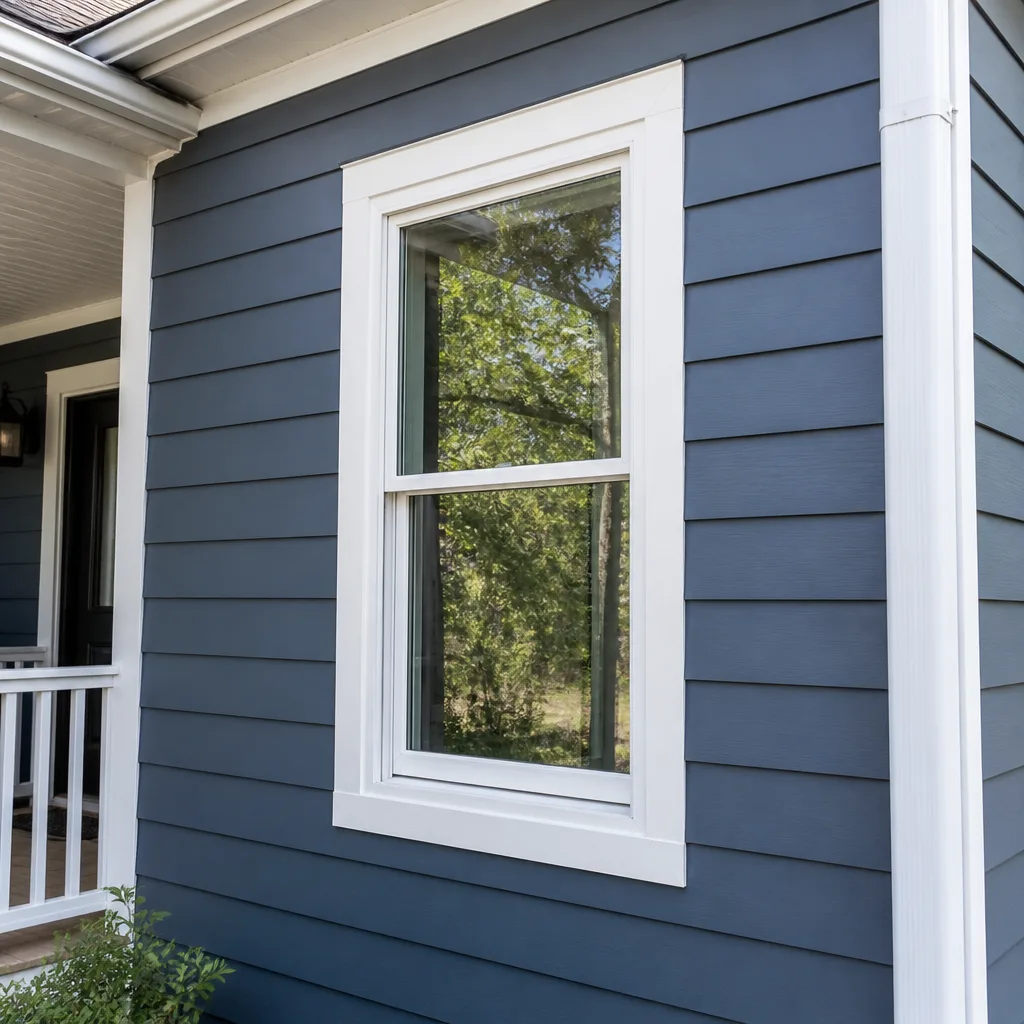
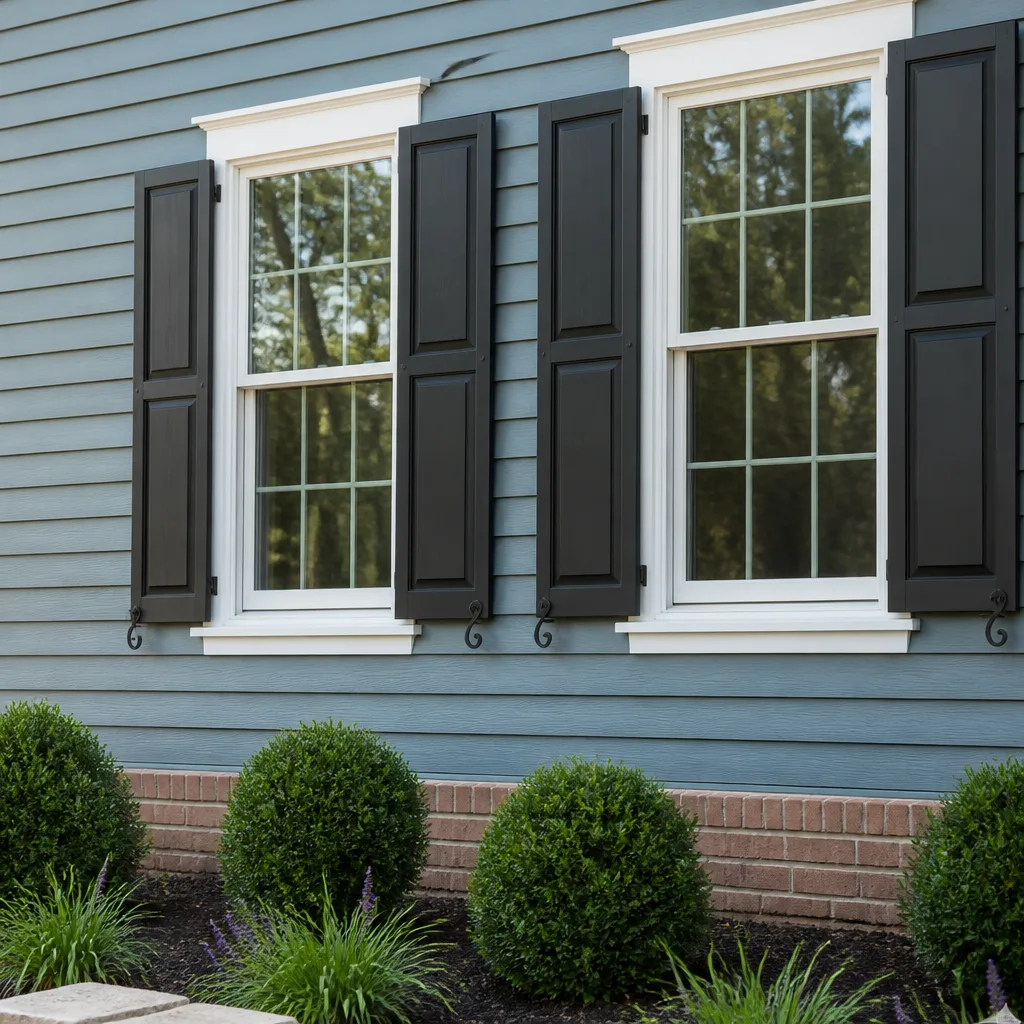
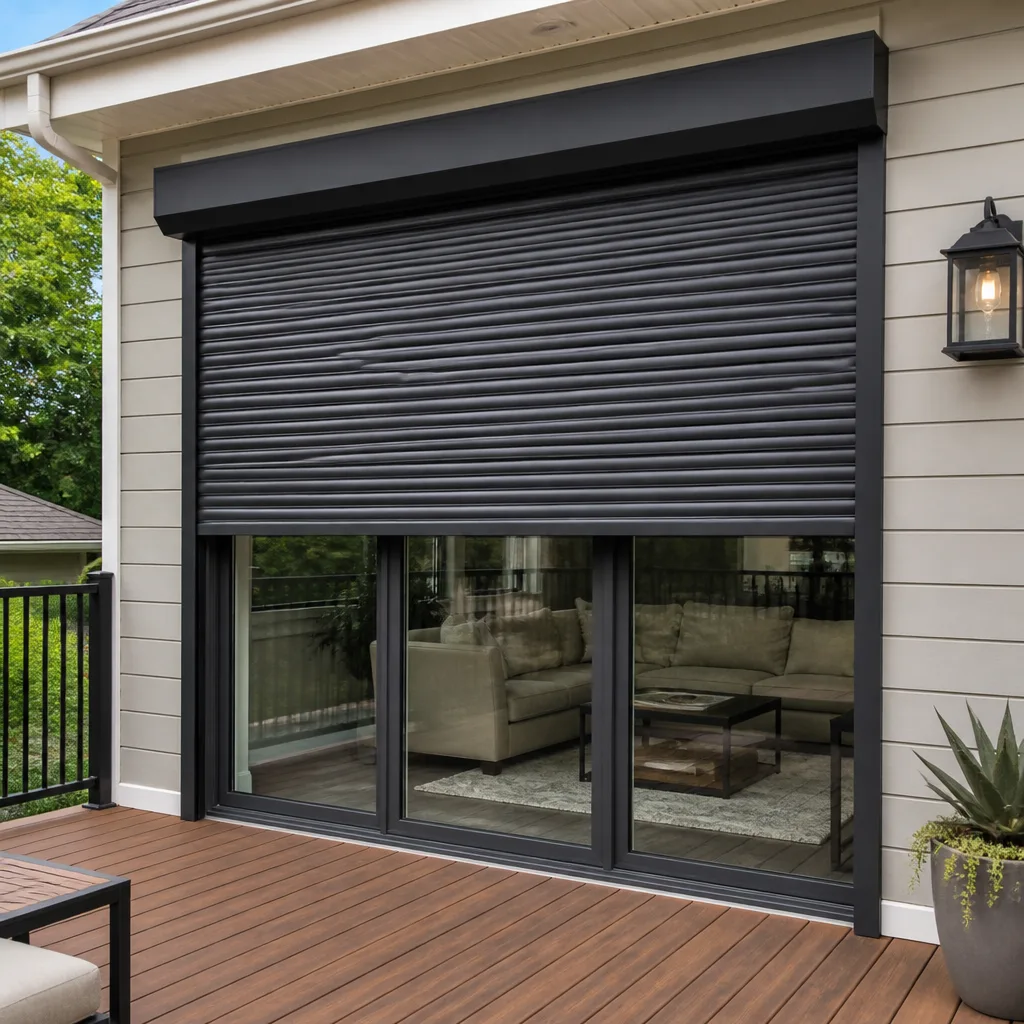
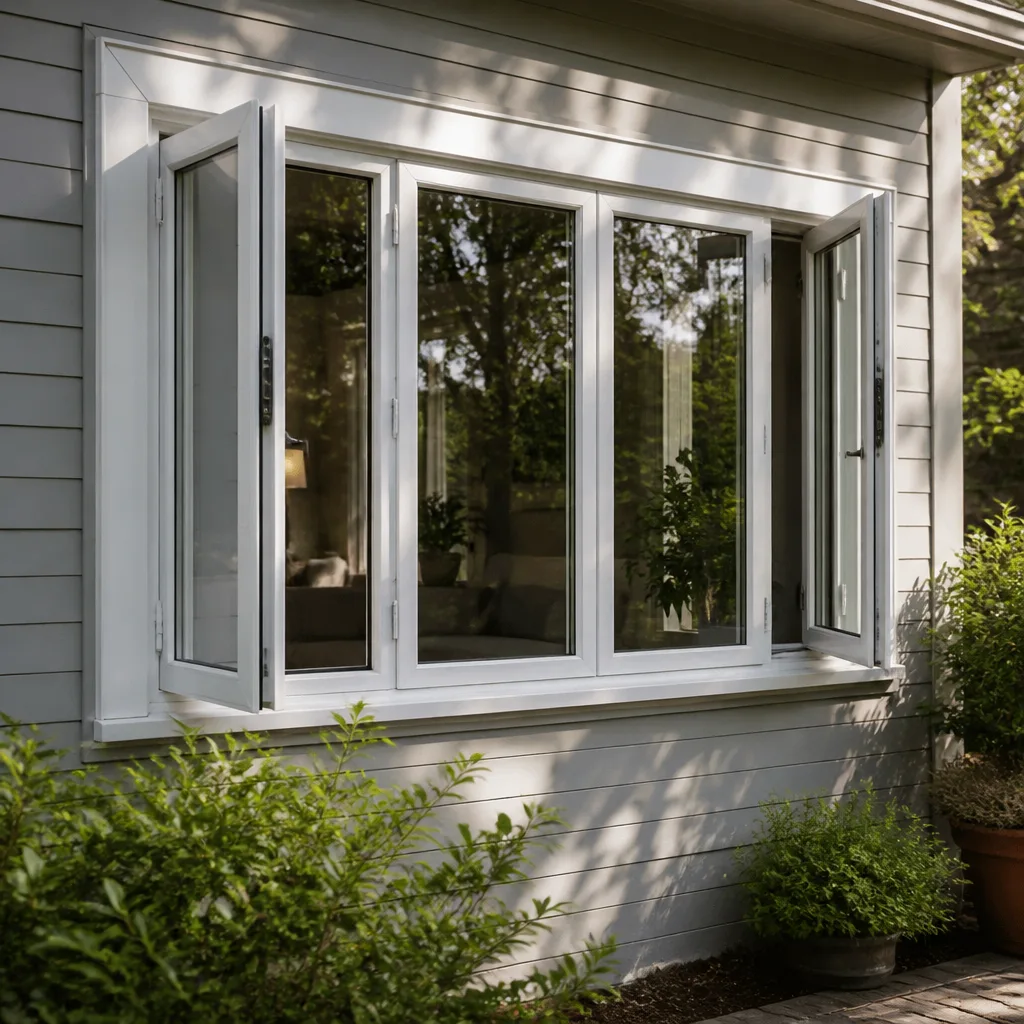
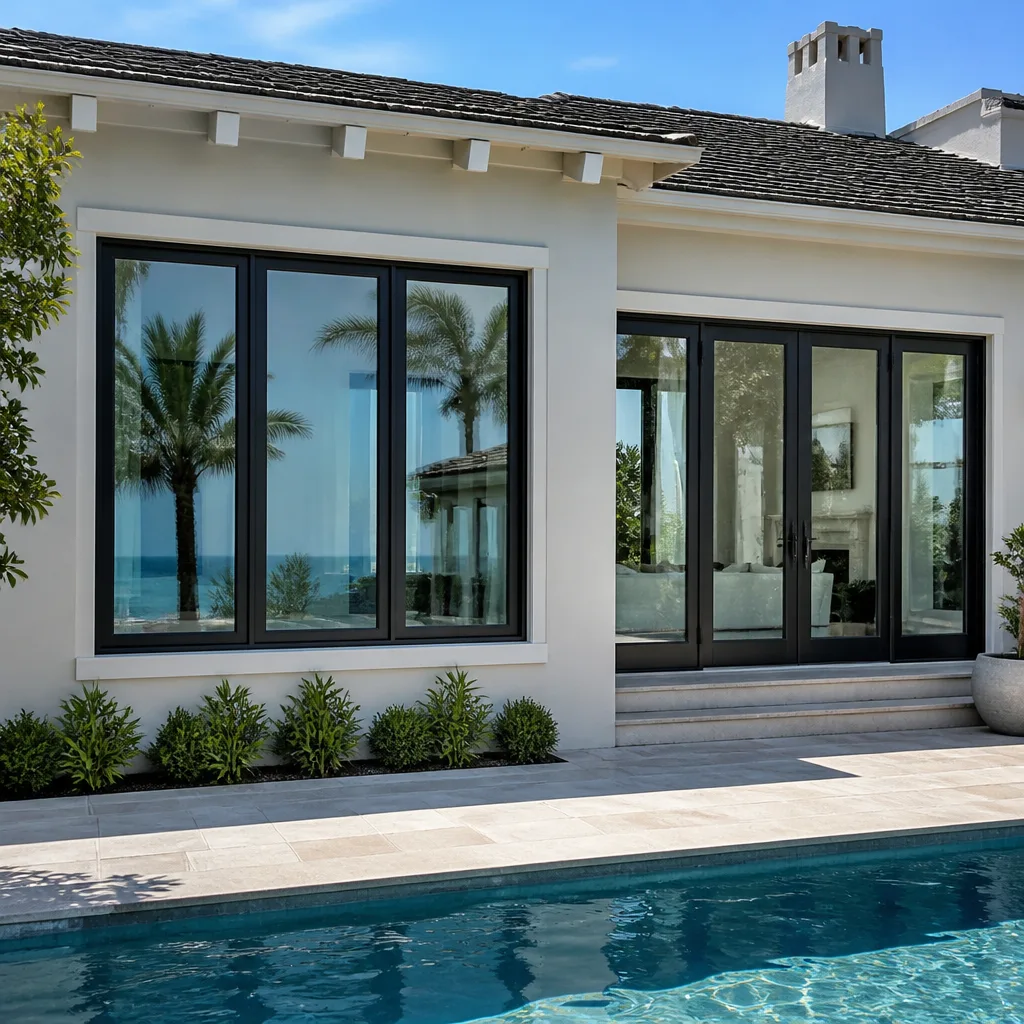
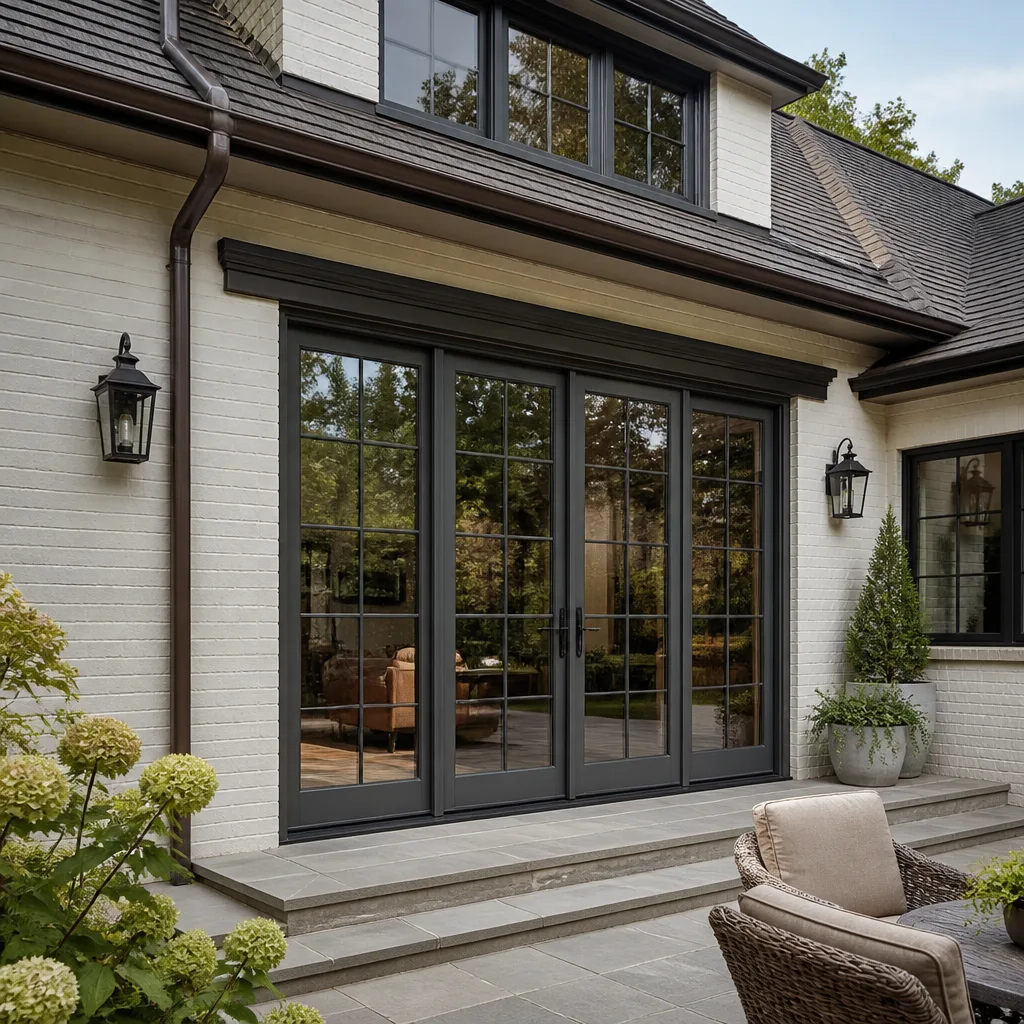
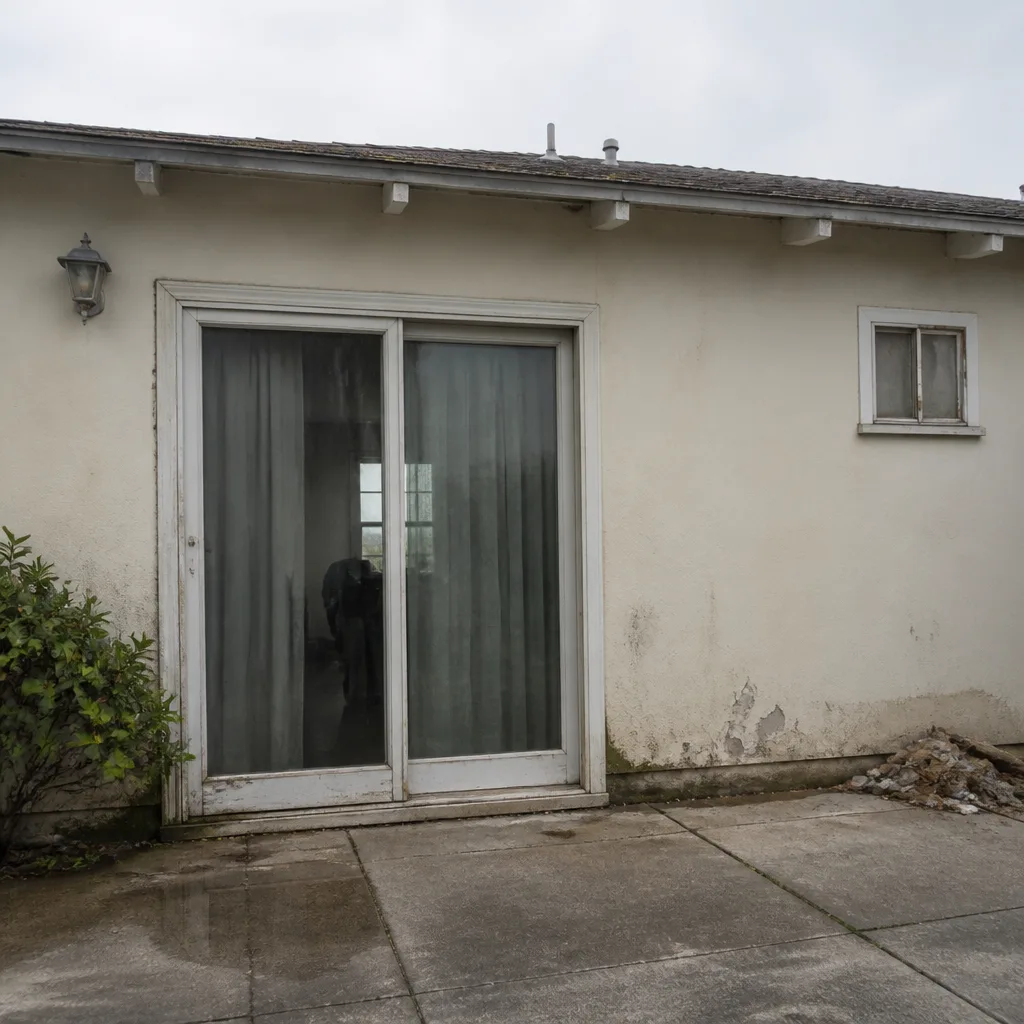 Before
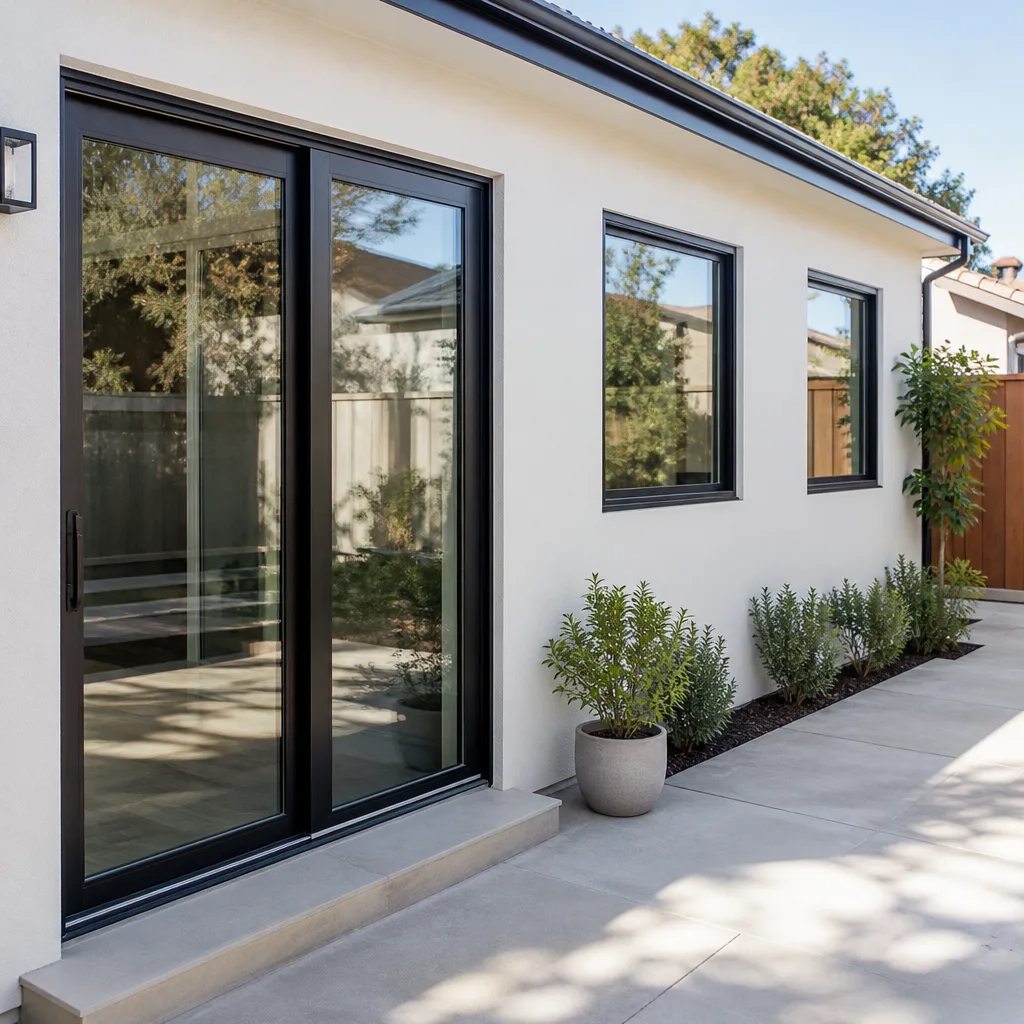 After
After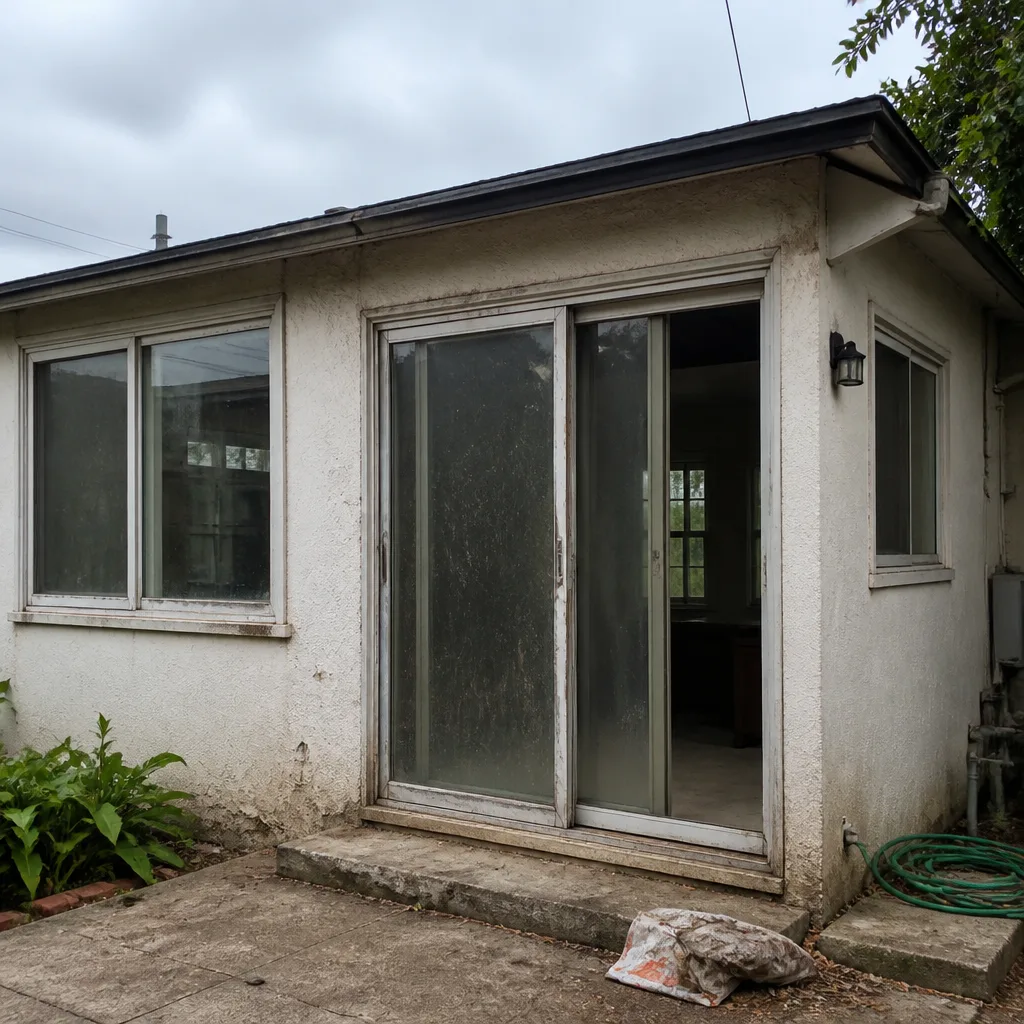 Before
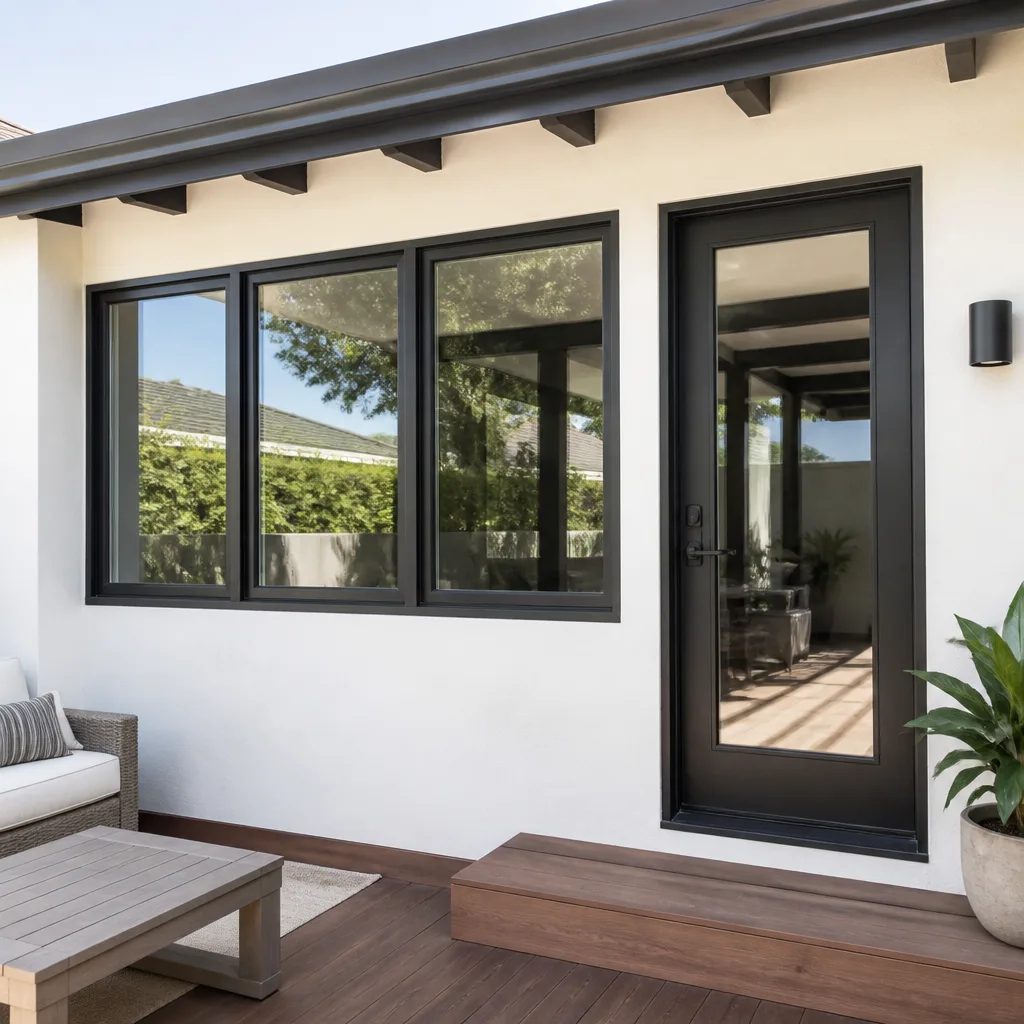 After
After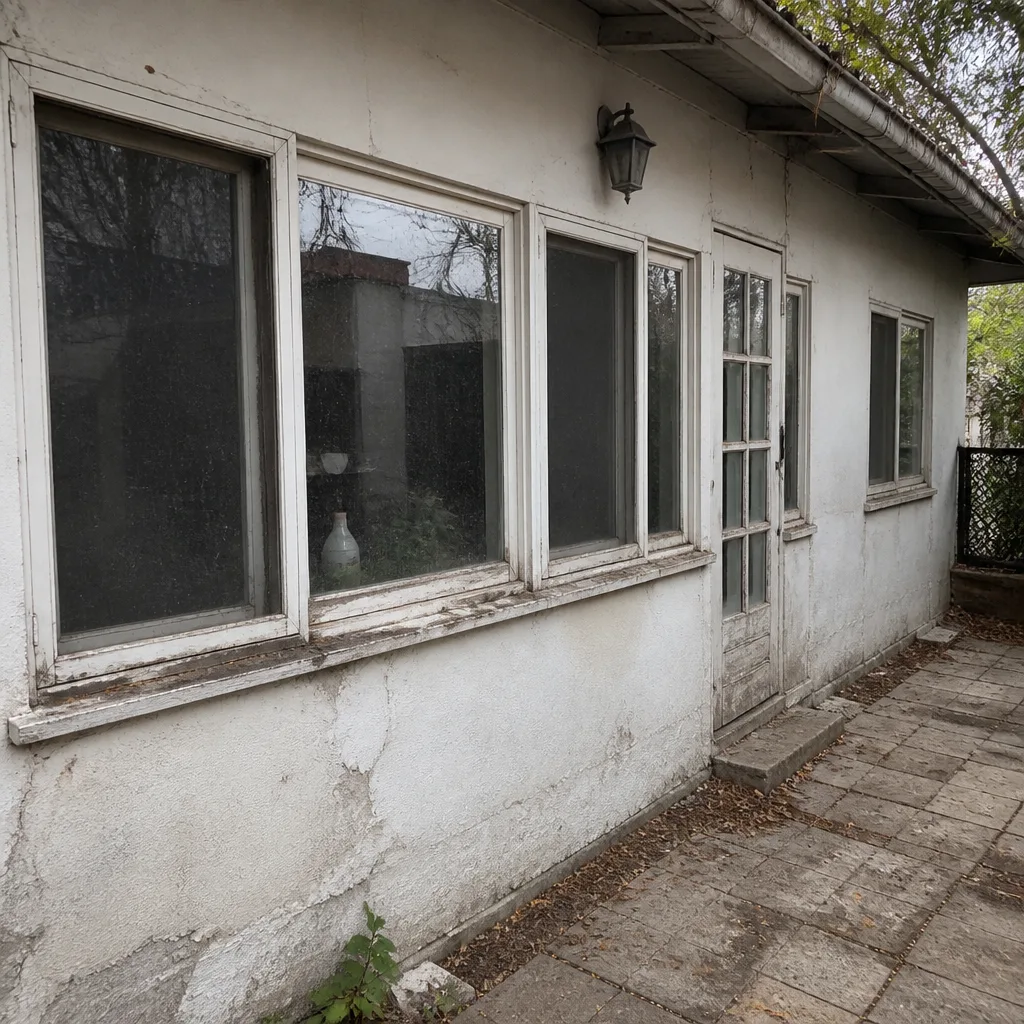 Before
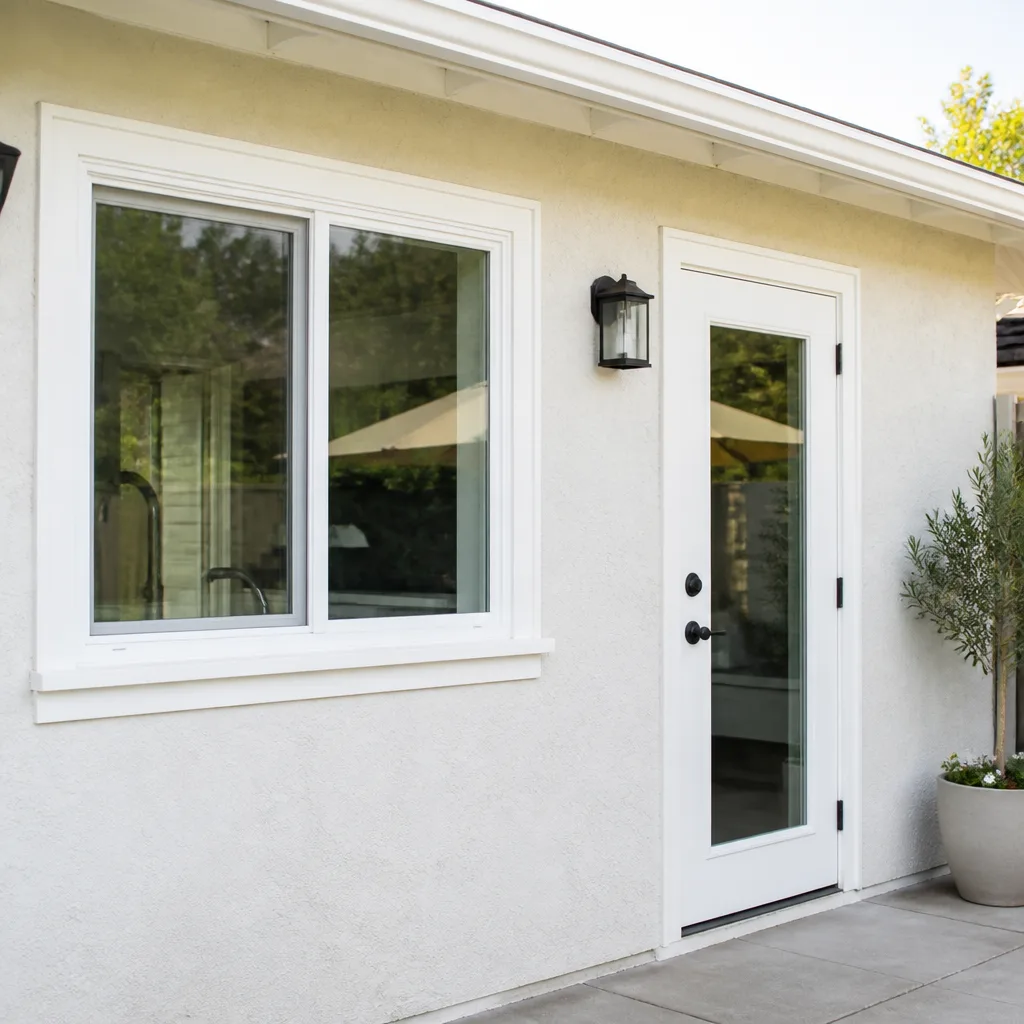 After
AfterThe Complete Window Replacement Guide for Los Angeles Homeowners
California’s Title 24 energy code can reject a window that would pass inspection in 48 other states, and most Los Angeles homeowners don’t discover that until the inspector is already standing in the driveway. It’s a costly way to learn that our Window Replacement services here aren’t a national-average proposition. This guide is built around Los Angeles’ actual climate zones, permit requirements, and installed price ranges, so you can make one good decision instead of two expensive ones.
Quick Answer
Window replacement in Los Angeles typically costs $600-$1,800 per window installed, depending on frame material, glass package, and whether you need a retrofit or full-frame installation. The right window for your home depends on which of LA’s three climate zones you live in, plus Title 24 energy code requirements for your specific NFRC ratings. A written, fixed price before work starts is the single best protection against contractor pricing games.
Table of Contents
- How LA’s Climate Zones Change What You Should Buy
- Title 24 Compliance: What the Inspector Actually Checks
- Real Installed Prices in Los Angeles by Window Type
- Retrofit vs. Full-Frame: Which One Your House Needs
- How to Vet a Window Contractor in Los Angeles
- Glass Packages: Low-E, Argon, and What Actually Pays Back
- Common Mistakes to Avoid
- When to Call a Professional
- Frequently Asked Questions
How LA’s Climate Zones Change What You Should Buy
Los Angeles is not one climate. The city spans three distinct zones, and a window that performs beautifully in Playa del Rey will sweat and underperform in Woodland Hills. This is the single most common reason we see homeowners replace windows twice.
The coastal zone, from Santa Monica down through San Pedro and up to Pacific Palisades, deals with marine layer humidity for half the year. Vinyl frames hold up well here, but you’ll want to pay attention to condensation resistance ratings. Aluminum frames in this zone tend to collect moisture at the corners, and over fifteen years we’ve watched that turn into corrosion and seal failure along the coast more than anywhere else in LA.
The inland valleys, including the San Fernando Valley, Glendale, Pasadena, and the eastern stretches toward San Bernardino, get real temperature swings. Summer heat pushes past 100°F regularly in August, and winter nights dip into the 40s. This is where low-e glass coatings earn their keep. A proper low-e window with argon fill (an invisible gas between the panes that slows heat transfer) cuts cooling costs noticeably in these neighborhoods when compared to clear double-pane glass from twenty years ago.
The high desert fringe, up through Palmdale, Lancaster, and the Antelope Valley, sees the most extreme swings of all: freezing winter nights and brutal summer afternoons. In this zone, dual-pane windows with insulated frames are the baseline, not an upgrade. We’ve also seen more wind-driven dust and sand up there, which means weatherstripping quality matters more than it does near the coast.
When we scope a window job in Los Angeles, the first question is never “what’s your budget.” It’s “what part of town are you in.” That answer tells us more about which frame material and glass package will actually pay back than any national buying guide ever could.
Title 24 Compliance: What the Inspector Actually Checks
California’s Title 24 Building Energy Efficiency Standards set minimum requirements for every replacement window installed in Los Angeles. The inspector will verify two specific NFRC ratings: U-factor and Solar Heat Gain Coefficient (SHGC). Understanding these two numbers before you sign a contract will save you from buying windows that fail inspection.
U-factor measures how well the window insulates. The lower the number, the better the insulation. In most of Los Angeles, Title 24 requires a maximum U-factor of 0.30 but specific requirements can shift year to year, which is why we always confirm current code before ordering. Coastal zones have slightly different requirements than inland zones.
SHGC measures how much solar heat passes through the glass. Again, lower means less heat enters the home. In the valleys where cooling costs dominate, a lower SHGC saves real money. Near the coast, where you actually want some passive solar warmth through the marine layer, the allowable SHGC runs higher.
Here’s what to ask for, in writing, before any contract is signed:
- The NFRC label on the actual window being ordered. Not a brochure. Not a “similar model.” The exact product page with the exact U-factor and SHGC.
- Confirmation from the contractor that the window meets or exceeds current Title 24 requirements for your specific climate zone.
- Whether the installer pulls the permit and schedules the inspection. If the answer is “you don’t need a permit for replacement windows,” walk away. You do in Los Angeles.
- A written note on how the old windows will be disposed of. Los Angeles has specific disposal requirements for old window glass and frames, and it’s part of proper installation.
The inspector’s job is not to admire the craftsmanship. It’s to verify the window you installed matches the window you said you’d install. When we install replacement windows in Los Angeles, every project includes the permit and the inspection, and the written quote covers both line items. That’s part of how the Westlight Windows & Doors home team operates.
Real Installed Prices in Los Angeles by Window Type
National window pricing guides are nearly useless in Los Angeles. Labor rates here run higher than most of the country, permit fees add real cost, and housing stock diversity means installation complexity varies enormously from one block to the next. These are the ranges we tell Los Angeles homeowners to expect for quality work in 2025, and they’re specific to our market.
Typical Installed Price Ranges in Los Angeles
- Single vinyl retrofit window, standard size: $600-$950 installed
- Single low-e glass package upgrade: Add $150-$300 per window
- Single full-frame vinyl window with new trim: $900-$1,400 installed
- Large picture window or sliding glass door replacement: $2,500-$5,500 installed
- Full-house window replacement (10-15 windows): $8,000-$18,000 installed
- Permit fees: $150-$500 depending on scope and jurisdiction
- Old window disposal: $25-$75 per window, often bundled into the per-window price
These are installed prices for mid-grade quality products. The spread exists because a 1930s Spanish Revival in Los Feliz does not install the same way as a 2003 tract house in Valencia. Older homes with custom sizes, rotted framing, or out-of-square openings push toward the top of each range. Standard sizes on newer construction sit at the lower end. A price that seems too good to be true, like $350 installed, usually means a handyman without a CSLB license putting in a builder-grade window with no permit and no warranty that will survive a Los Angeles summer.
One more thing about pricing: the quote you get should be the price you pay. No revised invoices at the door, no “we found rot when we opened the wall” surprise if the company did a proper pre-installation inspection. Our approach at Westlight is to put the price in writing before work starts and to hold to it. That’s the Kingswell Guarantee, and it means the number on the proposal is the number you write the check for.
Retrofit vs. Full-Frame: Which One Your House Needs
The difference between a retrofit (also called a pocket installation, which is an insertion method) and a full-frame tear-out is not about quality. It’s about what your existing window frame can support. Los Angeles housing stock makes this decision more complicated than most guides admit.
A retrofit installation fits a new window into the existing frame. The old sashes come out, but the outer frame stays in place. This works well when the current frame is square, solid, and not rotted. On most post-1980 stucco homes in Los Angeles, where frames were standard sizes and the surrounding structure is still sound, retrofit is the common approach. It’s faster, less invasive, and costs 20-30% less than full-frame.
A full-frame tear-out removes everything down to the rough opening. This gives us a clean look at the framing, lets us replace any rotted wood, and allows for a slightly larger glass area since we’re not constrained by the old frame dimensions. In Los Angeles, this approach is frequently necessary on pre-1960 wood-frame homes where years of irrigation overspray and termite activity have compromised the original frames. We’ve opened walls in Pasadena and Hancock Park and found wood that was barely holding the window in place. You don’t want a new window installed into that.
Here’s how to think about the decision:
- If your home was built after 1980 and the frames are solid and square: Retrofit is likely your answer, and you’ll save money.
- If your home is pre-1960, or you see visible rot, termite damage, or water staining around current windows: Get a full-frame quote, and expect the contractor to replace some framing lumber as part of the job.
- If you want to change window size, shape, or add a new window opening: Full-frame is mandatory. You can’t retrofit a different size.
- If you’re in a historic preservation overlay zone like parts of Angelino Heights or West Adams: Check with LADBS before ordering anything. Some districts require specific styles or materials.
A reputable Los Angeles window contractor will inspect the existing frames before quoting and tell you which installation method your house actually needs. If someone quotes a retrofit over the phone without looking at the frames, that’s a red flag. This is exactly the kind of thing we cover in our Window Installation in Los Angeles process: site visit, frame inspection, written recommendation, then a price.
How to Vet a Window Contractor in Los Angeles
Los Angeles has more licensed contractors than any city in the country. It also has a steady supply of unlicensed flippers, out-of-town crews working under borrowed license numbers, and companies that change names every few years to outrun their warranty obligations. Here’s the vetting process we recommend to every Los Angeles homeowner, and it’s the same process we’d use if we were hiring someone ourselves.
Step 1: Check the CSLB license. The California Contractors State License Board maintains a public database at cslb.ca.gov. Enter the license number, confirm it’s active, and check the license holder’s name matches the person you’re dealing with. If the license is under a different name than the person quoting the job, ask why. In Los Angeles, legitimate contractors carry their license number on their vehicles, their proposals, and their business cards. No license, no exceptions.
Step 2: Get three written quotes, then compare them for what’s included. The cheapest quote often excludes the permit, the disposal fee, or the low-e glass upgrade that Title 24 requires. Compare line items, not bottom lines. A written price before work starts, with no revised invoices allowed, is the minimum standard in a city where door-step price jumps are a known problem.
Step 3: Ask about the warranty in specific terms. “Lifetime warranty” means nothing if the company that issued it changes its phone number next year. Ask what happens if a window seal fails in year two. Who comes back? What does it cost? Our answer at Westlight is written on the guarantee we hand to every customer at job completion: if the work is not right within the guarantee period, we return and fix it at no charge. That’s the 365-Day Done Right Promise, and it’s in writing before we leave the job site.
Step 4: Ask who is doing the installation. Many Los Angeles window companies sell the job and then subcontract the labor to a crew they’ve never met. Ask directly: who shows up on installation day? Are they employees of the company you’re paying? At Westlight, every technician on a Los Angeles job is background-checked and uniformed, working under our direct supervision. You’ll know exactly who is walking through your door.
One more point on accountability: the Kingswell Guarantee, which governs every Westlight job, has four parts. A written price before any work starts. A committed arrival window that we actually hit. A job site left cleaner than we found it. And a written guarantee on the completed work. If a repair fails within the guarantee period, we return and correct it at no charge. Those are the terms, and they’re on paper for every customer. Most Los Angeles window companies can’t or won’t put that in writing.
For a deeper look at how to approach the buying process, our Window Replacement in Los Angeles page walks through the whole project sequence.
Glass Packages: Low-E, Argon, and What Actually Pays Back
Glass upgrades are where Los Angeles homeowners both overspend and underspend, often on the same project. Here’s a straight read on what the glass package options actually do in our climate.
Low-e glass (a thin coating that reflects heat back into the room in winter and out in summer) is the single highest-value upgrade for most Los Angeles homes. In the valleys, it cuts cooling costs by reflecting solar heat before it enters the home. Along the coast, it reduces the damp chill that marine layer mornings bring through single-pane glass. If your budget forces a choice between a nicer frame and low-e glass, take the low-e glass every time.
Argon fill is an invisible gas pumped between the panes during manufacturing. It slows heat transfer better than plain air, and most quality double-pane windows in Los Angeles now include it as standard. The key thing to know is that argon slowly leaks over years, so a ten-year-old “gas-filled” window may no longer be gas-filled. This is one reason the initial quality of the window seal matters so much. A cheap window with argon fill is just a cheap window with a temporary upgrade.
Impact-rated glass is worth knowing about even if you’re not in a wildfire zone. Products from manufacturers like CGI and PGT are built to withstand flying debris, which in Los Angeles terms also means the Santa Ana wind season when tree branches and loose patio furniture turn into projectiles. If your home sits in a hillside canyon or an area with high wind exposure, impact glass is a legitimate safety upgrade, not just a Florida thing.
For homeowners in standard suburban Los Angeles conditions, the right glass package is usually low-e dual-pane with argon fill. That combo meets Title 24, cuts cooling costs in the valleys, and holds up through the marine layer along the coast. We carry ECO Window Systems and CWS among our eight manufacturer lines, which gives us the flexibility to put the right glass in the right house rather than forcing one brand into every job. ES Windows also comes up when we’re working in contemporary homes with larger glass areas where frame strength matters more.
Common Mistakes to Avoid
- Buying windows based on national-average pricing. Los Angeles labor, permit fees, and housing stock make our market different. A guide written for Ohio won’t tell you what your Pasadena bungalow actually needs.
- Signing a contract without verifying Title 24 compliance. If the window doesn’t meet the U-factor and SHGC requirements for your climate zone, the inspector will fail it. You’ll pay to correct it and you won’t get a refund from the installer who didn’t know any better.
- Accepting a quote with a vague “installation included” line. It should specify the permit, the disposal, the flashing, the trim work, and the cleanup. Vague language is where door-step revisions hide.
- Skipping the CSLB license check. An unlicensed operator in Los Angeles can’t pull a permit, can’t guarantee anything, and often can’t be found when the window fails. The license lookup takes three minutes.
- Choosing windows purely on price. A $400 installed window that seals fail in year three is a $1,200 decision once you pay to replace it. The cheapest window is rarely the cheapest window.
- Delaying window replacement past the point of seal failure. A failed double-pane window isn’t just foggy. It’s an opening for moisture that rots framing from the inside. By the time you see water damage on the interior wall, the repair scope has grown.
- Not asking about the return trip. Every window company promises a warranty. Ask what happens if the repair fails. If the answer is “call us and we’ll work something out,” that’s not a guarantee. That’s a hope.
When to Call a Professional
Window replacement is not a do-it-yourself project. Cutting out an old window without damaging the surrounding framing takes experience, and installing a new one square and sealed requires tools and techniques that most Los Angeles homeowners don’t have in the garage. More importantly, a DIY installation that fails to meet Title 24 will fail inspection, and the homeowner is the one who pays to fix it. If you have a broken seal, visible rot, drafty frames, or windows that simply won’t open, that’s the time to bring in a professional. Westlight Windows & Doors offers free estimates in Los Angeles - call (903) 354-7134 and we’ll schedule a site visit, inspect the existing frames, and put a written price in front of you before any work starts.
Frequently Asked Questions
Window replacement in Los Angeles typically runs $600-$1,800 per window installed, with full-house projects ranging from $8,000-$18,000 depending on window count, frame condition, and glass package. These figures include installation labor, standard permits, and disposal. Call (903) 354-7134 for an exact quote for your home - estimates are free.
Yes, Los Angeles requires a permit for window replacement. The permit verifies that your new windows meet Title 24 energy code requirements for your climate zone. A licensed contractor must pull the permit, schedule the inspection, and ensure the windows pass. If a contractor tells you a permit isn’t needed, that’s a sign you’re dealing with someone unlicensed.
A retrofit installation places a new window into the existing frame, while a full-frame tear-out removes everything down to the rough opening and replaces any damaged framing. Retrofit works for standard post-1980 Los Angeles homes with solid frames. Full-frame is often necessary for pre-1960 wood-frame houses where rot or termite damage is common. Call (903) 354-7134 to schedule a frame inspection and find out which approach your house needs.
Title 24 is California’s Building Energy Efficiency Standards, and it sets minimum U-factor and SHGC ratings for replacement windows in Los Angeles. Your NFRC ratings must meet or exceed the requirements for your specific climate zone. An inspector verifies these numbers on the installed window. If the window doesn’t comply, the project fails inspection until it’s corrected.
A typical full-house window replacement of 10-15 windows takes two to five working days, depending on installation method, frame condition, and any framing repairs discovered once old windows come out. A single window replacement is usually done in one day. Permit scheduling can add time, but your contractor should manage that process for you.
If your windows have failed seals, visible rot, drafts, or difficulty opening and closing, replacement is usually the better investment than repeated repairs. Repair makes sense for minor hardware issues. Once a double-pane seal fails, the window’s insulation value is gone and moisture is getting into the frame, so replacement is the standard fix. Call (903) 354-7134 for an honest assessment - the estimate is free.
Look for an active CSLB license, a written line-item quote that includes permit and disposal fees, clear warranty terms that explain what happens if the work fails, and installers who are employees rather than anonymous subcontractors. In Los Angeles, the company’s willingness to put the price and the guarantee in writing before work starts is the strongest signal of accountability you’ll find. Our Door Installation in Los Angeles page explains how we apply the same commitment to entry doors.
The Bottom Line
Window replacement in Los Angeles demands local knowledge: Title 24 compliance, climate-zone-specific glass choices, and a contractor who puts the price and the guarantee on paper before touching the job. For DIY vs Professional Door Installation: What’s Safe to Do Yourself, the same accountability standards apply. The right window for a Coastal Los Angeles home is not necessarily the right window for the San Fernando Valley, and a pre-war Pasadena house needs different installation work than a 1990s Sherman Oaks tract home. Get a CSLB-verified contractor, demand a written fixed price, and insist on a written guarantee that explains exactly what happens if something fails. That standard is the Kingswell Guarantee that Owen Satterfield and the Westlight team have stood behind since 2009.
Written by Owen Satterfield, Owner at Westlight Windows & Doors, serving Los Angeles since 2009. Explore more guides & resources from our team.