
Last updated October 8, 2026
Free in-home measure and quote - PGT, CGI and CWS impact lines compared on your actual openings, style by style
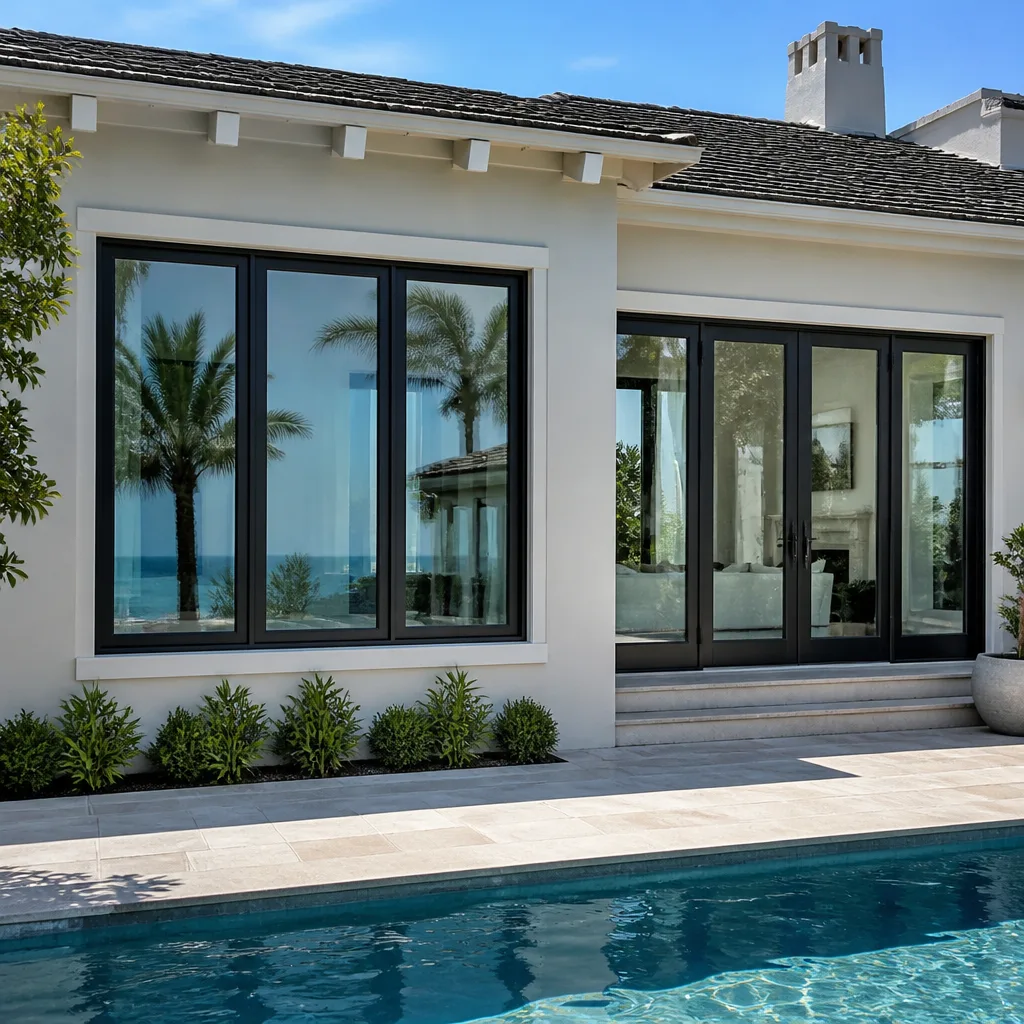
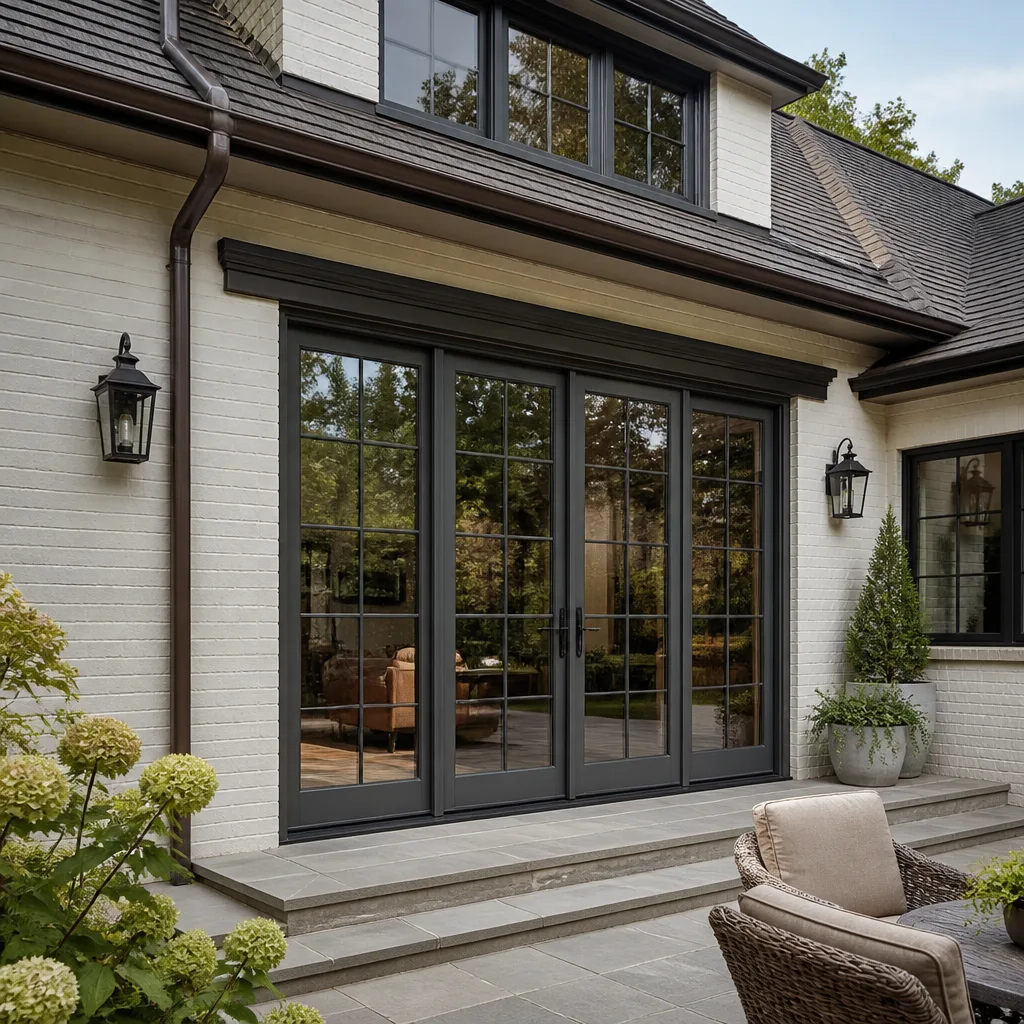
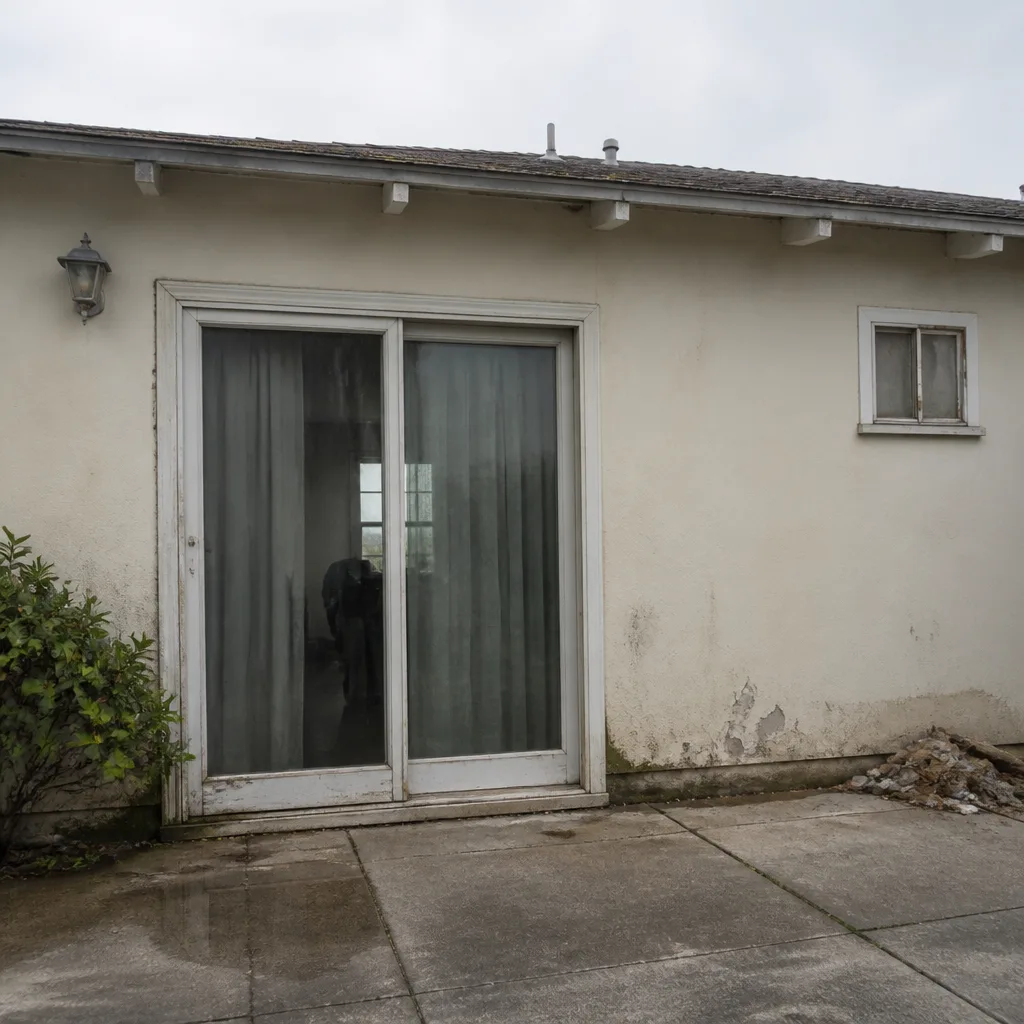 Before
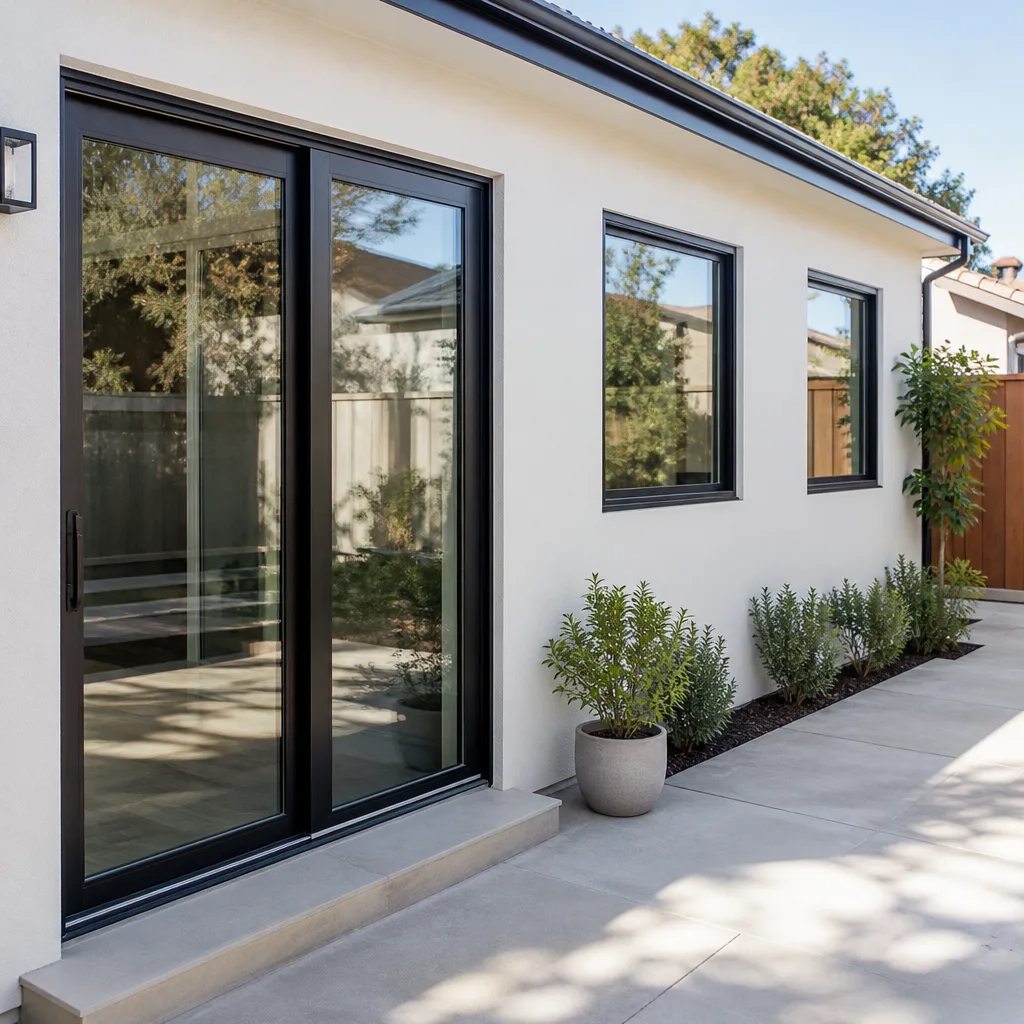 After
After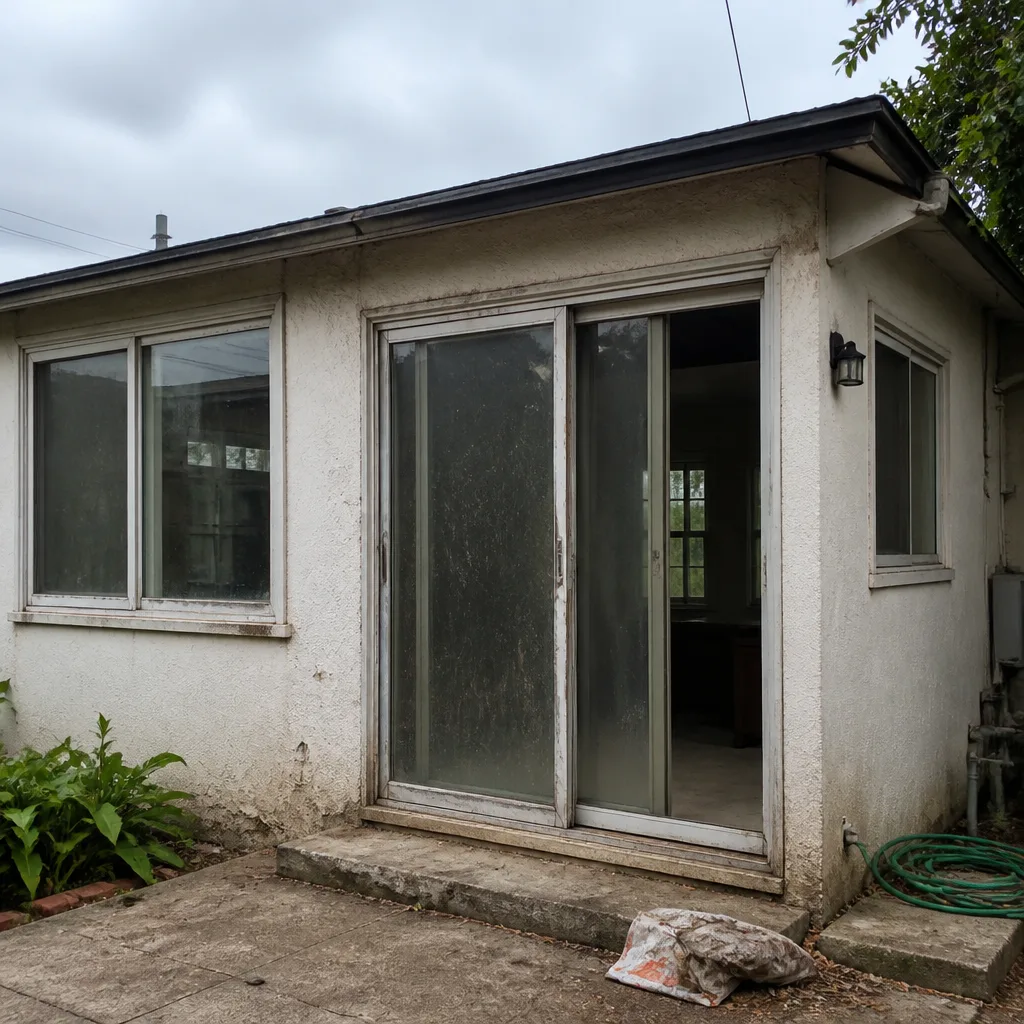 Before
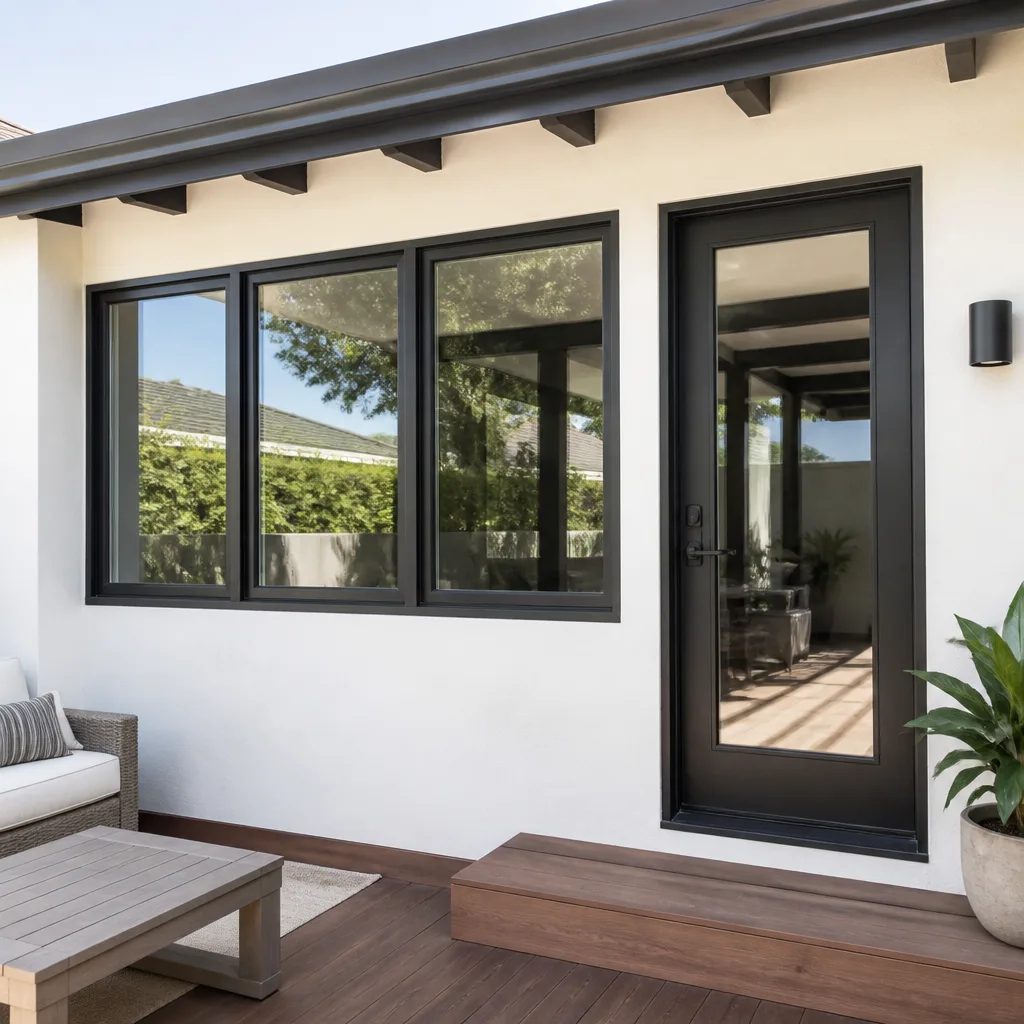 After
After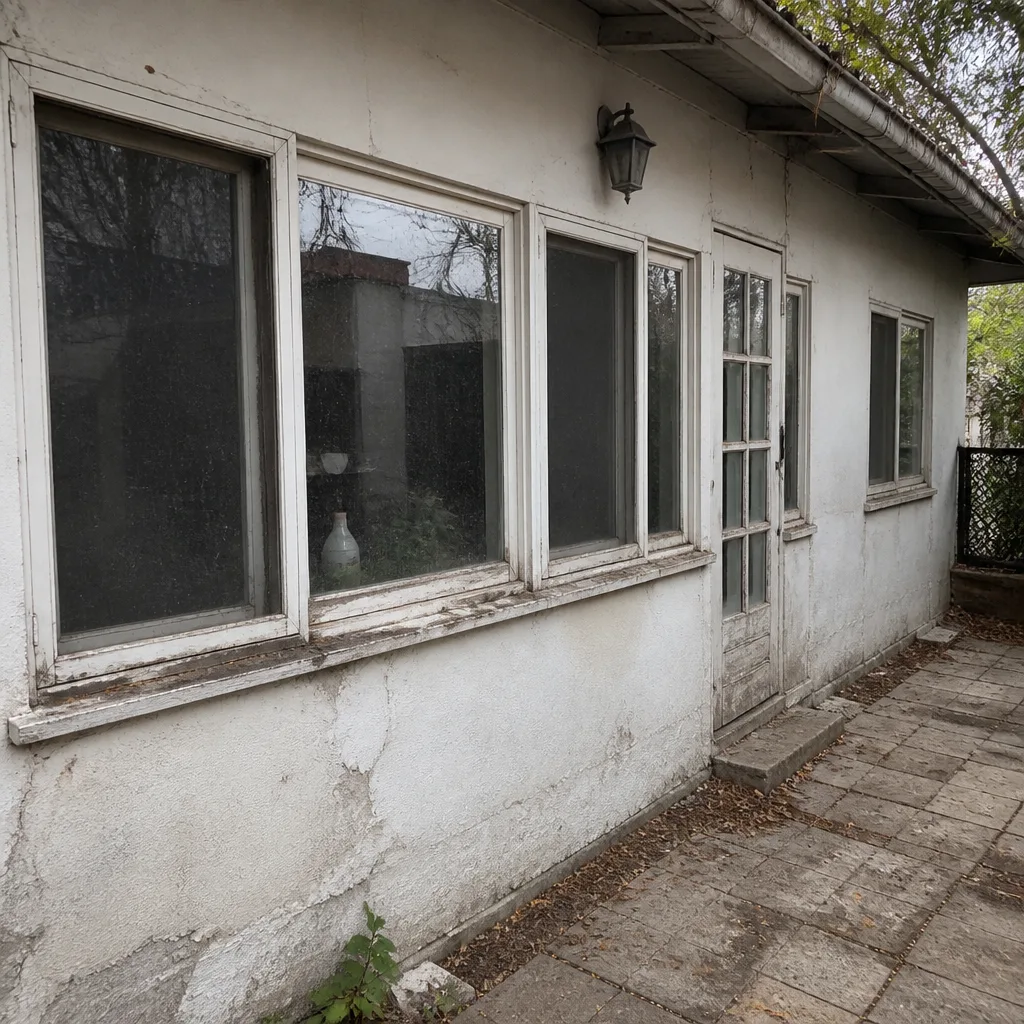 Before
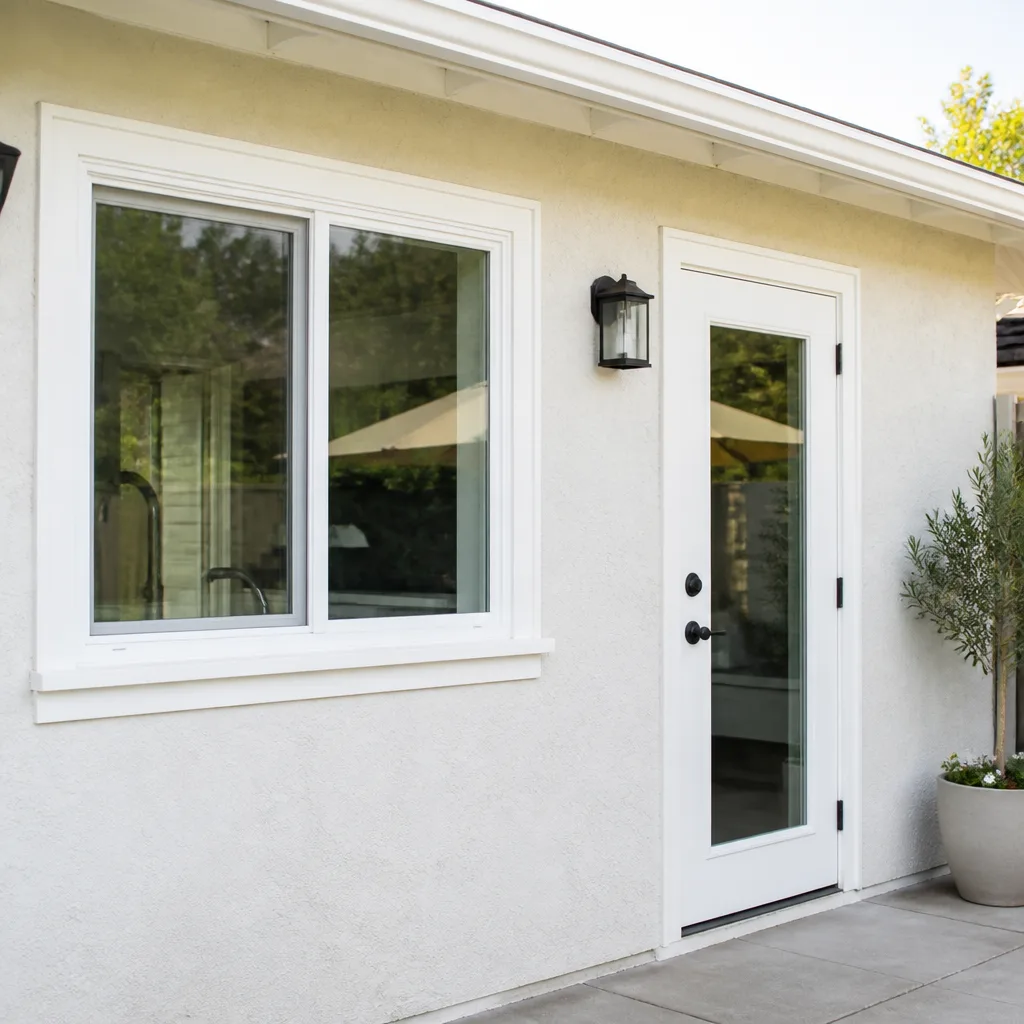 After
AfterDIY vs Professional Windows & Doors: The Los Angeles Homeowner’s Decision Guide
Here’s the counterintuitive truth most Los Angeles homeowners discover too late: a DIY window replacement that saves $750 in labor can trigger an insurance claim denial five years later worth $40,000. The insurer doesn’t care how carefully you flashed the sill. They care that the work was unpermitted and unlicensed. This guide maps the real decision landscape for Los Angeles window and door projects: which jobs a competent homeowner can genuinely handle, which ones carry California code and warranty landmines, and where the honest break-even point sits between sweat equity and professional installation. We’ll walk through actual permit requirements, real warranty language, fire-zone glazing rules, and the tools most YouTube videos conveniently leave out.
Quick Answer
DIY makes sense for interior door hardware, weatherstripping, screen replacement, and cosmetic trim work in Los Angeles. Full window replacement, exterior door frame installation, and any product rated for fire or impact zones should be handled by a licensed professional. For a deeper look at what can go wrong, see our Door Installation Warning Signs Every Homeowner Should Know. The deciding factors are permit obligations under the California Building Code, manufacturer warranty fine print that voids coverage on self-installed products, and LA’s wildfire and earthquake retrofit requirements that overlap with window and door work more than most homeowners realize.
Table of Contents
- Where DIY Genuinely Works in Los Angeles
- The Warranty Fine Print That Kills DIY Savings
- Los Angeles Code, Permits, and the Liability Gap
- Fire Zones, Hillside Homes, and Glazing Requirements
- The Real Tool and Time Cost of a DIY Installation
- A True Cost Comparison: DIY vs Professional in Los Angeles
- Getting a Professional Inspection of DIY Installed Windows and Doors
Where DIY Genuinely Works in Los Angeles
Plenty of window and door tasks are honest DIY territory. The projects that fail expensively are the ones where homeowners misjudge which category they’re in. Here’s the honest breakdown.
Interior door hardware replacement is the safest win. Swapping a doorknob, deadbolt, or hinge requires basic tools, takes under an hour, and touches nothing structural. The same goes for applying weatherstripping to an existing door frame. In older Los Angeles neighborhoods like West Adams or Highland Park, homes built before 1970 often have tired felt stripping that’s easy to remove and replace with adhesive-backed foam or V-channel vinyl. It’s unglamorous work that immediately quiets drafts.
Screen replacement for windows is another legitimate DIY job. If the frame is intact and only the mesh is torn, a screen spline kit costs about $15 at any hardware store in the San Fernando Valley or South Bay. It’s fiddly the first time, but there’s no structural risk and no code inspection requirement.
Interior trim and casing work also falls on the DIY side of the line. If a door casing is scratched or a window stool board is water-stained, you can pull and replace interior trim without touching the thermal envelope of the house. This is cosmetic work. Los Angeles building code treats it that way.
Where DIY stops working is any project that changes the weather barrier. Replacing a full window, cutting into an exterior wall for a new opening, or rehanging an exterior door slab means disturbing flashing, waterproofing, and the structural connection between framing and finish. That’s the line. Cross it without a permit in Los Angeles and you’ve created a liability you’ll carry until you sell the house or fix the problem.
The Warranty Fine Print That Kills DIY Savings
Most homeowners assume a window warranty covers the glass and the frame regardless of who installs it. That assumption is wrong in ways that matter financially.
Read the actual warranty language from major manufacturers and you’ll find near-identical clauses. PGT, for instance, states that its warranty only applies when installation is performed by a “qualified professional installer” and that improper installation voids coverage. Therma-Tru’s door warranty has similar language: it explicitly excludes damage caused by “installation other than by a qualified professional.” ViewLux and CGI publish the same structure. The manufacturers aren’t being difficult. They understand what Los Angeles homeowners often don’t: a perfectly manufactured window installed with flawed flashing fails exactly the same way as a defective unit, and the manufacturer can’t control installation quality if the end user does it themselves.
The financial stakes are specific. A failed insulated glass unit in a large picture window in Santa Monica or Pasadena might cost $900 to $1,900 to replace. A warped fiberglass entry door from moisture intrusion in the marine layer air of Venice or Playa del Rey can run $2,500 to $4,500. If the warranty is void because a non-licensed homeowner installed it, those costs come out of pocket.
Here’s the practical impact in Los Angeles terms:
- A self-installed PGT window carries no manufacturer glass breakage or seal failure coverage.
- A self-installed Therma-Tru door carries no coverage for warpage, rot, or finish degradation.
- The “labor allowance” most warranties include, typically $50 to $100 per opening, only applies when a licensed contractor performed the installation.
- If a water leak from a self-installed window causes interior drywall or mold damage, neither the window manufacturer nor a homeowner’s insurance policy will cover it in most cases, because unpermitted work is a standard exclusion.
We see homeowners in our Los Angeles showroom every month who bought a quality window at a big box store, installed it themselves, and then discovered three years later that the seal failed and the warranty was worthless. The $400 they saved on installation cost them $1,200 in glass replacement. That’s not a trade anyone makes twice.
Los Angeles Code, Permits, and the Liability Gap
The city of Los Angeles requires permits for window replacement when the work involves structural changes, size changes, or any modification to the opening. The same applies to exterior door replacement when the rough opening is altered. Some homeowners assume a like-for-like swap is exempt. It often isn’t in buildings subject to the city’s retrofit ordinances or within historic preservation overlay zones like Hancock Park or Angelino Heights.
The permitting process in Los Angeles isn’t just paperwork. It’s a legal acknowledgment that the work meets California Building Code, Los Angeles zoning, and Title 24 energy efficiency standards. Here’s what the permit actually requires for window and door work in most LA neighborhoods:
- Submit a permit application with project details and window specifications meeting Title 24 energy codes.
- For projects in designated seismic retrofit zones, demonstrate compliance with anchoring requirements for window and door frames.
- For projects in Very High Fire Hazard Severity Zones, documented compliance with wildfire-resistant glazing and framing material requirements.
- Pass an inspection after installation that verifies flashing, anchoring, and safety glazing compliance.
The hidden cost of skipping this process isn’t the permit fee, which for a typical 3 to 5 window replacement project runs between $150 and $500 depending on scope. The hidden cost is the liability transfer. When a licensed contractor pulls the permit, the contractor’s insurance covers errors. When a homeowner skips the permit and installs themselves, every future problem is on the homeowner: water damage, mold, structural rot, and any insurance claim that gets denied because the work was unpermitted. We’ve helped Los Angeles homeowners remediate exactly this situation, and the remediation always costs more than the original professional installation would have.
Fire Zones, Hillside Homes, and Glazing Requirements
Los Angeles contains more homes in Very High Fire Hazard Severity Zones than any other major city in California. That designation isn’t abstract. It carries legal requirements for windows and doors that make DIY installation especially risky.
Under Los Angeles building code, new and replacement windows in VHFHSZ neighborhoods must meet specific performance standards. The glazing must resist heat transfer that could cause interior ignition. Some areas require dual-pane tempered glass. Exterior doors in these zones may require specific materials that resist ember penetration. The neighborhoods affected include Bel Air, Brentwood hillside areas, parts of Sherman Oaks and Encino near the canyons, La Canada Flintridge adjacent communities, and much of the San Gabriel foothills. A homeowner doing DIY work in these areas who installs standard annealed glass instead of the required fire-rated glazing has created a code violation that an insurer can use to deny coverage after a fire event.
Manufacturers like PGT and CGI build impact-rated and heat-hardened products specifically for these zones. The rating is part of the frame labeling. If a window is tested and labeled for fire-zone use but installed by a non-licensed homeowner who doesn’t understand the anchoring requirements, the label means little in an actual fire event. The frame may perform, but the installation may fail under the extreme negative pressure that wildfire-driven winds create. Los Angeles building officials we’ve spoken with describe a common failure: DIY-installed windows in fire-zone homes that pass a casual visual check but fail under the pull and heat conditions that the rating was originally designed to survive.
For hillside homes on piers or retaining walls, additional seismic anchoring requirements apply. The window or door frame must be tied to the structure in a way that allows differential movement without breaking the waterproofing seal. A standard DIY installation using basic shims and flashing will not meet this standard on most hillside properties in Silver Lake, Echo Park, or Mount Washington.
The Real Tool and Time Cost of a DIY Installation
YouTube makes window replacement look like a 20-minute job with a pry bar and a caulk gun. The reality of a Los Angeles home, especially one built before the 1980s, is different in ways that matter to your weekend and your back.
Here’s what a real window replacement actually requires from a tool perspective, beyond the basics most homeowners own:
- An oscillating multi-tool for cutting through old caulk and paint without damaging framing.
- A proper pry bar and flat bar set for removing old windows without tearing up drywall.
- A level long enough to span the rough opening, not a 9-inch torpedo level.
- Wood shims, expanding foam, backer rod, and multiple types of sealant, including elastomeric caulk rated for LA’s UV exposure.
- Flashing tape and a moisture management system specific to your home’s exterior cladding, which in Los Angeles varies by neighborhood: stucco in many areas, wood siding in the foothills, brick in parts of the Westside.
- Drill bits and anchors rated for your framing material, which in older LA homes might be Douglas fir studs or, in some cases, redwood that’s harder than modern lumber.
The time cost is the thing YouTube never shows. A first-time DIY window replacement by a careful homeowner takes 4 to 6 hours per window when things go well. On an older Los Angeles home with stucco exterior, it can take 8 hours per window because the stucco repair around the new frame is its own sub-project. A professional crew installs 5 to 8 windows in a single day because they’ve done it hundreds of times and own the specialty tools.
The same math applies to exterior doors. A pre-hung exterior door installation looks straightforward, but a door that’s out of square by even 1/8 inch can bind, leak, and fail to latch. Getting a door square in an old Los Angeles home where the rough opening has shifted over 70 years takes experience. It also takes a second person, because a solid-core exterior door panel weighs 80 to 120 pounds, and holding it level while shimming requires real strength.
A True Cost Comparison: DIY vs Professional in Los Angeles
Here’s an honest cost breakdown for a typical 5-window replacement project in a standard Los Angeles home, using mid-range vinyl windows that would be common in neighborhoods like Mid-City, Van Nuys, or Alhambra.
- Materials for 5 windows (mid-range vinyl, dual-pane, low-e): $1,500 to $2,500 purchased at retail.
- Tools required if you own nothing specialty: $300 to $600 for a good oscillating tool, proper levels, flashing, and sealants.
- Permit fees (if you do it right): $150 to $500 for a typical Los Angeles permit.
- Time cost for a first-time DIYer: 20 to 40 hours across multiple weekends.
- Professional installation from a licensed LA contractor: $900 to $1,800 in labor for 5 windows, depending on access and cladding complexity.
The DIY route, doing it correctly with permits, saves roughly $500 to $1,000. The DIY route without permits saves another $200 to $500 but carries the insurance liability described earlier. When we show this math to Los Angeles homeowners in our showroom, most of them land on the same conclusion: the savings aren’t zero, but they’re modest, and they evaporate the first time something goes wrong.
The professional cost includes something a DIY install never can: responsibility. When a professional installation fails, the contractor comes back. That’s the entire point of working with a company that puts its guarantee in writing. The Westlight Windows & Doors philosophy, what we call the Kingswell Way, is built on five things: say the price before the work starts, show up in the arrival window we gave, leave the job site cleaner than we found it, put the guarantee in writing, and come back if the work fails. We’ve operated that way in Los Angeles since 2009, and we’ve repaired enough DIY installations to know exactly what the trade-off looks like.
One more angle on the math: the resale value. When a Los Angeles homeowner lists a house, the buyer’s inspector will flag unpermitted window or door work. The seller then faces a choice: get retroactive permits, which can require demolition to expose flashing and anchoring, or offer a credit that’s usually larger than the original savings. We’ve seen sellers lose $10,000 to $30,000 on a Los Angeles home sale because of unpermitted window work that saved $600 at the time. That’s not a hypothetical. It’s a regular conversation in this market.
Getting a Professional Inspection of DIY Installed Windows and Doors
If you’ve already installed windows or doors yourself, or you bought a Los Angeles home with DIY work, a professional inspection is worth doing before the problems surface on their own.
Here’s what a competent inspection covers, step by step:
- Interior visual check: Look for gaps in seals, uneven reveals, or visible daylight around the frame. An inspector will run a smoke pencil or feel for drafts.
- Exterior flashing inspection: The inspector examines how the window or door was sealed against the home’s exterior cladding. Stucco, wood siding, and brick all require different flashing details.
- Square and plumb verification: A level check confirms the frame wasn’t racked during installation, which is a common DIY error that leads to seal failure.
- Water intrusion testing: Some inspectors use a spray test to verify that the installation sheds water properly. This is the test that catches what a visual check never will.
A full inspection of 5 to 10 openings in Los Angeles typically costs $200 to $500. Remediation, if problems are found, can run anywhere from $300 per opening for minor seal correction to $1,500 per opening for a full removal and reinstallation. That’s the cost of correcting DIY work that looked fine on the surface. The inspection is worth it before listing a home for sale, because the buyer’s inspector will do their own version, and the buyer will negotiate hard on anything the inspection finds.
If the inspection reveals a failed installation, the path forward usually involves a professional reinstallation. The original windows may be salvageable or may need replacement. In our experience with Los Angeles homes, a failed DIY window install often means water has already entered the wall cavity and the surrounding sheathing needs repair. The total remediation bill frequently lands between $2,000 and $6,000 for a multi-window project. It’s the price of the original shortcut plus interest.
We offer free estimates in Los Angeles for exactly this kind of repair and replacement work. That’s the first step for any homeowner who suspects a previous DIY installation isn’t right. A real inspection, a real quote, and a written price before any work starts.
Common Mistakes to Avoid
- Skipping the permit because “it’s just a swap.” Los Angeles requires permits for structural window and door changes, and unpermitted work risks insurance claim denial.
- Buying a quality window and installing it yourself, voiding the warranty. Major brands like PGT and Therma-Tru void coverage when installation is performed by non-licensed installers.
- Ignoring fire-zone glazing requirements in hillside neighborhoods. Standard glass in a VHFHSZ property is a code violation that can block a future sale.
- Underestimating the time cost. A first DIY window takes 4 to 6 hours on a simple home and 8 plus hours on an older stucco exterior in Los Angeles.
- Skipping the square and plumb check during installation. A window racked out of square will bind, leak, and fail its seal within a few years.
- Using the wrong sealant for Los Angeles sun exposure. Cheap acrylic caulk breaks down in two years under Southern California UV. Elastomeric sealant is required.
- Assuming insurance covers a DIY failure. Unpermitted, self-installed window work that leads to water damage is a standard homeowner’s policy exclusion.
When to Call a Professional
Call a professional for any full window replacement, any exterior door replacement that touches the frame, any project in a fire hazard zone, any historic district work, and any installation where the manufacturer’s warranty depends on licensed installation. Those conditions cover most window and door projects in Los Angeles. If you’re uncertain whether your specific project crosses the permitting line, the fastest way to find out is to call someone who deals with LA code daily. Westlight Windows & Doors offers free estimates in Los Angeles and we’ll tell you honestly whether your project is DIY viable or needs a pro. Call (903) 354-7134 and we’ll talk through your situation.
Frequently Asked Questions
Legally, yes, but only with permits and only if the work meets California Building Code and Title 24 energy standards. Most Los Angeles homeowners who DIY their windows skip the permit, which makes the installation illegal and creates insurance and resale liability.
In most cases, yes. Major manufacturers state in their warranty terms that coverage applies only when installation is performed by a qualified professional. Self-installation typically voids the warranty for glass seal failure, frame defects, and labor costs related to those failures.
For a standard 5-window replacement in Los Angeles, professional labor typically runs $900 to $1,800, depending on the home’s cladding and the accessibility of each opening. The permit adds $150 to $500 on top of that, and the labor generally includes warranty protection against installation defects.
The California Department of Forestry and Fire Protection publishes interactive maps showing fire hazard severity zones by address. Many Los Angeles hillside neighborhoods, including portions of Bel Air, Brentwood, and the San Gabriel foothills, fall within VHFHSZ boundaries. You can also ask the Los Angeles Department of Building and Safety when you apply for a permit.
No. A failed insulated glass unit requires replacing the entire glass package because the sealing between the panes cannot be repaired in the field. This is a glazing replacement job that should be done by a professional to ensure the new unit is properly seated and sealed.
In most cases, the homeowner’s insurance policy will not cover water damage caused by unpermitted, self-installed work. The homeowner bears the full cost of remediation, which in Los Angeles typically ranges from $2,000 to $6,000 for a multi-window repair, including wall cavity repairs and professional reinstallation.
The Bottom Line
The DIY versus professional question for Los Angeles windows and doors isn’t really about skill. It’s about which projects legally and financially tolerate self-installation. Interior hardware, weatherstripping, screens, and interior trim are honest DIY jobs. Full window replacement, exterior door work, and anything in a fire zone carry permit, warranty, and insurance consequences that far outweigh the modest savings. Los Angeles homes are expensive enough that a $600 shortcut creating a $30,000 resale liability is a bad trade by any measure. When in doubt, get a professional opinion first. It’s free, and it’ll tell you exactly where your project sits on the line.
Written by Owen Satterfield, Owner at Westlight Windows & Doors, serving Los Angeles since 2009.