
Last updated October 8, 2026
Free in-home measure and quote - PGT, CGI and CWS impact lines compared on your actual openings, style by style



 Before
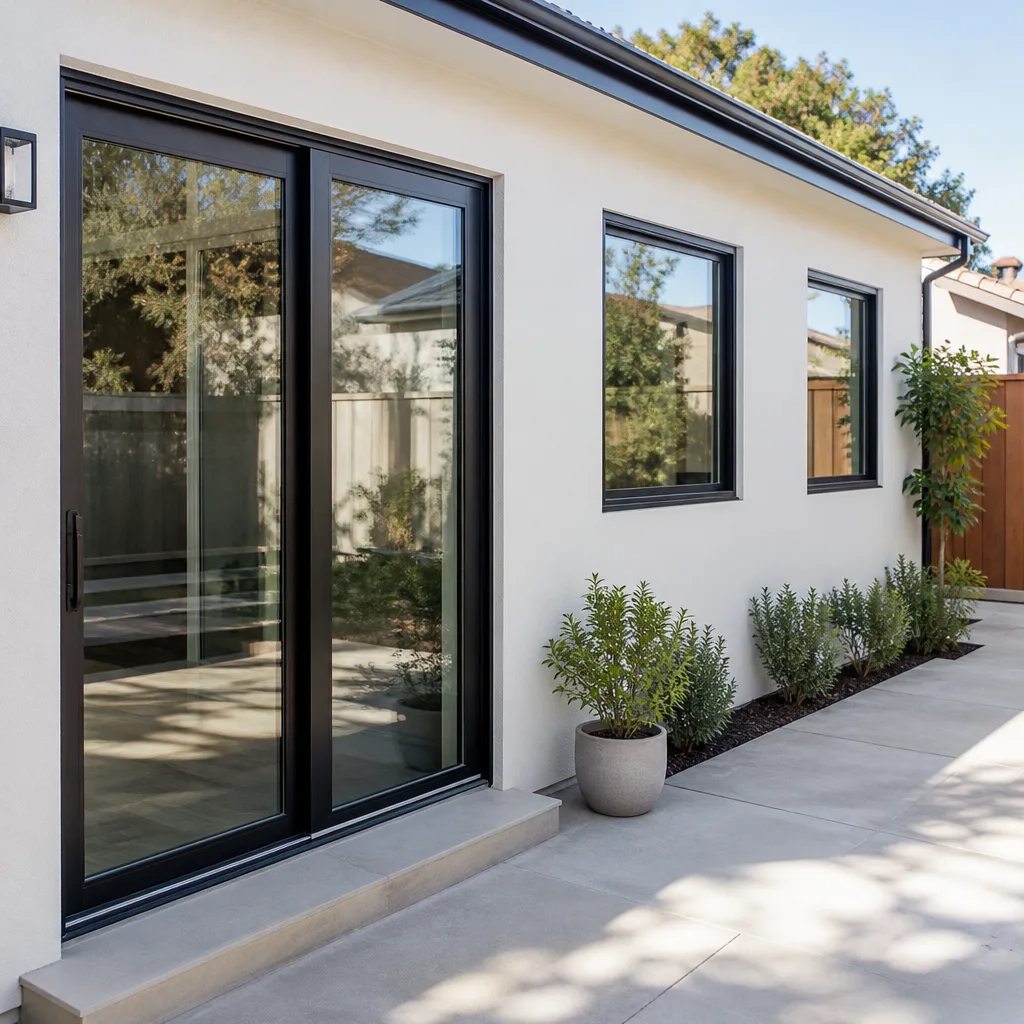 After
After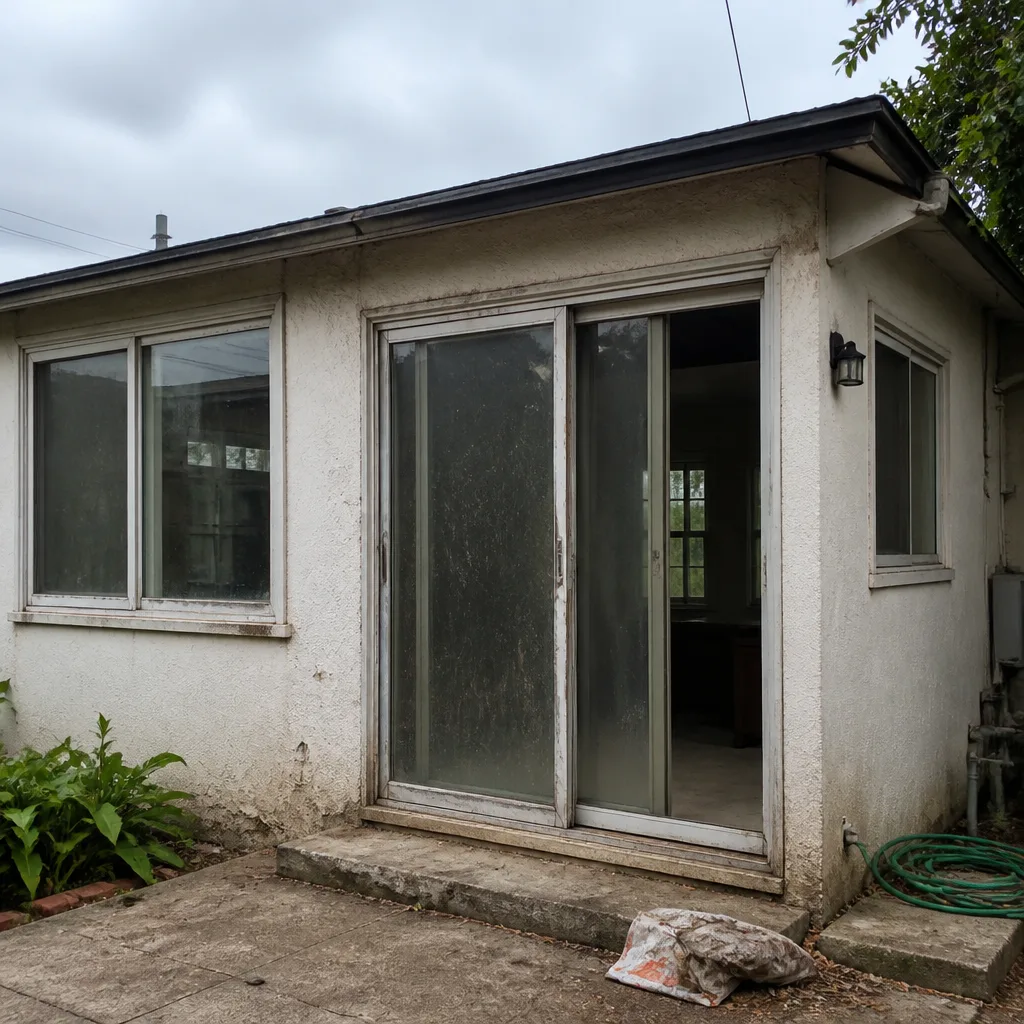 Before
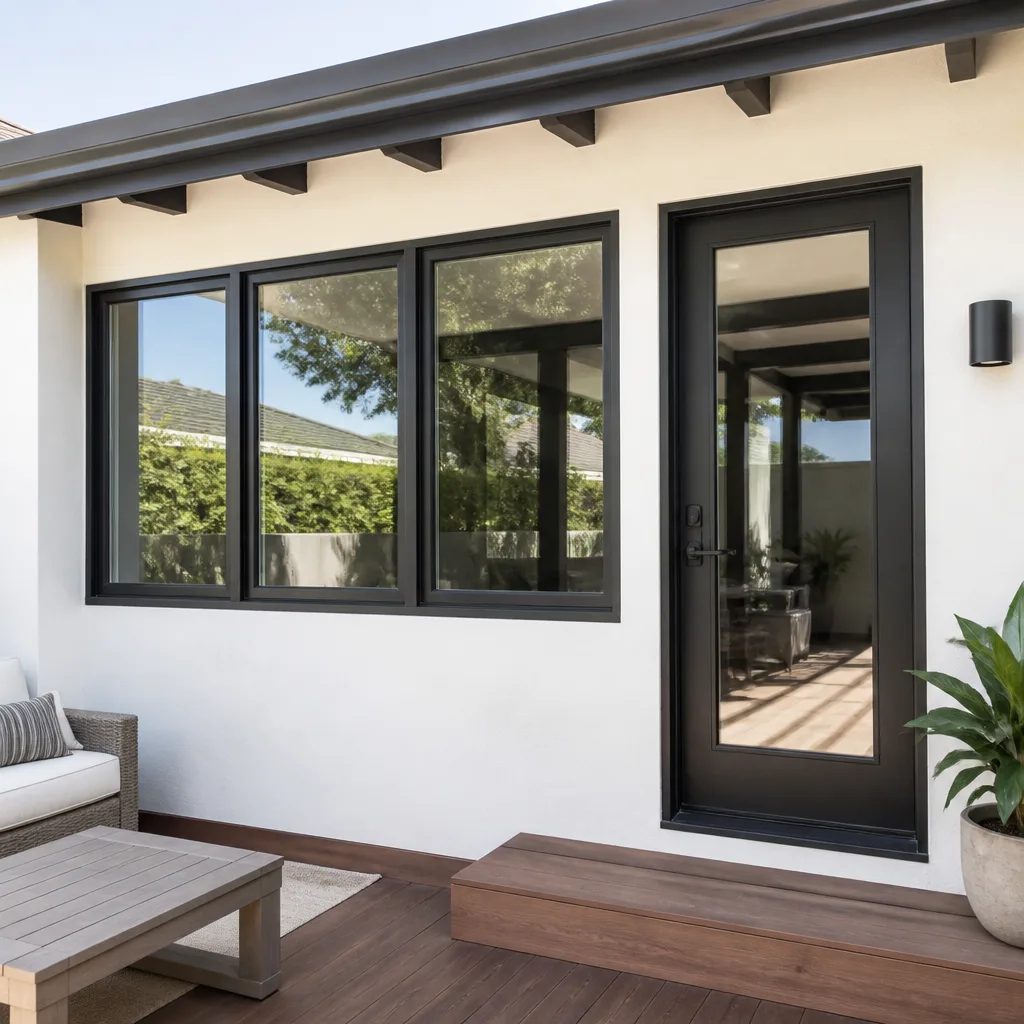 After
After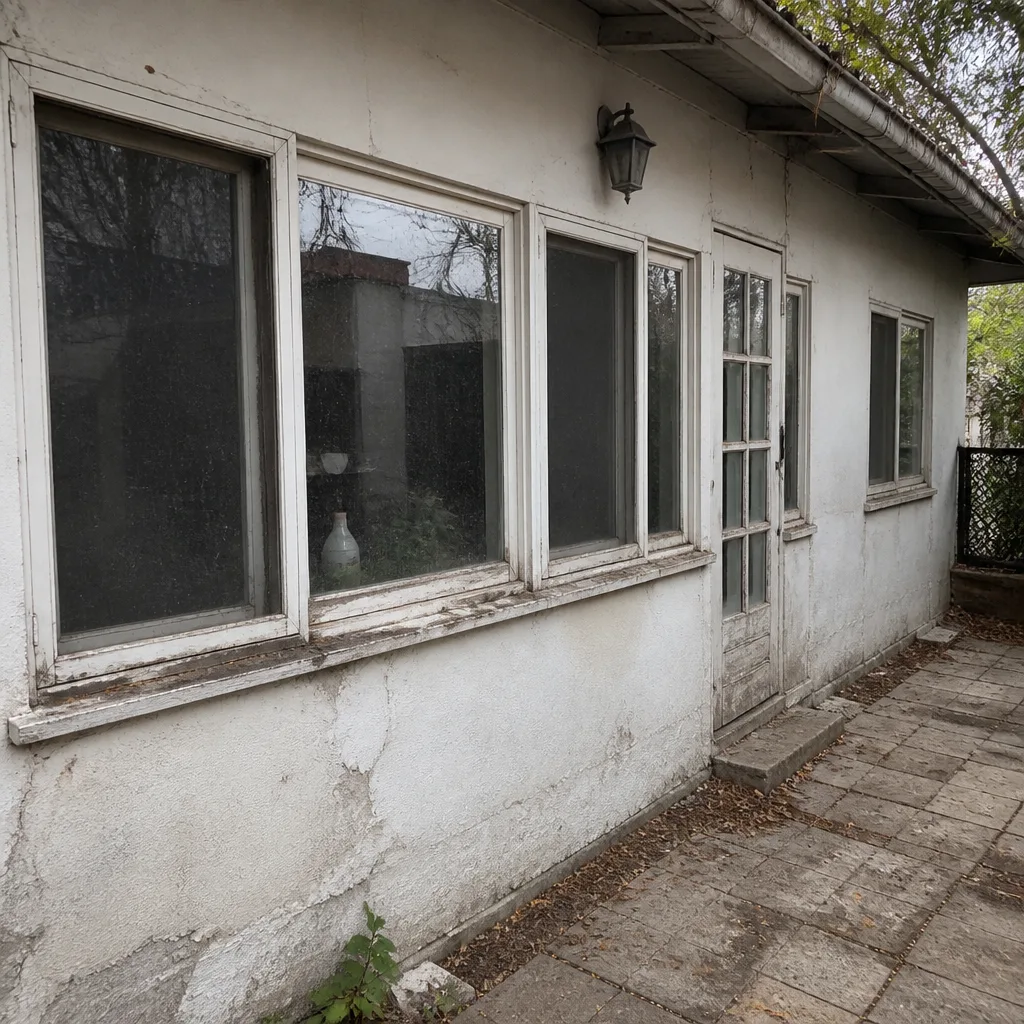 Before
 After
AfterWindow Replacement Maintenance Schedule: What to Do and When
The most common reason a vinyl window fails before its warranty expires in Los Angeles isn’t the window itself. It’s the sealant joint that nobody checked after the first Santa Ana wind season. Dry air, repeated thermal cycling, and months of UV exposure do things to window assemblies that a generic four-season checklist written for Ohio simply never addresses. This schedule is built around what actually degrades here: what to inspect before June’s marine layer settles in, what to check after October’s Santa Anas rip through, and what December’s rare rain exposes that the other eleven dry months hide. You’ll learn the exact tasks, the right order, and the records worth keeping so a warranty claim five years from now doesn’t die on a missing receipt.
Quick Answer
A replaced window in Los Angeles needs about one hour of attention per year, split across two focused inspections: a pre-summer check in May for drainage and sealant integrity, and a post-Santa-Ana check in November for wind-driven damage and hardware wear. The three tasks that matter most are cleaning the tracks and weep holes, inspecting the exterior sealant bead for hairline separation, and testing hardware operation under load. Skip these, and the gap between a 20-year manufacturer warranty and a 10-year actual lifespan is almost always explained by one skipped season. For step-by-step help, see our window replacement troubleshooting: common problems and how to fix them.
Table of Contents
- Why Your Window Warranty Is Not a Maintenance Plan
- The Los Angeles Maintenance Calendar: Month by Month
- Hardware Care by Window Type: Casement, Double-Hung, and Sliding
- The Sealant Inspection Checklist: Crazing vs. Active Separation
- How to Test Low-E Glass and Gas Fill at Home
- Record-Keeping That Survives a Warranty Claim
- When Replacement Beats Repair
Why Your Window Warranty Is Not a Maintenance Plan
A manufacturer’s warranty covers defects in materials and workmanship. It does not cover neglect. We’ve seen warranty claims denied because a homeowner never cleaned the weep holes, and the accumulated debris held water against the frame until the corner seal rotted. The manufacturer’s inspector photographs the clogged track, closes the file, and mails a denial letter. That outcome is avoidable with about forty minutes of work twice a year.
In Los Angeles, the specific failure pattern looks like this: summer heat expands the vinyl frame and the glass unit. Fall Santa Ana winds drive fine grit into the track and flex the sash against the sealant. Winter brings one or two real rain events that force water into any gap that opened during the dry months. Spring’s temperature swings finish the job. The window that fails in month eight actually started failing in month three, when a hairline separation in the exterior sealant went unnoticed. The maintenance schedule below interrupts that sequence.
What we install at Westlight Windows & Doors home matters here too. A well-made window from PGT or CGI, installed with a continuous sealant bead and proper flashing, starts from a stronger position. But even the best installation needs the homeowner’s eyes on it seasonally. The schedule that follows is the one we hand to customers after every window installation in Los Angeles.
The Los Angeles Maintenance Calendar: Month by Month
Two inspections per year cover ninety percent of what fails in this climate. January, March, July, and September are maintenance-free months unless you notice a specific problem. Here is the calendar we recommend to every homeowner we work with in Los Angeles. Browse our more guides & resources for year-round window care.
May: Pre-Marine-Layer Inspection
- Clean every track with a dry brush first, then a damp cloth. Do not use a vacuum with a hard nozzle against the vinyl. The goal is removing grit, not scratching the extrusion.
- Clear the weep holes. These are the small drainage slots on the exterior bottom edge of the frame. A bent paperclip or a can of compressed air works. If water cannot exit through the weep holes in June’s overcast humidity, it sits inside the frame and starts working on the corner seals.
- Inspect the exterior sealant bead. Walk the perimeter of every window with the morning sun at a low angle. Look for hairline crazing (superficial, not urgent) versus active separation (a visible gap where the caulk has pulled away from the frame or stucco). Active separation gets addressed before June gloom arrives.
- Operate every window fully open and fully closed three times. Listen for grinding, feel for resistance that wasn’t there before. Hardware wear announces itself early if you’re paying attention.
- Check interior condensation between the panes. Fog between glass layers means the seal has failed and the gas fill has escaped. This is a warranty item, and May is the right time to document it, before the marine layer makes every window look foggy from the outside.
November: Post-Santa-Ana Inspection
- Re-check the sealant you looked at in May. Santa Ana winds flex the sash against the frame. Any sealant joint that was marginal in spring will show active separation now. See the sealant checklist section below for what to do about it.
- Clean the tracks again. October’s wind events deposit fine dust and plant debris into the track. Left in place, it grinds against the rollers and balance system every time the window moves.
- Lubricate hardware sparingly. One drop of a dry silicone lubricant on each moving pivot or roller is enough. More than that attracts dust and creates a paste that accelerates wear.
- Test the lock and latch engagement. A lock that binds or fails to fully engage is both a security issue and a sign the sash has shifted. Adjustment now is cheaper than replacement later.
- Check for frame distortion. Look at the window from the outside, standing back ten feet. A frame that has bowed or pulled away at the corners after wind season needs a professional look.
December: The Rain Test
Los Angeles gets most of its annual rainfall between December and March, and it usually arrives as a handful of concentrated storms. The first real rain of the season is diagnostic. During or immediately after the storm, run a hand along the interior sill and the wall beneath the window. Any moisture, staining, or soft drywall means water is entering somewhere, and the entry point is almost always the exterior sealant joint or a clogged weep system. Address it before the next storm. A single missed leak in a Los Angeles winter can do more damage than five years of dry-season neglect.
Hardware Care by Window Type: Casement, Double-Hung, and Sliding
Hardware maintenance is where homeowners accidentally void warranties. The mistake is almost always the same: using the wrong lubricant or using too much of the right one. Manufacturer warranty language for most major brands, including the PGT, CGI, and ViewLux lines we install, specifies approved maintenance products and explicitly excludes damage from petroleum-based lubricants.
Casement Windows
Casement windows operate on a crank mechanism connected to a series of hinges and a locking bar. The maintenance points are the crank gear, the hinge slides, and the locking points. Clean the exposed hinge tracks with a dry cloth, then apply one drop of dry silicone to each moving hinge point. Crank the window open and closed twice to distribute the lubricant, then wipe away any excess. Never use WD-40 or any petroleum product on the crank gear. It dissolves the factory grease and leaves the mechanism running metal-on-metal.
Double-Hung Windows
Double-hung windows ride on a balance system, typically a spring or block-and-tackle mechanism inside the side jambs. The sashes tilt inward for cleaning, and that tilt mechanism is the first thing to fail when dirt builds up. Clean the jamb channels with a dry brush. Check the tilt-latch springs on the top of each sash, they should snap back crisply when you release them. If a sash doesn’t stay up on its own, the balance mechanism needs professional attention. Do not attempt to disassemble the balance system. It is under tension, and a released spring can cause serious hand injury.
Sliding Windows
Sliding windows fail at the rollers. Fine Los Angeles grit gets into the roller bearings, the rollers stop rolling, and the window starts dragging along the track instead of gliding. The drag wears a groove into the vinyl track, and eventually the window drops out of square and the lock won’t engage. Clean the bottom track thoroughly with a dry brush and vacuum, then apply a light dry silicone to the track. If the window already grinds or drags, the rollers are worn and should be replaced before the track is damaged beyond repair.
The Sealant Inspection Checklist: Crazing vs. Active Separation
The sealant joint where the window frame meets the stucco, wood, or siding is the most common failure point on a replacement window in Los Angeles. The question we get most often is whether a particular crack means recaulk now or keep watching. Here is the distinction.
Hairline crazing is a network of shallow, hair-thin cracks in the surface of the sealant bead. The bead is still adhered to both surfaces. This is cosmetic aging from UV exposure and thermal cycling. It does not require immediate action, but it signals the sealant is nearing the end of its service life. Plan to replace it within one to two years.
Active separation is a visible gap between the sealant and the frame, the stucco, or the siding. You can slide a credit card or a piece of paper into the gap. This is a functional failure. Water will find the gap, and once water gets behind the sealant, it travels down the wall and into the rough opening. Active separation gets addressed within weeks, not months.
When is DIY recaulking appropriate versus when it masks a structural issue? A clean re-caulk is fine when the separation is limited to the exterior sealant bead on one window and the frame itself is solid. Use a high-quality exterior-grade sealant rated for the surface you’re bonding to, and be sure to remove all old sealant first. But if the sealant has separated, or the frame shows movement, bowing, or a gap that widens when you press on the sash, the sealant failure is a symptom of something bigger. Re-caulking a moving frame is a temporary cosmetic fix that hides the problem until water damage reveals it later. In that case, call for a professional assessment before the repair becomes a replacement.
How to Test Low-E Glass and Gas Fill at Home
Low-E glass, in plain words, is a thin, nearly invisible coating applied to the inside surface of the glass that reflects radiant heat back toward its source. In winter, it bounces heat back into the room. In summer, it bounces the sun’s heat back outside. Between the panes of a modern insulated glass unit sits an inert gas, usually argon or krypton, that slows heat transfer through the unit. When the perimeter seal on that unit fails, the gas escapes silently and the Low-E coating begins a slow oxidation process that eventually fogs the glass.
You can test the gas fill at home. Hold a lit candle or a lighter flame about an inch from the glass on the interior side, and look at the reflection in the glass. A healthy, gas-filled unit produces a uniform reflection with a single flame image. In a unit that has lost its gas fill, the interior pane will be warmer (or cooler) than the surrounding air, and you’ll see a secondary, ghost-like reflection of the flame, often with a faint color difference between the two images. This test works best on a cool morning or evening when the temperature difference between inside and outside is largest.
Another tell is condensation between the panes, especially in the morning. It starts at the corners and edges, not the center. By the time you see inter-pane fog, the seal has been failed for months or years. The time to catch a failing unit is before the fog appears, using the candle test. A unit with a failed seal but no visible fog is still a valid warranty claim, and documenting it early gets you the replacement unit faster. This matters in Los Angeles because the marine layer months of May and June are when inter-pane condensation is easiest to spot, and the dry months hide it entirely.
Record-Keeping That Survives a Warranty Claim
A warranty claim five years after installation only succeeds if the documentation exists. The manufacturer will ask for proof of purchase, proof of installation date, and often evidence of ongoing maintenance. Here is what actually holds up.
Keep the original invoice and the warranty registration confirmation. Many manufacturers require registration within 90 days of installation to activate the full warranty. If you bought from an installer, confirm the registration was submitted and keep the confirmation number. Write the registration date on the invoice itself.
Log every maintenance inspection. The log does not need to be elaborate. A single sheet of paper with the date, what you inspected, what you found, and what you did is enough. Photograph any sealant cracks, fogged glass, or hardware issues you observe, and file the photos with the log. Date-stamped photos taken at the time of inspection are impossible to argue with.
Save every receipt for cleaning products and sealant. This proves you used approved products. A warranty denial for “improper maintenance” collapses when you can show a receipt for the manufacturer-approved lubricant.
Log any professional service visits. If a technician adjusts a sash or replaces a roller, get a brief written service note and staple it into the log. Continuity of documentation is what wins a borderline claim.
A homeowner who replaces a window through our window replacement service in Los Angeles gets all of this documentation handed over at the end of the job, which means the warranty path is clean from day one.
When Replacement Beats Repair
Maintenance extends the life of a window. It does not make a window immortal. Knowing when to stop repairing and start window replacement saves money, because the wrong decision either way costs thousands. Here are the signals we look at.
Replace when the sealant and frame show repeated failures in the same location despite correct repairs. That pattern points to a structural issue, and every repair is money spent on a symptom. Replace when the glass unit has failed and the frame is more than fifteen years old; a new glass unit in an old, worn frame is a half-measure. Replace when the hardware is obsolete and parts are no longer available. Replace when the window no longer seals against air movement, and heating or cooling costs have crept up noticeably. See our guide to window replacement warning signs every homeowner should know for more detail. Some of the most efficient windows we install in Los Angeles come from ECO Window Systems and CWS, engineered for the specific UV and temperature conditions this climate throws at them.
Maintenance is how you protect the investment you already made in door and window installations across your Los Angeles home. Replacement is how you correct the investment that no longer pays back.
Common Mistakes to Avoid
- Using pressure washers on window exteriors. The blast drives water past the sealant bead and into the wall cavity. A garden hose with a spray nozzle is the limit. Pressure-washing a window can void a manufacturer warranty on the spot.
- Lubricating with WD-40 or household oils. Petroleum products dissolve factory grease, attract grit, and leave a gummy residue that accelerates hardware wear. Dry silicone is the correct product for every window type.
- Painting over the sealant bead. Latex paint bonds to silicone sealant about as well as it bonds to glass, which is to say not at all, and it hides the crack you needed to see. Never paint the sealant joint.
- Ignoring a stuck weep hole. A clogged weep system holds water against the frame corner, and frame corner rot is one of the few failure modes that repair cannot address. A bent paperclip and thirty seconds of attention per weep hole, twice a year, prevent it.
- Assuming fogged glass is just condensation from the marine layer. Condensation on the room-side surface is normal in humid weather. Condensation between the panes is a failed seal. The marine layer doesn’t get between panes.
- Skipping the winter rain inspection because it’s “just Los Angeles weather.” The rain we do get arrives in concentrated bursts that test every weak sealant joint at once. Checking during the first real storm catches failures while they’re still repairable.
- Throwing away the warranty paperwork because the window “works fine.” The best time to organize warranty documents is the day the windows are installed, not the day the glass fogs five years later.
When to Call a Professional
Call a professional when you see active sealant separation paired with frame movement, when a double-hung sash won’t stay up (the balance spring is under tension and dangerous to work on without training), when inter-pane fog appears in multiple windows in the same wall, or when the window drags so badly in its track that operation feels like it’s grinding down the vinyl. These are not maintenance items. These are repair or replacement signals. Westlight Windows & Doors offers free estimates in Los Angeles; call (903) 354-7134 and we’ll send a technician to assess what you’re seeing. No charge for the visit, no pressure on the decision.
Frequently Asked Questions
Clean the tracks and weep holes twice a year in Los Angeles, once in May before the marine layer season and once in November after Santa Ana winds have stopped. The glass itself can be cleaned quarterly or as needed. The track cleaning matters more than the glass cleaning for longevity.
A dry silicone spray, applied one drop at a time to each moving pivot or roller, is the correct lubricant for casement, double-hung, and sliding window hardware. Never use WD-40 or any petroleum-based oil. These dissolve factory grease and attract grit that accelerates wear.
Hold a lit candle an inch from the glass and look at the reflection. A healthy gas-filled unit shows a single, uniform flame reflection. A unit that has lost its gas shows a ghost reflection, often with a color shift. Inter-pane fog is the late-stage sign; the candle test catches it earlier.
The manufacturer’s warranty covers defects in the window unit itself, not the sealant joint between the window and the house, which is the installer’s workmanship. This is why the Kingswell Guarantee matters: our written guarantee covers the completed work, including the sealant job, and we come back at no charge if a repair fails within the guarantee period.
A quality vinyl or fiberglass window, properly maintained, should last twenty to twenty-five years in the Los Angeles climate before the hardware or seal system needs major work. The glass unit may need replacement once during that window. Without maintenance, that lifespan can drop to ten or twelve years.
You can recaulk a single window yourself if the separation is limited to the exterior sealant bead and the frame is solid. Remove all old sealant first, and use a high-quality product rated for exterior use. If the frame moves or the gap widens under pressure, DIY caulk is a temporary bandage, and you should call for an assessment. Call (903) 354-7134 and we’ll tell you honestly which one you’re looking at.
The Bottom Line
A replaced window in Los Angeles needs two focused inspections per year, about twenty minutes each, plus a willingness to act on what you find. Clean the tracks and weep holes before June. Inspect the sealant and hardware after the Santa Anas finish. Test the glass unit’s gas fill during the cool morning hours. Log everything, photograph the problems, and keep every receipt. That routine is the difference between a window that lasts fifteen years and one that lasts twenty-five. If you’re not sure whether what you’re seeing is normal aging or a real problem, call (903) 354-7134 and ask. A real person answers, and the estimate is free.
Written by Owen Satterfield, Owner at Westlight Windows & Doors, serving Los Angeles since 2009.