
Last updated October 8, 2026
Free in-home measure and quote - PGT, CGI and CWS impact lines compared on your actual openings, style by style
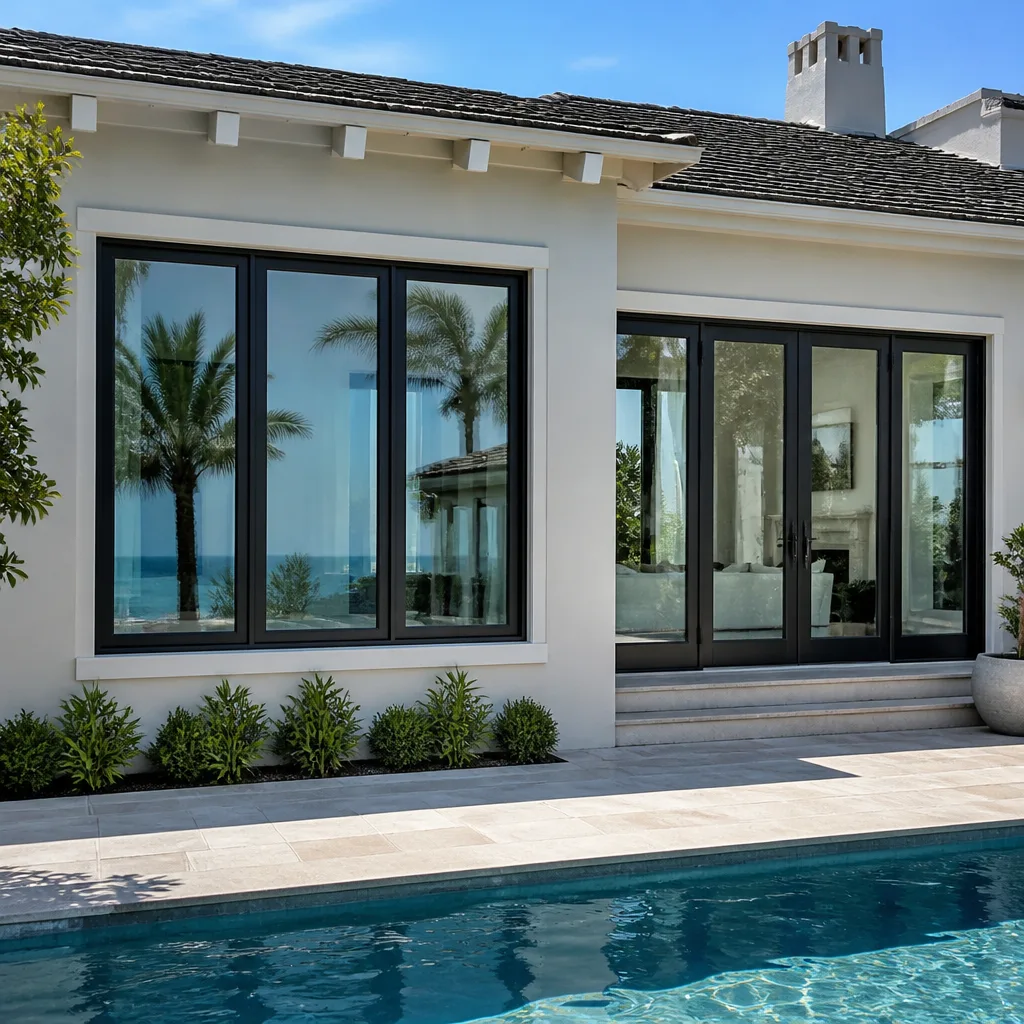
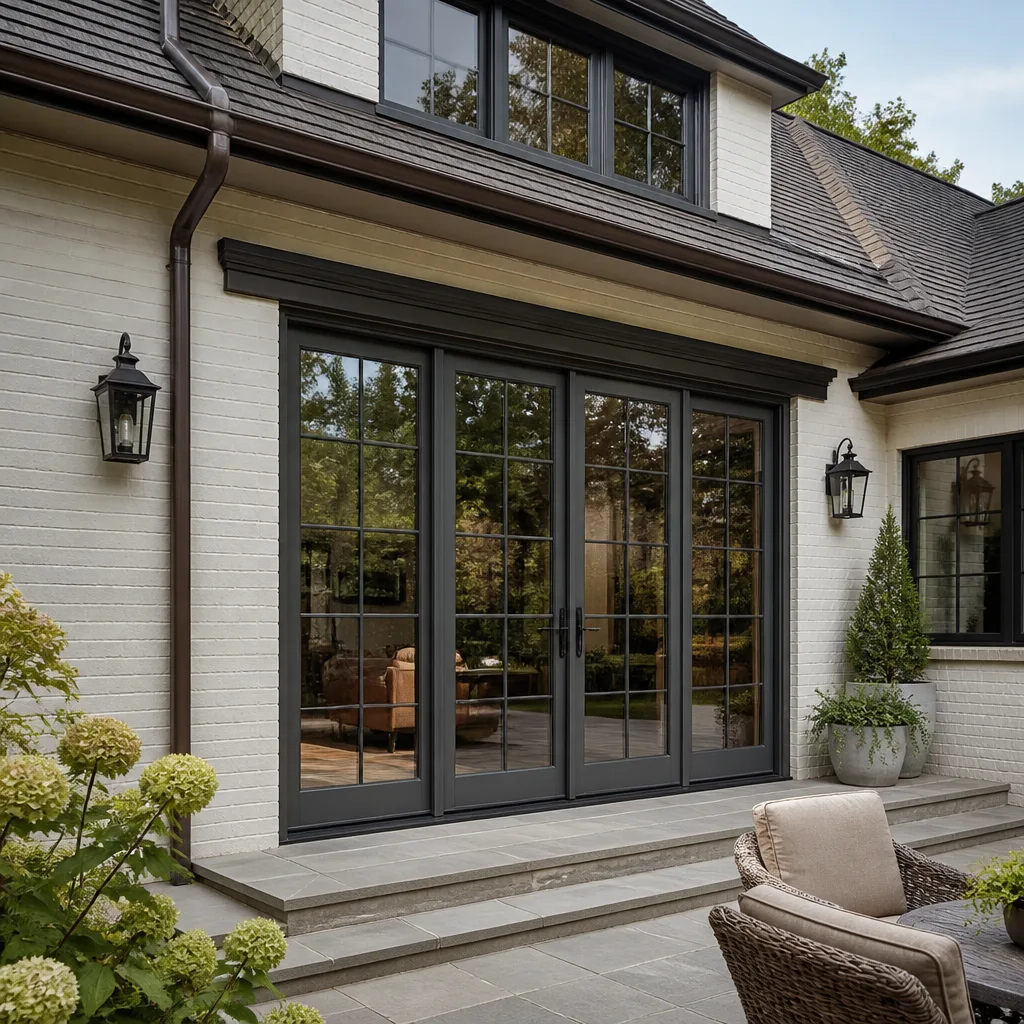
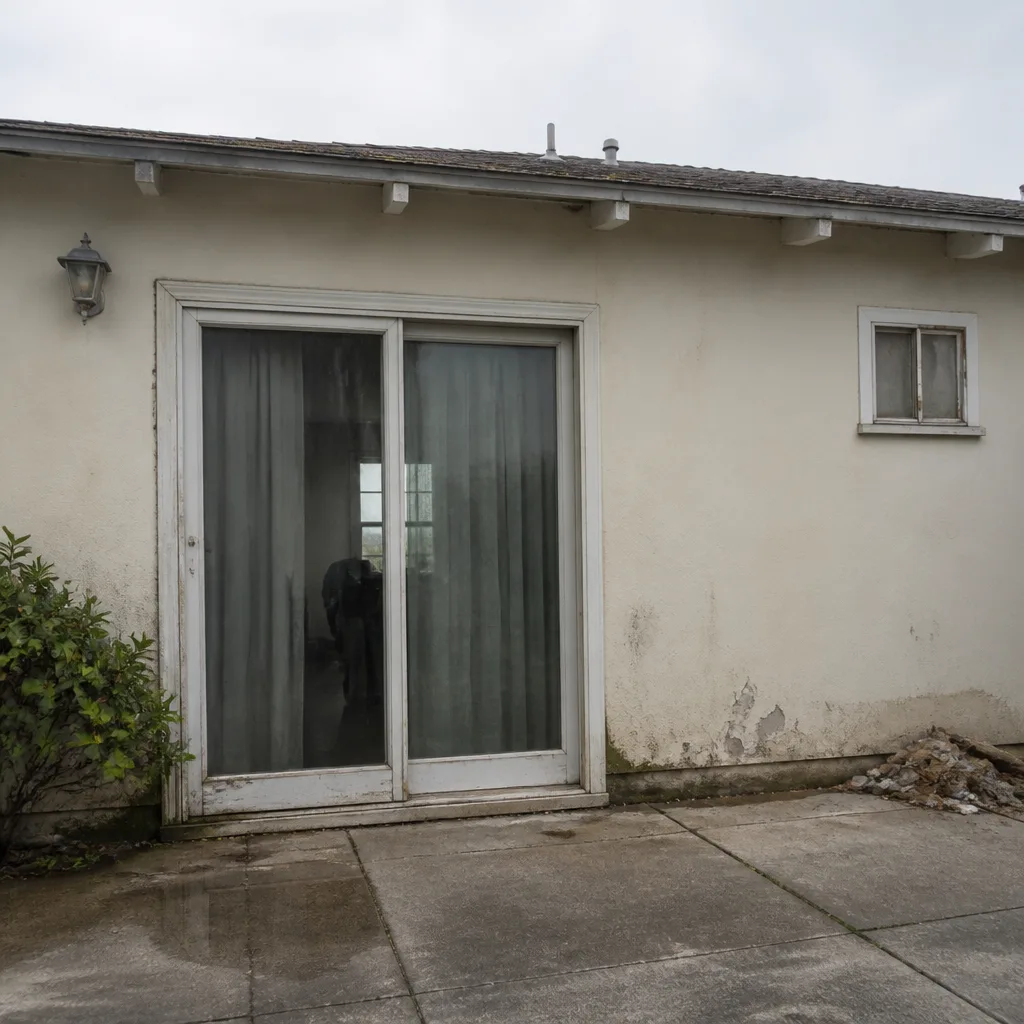 Before
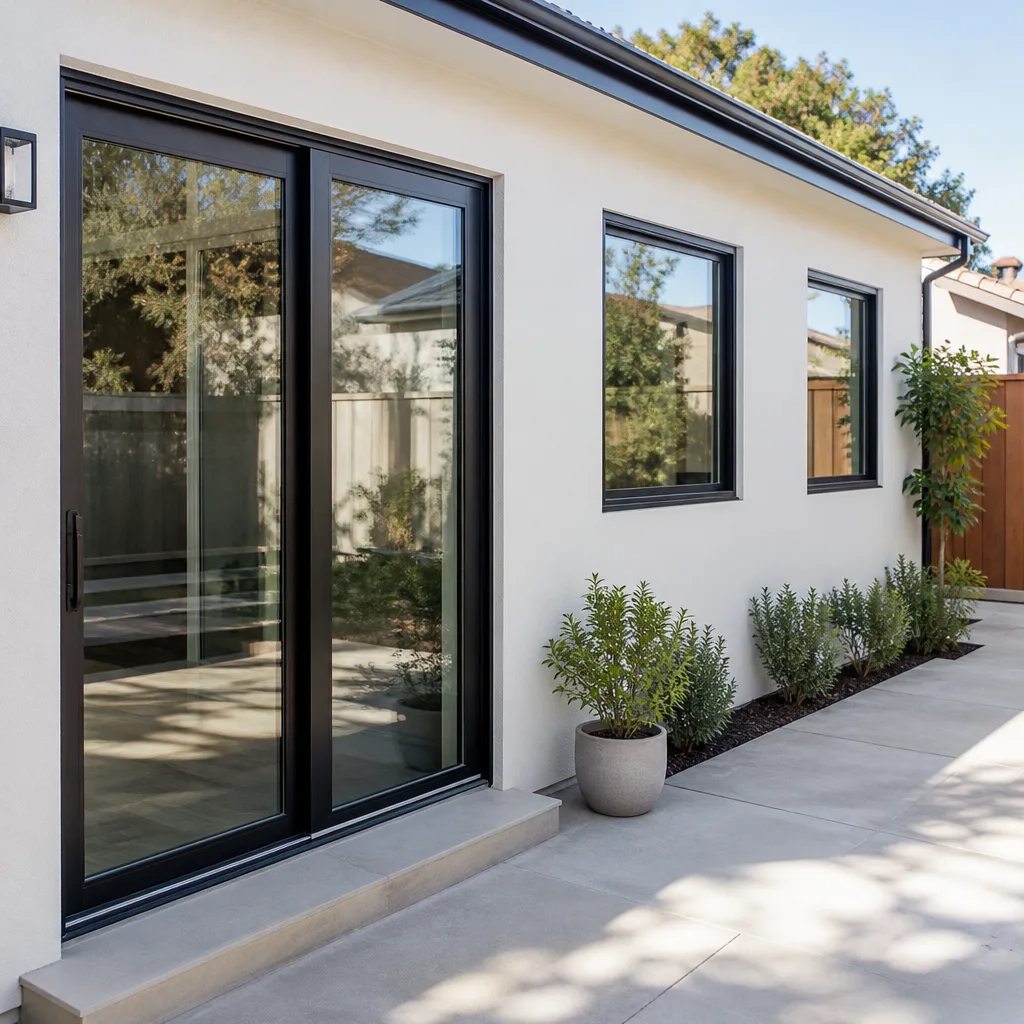 After
After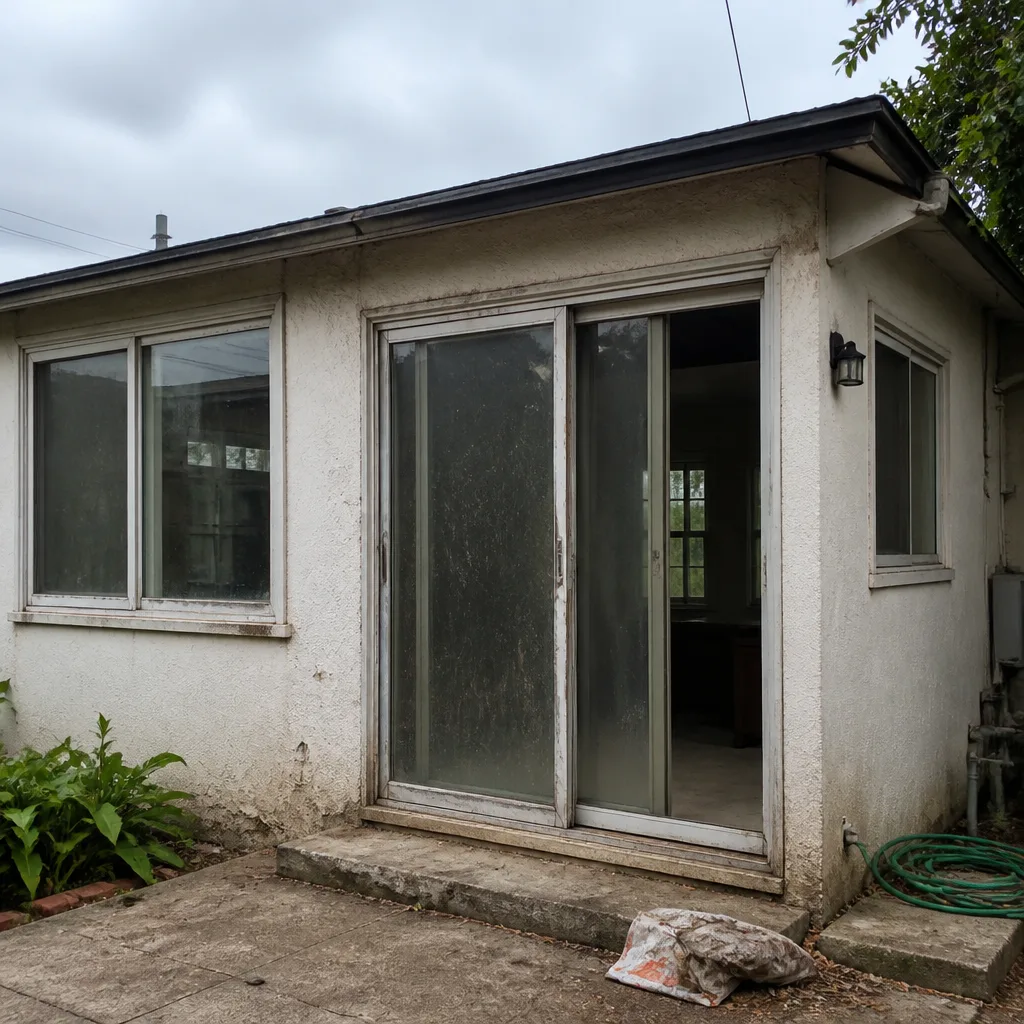 Before
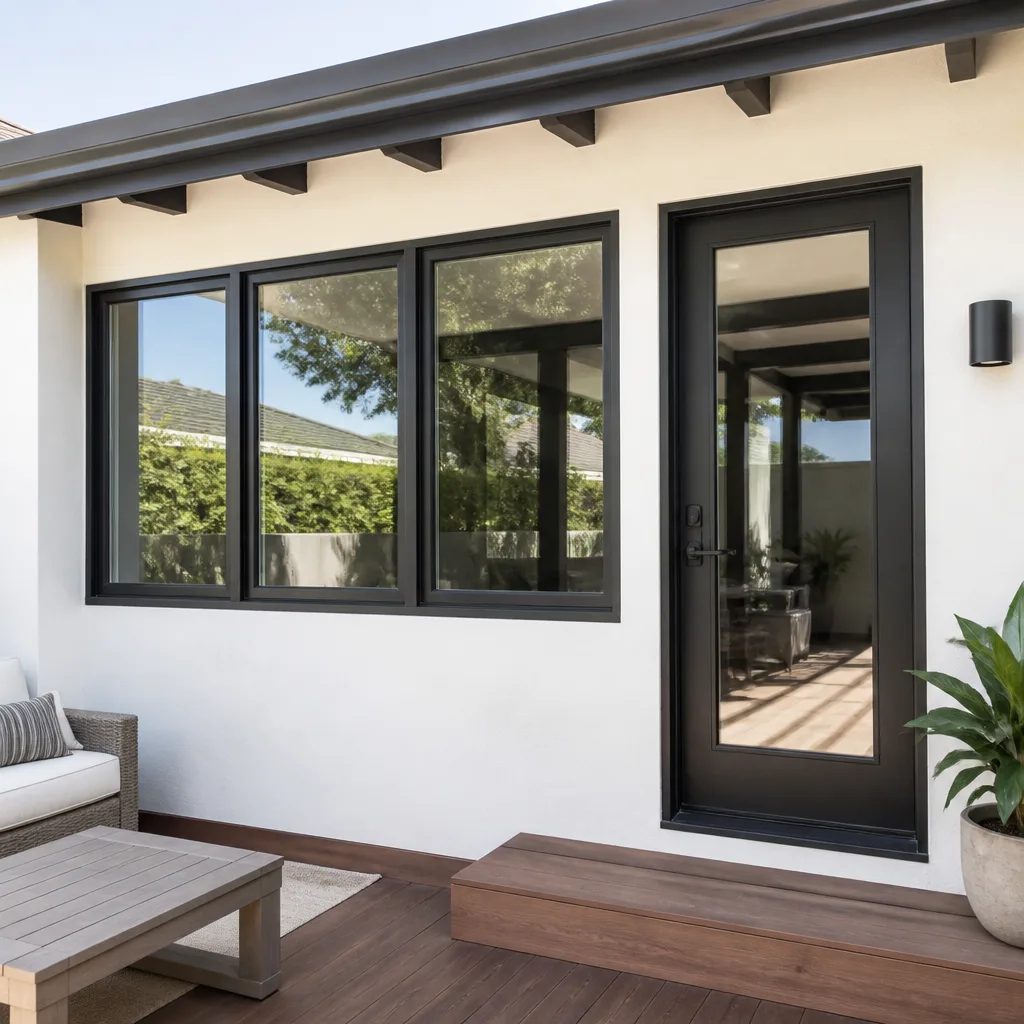 After
After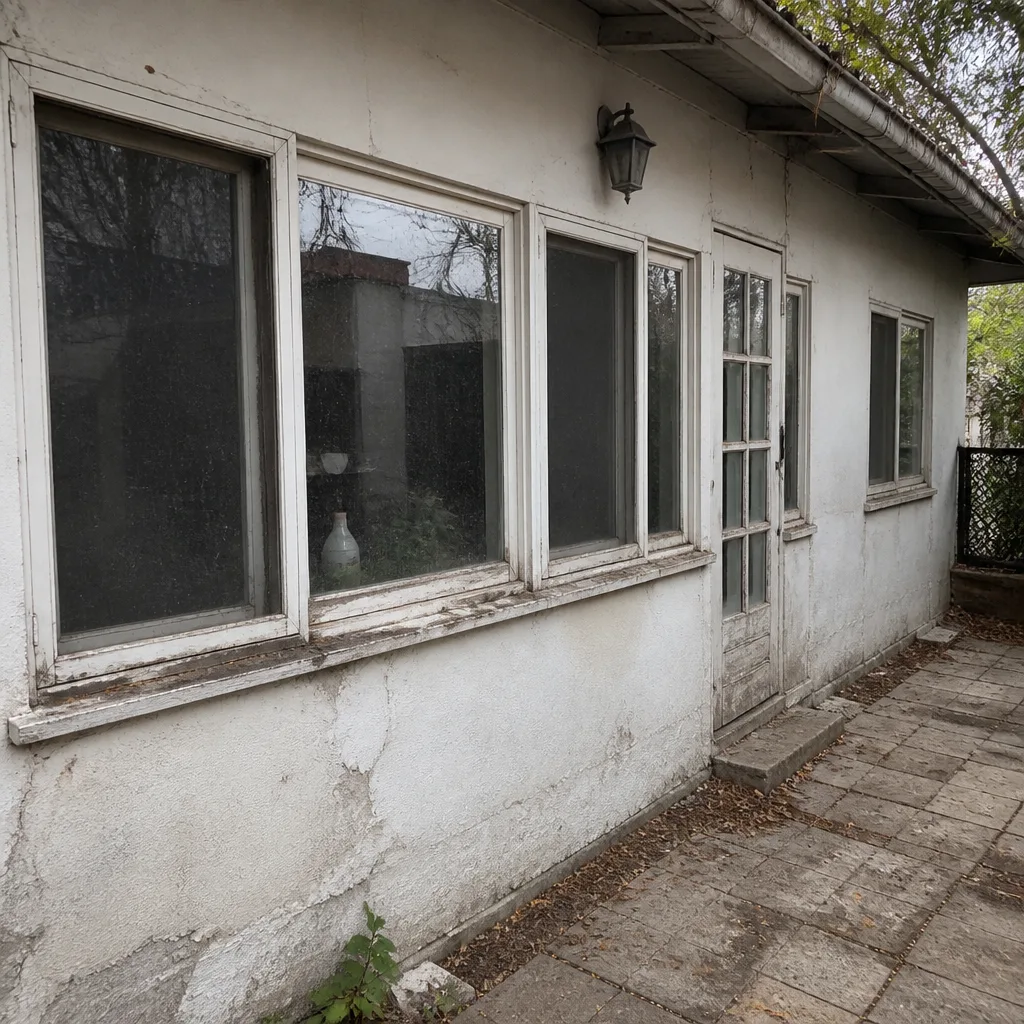 Before
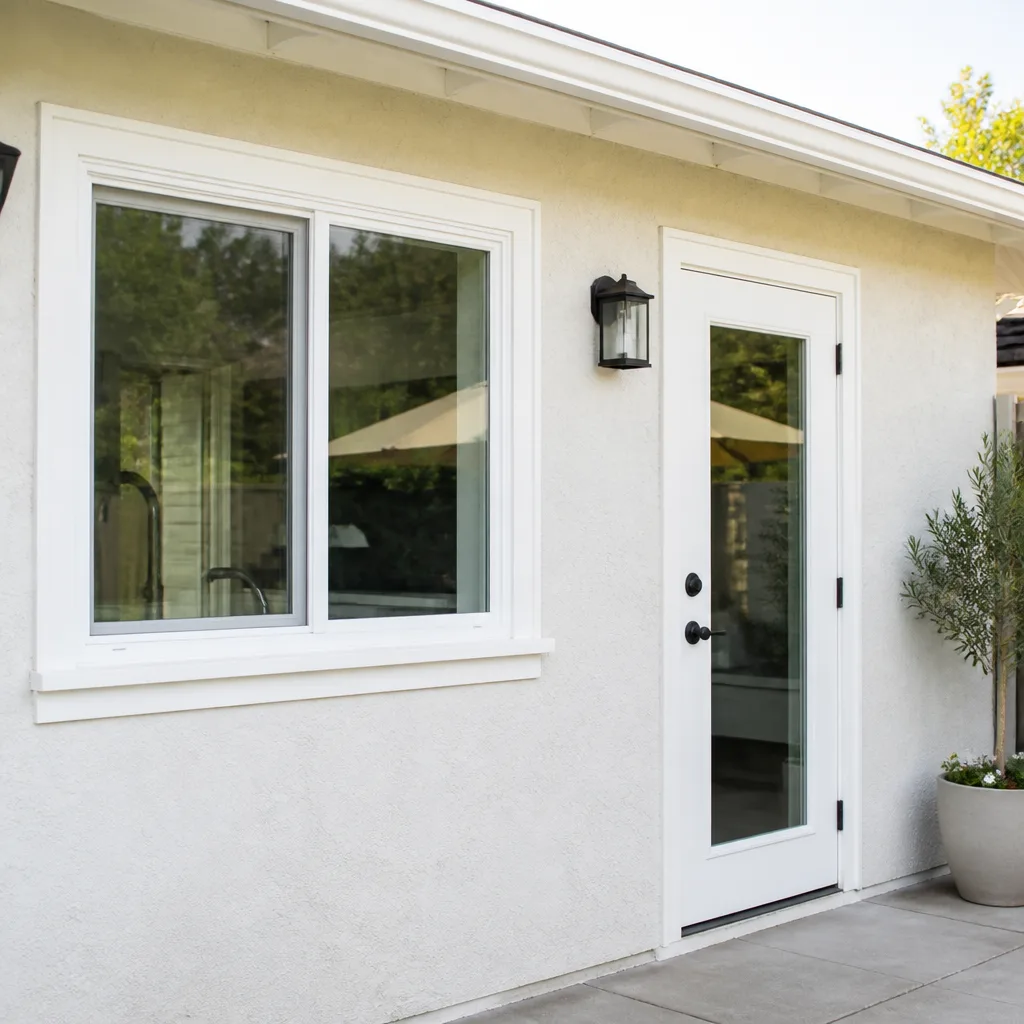 After
AfterWindow Replacement Troubleshooting: Common Problems and How to Fix Them
A $4 tube of silicone caulk fixes fewer window problems than contractors admit, and far more than window salespeople will tell you. Walk through any Los Angeles neighborhood from Echo Park to Woodland Hills and you’ll see the same pattern: homeowners either patching a window that should have been replaced five years ago, or paying for a full replacement when a $60 weatherstripping kit would have solved it. This guide draws the line clearly between what you can fix, what a warranty should cover, and what actually requires our Window Replacement services, so you don’t spend money in the wrong direction.
Quick Answer
Most window problems fit into three buckets: failed seals (fogging between glass panes, fixable with a glass unit swap), failed frames (rotting wood, warped vinyl, or corroded aluminum requiring full replacement), and failed installation (drafts and leaks caused by bad flashing or weatherstripping, sometimes fixable without touching the window itself). Before you call a contractor, identify which bucket you’re in: a draft at the sash is a $40 fix, while a fogged dual-pane unit in a Los Angeles home typically runs $150 to $400 for a replacement glass unit versus $600 to $1,200 for a full window replacement. For Window Replacement Warning Signs Every Homeowner Should Know, see our detailed guide.
Table of Contents
- Failed Seal vs. Failed Frame: How to Tell Them Apart
- Drafty Windows: Why It’s Rarely the Window Itself
- Water Infiltration: Corner Leaks vs. Sill Leaks
- Failure Signatures by Window Material in Los Angeles
- How to Document a Window Problem for a Contractor
- When a Warranty Covers the Fix (and When It Doesn’t)
- Common Mistakes to Avoid
- When to Call a Professional
Failed Seal vs. Failed Frame: How to Tell Them Apart
A fogged dual-pane window and a rotting frame look like the same problem to most homeowners, but they’re completely different animals. In Los Angeles, where we get intense UV exposure and temperature swings between coastal mornings and inland afternoons, seal failure is the single most common window issue we see. The seal between two panes of glass breaks down over time, moisture gets trapped inside, and you get that permanent haze or condensation between the panes that won’t wipe away. That’s a glass unit problem. The frame is usually fine.
A failed frame is structural. You’ll see it in wood windows as soft spots, peeling paint that won’t stay put, or visible rot at the corners. In aluminum frames, it shows up as white chalky corrosion at the corners, pitting along the bottom rail, or separation at the welded corners. The distinction matters because the math is completely different: a glass unit swap on a standard double-hung runs $150 to $400 including labor in the Los Angeles market, while a full replacement because the frame is compromised runs $600 to $1,200 per window installed. That’s why window replacement in Los Angeles starts with a diagnostic question we always ask before we recommend anything: is the glass dead, or is the frame dead?
How to Tell in 60 Seconds
- Look at the glass from the outside at a slight angle. Fog or milky film between the panes means a failed seal, not a failed window.
- Check for condensation that’s trapped between the glass panes, not on the room-side surface. Room-side condensation is a humidity issue, not a window failure.
- Press a fingernail into the frame at each corner, especially the bottom corners. If it gives or feels spongy on wood, the frame is failing.
- Inspect the bottom rail of aluminum or vinyl frames for cracks, warping, or separation at the welded seams.
- If the glass is clear and the frame is solid but you still feel a draft, you’re looking at a weatherstripping or sash problem, not a replacement trigger.
We carry glass units for most major brands, including ES Windows and Mr-Glass, so a seal failure rarely means a full replacement in our world. But if the frame has given up, no glass swap will save it, and you’re better off putting that money toward a new window that won’t fail in the same spot.
Drafty Windows: Why It’s Rarely the Window Itself
Here’s the thing that surprises most Los Angeles homeowners: if you feel air moving around a closed window, the window itself is rarely the problem. The glass isn’t leaking. The frame isn’t leaking. What you’re feeling is almost always a failure at the contact point between the sash (the movable part) and the frame, which means weatherstripping, a sash that’s slipped out of true, or a lock that’s not pulling the two together tightly enough.
The three-minute test to confirm this: close the window and lock it. Now take a single square of toilet paper and hold it near the seam where the sash meets the frame. Move it slowly around all four sides. If the paper flutters or gets pulled toward the gap, you’ve found the leak point. That leak is a $15 to $60 fix with replacement weatherstripping or a sash adjustment. It is not a $900 replacement.
In older Los Angeles homes, especially pre-1980 construction in neighborhoods like Highland Park or West Adams, the original windows are often single-pane aluminum sliders. Those windows have notoriously bad weatherstripping from day one. The aluminum frames conduct heat like a frying pan and the seals were cheap even when new. So yes, air leaks around them, but the first fix is still weatherstripping or a sash realignment. If after that the window still leaks air, then you’re dealing with a frame that’s racked out of square, and that’s when replacement becomes the honest answer.
Water Infiltration: Corner Leaks vs. Sill Leaks
Water showing up at the bottom of a window sends most homeowners straight to the caulk gun, but where the water appears tells you more than how much of it there is. In Los Angeles, where we get occasional heavy rain but also months of dry heat, water stains at the bottom corners of a window frame almost always point to a flashing problem from the original installation, not a window failure. Flashing is the metal or tape barrier that directs water away from the rough opening before it even reaches the window. If the original installer skipped it, did it wrong, or used builder’s felt that’s since degraded, water runs behind the siding, down the frame, and pools at the corners. That’s an installation failure.
Water at the sill, pooling on the horizontal surface inside or outside, usually means the sill is sloped the wrong way, the weep holes are clogged, or the sill pan was never installed. Weep holes are those small slots at the bottom of the exterior frame that let water drain out. In Los Angeles, dust and debris clog them constantly, especially during dry spells followed by rain. Clearing them with a small wire or toothpick often solves that leak in five minutes.
The critical distinction: a corner leak means someone has to pull the trim, inspect the flashing, and potentially reset the window. That’s a repair that requires real skill, and it’s exactly the kind of problem that a written workmanship warranty should cover, which is one reason we put the Kingswell Guarantee in writing before any work begins at Westlight. A sill leak that comes from clogged weep holes is a maintenance issue you can fix yourself. A sill leak that persists after clearing the weep holes, or that shows up during wind-driven rain, points back to installation.
Failure Signatures by Window Material in Los Angeles
Different window materials fail differently, and in Los Angeles, the five most common types each have a signature you can recognize from across the room.
- Aluminum single-pane: The classic 1960s-1970s LA window. Signature failures are corner corrosion (white powder at the welded corners), pitting on the bottom rail, and condensation on the interior frame during cold snaps. These also conduct heat so aggressively that the frame itself feels cold to the touch. Fix: weatherstripping for drafts, but once the corners corrode, replacement is the only honest option.
- Vinyl retrofit: Very common in Los Angeles because retrofits are cheaper than full-frame replacement. Signature failure is a warped or bowed frame from heat exposure, especially on south- and west-facing walls in the San Fernando Valley. Once vinyl warps, the sash won’t seat, and no weatherstripping will fix it. Fix: full replacement of the affected unit.
- Wood clad: Wood interior with aluminum or vinyl cladding on the exterior. Signature failure is rot at the bottom corners where water sits, and peeling interior paint from moisture migration. Fix: if caught early, the rot can be scraped, epoxied, and repainted. If the rot extends into the sill structure, replacement is the honest call.
- Fiberglass: The least common in LA but growing. Fiberglass is dimensionally stable, so when it fails, it’s almost never the frame itself. Signature failure is a broken seal, because fiberglass expands and contracts so little that it puts stress on older seal technology. Fix: glass unit replacement, not frame replacement.
- Dual-pane, milgard-style: Milgard is the Porsche of the west coast window market, and the failure signature here is seal failure from thermal cycling. Los Angeles heat causes the air space between panes to expand and contract daily, and over 15 to 20 years, the seal fatigues. Fog between panes is the tell. Fix: glass unit swap, often covered by a manufacturer’s warranty if the window is within its lifespan.
We stock ECO Window Systems for energy-efficient replacements and Therma-Tru for entry doors when a window project expands to the whole opening. The point is matching the right product to the specific failure pattern, not forcing every job into the same brand.
How to Document a Window Problem for a Contractor
Most Los Angeles homeowners get a vague “we’ll take a look” from contractors because they call with a vague description: “My window is acting weird.” That’s how you end up with a $900 quote for a $60 fix, or worse, a contractor who no-shows because the job sounds small and undefined. Here’s how to document the problem so you get a written cause-and-fix response instead of a shrug.
- Photograph the problem from three angles: straight on, from the side, and a close-up of the specific failure point. If there’s fogging, photograph it against a dark background so the haze is visible. If there’s water staining, photograph the full wall section, not just the window.
- Note the time and conditions: “Fog appears in the morning after cool nights” or “Draft is worse on windy days from the north” gives a contractor more diagnostic information than “it’s broken.”
- Trace the leak or draft to a specific point: Use the toilet paper test from the draft section and mark the spot with a piece of painter’s tape. Photograph the tape.
- Write down the window’s behavior over one week: What temperature was it outside? Was it raining? Did the problem appear after sunset? This log rules out intermittent issues and helps the contractor reproduce the failure.
- Ask for a written cause-and-fix response: When the contractor arrives, show them your documentation and ask directly: “Can you write down what’s causing this, what you’ll fix, and what it will cost before you start?” If they won’t, that’s your answer.
At Westlight, we give every homeowner a written price before any work begins. That’s not a sales tactic; it’s the Kingswell Way: say the price before the work, show up in the window we gave, leave the place cleaner than we found it, put the guarantee in writing, and come back if it fails. We ask for your documentation because it makes the diagnosis faster and the fix more accurate, not to put you on the defensive.
When a Warranty Covers the Fix (and When It Doesn’t)
This is the section that saves Los Angeles homeowners real money. Manufacturer warranties on windows typically cover the glass unit against seal failure for anywhere from 10 years to lifetime, depending on the brand and product line. Workmanship warranties from installers typically cover the labor for one to five years. What almost no warranty covers is a frame failure caused by deferred maintenance, improper original installation by a different company, or damage from settlement or landscaping.
The crucial question when a problem appears: was this a product failure or an installation failure? A failed seal on a dual-pane unit is a product failure, and if the window is within its warranty period, the manufacturer pays for the glass unit, and the installer’s workmanship warranty often covers the labor to swap it. A leaking corner caused by missing flashing is an installation failure, and if the installing company is still in business and reputable, their workmanship warranty should cover re-flashing the window and repairing any interior damage at no charge.
That’s why our 365-Day Done Right Promise exists. If a repair fails within the guarantee period, we come back and fix it at no charge. And that includes a free second visit, automatically, no negotiating required. We also carry glass units for the brands we install, so a seal failure on an ES Windows or Mr-Glass unit doesn’t turn into a multi-week parts waiting game.
But here’s the hard truth from the Los Angeles market: if your original installer was the cheapest bid, they’re probably not around anymore, and their “warranty” is worth the paper it was never printed on. That’s the most common reason homeowners end up paying twice for the same window.
Common Mistakes to Avoid
- Caulking over a flashing problem. Silicone caulk seals gaps, but it doesn’t redirect water. If water is getting behind the frame, caulk just traps it inside the wall cavity, where it rots the framing while looking fixed from the outside.
- Replacing a window when the glass unit is the real problem. If the frame is square and solid and the only issue is fog between the panes, a glass unit swap costs a fraction of full replacement. Know the difference before you sign anything.
- Patching a failed frame. The inverse mistake: epoxying or caulking a rotted wood frame or a cracked aluminum corner and calling it fixed. You haven’t fixed it; you’ve delayed the replacement and probably worsened the underlying water damage.
- Ignoring a small corner leak because it only happens during heavy rain. In Los Angeles, rain is infrequent but intense when it comes. A small leak that happens twice a year is still wetting the wall cavity every time, and wood that stays wet is wood that rots.
- Diagnosing a draft without checking the lock. A surprising number of “drafty” windows are simply unlocked. If the lock isn’t engaged, the sash isn’t compressed against the weatherstripping, and air moves freely at the seam.
- Trusting a verbal quote. Any contractor who won’t put the price in writing before work starts is planning to revise it at the door. The Kingswell Guarantee is specifically designed to protect against that, which is why it’s a written guarantee on every single job.
When to Call a Professional
Call a professional when the problem is structural, persistent, or beyond a $60 fix. That means frame rot on wood windows, corner corrosion on aluminum frames, water infiltration that appears at the corners of the frame during rain, fog between glass panes that won’t clear (unless you’re comfortable with a glass unit swap), or a draft that persists after weatherstripping replacement and sash adjustment. Call a professional whenever safety is involved: a window in a second-story wall, a large picture window that’s cracked, or any situation where you’d need a ladder and a solid grasp of flashing principles. Westlight Windows & Doors offers free estimates throughout Los Angeles - call (903) 354-7134 and a live person answers, 24/7, not a voicemail tree.
We carry Westlight Windows & Doors home service standards into every job, and our window installation in Los Angeles crews include background-checked, uniformed technicians who arrive in the window we gave and leave the site cleaner than they found it. If the project expands to door installation in Los Angeles, we handle that too, with Therma-Tru entry systems that match the new windows in style and performance.
Frequently Asked Questions
Full window replacement in Los Angeles typically runs $600 to $1,200 per window installed for standard double-hung or slider units, with premium brands and impact-rated options pushing higher. See our Windows & Doors Cost Breakdown: The Los Angeles Homeowner’s Reference for 2026 for detailed pricing. A glass unit swap for a failed seal runs $150 to $400. Call (903) 354-7134 for a written quote on your specific windows - estimates are free, and the price we quote is the price you pay.
Yes, in most cases. Fog between glass panes means the seal has failed and the glass unit needs replacement, but the frame can usually stay in place. This is a $150 to $400 fix versus $600 to $1,200 for full replacement. Westlight keeps glass units in stock for the brands we install, so the fix is often same-day.
If the problem is a failed seal on a dual-pane window within the manufacturer’s warranty period, the glass unit is typically covered. If the problem is a leak at the frame corners, the installation company’s workmanship warranty should cover re-flashing and repair. Westlight’s 365-Day Done Right Promise covers our work for a year after installation - call (903) 354-7134 and we’ll check your records.
Interior condensation on the room-side glass surface is caused by high indoor humidity meeting cold glass, not by a window failure. It’s most common in Los Angeles during the few cold, damp mornings we get each year. Reducing indoor humidity (run the bathroom fan, use a dehumidifier, avoid drying clothes indoors) typically solves it. Condensation between the panes is a different story - that’s a failed seal.
Quality dual-pane windows installed correctly in Los Angeles should last 20 to 30 years before the seals start failing, though intense sun exposure on south- and west-facing walls can shorten seal life to 15 to 20 years. Aluminum single-pane windows from the 1960s and 1970s are well past their useful life and should be evaluated for replacement even if they “still work.”
Not with Westlight Windows & Doors. The Kingswell Guarantee includes a written price before any work begins, and we don’t revise quotes at the door. If unforeseen conditions require a change, we discuss it with you in writing before proceeding. That’s what written guarantees are for - call (903) 354-7134 and we’ll put yours in writing before a single screw turns.
The Bottom Line
Most window problems fall into one of three categories: a fixable component issue (weatherstripping, weep holes, sash alignment), a covered warranty failure (failed seal, installation error), or a genuine structural failure that requires replacement (rotted wood, corroded aluminum, warped vinyl). The skill is in knowing which category you’re in before you spend money. Document the problem, test the simple fixes first, and hold your contractor to a written cause-and-fix response with a written price. For more guides & resources, visit our blog. In Los Angeles, where window replacement is a significant investment and the sun tests every material daily, the difference between a $60 repair and a $900 replacement is often just knowing what you’re looking at.
Written by Owen Satterfield, Owner at Westlight Windows & Doors, serving Los Angeles since 2009.