
Last updated October 8, 2026
Free in-home measure and quote - PGT, CGI and CWS impact lines compared on your actual openings, style by style
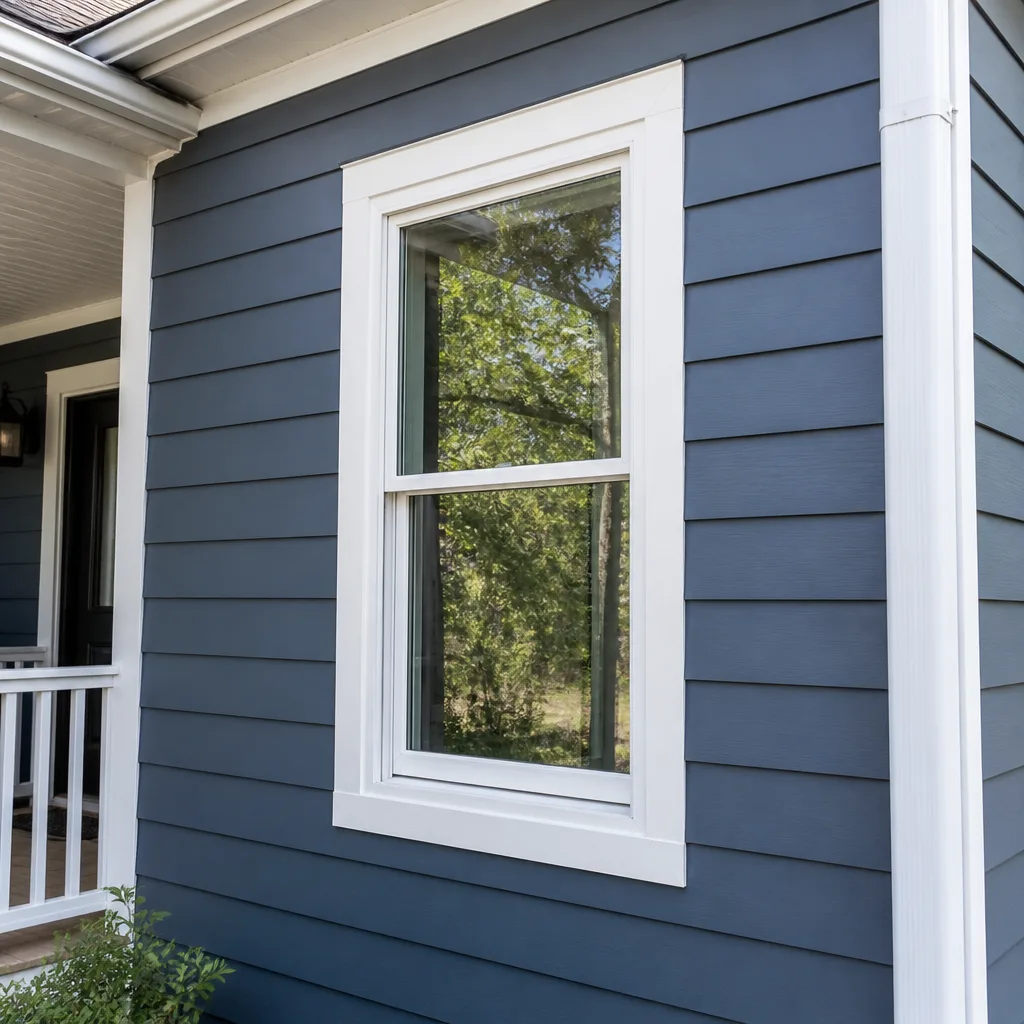
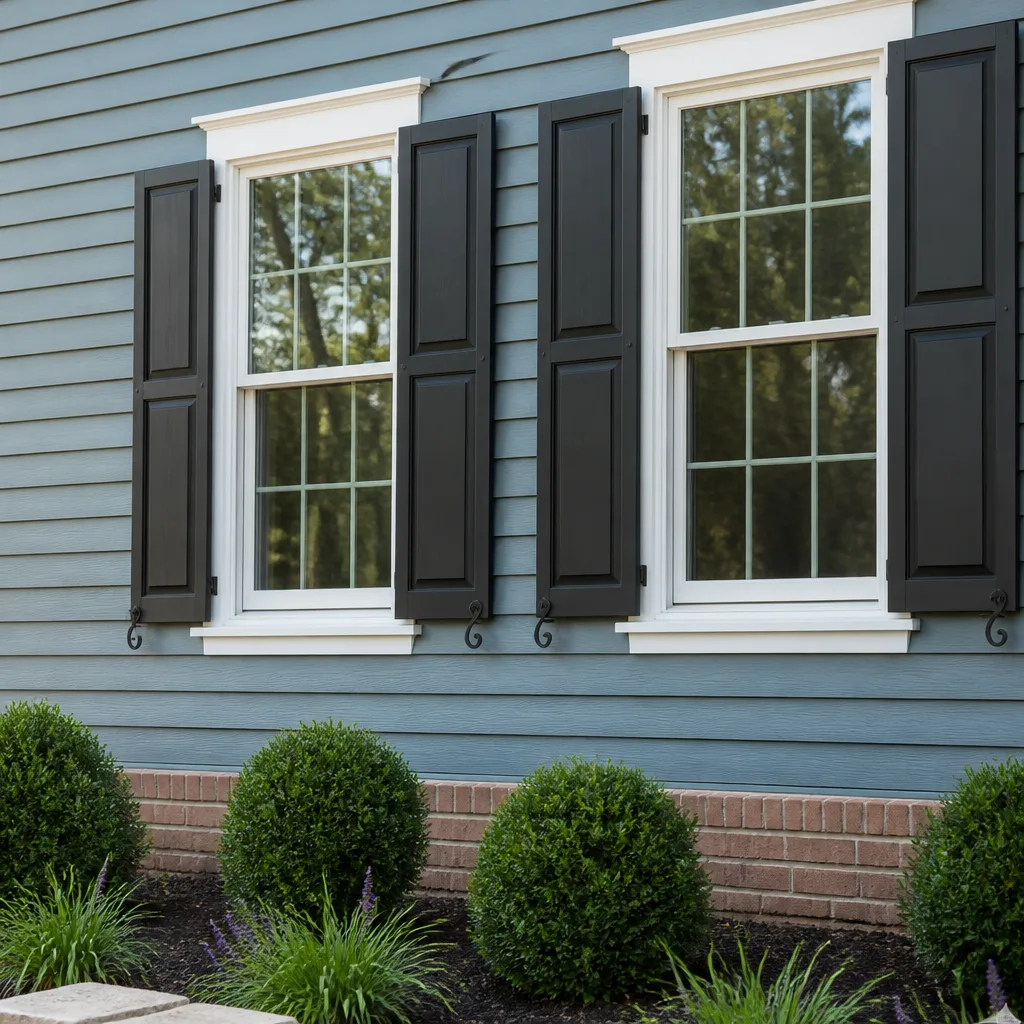
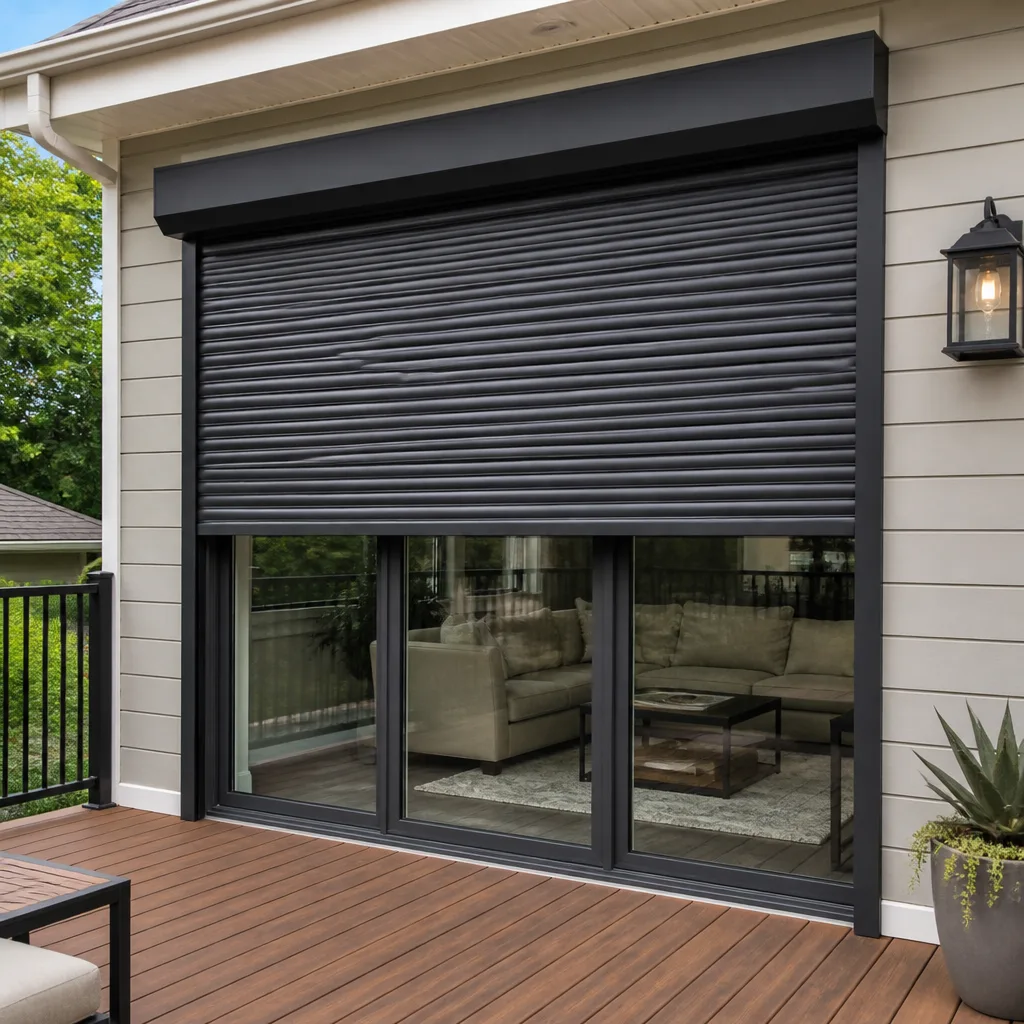
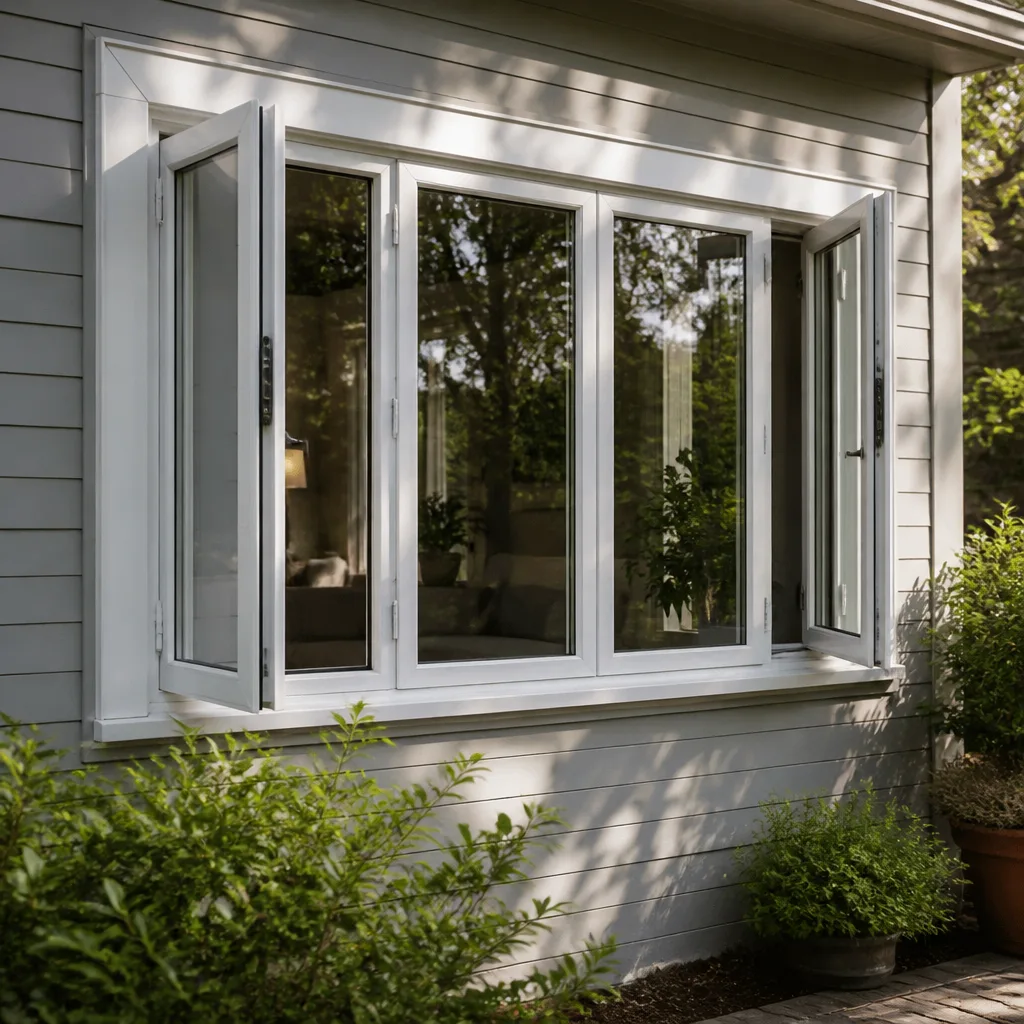

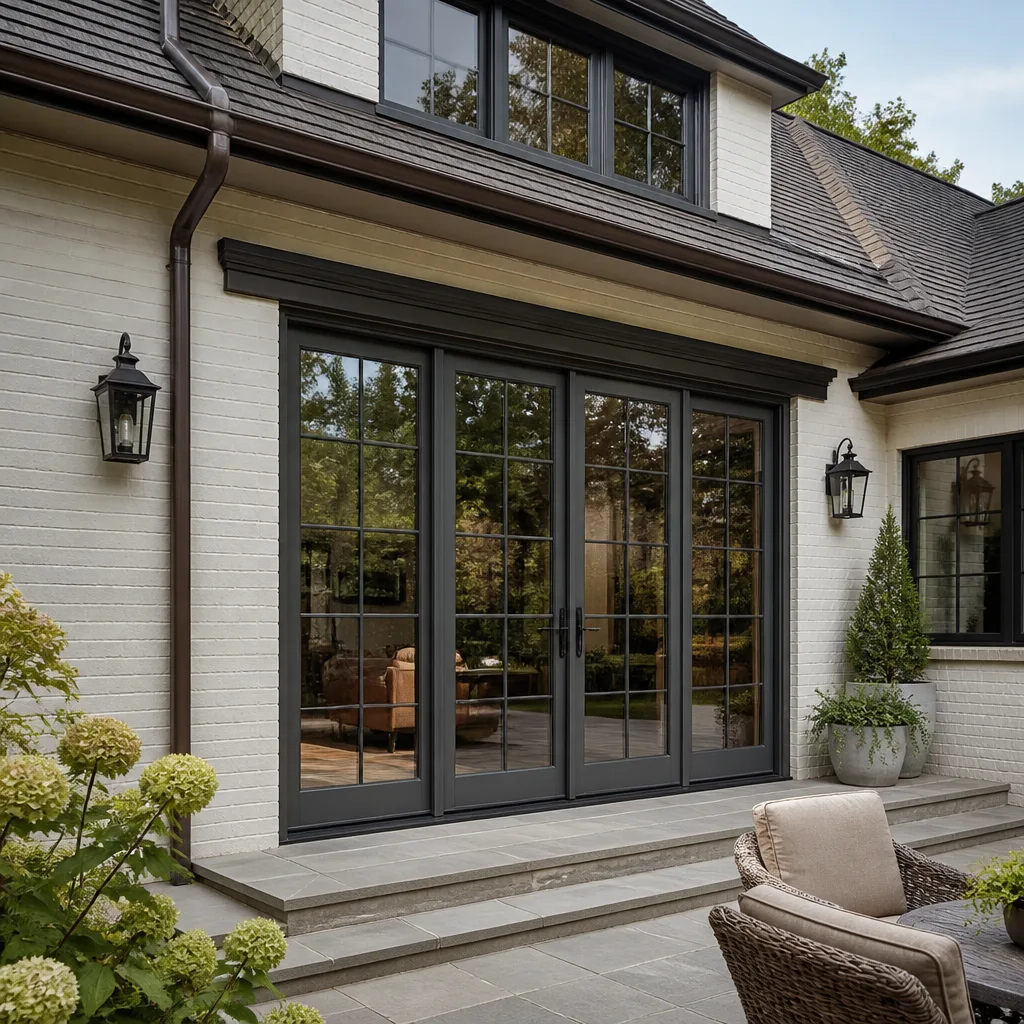
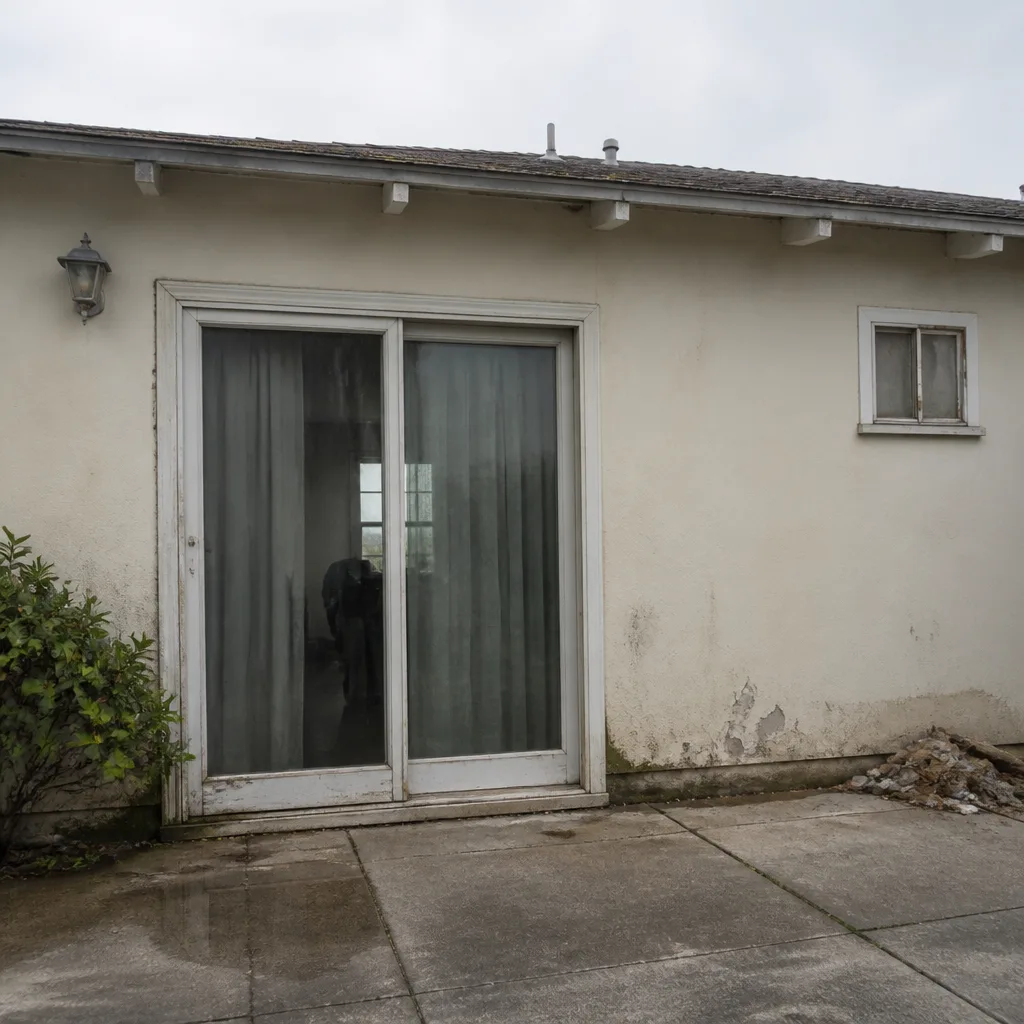 Before
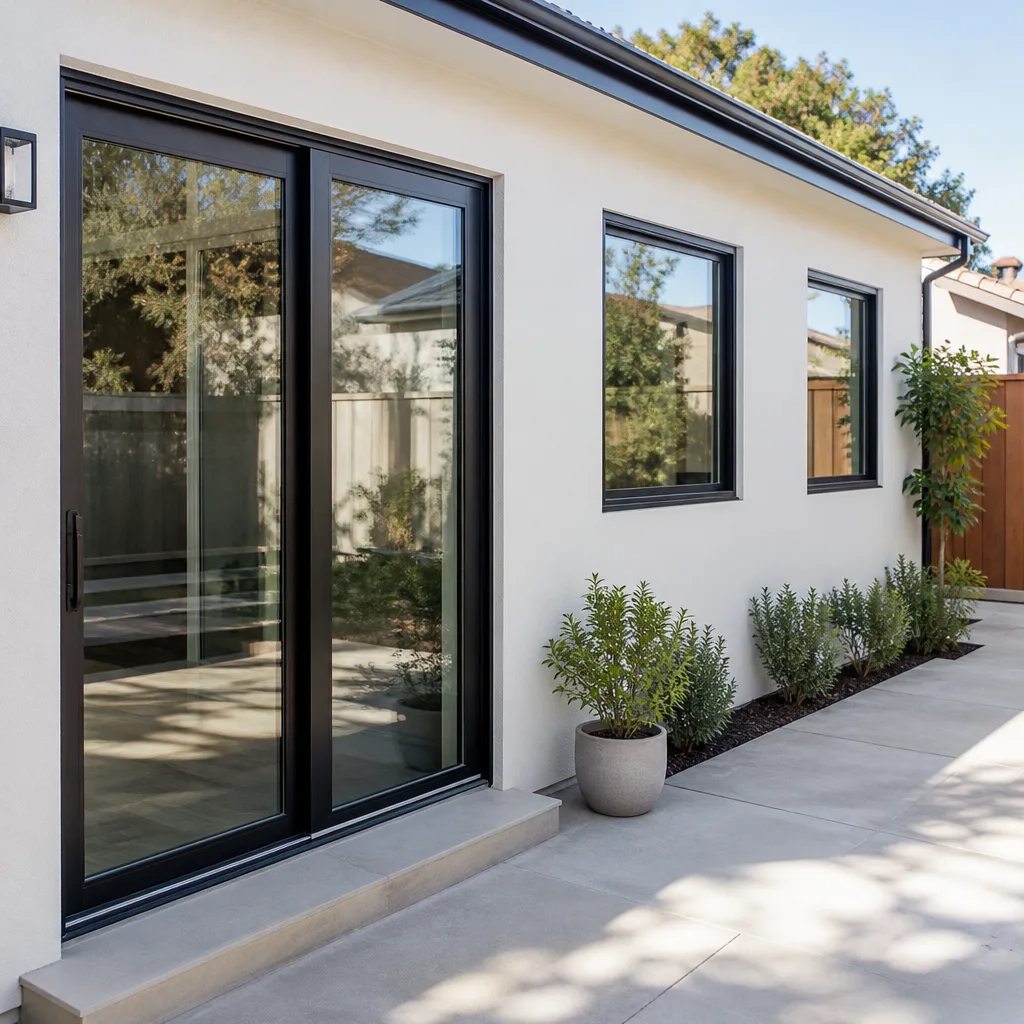 After
After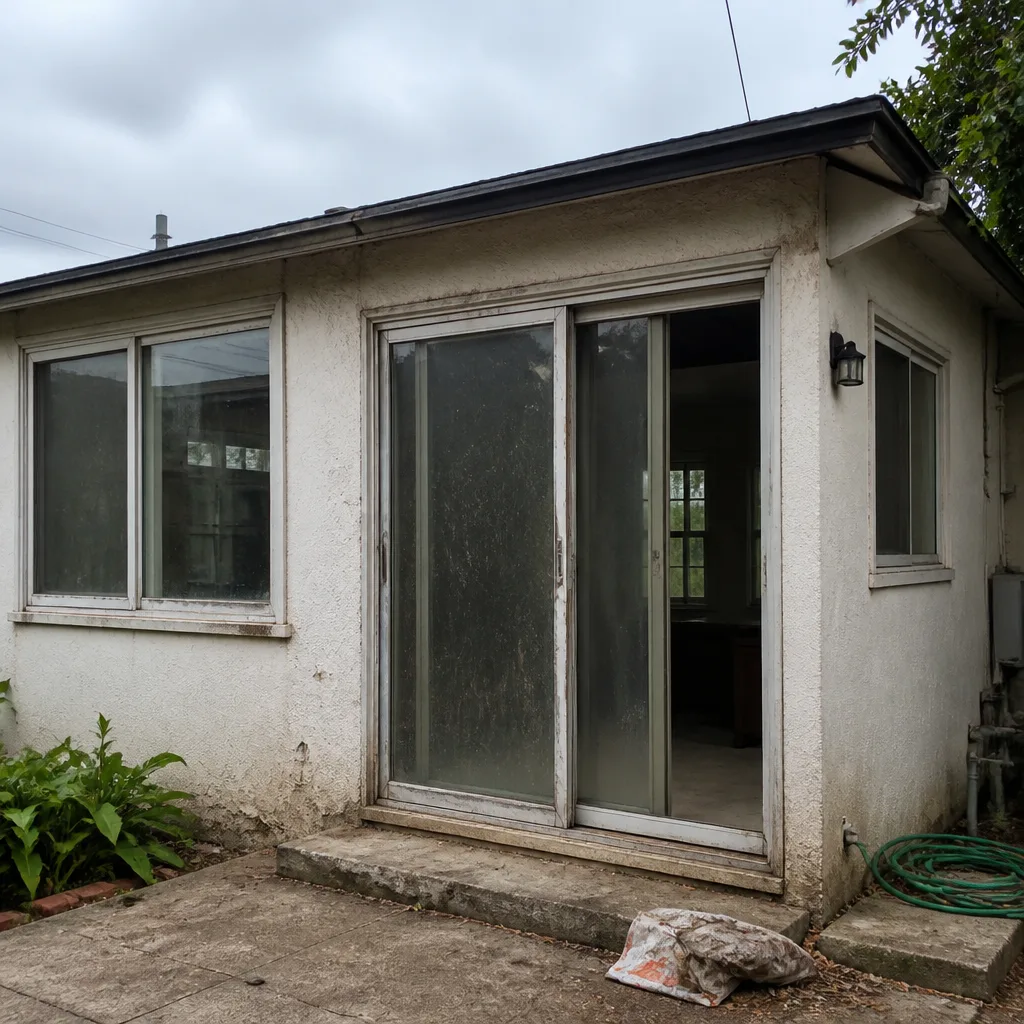 Before
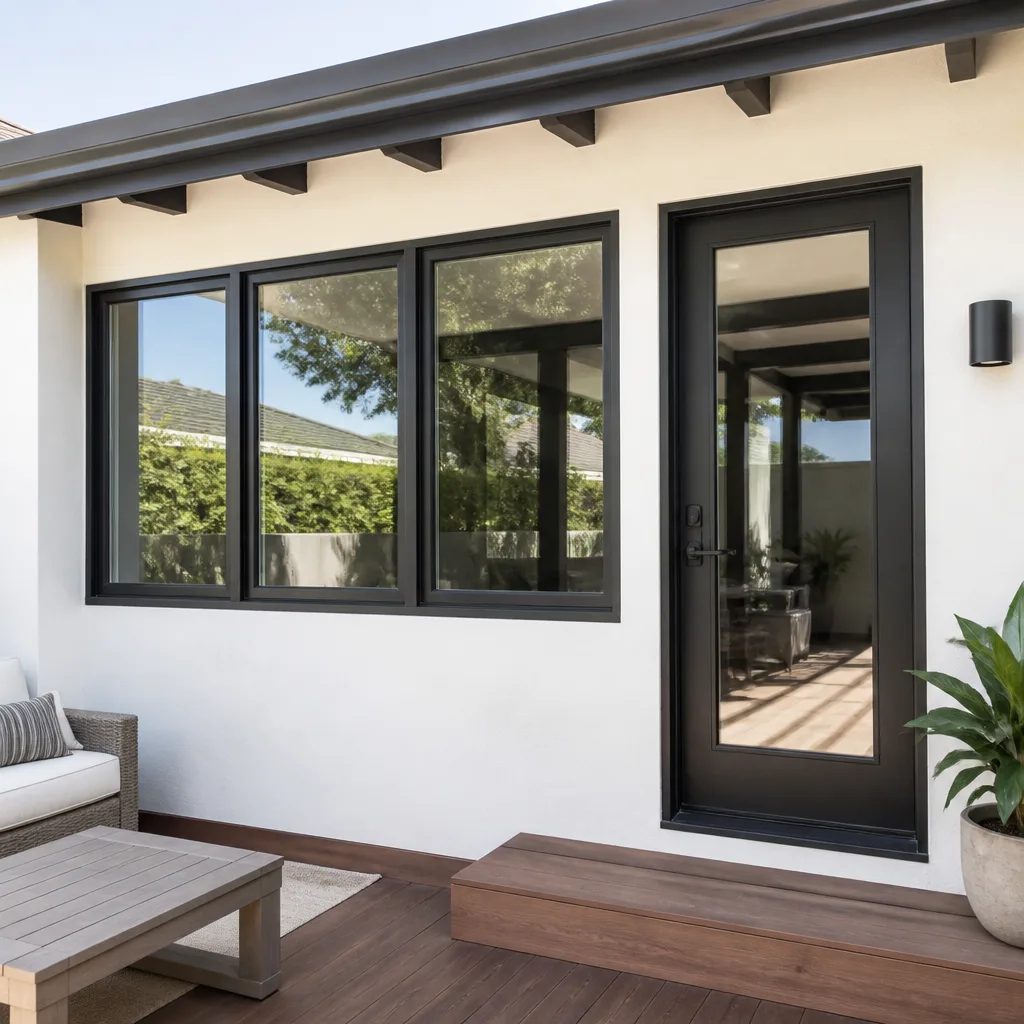 After
After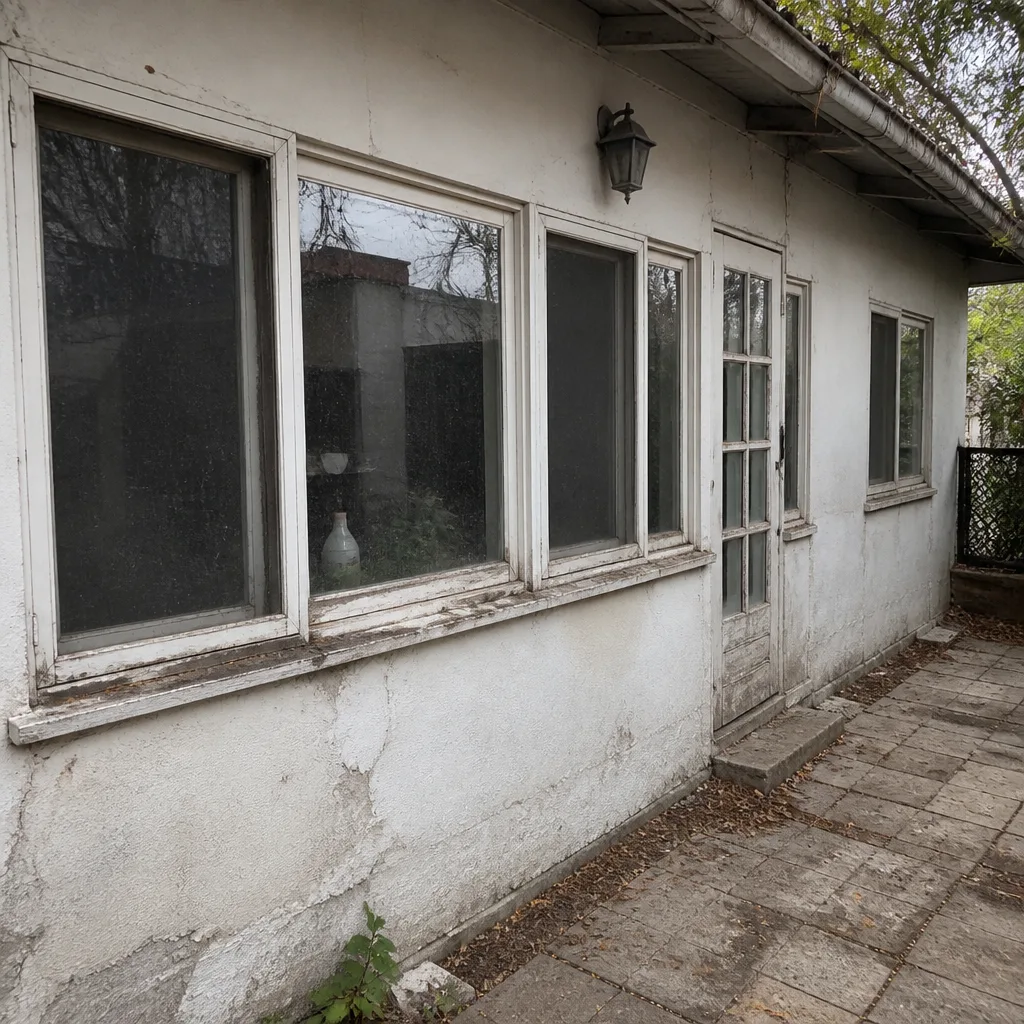 Before
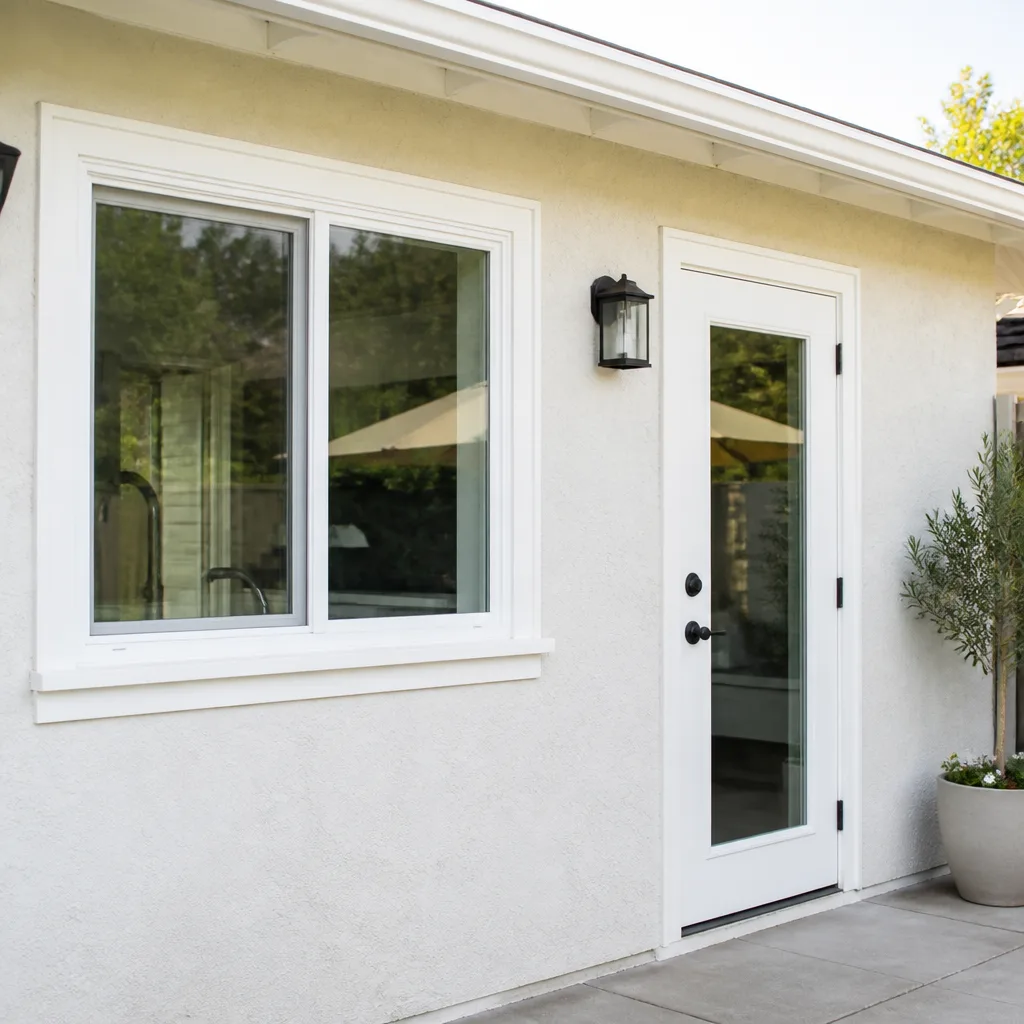 After
AfterWindows & Doors Emergency Preparedness Guide for Los Angeles Homes
After the 1994 Northridge earthquake, structural engineers sorting through the damage found something that never made the evening news: racked door frames, not collapsed walls, were the single most common reason families could not exit their homes safely. A wall can crack and still stand. A door frame that shifts by half an inch can turn a front door into a permanent part of the wall. Yet no standard emergency preparedness checklist for Los Angeles homes includes a door-operation test. This guide covers what actually fails on windows and doors during earthquakes, wildfires, and high-wind events in Los Angeles, and what you can do about it before the next one arrives.
Quick Answer
Window and door emergency preparedness for Los Angeles homes means testing every exterior door for frame racking before an earthquake, sealing the gaps that let wildfire embers into your home, knowing the seven checks to perform within the first hour after a tremor, and documenting your windows and doors with photographs before disaster season starts. Most of it costs under $200 and takes one Saturday afternoon. The expensive part is not doing it.
Table of Contents
- Earthquake Prep: The Door Frame Test Los Angeles Homes Skip
- Wildfire Ember Intrusion: The Gaps You Cannot See
- The First Hour: 7 Window and Door Checks After a Tremor
- Emergency Board-Up and Temporary Seals Without Frame Damage
- Insurance Documentation: Photographing Windows and Doors Before Disaster Season
- High-Wind Events: What Los Angeles Homeowners Often Overlook
- Retrofit vs. Replace: Where to Spend Your Money First
Earthquake Prep: The Door Frame Test Los Angeles Homes Skip
Door frames in Los Angeles homes take seismic stress differently than walls. When the ground moves laterally, the house twists. Walls are flexible enough to absorb some of that twist. Door frames are rigid rectangles bolted into those walls. When the wall twists, the frame racks: the top corners are no longer square, the latch no longer lines up with the strike plate, and the door wedges itself shut.
Here is what to check on every exterior door in your home. This takes about five minutes per door.
- Open and close the door slowly. Listen for rubbing or scraping sounds at the top or latch side. Any resistance that was not there when the door was installed is a warning sign.
- Check the reveal. The reveal is the gap between the door slab and the frame. It should be roughly even on all three sides. If the gap at the top is wider on one side than the other, the frame has already started to rack.
- Test the latch with the door closed. Does the latch slide into the strike plate without lifting or pulling on the door? If you have to lift the handle to make it latch, the alignment is off. After an earthquake, that misalignment often gets worse fast.
- Look at the hinge screws. Loose hinge screws allow the door to sag. Tighten them now. If a screw spins without tightening, the wood behind it has stripped, and the door needs a longer screw or a hinge repair before it fails completely.
- Check the exterior doors on the garage and side yard too. Most Los Angeles homes have at least three exterior doors, and the one you never use is the one that will jam first.
In neighborhoods like Sherman Oaks, Studio City, and the older parts of Pasadena, we regularly see doors installed in the 1960s and 1970s with frames that have been quietly racking for decades. Those are the doors that fail hardest when the ground moves. If your door shows two or more of the signs above, have a professional inspect the frame before the next significant tremor. A square frame exits. A racked frame does not.
Wildfire Ember Intrusion: The Gaps You Cannot See
Wildfire embers, not walls of flame, burn most houses. Embers are small enough to slip through gaps you would never notice: the space under a door threshold, the worn weatherstripping along a window sash, the unsealed joint where a sliding door meets its track. Once an ember gets inside a wall cavity or lands on a dry curtain, the house fire starts from the inside out.
Standard weatherstripping is designed to block air, not fire. In a wildfire, air-blocking foam and vinyl weatherstripping can melt or ignite. What Los Angeles homeowners in wildfire-adjacent zones need is ember-resistant sealing: products tested to keep burning particles out even when they are pressed against the gap by wind.
Products That Carry a Tested Ember-Resistance Rating
- Woven fiberglass or intumescent weatherstripping. Unlike foam, these materials will not sustain combustion. Intumescent strips expand when heated, which seals the gap tighter during a fire event.
- Brush-style door sweeps with aluminum carriers. A nylon brush under a steel or aluminum carrier blocks embers at the threshold. Avoid all-plastic sweeps; they melt.
- Fire-rated expanding foam sealant. For the perimeter gaps around window and door frames, this foam expands to fill the void and is formulated to resist ignition.
- Ember-rated vents and mesh screens. Soffit vents and crawlspace vents need 1/16-inch or smaller metal mesh. Standard screen is too coarse.
Retrofitting Existing Doors Without Replacement
- Replace the bottom sweep. Remove the old sweep, clean the door bottom, and install a brush-style sweep with an aluminum carrier. Cost: $15 to $40 per door.
- Replace side and top weatherstripping. Pull out the old foam or vinyl strips and install woven fiberglass or intumescent replacements. Cost: $8 to $25 per door.
- Seal frame perimeter gaps. Where the door frame meets the rough opening, remove the interior casing, fill the gap with fire-rated foam, and reinstall the casing. Cost: $10 to $30 in materials per door.
- Check sliding glass door tracks. Embers collect in the bottom track of sliding doors. Upgrade to a track with brush inserts or install a track cover that blocks debris accumulation. Cost: $20 to $60.
The total retrofit for a typical Los Angeles three-bedroom home with three exterior doors and eight to ten windows runs $200 to $500 in materials. That is a fraction of the cost of replacing even one window after a fire.
The First Hour: 7 Window and Door Checks After a Tremor
After any significant earthquake in Los Angeles, the first hour is when you make decisions that affect everything that follows. Before you check the gas line, check your exits. Here are the seven checks, in order.
- Open every exterior door from the inside. Start with the door you would use in a fire. If it sticks, do not force it. A jammed door after a quake often means the frame has racked. Forcing it can split the frame and make the problem permanent.
- Check glass integrity before touching any window. Look for cracks radiating from corners, chips at the edges, or glass that appears cloudy. Cracked glass after a quake may still be in the frame. Do not open or close a window with cracked glass; the movement can cause it to shatter.
- Test window operation on one window per room. Open and close it slowly. If it binds halfway, leave it closed and note it. Windows that bind after a quake signal frame movement in the wall.
- Check door frame plumb. Hold a level against the hinge side of each door frame. If the bubble is outside the lines, the frame has moved. Document it with a photo for your insurance claim.
- Test all locks and latches. A lock that no longer engages means the door and frame have shifted relative to each other. A door that cannot lock is a security problem, but more importantly, it is evidence of structural movement.
- Look for new gaps around window and door frames. Gaps that were not there before mean the rough opening has flexed. Seal them temporarily with tape or caulk until a professional can assess them.
- Check sliding doors. Lift the panel slightly and slide it both directions. A sliding door that has jumped its track is a hazard to anyone who tries to use it. Leave it alone and use another exit.
In our experience working Los Angeles homes after the smaller quakes that hit every few years, most window and door damage is not dramatic. It shows up as a door that sticks, a window that will not open, a crack in the corner of a pane. Those small failures are the early warning signs. Take them seriously.
Emergency Board-Up and Temporary Seals Without Frame Damage
A broken window after a quake or wind event needs a temporary cover. Many homeowners grab plywood, nails, and a hammer, and end up doing more damage to the frame than the disaster did. Nails split trim, shatter stucco, and leave holes that become leak points later. Here is how to board up without wrecking the frame.
What to Pre-Stock
- 1/2-inch exterior-grade plywood cut to 2 inches larger than each window opening on all four sides. Label each piece with the window it fits.
- 2×4 bracing lumber for windows wider than 4 feet.
- Exterior-grade lag screws with washers, sized to penetrate the wall sheathing by at least 1 inch.
- Painter’s tape or duct tape for sealing cracks in glass that has not yet shattered.
- Heavy plastic sheeting (6-mil) as a water barrier between the plywood and the window.
- Glazing tape or rope caulk for temporary seals that will not harden and damage frames.
- Clean the glass and frame area. Remove loose shards carefully. Tape cracked glass with painter’s tape in an X pattern to hold it together while you work.
- Apply plastic sheeting over the window opening. Tape it to the exterior trim, not the glass. This keeps water out and keeps glass shards contained.
- Position the pre-cut plywood over the opening. Screw it into the wall framing or the window trim, never into the window frame itself. Driving screws into the window frame destroys the seal and the frame’s ability to hold glass later.
- Add 2×4 braces for wide openings. For windows over 4 feet, brace the plywood vertically and horizontally. This prevents wind from bowing the board inward.
- Mark the board with the date and the window location. Insurance adjusters need to know when the board went up and where.
- Every window, inside and out. One photo per window, straight-on, showing the full frame and glass.
- Every exterior door, inside and out. Include the threshold, the weatherstripping, and the hinge hardware.
- Close-up shots of any existing damage. If a window already has a small crack or a door frame already has a gap, document it. You are not hiding it; you are establishing a baseline.
- Manufacturer labels and etching on the glass. These identify the window’s make, model, and glass type, which affects replacement cost.
- The door frame reveal and latch alignment. A door that closes cleanly today is a door that should close cleanly after a quake. If it does not, the photos prove the change.
- Test every lock and latch before wind season. If a latch does not throw completely, replace it. A half-engaged latch fails under wind load.
- Check sliding door tracks for debris. A pebble in the track prevents the door from seating fully against the weatherstripping, which lets wind in and puts stress on the rollers.
- Tighten all exterior door hinge screws. Loose hinges allow the door to rattle, and rattling under wind load loosens them further. This is a five-minute fix that prevents frame damage.
- Inspect window locks and keepers. The keeper is the plate the lock engages. A loose keeper lets the window sash move under wind pressure, which strains the frame and breaks seals.
- Consider impact-rated glass for wind-exposed openings. Homes in the wind corridors of the San Fernando Valley and the foothill communities benefit from impact-rated windows like those from PGT or CGI. They are tested to withstand flying debris and negative pressure, and they eliminate the need for storm shutters.
- Fix what is broken now. Loose hinges, failing latches, missing weatherstripping, stripped screws. These are $10 to $50 fixes per door or window. Do them all first.
- Upgrade seals and sweeps to ember-resistant materials. $200 to $500 for a typical home. The highest-value wildfire prep you can do without replacing anything.
- Replace windows with cracked glass, broken seals, or frames that show movement. A window with a failed seal is not doing its structural job. In an earthquake, old aluminum-frame windows from the 1960s and 1970s are far more likely to lose their glass than newer vinyl or fiberglass units. If you are in a wildfire zone, choose tempered or impact-rated glass.
- Replace doors that no longer operate correctly. A door that sticks, scrapes, or will not latch is a door that has already failed. It is not going to get better. Entry doors from Therma-Tru are engineered for consistent operation and come with frames that resist racking better than the hollow wood frames common in older Los Angeles homes.
- Document everything as you go. Photos of the new hardware, the new seals, the new windows. Your insurance file should show the progression.
Installation Steps That Protect the Frame
For doors that will not latch after a quake, a temporary fix is a wedge under the door from the inside and a strap or rope tied from the handle to a secure anchor. Do not force the door. Do not plane or trim the door to make it fit; that permanently damages a door that may simply need the frame re-squared.
If the window is shattered and the frame is twisted, call a licensed glazier or a window contractor who can order the right replacement glass. A general board-up service can secure the opening, but they are not going to replace the insulated glass unit, re-square the frame, or warranty the work. That is a different job.
Insurance Documentation: Photographing Windows and Doors Before Disaster Season
Insurance claims for window and door damage after earthquakes and wildfires in Los Angeles get disputed for one reason more than any other: the homeowner cannot prove the condition of the window or door before the event. Insurance companies look at a cracked window after a quake and see pre-existing wear. Your documentation is the only thing that changes that calculation.
What to Photograph
Metadata and Storage
Metadata matters. Use a phone or camera that records date, time, and GPS location automatically. If yours does not, photograph a newspaper or a dated receipt in the first and last shot of each room. Store the photos in at least two places: one cloud service (Google Photos, iCloud, Dropbox) and one physical drive kept in a fireproof safe or off-site. Los Angeles wildfire evacuations move fast; you may have minutes to grab a bag, and a cloud backup is the only copy you are certain to keep.
Update the photos every year. Doors settle, weatherstripping wears, seals age. A photo set from 2021 does not document a door’s condition in 2026. Set a recurring calendar reminder for the first weekend of September, before the Santa Ana winds pick up and before wildfire season peaks.
High-Wind Events: What Los Angeles Homeowners Often Overlook
Santa Ana winds routinely hit 45 to 70 mph in the passes and canyons around Los Angeles. The home features that fail in those winds are rarely the ones people expect. Walls stand. Windows and doors are the weak points.
The biggest risk is not a window blowing in. It is a door that is slightly misaligned, a latch that does not fully engage, or a window with a worn lock. Wind pushes against a wide surface; a door with a weak latch becomes a lever, and the frame is the fulcrum. When the door bangs open, the hinges twist, the frame splits, and the door is no longer a door.
Wind-Specific Checks
Most homeowners in Los Angeles associate impact-rated windows with hurricane country. But the same physics apply in a Santa Ana event. Wind pressure on a large picture window in the hills above Burbank or the exposed slopes of Mount Washington is not a theoretical concern. We have replaced windows that were sucked out of their frames by negative pressure during wind events, and every one of them was an older single-pane window with worn locks.
Retrofit vs. Replace: Where to Spend Your Money First
Not every home needs full window and door replacement before an emergency. Some do. Choosing the Right Windows & Doors Brand: A Buyer’s Guide for Los Angeles can help when replacement is the right call. Knowing the difference saves you thousands. Here is the honest order of operations we recommend to Los Angeles homeowners.
The order matters because most homes do not need everything done at once. Fix the small things now. Upgrade the seals. Replace what cannot be repaired. That sequence gets you to a prepared home without a five-figure project you did not need.
Common Mistakes to Avoid
- Forcing a jammed door after an earthquake. A door that will not open is telling you the frame has racked. Forcing it splits the frame and turns a fixable problem into a replacement.
- Nailing plywood directly into window frames. The frame is the precision part that holds the glass. Holes in it destroy the seal and complicate the eventual glass replacement. Screw into the wall or trim instead.
- Replacing weatherstripping with whatever is on the shelf. Standard foam weatherstripping melts in wildfire ember conditions. Use woven fiberglass or intumescent strips that resist ignition.
- Skipping the door-operation test because the door “works fine.” The Northridge data is clear: doors that worked fine before the quake were the ones that trapped people after it. Test every exterior door, including the side gate and garage door.
- Not photographing windows and doors before disaster season. Insurance claims get denied or reduced when you cannot prove pre-event condition. One afternoon of photos is the highest-value documentation you can do.
- Using a general handyman to re-square a racked door frame. Frame racking is a structural symptom. A proper fix requires removing the trim, checking the rough opening, and reinstalling the frame square. A quick trim-and-shim job leaves the underlying problem in place.
- Waiting until after the disaster to think about board-up materials. Plywood, screws, and plastic sheeting disappear from Los Angeles hardware stores within hours of a significant quake or wind event. Pre-cut and label your boards now.
When to Call a Professional
Call a window and door professional if your door frame shows signs of racking before an earthquake, if your windows are old aluminum units with single-pane glass in a wildfire zone, if a door will not latch after a tremor, or if you need impact-rated windows installed before wind season. These are not minor issues. A door that fails during an emergency is not an inconvenience; it is an exit that no longer exists. Westlight Windows & Doors home offers free estimates throughout Los Angeles, and every price is written down before any work starts. Call (903) 354-7134 to schedule an assessment of your windows and doors before the next event, not after.
Frequently Asked Questions
Check the reveal gap around the door slab; if it is uneven, the frame has already begun to rack. Test the latch: if you must lift the handle to make it engage, the alignment is off. Loose hinge screws are another early sign. Any door showing two or more of these symptoms is at high risk of jamming during a tremor. Call (903) 354-7134 for a professional assessment, or read our guide to Window Replacement in Los Angeles for related frame issues.
Replace foam and vinyl weatherstripping with woven fiberglass or intumescent strips, install brush-style door sweeps with aluminum carriers, and seal the perimeter gaps around window and door frames with fire-rated expanding foam. Total materials for a typical Los Angeles home run $200 to $500.
For a homeowner with pre-cut plywood and the right screws on hand, about 20 to 30 minutes per window. The key is screwing into the wall or trim, not the window frame, and applying a plastic moisture barrier before the plywood goes up.
Photograph every window and door inside and out, including manufacturer labels, existing damage, thresholds, weatherstripping, and lock hardware. Ensure the photos have date and GPS metadata. Store them in a cloud service and on a physical drive in a fireproof safe. Update the set every September before Santa Ana wind season.
Impact-rated windows make strong sense for homes in Santa Ana wind corridors and wildfire-adjacent areas of Los Angeles. They resist flying debris and negative pressure during wind events, and many carry ember-resistance ratings. We install PGT and CGI impact-rated lines for Los Angeles homeowners and can install windows in Los Angeles with a written price before work begins.
Minor issues like loose hinge screws are DIY-friendly. But true frame racking requires removing the trim, inspecting the rough opening, and re-squaring the frame, which is not a handyman job. If the reveal gap is visibly uneven or the door will not latch, call a professional door contractor. Our Door Installation in Los Angeles page covers what a proper frame correction involves.
The Bottom Line
Windows and doors are infrastructure, not decoration. Before the next earthquake, test every exterior door for racking. Before the next wildfire season, upgrade your seals to ember-resistant materials. In the first hour after a tremor, run the seven checks. Document everything with dated photographs. Pre-stock board-up materials sized to your openings. The work costs a few hundred dollars and a few hours. What it buys you is the difference between a home you can exit and a home that exits you. Find more guides & resources on our blog. If you want a professional assessment of where your Los Angeles home stands, call Westlight Windows & Doors at (903) 354-7134 for a free estimate, written down before any work starts.
Written by Owen Satterfield, Owner at Westlight Windows & Doors, serving Los Angeles since 2009.