
Last updated October 8, 2026
Free in-home measure and quote - PGT, CGI and CWS impact lines compared on your actual openings, style by style



 Before
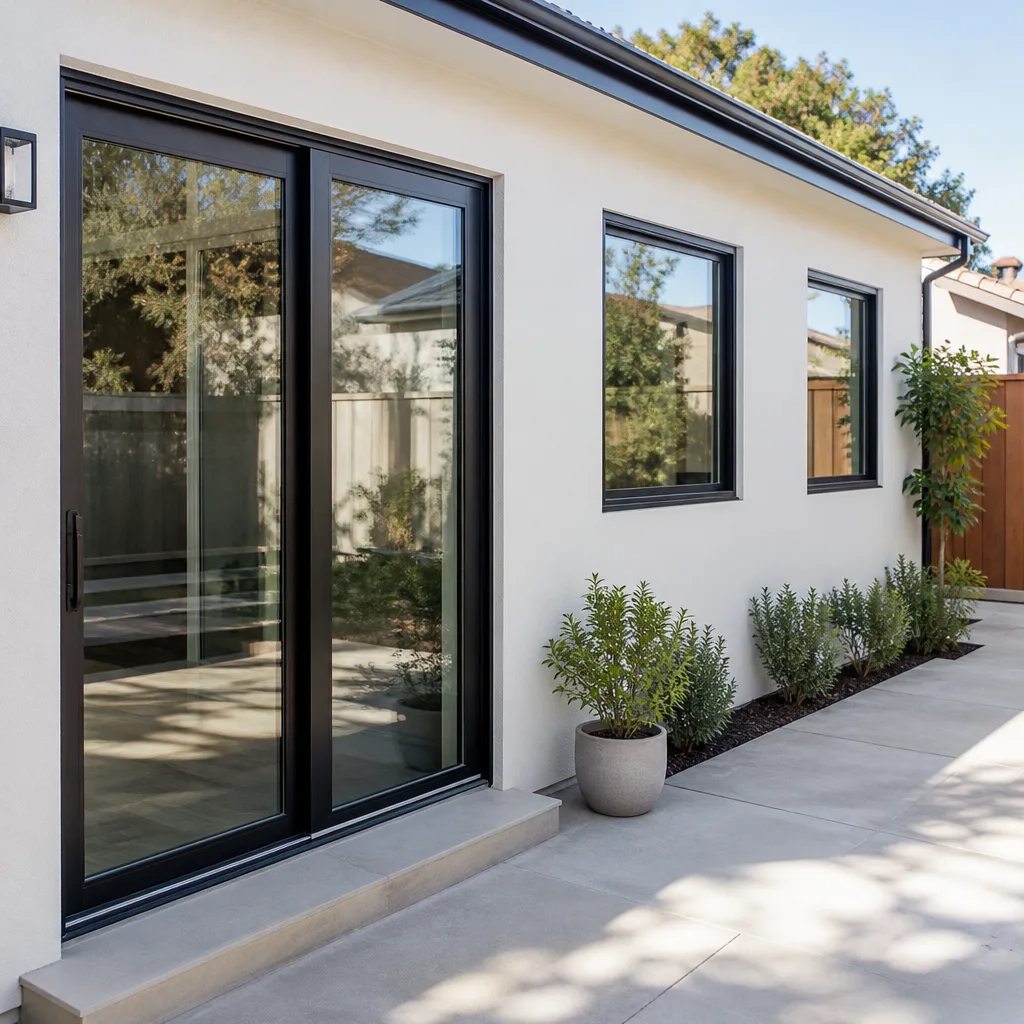 After
After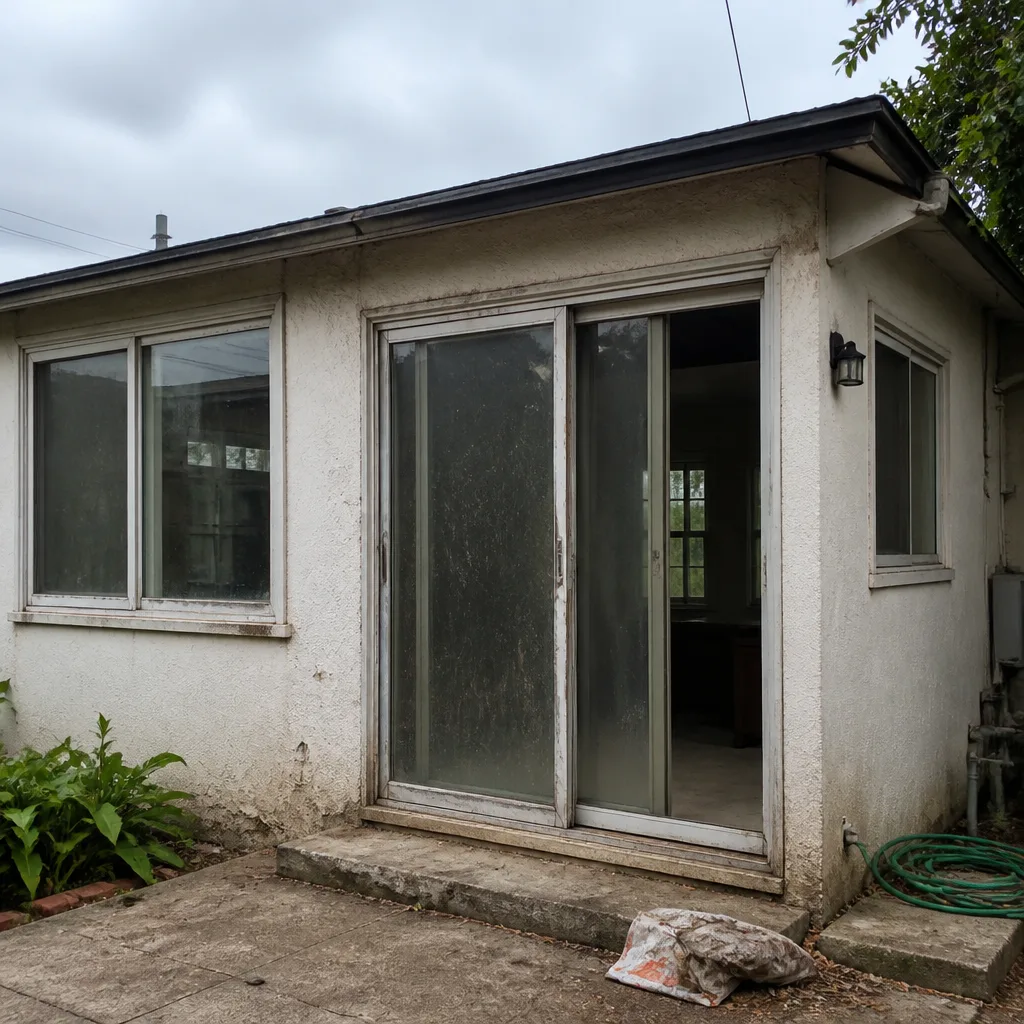 Before
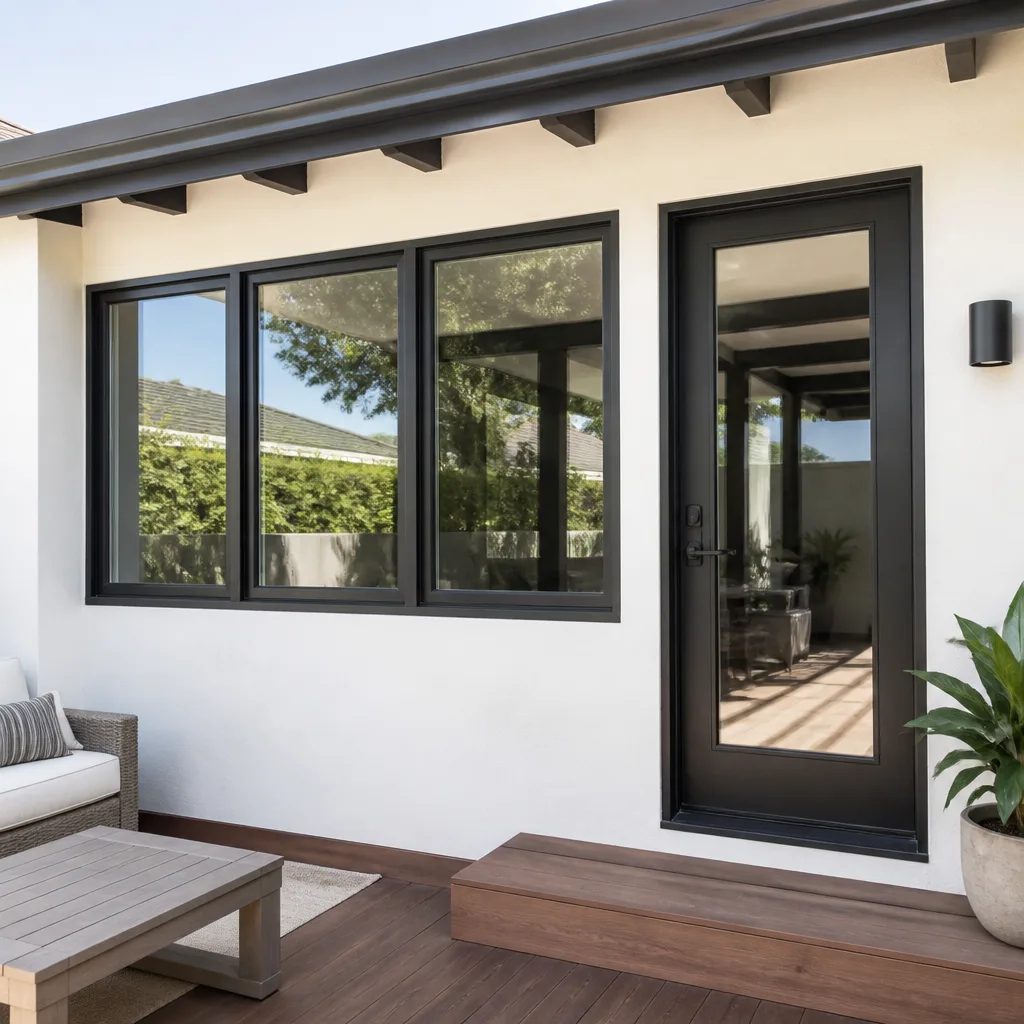 After
After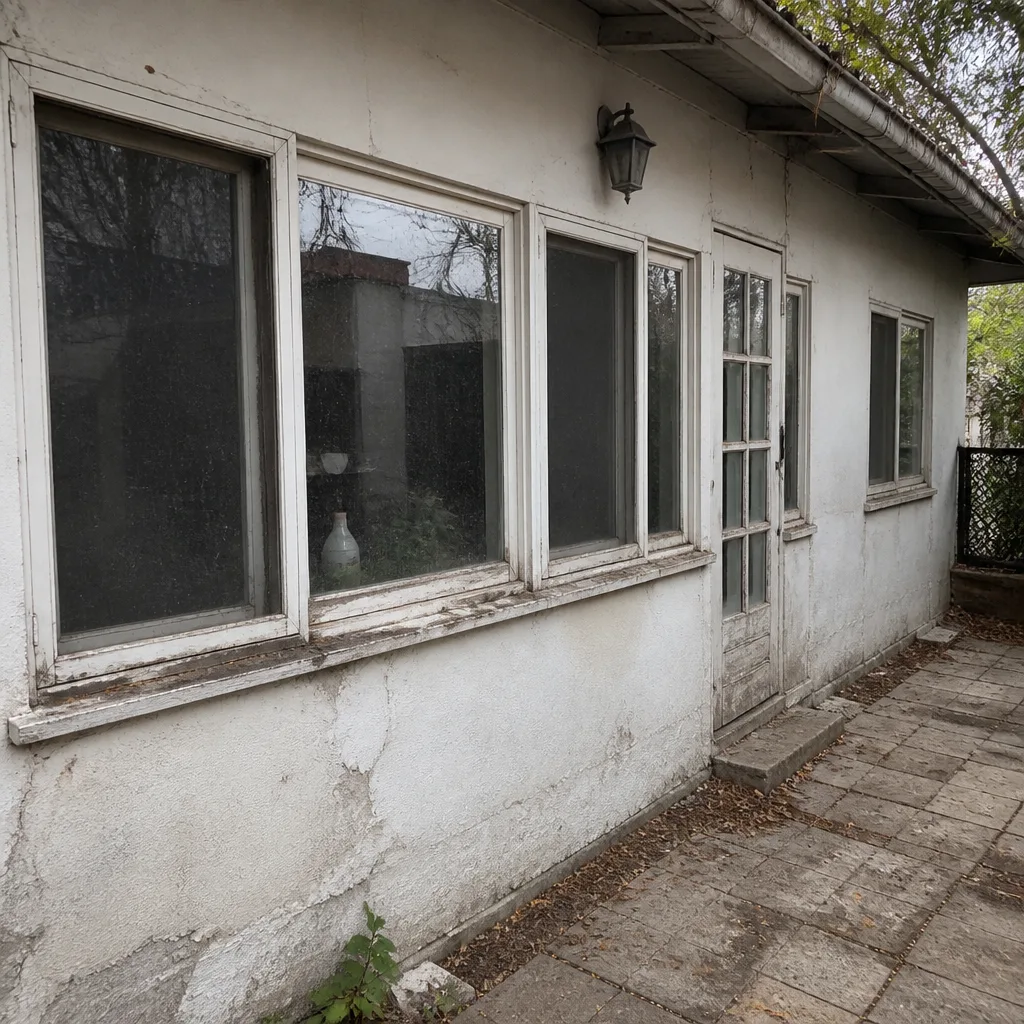 Before
 After
AfterWindow Replacement Maintenance Checklist for Los Angeles Homeowners
The number-one cause of premature window seal failure in coastal Los Angeles neighborhoods isn’t age. It’s the salt-laden marine layer condensing and evaporating on the glass edge every single day, a cycle that standard maintenance schedules from national home-improvement sites ignore entirely. This guide is written for Los Angeles specifically, because the windows in a Mar Vista bungalow face different enemies than the windows in a Minneapolis rambler. What follows is the checklist we use when we inspect our own installations across the city, organized around what actually shortens window lifespan here: UV degradation, wildfire ash, marine-layer moisture cycling, Santa Ana dust, and the occasional earthquake jolt.
Quick Answer
The Window Replacement Maintenance Schedule: What to Do and When that actually works for Los Angeles is: wash glass and wipe down frames every 60 days (more often within three miles of the coast), clear weep holes and drainage channels every spring and fall, inspect exterior seals for UV cracking every October before Santa Ana season, check for hairline frame cracks after any earthquake above magnitude 4.0, and clean ash residue with plain water and mild soap within 48 hours of any wildfire smoke event. Skip the vinegar and ammonia. They destroy the seals on dual-pane units.
Table of Contents
- What Actually Kills Windows in Los Angeles
- The Month-by-Month Maintenance Calendar for LA
- Weep Holes and Drainage: How to Inspect Them by Frame Type
- UV Damage on Seals and Glazing Compound: What to Look For
- Santa Ana Wind Season Prep: October Through December
- Post-Wildfire Ash Cleanup Protocol
- Post-Earthquake Micro-Crack Inspection
- Cleaning Products That Destroy Window Seals (and What to Use Instead)
What Actually Kills Windows in Los Angeles
Most window maintenance advice gets written for places with ice dams, frost heave, and thermal shock from single-digit temperatures. Los Angeles has none of those. What we do have is 284 sunny days a year, a marine layer that sits on the west side from May through August, and Santa Ana winds that blast fine dust through every micro-gap in October and November. Each of these forces attacks a different part of the window assembly, and a checklist built for Boston will miss two-thirds of them.
UV radiation in Southern California degrades EPDM rubber seals and flexible glazing compounds roughly twice as fast as in the Northeast. That is not an estimate. That is what we see on service calls: a 7-year-old window in Santa Monica with seal fractures identical to a 14-year-old window in upstate New York. The marine layer adds a second front, because the moisture condenses on aluminum and vinyl frames nightly, then evaporates by 11 a.m., leaving behind microscopic salt deposits that accumulate in drainage channels and accelerate corrosion at the seal line. Wildfire ash compounds all of it, because ash is alkaline and abrasive. Left on glass for two weeks, ash etches the surface. Left in weep holes, it hardens into a cement-like plug that traps water inside the frame.
The good news is that Los Angeles homeowners can prevent most of this with a maintenance routine that takes under an hour per season. The tools are simple: a garden hose, a soft-bristle brush, a plastic putty knife, mild dish soap, and a flashlight. No specialty products. No ladders for most single-story homes. Just consistency, timed to the city’s actual seasonal rhythm. This guide comes from Westlight Windows & Doors home fieldwork, not theory, and it reflects what we recommend to homeowners across the city after every Window Installation in Los Angeles we complete.
The Month-by-Month Maintenance Calendar for LA
Here is the calendar we hand to every homeowner after a Window Replacement in Los Angeles. It is built around the four actual seasons Southern California experiences: marine-layer season, heat season, fire season, and rain season.
January and February: Rain Season Inspection
- After the first real rain, go outside and check every window for water beading on the interior side of the glass. Beading means the exterior seal has failed and water is entering the airspace between panes.
- Check the bottom corners of every exterior frame for soft spots, especially on wood-clad windows in older homes in Hancock Park and Miracle Mile.
- Test the drainage weep holes by pouring a cup of water into each exterior sill track. Water should drain out the front within 30 seconds. If it pools, the weep holes are clogged.
- Wipe down all weatherstripping with a damp cloth to remove accumulated road dust and grime.
March and April: Post-Rain Cleaning
Once the rainy season tapers off, do one deep exterior cleaning. Use a garden hose with a spray nozzle, mild dish soap, and a soft brush. Rinse frames completely, then dry the tracks with a rag. This removes the salt residue the marine layer deposited over the winter, before the dry season bakes it onto the aluminum or vinyl.
May through August: Marine-Layer Season
Coastal and Westside neighborhoods from Pacific Palisades to El Segundo get morning overcast most days. Wipe down exterior sill tracks at least once per month during this stretch. The goal is preventing the salt cycle from building up in the drainage channels. If you see white crust forming around the glass edge, remove it with warm water and a plastic scraper. Never use vinegar. More on that below.
September: Pre-Fire-Season Seal Check
Inspect every exterior seal and gasket for cracking, brittleness, or gaps. Press your fingernail into the rubber. If it does not spring back, UV has hardened it and it is at end of life. Document what you find, because seal replacement before Santa Ana season prevents ash intrusion when the fires start.
October and November: Santa Ana Prep and Ash Watch
After the first strong wind event, check weep holes again. Santa Ana winds drive fine dust into drainage channels and can plug them within days. If a fire burns anywhere in LA or Ventura County and the wind shifts your direction, do the full ash cleanup protocol in the section below.
December: Year-End Glass Inspection
Haze, fogging, or a slight rainbow sheen in the airspace between glass panes means a failed IG (insulated glazing) unit. The low-e coating inside has been oxidized by moisture intrusion, and the window needs our Window Replacement services, not repair. In Los Angeles, most single-window replacements run $650-$1,400 installed depending on frame material, glass package, and accessibility, and we put that price in writing before any work starts.
Weep Holes and Drainage: How to Inspect Them by Frame Type
Weep holes are the small openings milled or molded into the bottom exterior of a window frame, designed to let condensation and rain water escape. Every window in Los Angeles has them somewhere, but their location and shape depends on the frame material. Most LA housing stock falls into three frame categories: aluminum retrofit frames from the 1960s through 1990s, vinyl replacement frames installed in the 2000s forward, and wood-clad frames in pre-war homes and higher-end newer construction.
Aluminum Retrofit Frames
Aluminum frames dominate LA apartment buildings, condos, and single-family homes built between roughly 1965 and 1995. The weep holes are usually rectangular slots cut into the bottom track, visible from the exterior. These slots are shallow, which makes them fast to clog and easy to clear. Twice a year, run a zip tie or a plastic knife through each slot. If you see white corrosion around the slot, scrub it with a soft brush and warm water. Aluminum frames corrode fastest in beach-adjacent zip codes, because airborne salt accelerates the galvanic reaction between the aluminum and the steel screws used in older retrofit installations.
Vinyl Replacement Frames
Vinyl frames have weep holes molded into the bottom rails, often hidden behind a small flap or cover. Check them by feel more than by sight. Run a finger along the bottom exterior edge and locate the slots, then confirm water flows through by pouring water into the interior track and watching the exterior. Vinyl does not corrode like aluminum, but the weep channels inside the frame can collect fine Santa Ana dust that turns into mud when it meets condensation. Clear these twice a year with a pipe cleaner or a thin zip tie.
Wood-Clad Frames
Wood-clad windows, common in Los Angeles hillside homes and high-end builds from the 1920s through today, are the most vulnerable to clogged weep holes because wood swells when it stays wet. The weep holes are usually small round holes drilled at a downward angle through the bottom cladding. Inspect them monthly during rain season. If a weep hole is blocked and water sits against the wood for more than a few days, rot begins. The repair is ten times the cost of the maintenance. This is the check homeowners skip, and it is the one that costs the most when ignored.
UV Damage on Seals and Glazing Compound: What to Look For
Southern California receives roughly 90% more annual UV radiation than the national average. That is the number that matters when we talk about seals, because every flexible material on a window, EPDM rubber, TPE gaskets, silicone glazing compound, butyl sealant, degrades on a schedule tied to UV-hours, not calendar years. A window installed in South LA with west-facing exposure gets more UV in five years than an east-facing window gets in twelve.
Inspection points, in order of typical failure:
- Glazing bead and heel bead: The visible rubber line where glass meets frame. Look for cracks, flattening, or a chalky surface. Run your thumb along it. A healthy bead feels rubbery and smooth. A UV-degraded bead feels stiff and leaves a white or black powdery residue on your skin.
- Interior silicone seal at the glass edge: On dual-pane IG units, seal failure shows up as fogging or haze between the panes first. But you can catch it sooner by looking at the interior perimeter seal. Any separation or yellowing means moisture is already getting in.
- Exterior glazing compound on wood windows: Old-school putty glazing cracks, lifts, and falls out in chunks after enough UV exposure. Tap it gently with a fingernail. Hollow-sounding spots mean the compound has separated from the wood or the glass.
- Frame sealant at the exterior perimeter: The caulk line between the frame and the stucco, siding, or brick. Los Angeles stucco expands and contracts measurably between summer highs and winter rains, and the caulk takes that movement. Check exterior perimeter sealant every October before rain season.
If you catch seal degradation before the IG unit fails, sealing can buy you a year or two. Once the glass fogs, the IG unit is done and the fix is replacement. We carry eight manufacturer lines including PGT and CWS, and we match the replacement to the existing frame rather than forcing the frame to fit whatever is in stock.
Santa Ana Wind Season Prep: October Through December
Santa Ana winds are Los Angeles’s version of winter. They arrive from the northeast, hot and dry, carrying airborne dust and particulate from the Mojave, the Inland Empire, and, in bad years, the burn scars of whatever wildfire is active. The wind pressure itself does not damage a well-installed window. What damages windows is what the wind carries.
Fine particulate works its way into window tracks, weep holes, weatherstripping, and the gap between screen and glass. When the marine layer returns, that dust meets moisture and turns into a paste that hardens in place. Over one season, the paste clogs drainage. Over three seasons, it abrades the seal line every time the sash opens and closes. Over five seasons, it contributes to seal failure and frame corrosion at the corners. This is a failure pattern we see regularly on homes along the 405 corridor from Sherman Oaks to Long Beach, where seasonal winds and coastal marine air alternate all year.
Santa Ana prep checklist:
- Clear every weep hole on every window in late September or early October, before the first sustained offshore wind event.
- Blow out the tracks with compressed air or a leaf blower on the lowest setting, then vacuum the loose material.
- Check the exterior caulk line for gaps. Any crack wider than a thumbnail is a wind-driven dust entry point.
- Close and lock every window during high-wind events. Locking compresses the weatherstripping and reduces air and dust infiltration through the sash.
- After the wind event ends, run a finger along the interior sill. If it comes away dusty, the weatherstripping or the seal at the sash is not doing its job.
For homes in high-fire-risk zones, including much of the San Fernando Valley and the hills from Malibu to Pasadena, consider upgrading to impact-rated windows when replacement time comes. PGT and CGI manufacture windows tested for wind-borne debris, which is a different standard from energy efficiency. It matters in a wind event. It matters more in a fire year.
Post-Wildfire Ash Cleanup Protocol
Wildfire ash is not harmless dirt. It is alkaline, often with a pH between 9 and 12, and abrasive at the microscopic level. Left on window glass for two weeks, it etches the surface and creates permanent haze. Left in tracks and weep holes, it combines with ambient moisture and mineralizes into a plug that traps water inside the frame. The protocol below is what we recommend to homeowners after any smoke event where ash visibly settles on window surfaces.
- Wear gloves and an N95 or better mask. Ash from structure fires can contain residue from burned building materials. Do not do this bare-handed.
- Rinse first, never wipe first. Spray glass and frames with plain water from a garden hose before touching them with any cloth. Wiping dry ash grinds it into the glass. Rinse until the water runs clear.
- Wash with mild dish soap and water. Dawn or any non-abrasive dish soap works. Use a soft sponge or a microfiber cloth. Avoid anything scrubby.
- Rinse a second time, making sure no soap residue remains in the weep holes or tracks.
- Clear weep holes immediately after the rinse. Ash slurry moves into drainage slots during rinsing and can clog them within hours. Run a zip tie through each hole.
- Vacuum the interior tracks and sills. Ash finds its way inside through closed windows during heavy smoke. A crevice tool on a vacuum removes it without smearing.
- Inspect weatherstripping for ash accumulation. If the stripping feels gritty, wipe it down with a damp microfiber and let it air-dry before closing the window.
The 48-hour rule matters. Ash that remains on glass beyond two days begins to bond chemically with the silica in the glass surface. After two weeks, the etching may be permanent. If you are returning to a home after an evacuation and the ash has been sitting for a week or more, rinse thoroughly and then assess. If the glass looks hazy after cleaning, the etching may have already begun.
Post-Earthquake Micro-Crack Inspection
Los Angeles sits on multiple active fault lines, and any tremor above magnitude 4.0 within the county deserves a window inspection. Most homeowners check for broken glass after an earthquake and stop there. The damage that matters for window longevity is not visible from ten feet away.
What to check after any quake above 4.0:
- Frame-to-wall separation: Go outside and run a flashlight along the point where the frame meets the stucco or siding. A hairline gap that was not there before the quake means the frame shifted within the rough opening. This compromises the seal against water and air, even if the window still opens and closes normally.
- Corner joint cracks: Check corners of frames, particularly aluminum frames, for hairline cracks where the corner screws hold the frame together. Welded vinyl corners rarely crack. Screwed aluminum corners often do under lateral stress.
- Sill stress marks: Run a finger along the interior sill at the corners. Wrinkling, buckling, or a new gap between the sill and the frame means the sill absorbed the shock and may have fractured internally.
- Glass-edge chips and stress cracks near the frame line: Shifting frames can pinch the glass, causing chips or stress fractures that spread slowly over subsequent weeks, especially on single-pane windows in pre-1980s construction.
- Sash misalignment: If a window that used to open easily now sticks, grinds, or will not close flush, the frame shifted. This is not an annoyance. It means the weather seal is broken and moisture will enter at the bottom corners.
- Vinegar-based window cleaners: Vinegar is acetic acid. It etches glass over repeated use and degrades silicone and butyl sealants at the glass edge. Do not use it on any dual-pane window. This is the number-one piece of bad advice circulating on cleaning blogs.
- Ammonia-based glass cleaners: Windex original and similar formulas contain ammonia, which attacks rubber gaskets and EPDM seals. Over time, ammonia makes rubber brittle, which causes seal failure at the glazing bead.
- Acid-based pressure-washing chemicals: Many LA pressure-washing services use acidic brighteners or degreasers on exterior walls and windows. Muriatic acid solutions and sodium hydroxide degreasers dissolve silicone sealant rapidly. If a service is pressure-washing your house, specify that windows be cleaned with plain water only or a pH-neutral detergent.
- Acetone and paint thinners: Obviously not for routine cleaning, but worth stating: any solvent-based paint remover that touches a window seal will destroy it.
- Use warm water with a few drops of mild dish soap, Dawn or equivalent, for routine glass cleaning.
- Use a microfiber cloth or a squeegee. Microfiber lifts grit without scratching.
- For scrubbing frames and tracks, use a soft-bristle brush or an old toothbrush. No abrasives.
- For hard mineral deposits around the glass edge, use a plastic scraper with water. Never a razor blade, which will scratch the glass and damage the low-e coating.
- Rinse thoroughly. Soap residue left in tracks attracts dust and contributes to the same clogging problems the marine layer and Santa Ana winds already cause.
None of these conditions requires an immediate panic call. But all of them should be inspected by a professional within a few weeks of the event, before the next rain. A small hairline crack at a frame corner will channel water into the wall cavity slowly and silently. By the time it shows up as a stain on the interior drywall, the damage is done. We include a seal inspection as part of every free estimate in Los Angeles, because we would rather catch these micro-cracks early than sell a replacement that a larger retrofit should have addressed differently. For Window Replacement Troubleshooting: Common Problems and How to Fix Them, see our dedicated guide.
Cleaning Products That Destroy Window Seals (and What to Use Instead)
This section exists because we have replaced multiple dual-pane units destroyed by window cleaning products, including products sold specifically for windows. The wrong chemistry attacks the sealant line where glass meets frame, and once that seal fails, the insulated glass unit fills with moisture and the window is finished. The replacement cost for a single failed dual-pane unit in Los Angeles runs $500 to $1,100 installed, so a $9 bottle of the wrong cleaner turns into a four-figure repair fast.
Products to avoid:
Safe cleaning protocol:
The Westlight Way on cleaning is the same as on installation: do no harm, and use materials that do not fight the product. Our service techs test every cleaning agent on an inconspicuous area before using it on any surface, and we specify the same standard for homeowners maintaining their windows between service visits.
Common Mistakes to Avoid
- Ignoring weep holes entirely. Most homeowners do not know they exist. Weep holes are the window’s drainage system, and when they plug, water stays inside the frame. The first sign is usually a musty smell or visible water pooling in the track. Check them every April and every October.
- Using vinegar on dual-pane glass. Vinegar is the internet’s favorite “natural” cleaner, and it destroys silicone and butyl sealant at the glass edge. Every dual-pane window we replace in Los Angeles has a story, and a surprising number of those stories involve vinegar. Use mild dish soap and water.
- Skipping post-earthquake inspections. A 4.5 quake in the Valley may not break anything visible, but it can hairline-crack a frame corner or shift a sash. Left unaddressed, that micro-crack channels rain water into the wall cavity. Check after every quake above 4.0.
- Waiting to clean ash until “this weekend.” Wildfire ash begins bonding with glass within 48 hours. The longer it sits, the more likely permanent etching becomes. Rinse it off the same day you notice it, even if you plan to do a full cleaning later.
- Assuming a foggy window is condensation. Fog or haze between the panes of a dual-pane window is seal failure, not a cleaning problem. Wiping the glass will not fix it. The IG unit needs replacement.
- Pressure-washing windows with whatever detergent the service brought. Many exterior cleaning services use acidic brighteners that dissolve sealant. Specify pH-neutral soap and plain water on all window surfaces, or do the windows yourself.
- Replacing one failed window without checking the others. If one IG unit in a bank of four has failed, the adjacent units are usually on the same timeline. A full inspection before a partial replacement avoids the patchwork look and the staggered failure cycle.
When to Call a Professional
Fogged glass between panes, a frame that will not close flush, visible rot on a wood-clad sill corner, sealant that has pulled away from the stucco around the entire perimeter, a sash that falls when opened, or water pooling inside the track after rain are all signs that DIY maintenance has reached its limit. None of these fix themselves, and all of them get more expensive as they sit. Westlight Windows & Doors offers free estimates in Los Angeles, call (903) 354-7134, and every estimate includes a full seal and frame inspection, not just a price. The Kingswell Guarantee puts our price in writing before any work starts, and that is the same standard we recommend homeowners apply to whoever works on their windows.
Frequently Asked Questions
Every 60 days for homes within three miles of the coast, and every 90 days for inland areas like the Valley and the Inland Empire boundary. Coastal air leaves salt residue that inland windows never see, and that salt accelerates corrosion and seal degradation if left in place. Call (903) 354-7134 and we will include a cleaning schedule with any free estimate.
Most single-window replacements in Los Angeles run $650 to $1,400 installed, with the range driven by frame material, glass package, and site accessibility. Multi-unit projects and retrofit-to-new-construction conversions cost more. Westlight puts every price in writing before work begins, and does not revise it at the door.
Fog or haze between dual-pane glass means the insulated glass unit seal has failed and moist air has entered the space between the panes. In Los Angeles, the two main causes are UV degradation of the sealant and marine-layer moisture cycling at the glass edge. The fix is replacement of the IG unit, not cleaning.
Aluminum frames last structurally for decades but suffer from corrosion and thermal performance issues in coastal microclimates, while vinyl resists corrosion but can warp in extreme heat if installed incorrectly. Both are valid in Los Angeles, and the right choice depends on the building and the exposure. We carry both frame types across our manufacturer lines, including PGT and CWS, so the product matches the job.
Inspect within one week of any earthquake above magnitude 4.0, and immediately if you notice sticking sashes, new gaps at the frame corners, or a change in how the window locks. The damage from a minor quake is often invisible from street level, and early detection prevents water intrusion later.
Yes. Every estimate is free, includes a full inspection of seals, frames, and drainage, and comes with a written price before any work starts. Call (903) 354-7134 to schedule a visit in Los Angeles. The number connects to a live person, 24/7, not a voicemail box.
The Bottom Line
Window maintenance in Los Angeles is a different job than window maintenance anywhere else. The marine layer salts the glass edge every summer morning. The sun bakes seals into brittleness year-round. Santa Ana winds drive dust into every drainage channel. Wildfire ash etches what it touches. And the earth itself moves every few years. The checklist above, applied twice a year at minimum and after any weather or seismic event, will extend the life of any window system. The biggest returns come from three simple habits: clear the weep holes in April and October, rinse ash off immediately, and check the seals before and after every Santa Ana season. Everything else follows from those. Door Installation in Los Angeles faces similar climate exposures, and the same maintenance logic applies to exterior doors with glass inserts.
Written by Owen Satterfield, Owner at Westlight Windows & Doors, serving Los Angeles since 2009. Explore more guides & resources on our blog.