
Last updated October 8, 2026
Free in-home measure and quote - PGT, CGI and CWS impact lines compared on your actual openings, style by style

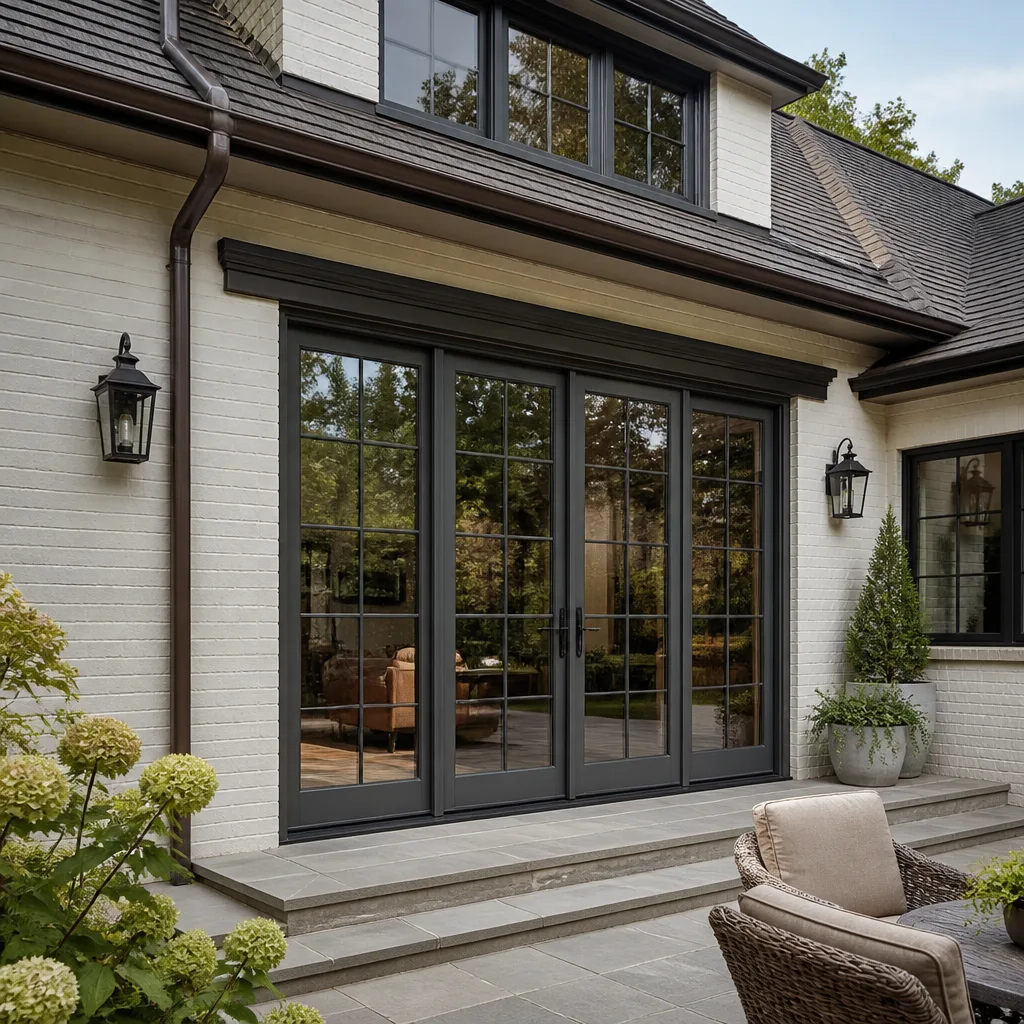
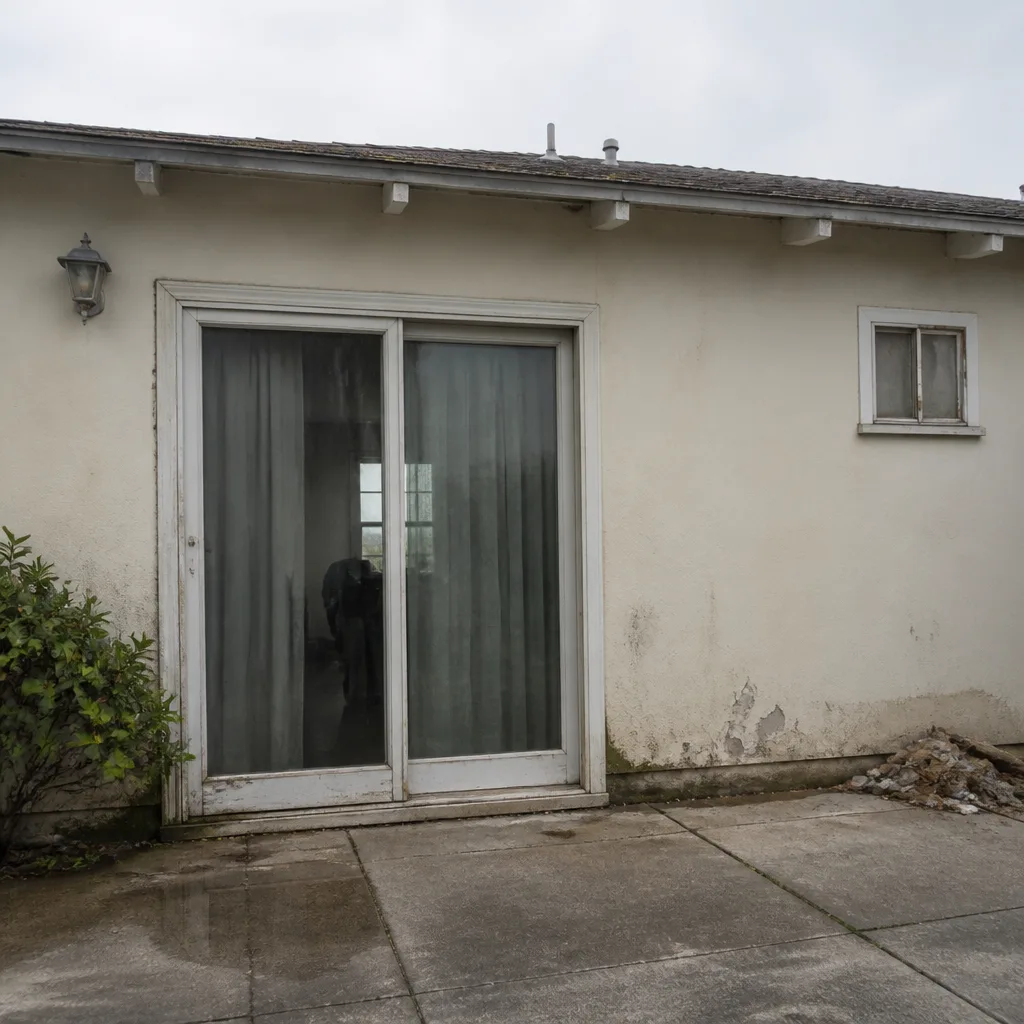 Before
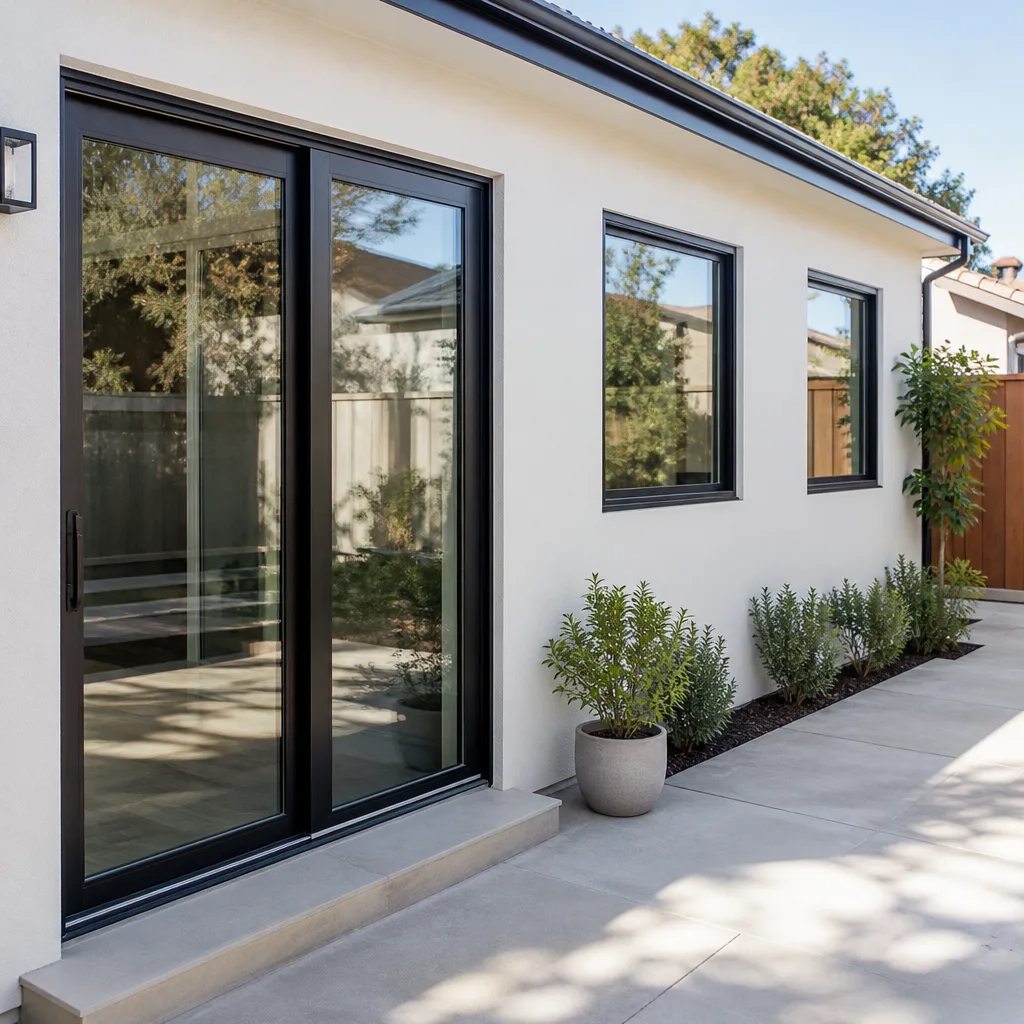 After
After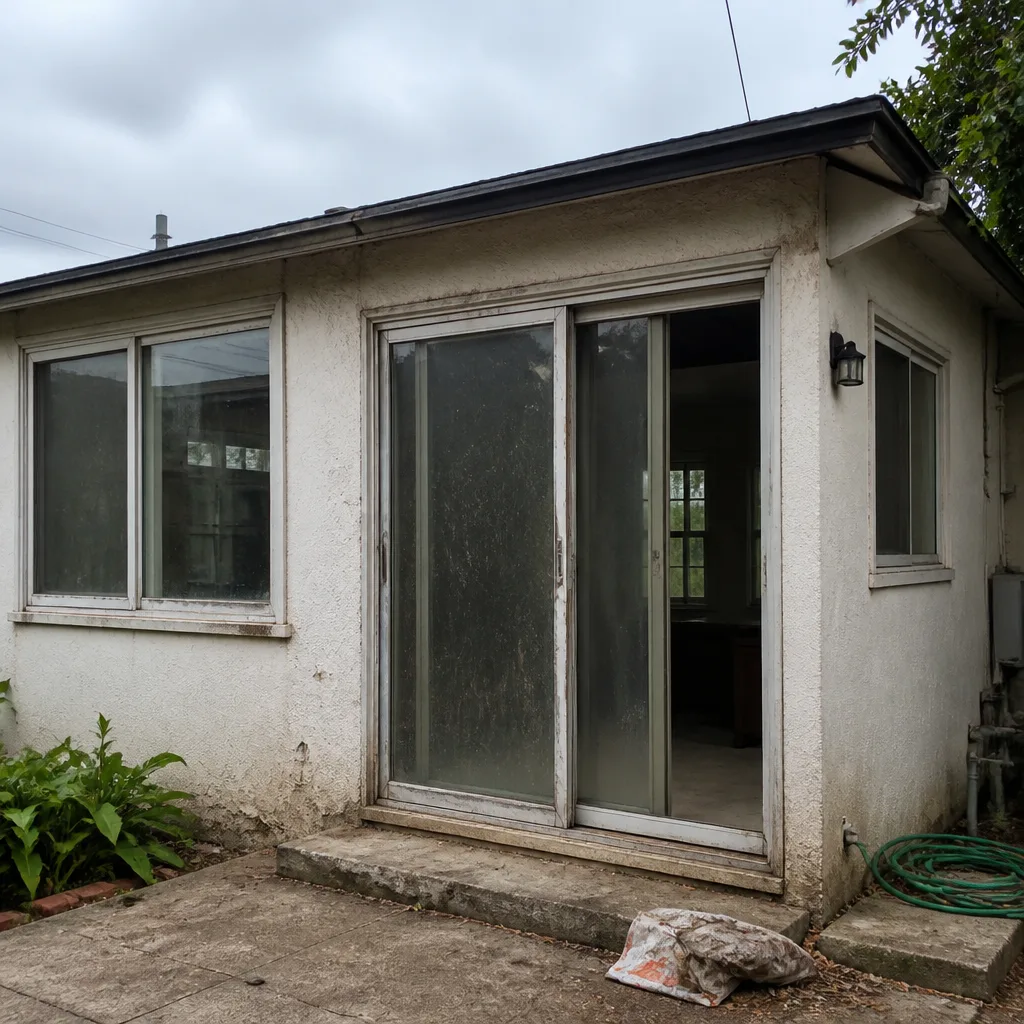 Before
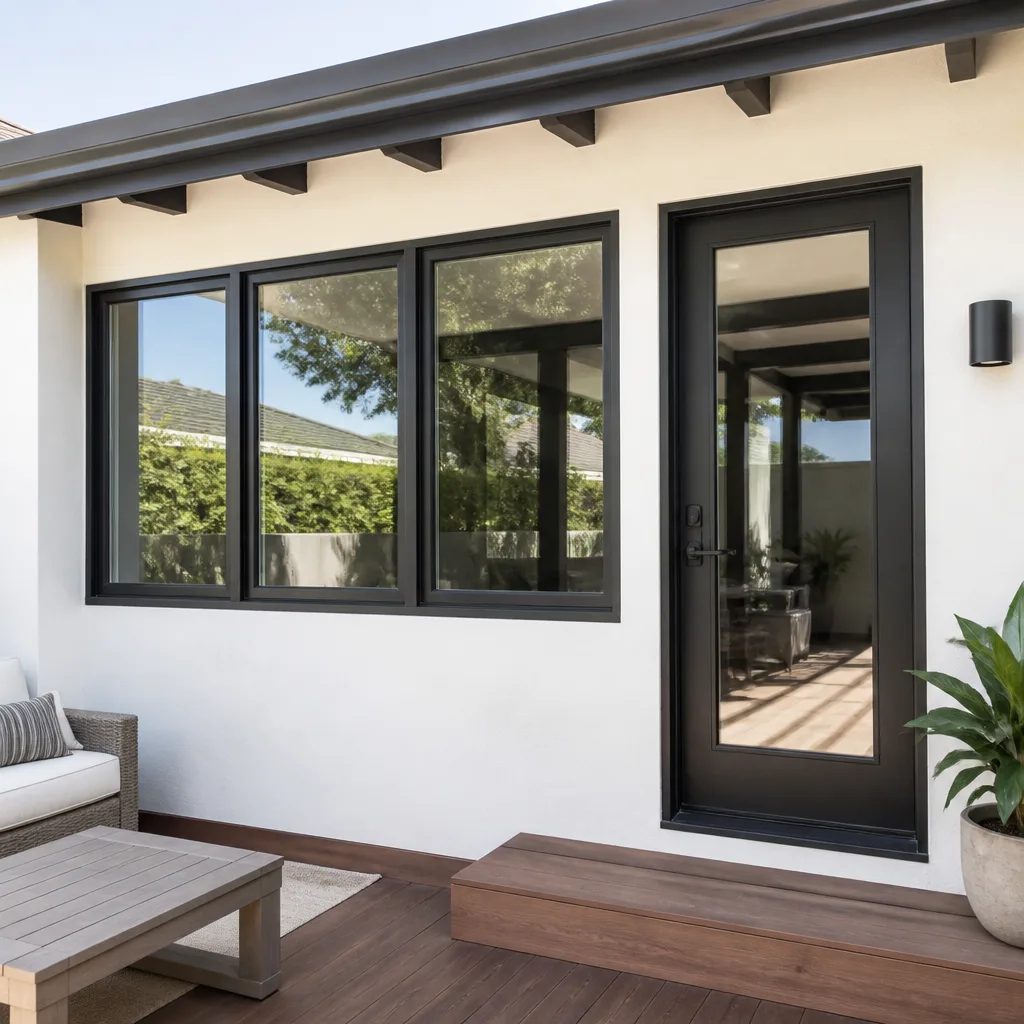 After
After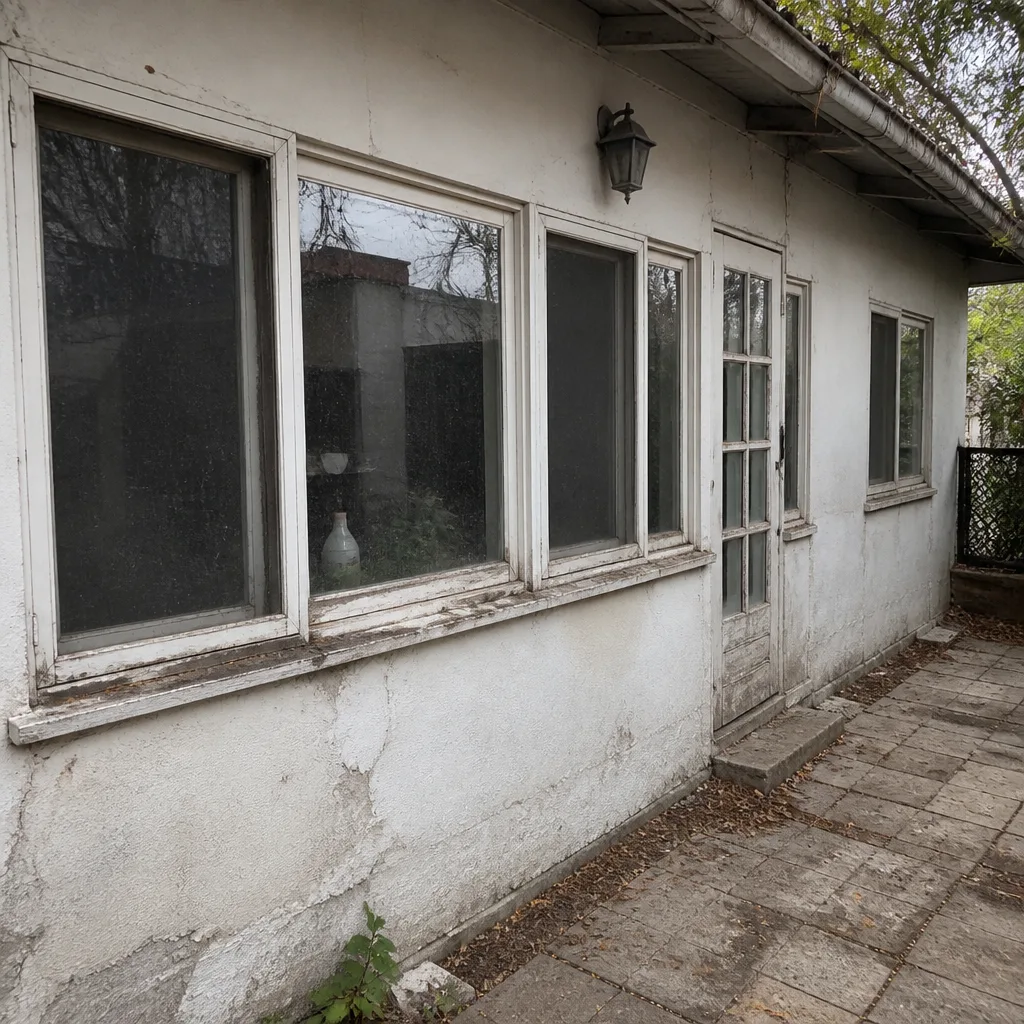 Before
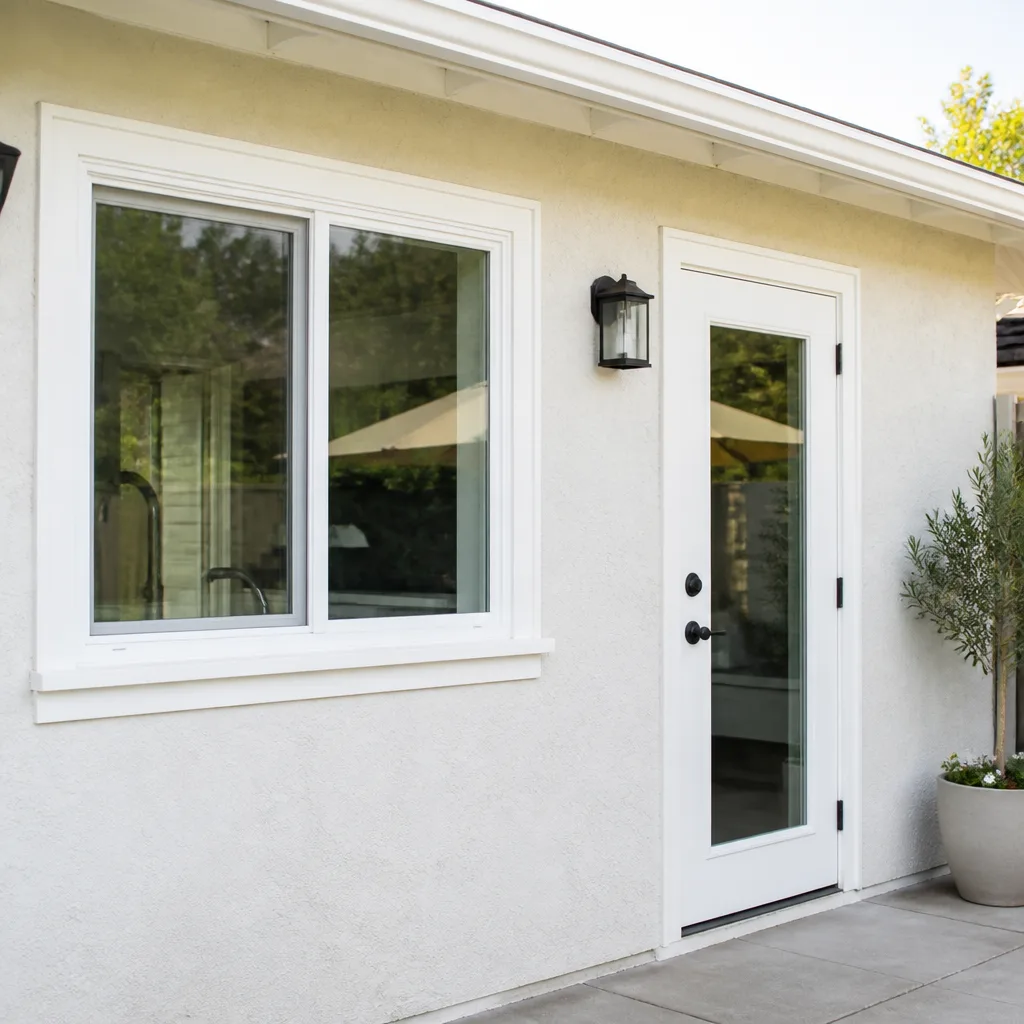 After
AfterHow to Hire a Windows & Doors Contractor in Los Angeles: A Step-by-Step Guide
California’s CSLB license lookup takes 45 seconds, yet fewer than one in five Los Angeles homeowners checks it before signing a window contract. The state revoked or suspended over 1,200 contractor licenses in Los Angeles County last year alone, and many of those operators looked polished right up until the deposit cleared. This guide walks you through a repeatable verification process so you can hire with confidence: the exact license classifications to check, the contract clauses that protect you, how to read a written quote without getting burned, and what to do after the job is done. For more guides & resources on windows and doors, explore our blog. Los Angeles has a deep pool of legitimate window and door contractors, but finding one requires sifting past operators who know how to look the part.
Quick Answer
To hire a windows and doors contractor in Los Angeles, verify the contractor’s license on cslb.ca.gov (C-17 glazing for glass work or B-General for structural door framing), require a written quote with itemized line items and a fixed payment schedule, confirm both manufacturer and labor warranties in writing, and check that LADBS permits were pulled and inspections passed. Beyond paperwork, choose a contractor who answers the phone with a live person, commits to a written arrival window, and puts their guarantee on paper before any work begins.
Table of Contents
- Step 1: Verify the CSLB License (And Know Which Classification You Need)
- Step 2: Interview Questions That Expose Fly-by-Night Operators
- Step 3: How to Read a Written Quote Without Getting Burned
- Step 4: Five Contract Clauses That Separate Professionals from Amateurs
- Step 5: Manufacturer Warranty vs. Labor Warranty: Why You Need Both
- Step 6: LADBS Permits and How to Verify a Real Inspection
- Step 7: After the Install: What a Good Contractor Does When the Work Fails
- Common Mistakes to Avoid
- When to Call a Professional
- Frequently Asked Questions
- The Bottom Line
Step 1: Verify the CSLB License (And Know Which Classification You Need)
Every contractor doing window or door work in Los Angeles for projects over $500 in labor and materials must hold a valid license from the California Contractors State License Board (CSLB). Here’s what most homeowners don’t know: the classification matters as much as the license itself.
For window replacement and glass work, the contractor should hold a C-17 Glazing classification. If your job involves structural door framing - removing a load-bearing wall to install a wide entry door or a sliding glass wall - the contractor needs a B-General Building classification. A contractor with only a C-17 license cannot legally pull permits for structural work.
Here’s the verification process, step by step:
- Go to cslb.ca.gov and click “Check a License.”
- Enter the contractor’s license number or business name.
- Confirm the license status says Active, not “Expired,” “Suspended,” or “Revoked.”
- Check that the classification matches the work you need done.
- Look at the “Workers’ Compensation” section. If the contractor has employees, they must carry workers’ comp. If they don’t, you could be liable if a worker is injured on your property.
- Check the “Bond” section. A valid contractor’s bond must be in place, and the amount should reflect the current requirement.
In our experience across Los Angeles, maybe one in five homeowners we talk to has actually run this check before calling us. We’re happy when they do. It signals a serious buyer, and it means they show up to the conversation with the right questions already lined up.
Once you’re satisfied with the license, visit our Westlight Windows & Doors home page to see how we structure our own process, or continue reading to learn what questions to ask next.
Step 2: Interview Questions That Expose Fly-by-Night Operators
Licensing is the floor, not the ceiling. A valid license proves the contractor is allowed to work. It doesn’t prove they’ll show up, price honestly, or stand behind the work. The questions below are designed to draw out the difference between a professional and an operator running on borrowed time.
Ask these five questions before you let anyone measure a single window:
- “What is your written arrival window?” A professional gives you a specific time range and honors it. If the contractor balks, hedges, or says “we’ll call you when we’re on the way,” that’s a flag. Life happens in Los Angeles traffic, but a professional plans around it and communicates.
- “Will my price be in writing before work starts, and will it change?” The correct answer is yes, in writing, and no, it won’t change unless the scope changes and you approve it first.
- “Who will be on my property?” You should get a name, not a dispatch. At Westlight, every technician is background-checked and uniformed, so you know exactly who is walking through your door before they ring the bell.
- “Do you pull LADBS permits for every job that requires one?” The answer reveals a lot. Some contractors quietly skip permits to shave time. That leaves you exposed if something goes wrong and your insurance company asks questions.
- “What happens if I find a problem after the job is done?” A written guarantee with a specific remedy is the only acceptable answer. “We’ll take care of you” is not a guarantee. It’s a hope.
We suggest running through these questions by phone before scheduling an in-home estimate. You’ll save time, and you’ll quickly sort the professionals from the chancers. For a deeper look at what goes into a proper window project, see our Window Replacement in Los Angeles page.
Step 3: How to Read a Written Quote Without Getting Burned
A written quote is your first real look inside a contractor’s head. The way it’s structured tells you more than the bottom-line number ever will. Here’s what to look for, line by line.
Itemized line items: A professional quote breaks out materials, labor, finish work, and disposal. You should see specific product names - not “vinyl window” but “PGT 5500 Series impact-rated vinyl window” or “CGI Estate Collection.” If the contractor won’t name the product, walk away. They’re leaving themselves room to substitute something cheaper later.
Allowances: This is the word that hides cost overruns. An allowance is a placeholder price the contractor hopes will cover an unknown - like “trim allowance: $400.” Almost universally, allowances run over and you eat the difference. A professional quote has zero allowances because the contractor measured, specified, and priced everything before handing you the paper.
Payment schedule: A fair schedule protects both sides. Expect something like a modest deposit (often 10% to 30% depending on project size), progress payments tied to specific milestones, and a final payment due only after you’ve walked the job and approved it. Anyone demanding 50% or more upfront, in cash, is a red flag.
What a fair Los Angeles window replacement costs:
- Basic vinyl single-hung replacement: $550-$900 installed
- Mid-grade double-hung with low-e glass: $800-$1,400 installed
- Impact-rated window (PGT or CGI): $1,200-$2,200 installed
- Standard front entry door replacement: $1,500-$3,500 installed
- Sliding glass patio door: $2,000-$4,500 installed
These are ballpark figures for Los Angeles in 2025. Your actual price depends on access, opening size, stucco repair, and product selection. A good contractor will give you a fixed, written number before you sign anything. Learn more about what drives window pricing on our Window Installation in Los Angeles page.
Step 4: Five Contract Clauses That Separate Professionals from Amateurs
The contract is where good intentions either become legal obligations or evaporate. A professional contractor will happily put these five items in writing. An operator will resist. If you get pushback on any of them, that’s your answer.
- The start time window, in writing. “Work will begin between 8:00 AM and 10:00 AM on [date].” A contractor who won’t commit to an arrival window in writing is telling you they don’t value your time. In Los Angeles, with our traffic, this clause matters more than almost anywhere.
- The exact product list. Manufacturer, series, glass package, hardware finish. If the contract says “window” instead of “PGT 5500 vinyl, low-e insulated glass, white interior, brushed nickel hardware,” the contractor has written themselves permission to install whatever shows up on the truck.
- Scope of work, including stucco and trim. Replacing windows in Los Angeles almost always involves stucco repair around the openings. If stucco patch and paint aren’t in the scope, expect a surprise invoice.
- Cleanup and disposal. The contract should state that debris will be removed from the site and the work area left clean. This is a specific, enforceable promise. It’s not a favor - it’s part of the job.
- The remedy clause. What happens if the work fails? The contract should spell it out: a written guarantee period and a defined response. At Westlight, every customer receives the Kingswell Guarantee in writing: a written price before any work starts, a committed arrival window, a clean job site, and a written guarantee on the completed work. If a repair fails within the guarantee period, we come back and fix it at no charge. That’s the 365-Day Done Right Promise, and it’s on paper.
Step 5: Manufacturer Warranty vs. Labor Warranty: Why You Need Both
This is the most misunderstood part of a window or door installation, and it’s where Los Angeles homeowners get left holding the bag after a failed seal or a sagging door. There are two separate warranties at play, and you need both in writing before the job starts.
The manufacturer warranty covers the product itself: the glass, the frame, the hardware, the seal. Most reputable manufacturers offer 10-year to lifetime limited warranties on glass and frames. PGT, CGI, and CWS, for example, all offer solid written product warranties. But here’s the catch: a manufacturer warranty covers the product, not the installation. If a window seal fails because the installer drove a screw through the frame corner, the manufacturer will point at the installer.
The contractor’s labor warranty covers the installation workmanship: how the window was set, flashed, sealed, and trimmed. This is where fly-by-night operators disappear. They’ll hand you the manufacturer’s warranty packet and hope you don’t notice there’s nothing in writing about their own work.
Before you sign anything, ask for both documents. Read them. Confirm what each covers, what’s excluded, and how long the coverage runs. If the contractor hesitates on the labor warranty, that’s the whole conversation. We put our labor guarantee in writing on every single job, and it’s handed to the customer at completion - not emailed later, not promised verbally, but physically handed over as part of the closing paperwork.
Step 6: LADBS Permits and How to Verify a Real Inspection
Los Angeles is one of the most permit-heavy cities in the country. The Los Angeles Department of Building and Safety (LADBS) requires permits for most window and door replacements that involve changes to openings, structural framing, or the installation of impact-rated products in certain zones. A contractor who tells you “we don’t need permits for this” without checking is guessing, and you’ll be the one holding the exposure if they guess wrong.
Here’s how to verify, step by step:
- Confirm the permit was pulled. You can check LADBS records online at ladbs.org under “Check Permit Status.” You’ll need the address or permit number. If the contractor says they pulled the permit but you can’t find it, ask for the permit number.
- Verify the permit type matches the work. A window replacement permit is different from a structural remodel permit. The permit should describe what was actually done.
- Verify the inspection was passed, not just scheduled. This is the one most homeowners miss. A contractor can pull a permit and schedule an inspection, but if the inspector never signed off, the permit remains open and the work is not legally approved. On the LADBS site, look for “Finaled” - that means the inspection actually passed.
- Get a copy of the signed inspection record. A professional contractor includes this in your closing packet without being asked. For entry door work in particular, see our Door Installation in Los Angeles page for more on what a proper install involves.
Some window replacements - direct insert replacements where the frame is retained - may not require a permit. But if the contractor is cutting stucco, reframing, or changing the opening size, expect a permit and a finaled inspection. Anyone who says otherwise is cutting corners on your dime.
Step 7: After the Install: What a Good Contractor Does When the Work Fails
Here’s the hard truth about windows and doors: eventually, something goes wrong. A seal fails. A door settles and starts sticking. A piece of flashing comes loose in a Santa Ana wind. The difference between a professional and an operator is not whether problems happen - it’s what happens next. Our Window Installation Troubleshooting: Common Problems and How to Fix Them can help you spot issues early.
A professional contractor has a defined, written process for failures. Here’s what that looks like in practice:
- You call, a person answers. Not a voicemail that no one returns. Not a chatbot. A human who can schedule a follow-up visit. Westlight maintains live phone coverage 24 hours a day, 7 days a week, for exactly this reason. When a window fails, you want to talk to someone now, not leave a message into the void.
- The return visit is free. If the repair falls within the guarantee period, there’s no charge. No trip fee, no diagnostic fee, no “well, that’s a different issue” conversation. If we said we’ll fix it, we fix it.
- The fix is documented. You get a written record of what was done and when, so the guarantee on the repair is as real as the guarantee on the original install.
We’ve been doing window replacement in Los Angeles since 2009, and we’ve learned that the guarantee is the product as much as the window itself. Anyone can install glass. Following through is the part that separates companies that last from companies that vanish.
Common Mistakes to Avoid
- Skipping the CSLB license check. This is the 45-second step that catches suspended licenses, expired bonds, and revoked operators. In Los Angeles County, that’s over 1,200 revoked or suspended licenses last year alone.
- Signing a quote with allowances in it. An allowance is an unfunded unknown. When the allowance runs over, you pay the difference. Professionals price everything upfront.
- Accepting a verbal guarantee. If it isn’t in writing, it doesn’t exist. Get the labor warranty on paper before the job starts.
- Not verifying the LADBS inspection was finaled. A scheduled inspection is not a passed inspection. Check that the permit status reads “Finaled.”
- Choosing a contractor who can’t name the product. “We use great materials” is not a brand. If the contractor won’t specify the manufacturer and series, expect a substitution at install time.
- Paying too much upfront. A large cash deposit before any work starts leaves you with zero leverage. A fair schedule ties payments to milestones.
- Ignoring the stucco question. In Los Angeles, most window replacements involve stucco work. If it’s not in the scope, it’s coming out of your pocket later.
When to Call a Professional
You should call a window and door contractor when you see condensation between panes, when a window sticks or won’t stay open, when drafts come through closed windows, or when a door has settled enough to scrape the threshold. For a full breakdown of what to watch for each season, see our Seasonal Windows & Doors Care for Los Angeles: Year-Round Homeowner’s Guide. These are not DIY projects. Window replacement involves glass handling, flashing, weather sealing, and stucco work - getting any one of those wrong means water intrusion and mold behind the walls. Door installation can involve structural framing, especially when changing opening sizes or installing pre-hung units in older Los Angeles homes. The risks of an amateur install outweigh the savings every time. Westlight Windows & Doors offers free estimates in Los Angeles - call (903) 354-7134 to schedule yours.
Frequently Asked Questions
A basic vinyl single-hung replacement in Los Angeles typically runs $550-$900 installed, while a mid-grade double-hung with low-e glass runs $800-$1,400, and impact-rated windows from PGT or CGI run $1,200-$2,200 per window. Your exact price depends on window size, access, stucco condition, and product selection. Call (903) 354-7134 for a free, written estimate with no allowances.
A contractor doing glass and window replacement should hold a C-17 Glazing license from the CSLB. If the job involves structural door framing or wall modification, they need a B-General Building license. Verify the license status, classification, workers’ comp, and bond at cslb.ca.gov before signing anything.
Check the address on ladbs.org under “Check Permit Status.” The permit should describe the work accurately, and the status should read “Finaled” - meaning an LADBS inspector actually approved the completed work. A scheduled inspection that was never passed means the job isn’t legally done.
Yes. The manufacturer warranty covers the product - the glass, frame, and hardware. The labor warranty covers the installation workmanship. If a window fails because it was installed incorrectly, the manufacturer warranty will not help you. Get both in writing before the job starts. Call (903) 354-7134 if you’re comparing quotes and need help understanding what you’re being offered.
A professional quote includes itemized line items for materials with exact product names (manufacturer and series), labor, stucco repair, trim, and disposal. It should have no allowances, a fixed payment schedule tied to milestones, and a final payment due after you’ve approved the work. If the quote is vague, the contractor is leaving room to inflate the price later.
Most single-window replacements take one to two hours per window with a full crew, so an average home with 8 to 12 windows is typically a one to two day job. To keep your investment in top shape long-term, follow our Window Installation Maintenance Schedule: What to Do and When. Door installations vary more - a standard pre-hung entry door can be done in half a day, while a sliding glass wall with structural work can take several days, not including inspection scheduling. Get a written timeline in your contract.
The Bottom Line
Hiring a window and door contractor in Los Angeles is a process of verification, not luck. Check the CSLB license and confirm the classification matches your job. Get an itemized written quote with no allowances. Require contract clauses that commit to a written arrival window, named products, stucco work, and cleanup. Demand both manufacturer and labor warranties on paper. Verify the LADBS permit was finaled. And choose a company that puts its guarantee in writing before a single screw turns. That’s how we’ve operated at Westlight Windows & Doors since 2009 - and it’s why we hand you the Kingswell Guarantee with your completed job, every time.
Written by Owen Satterfield, Owner at Westlight Windows & Doors, serving Los Angeles since 2009.