
Last updated October 8, 2026
Free in-home measure and quote - PGT, CGI and CWS impact lines compared on your actual openings, style by style
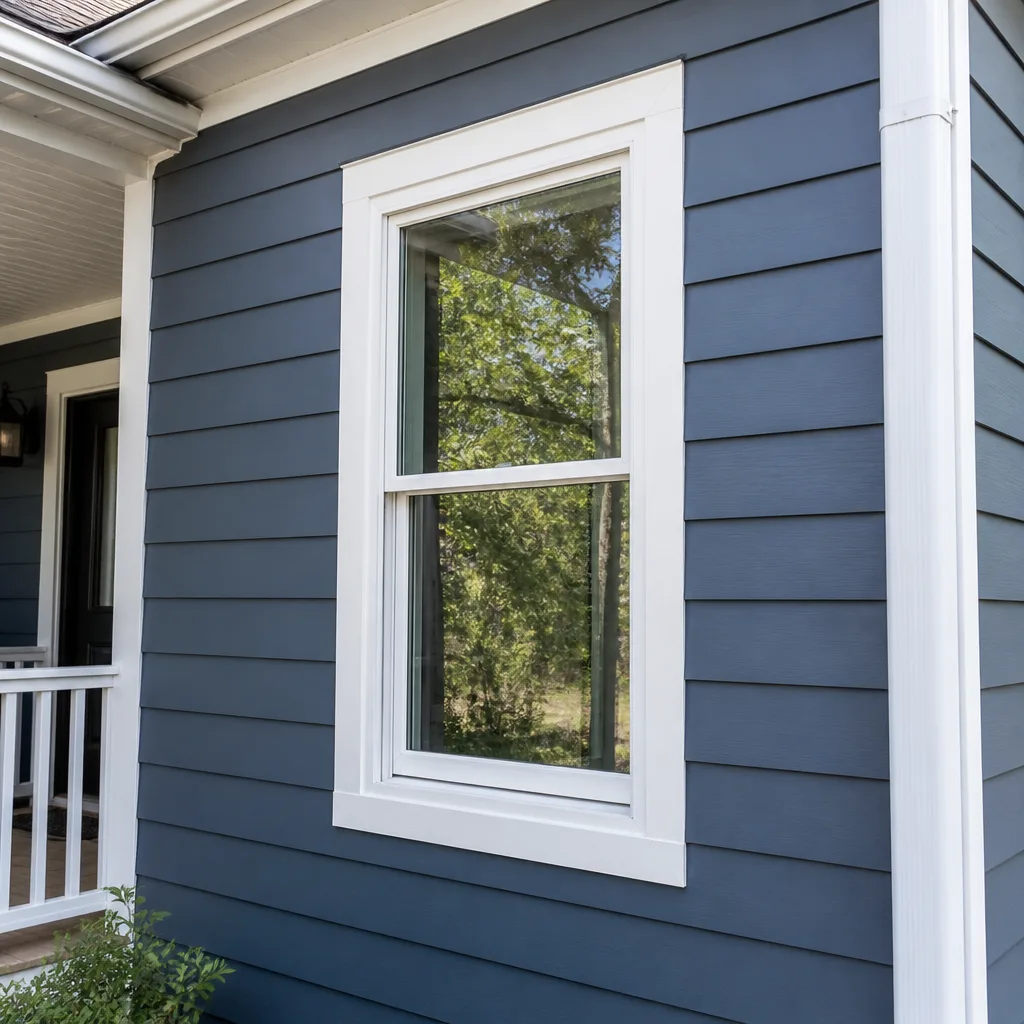
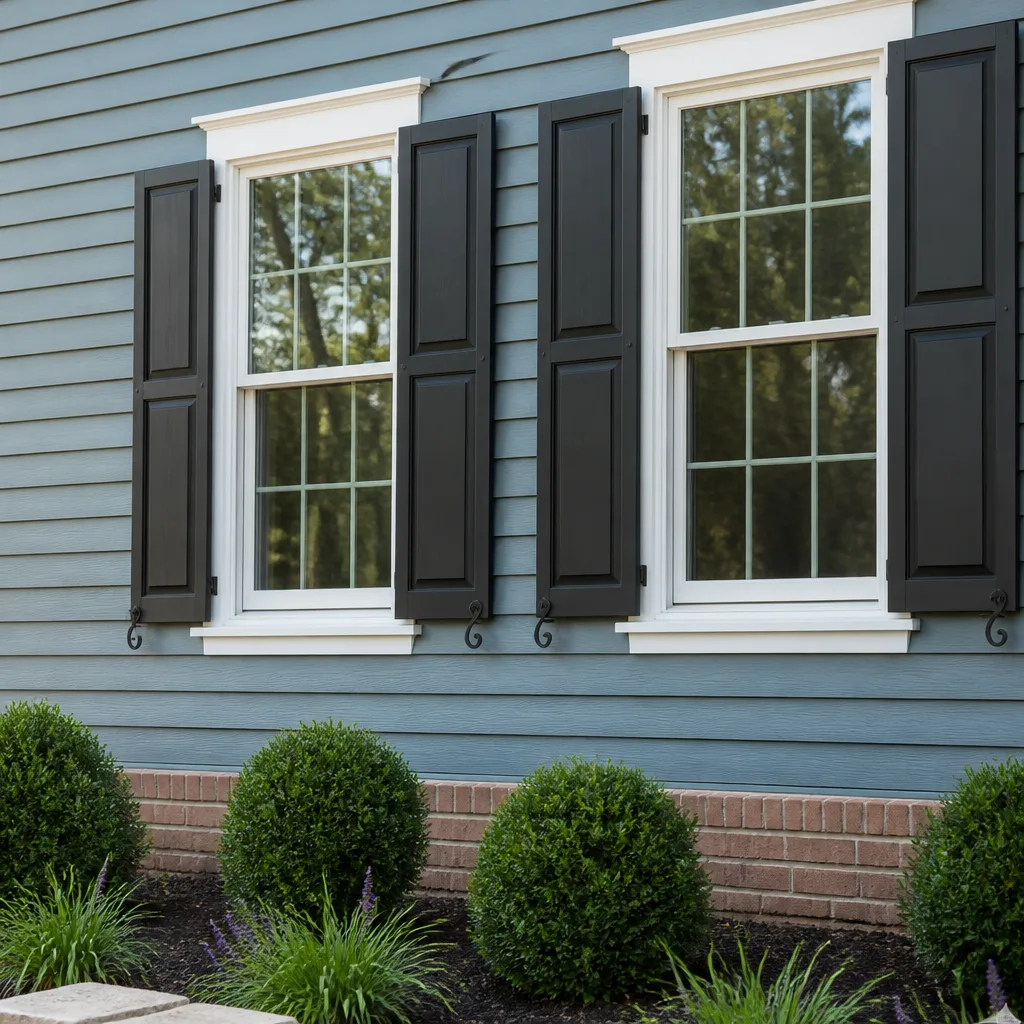
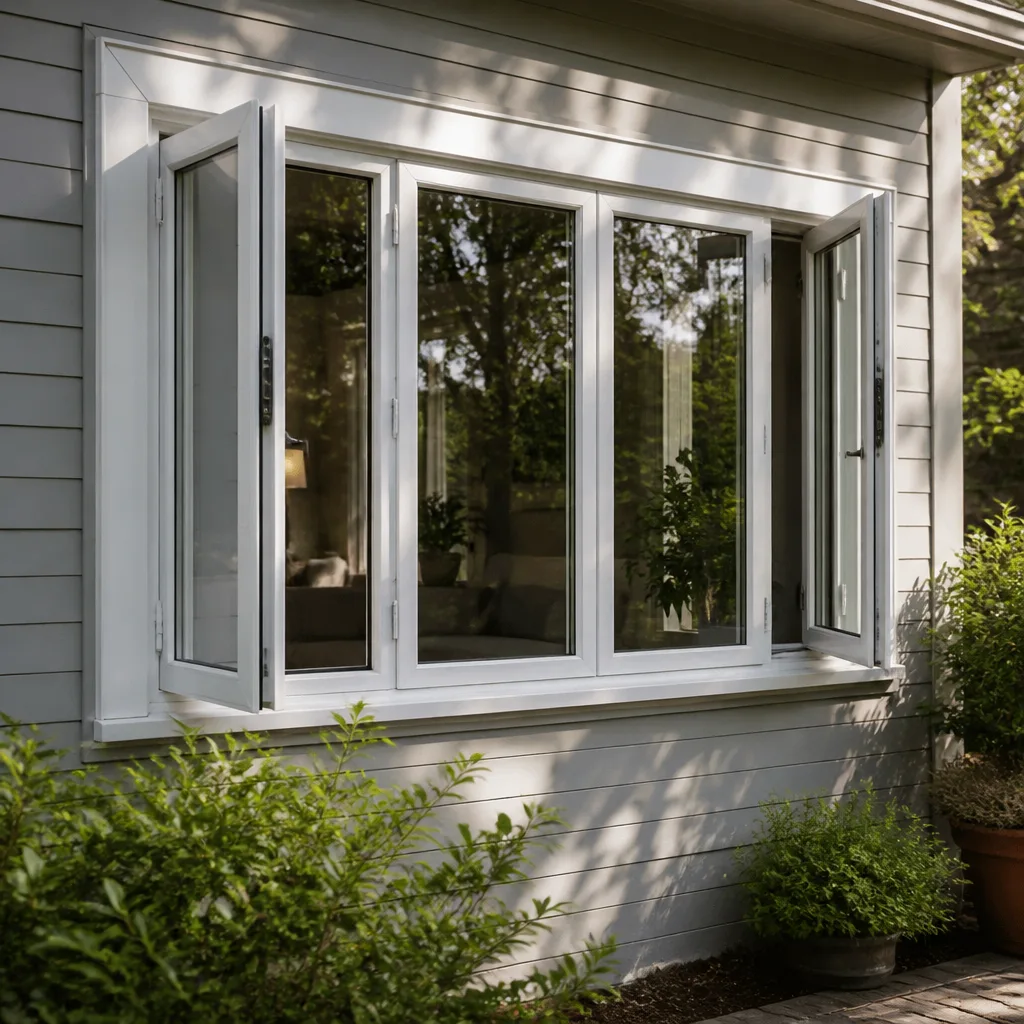

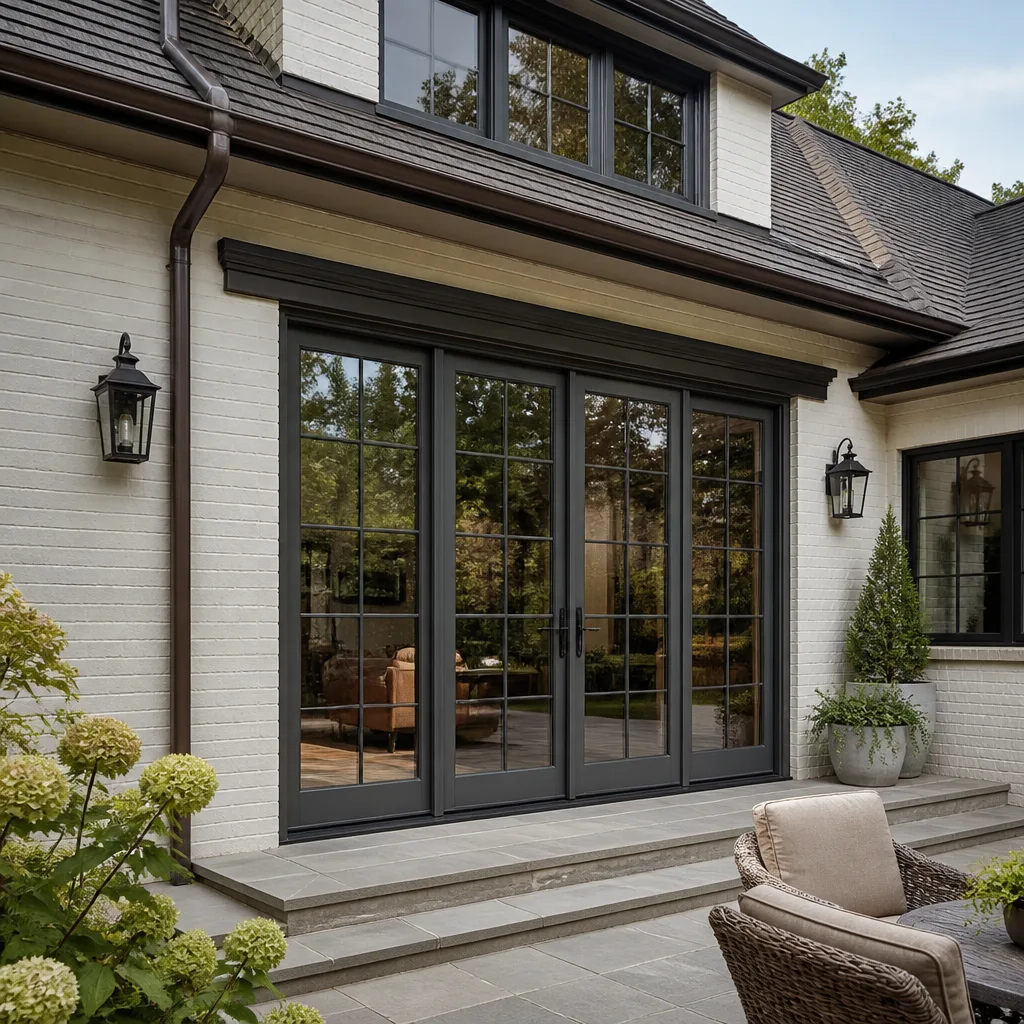
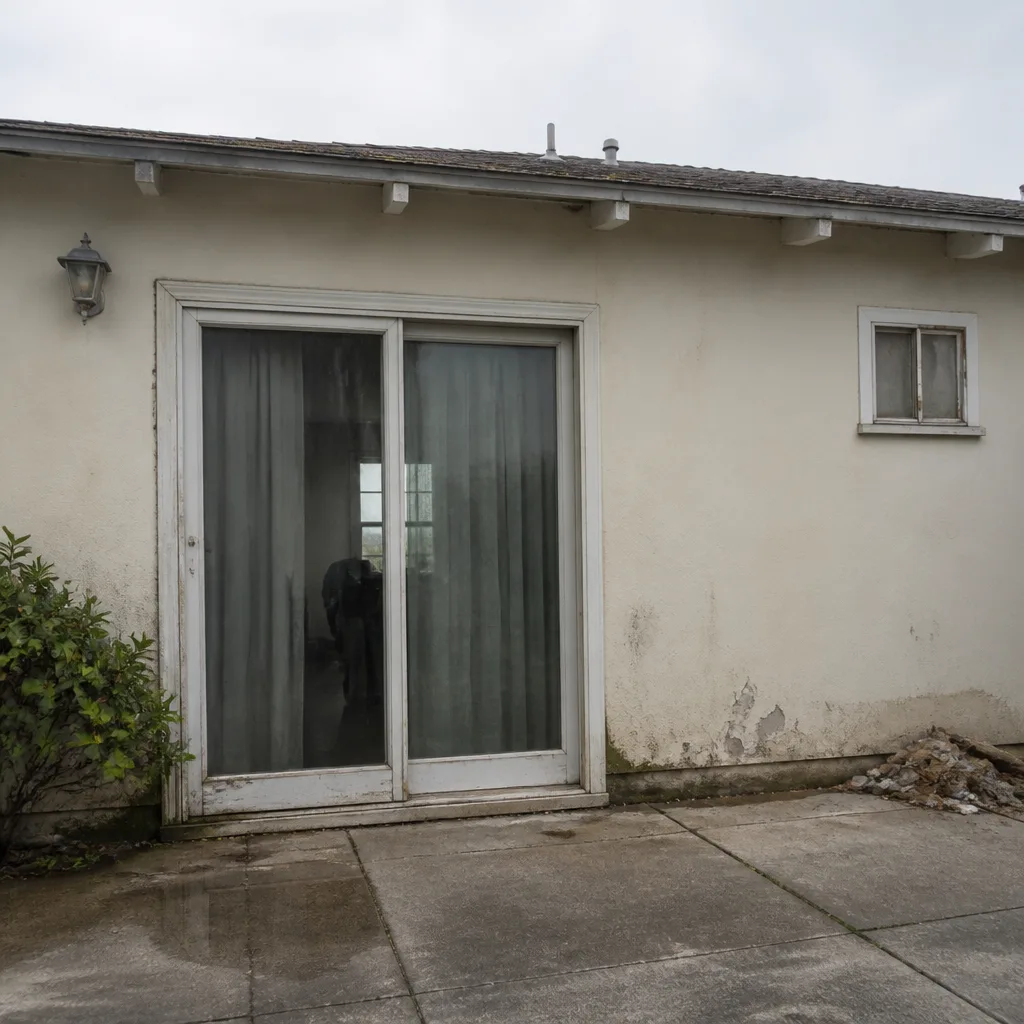 Before
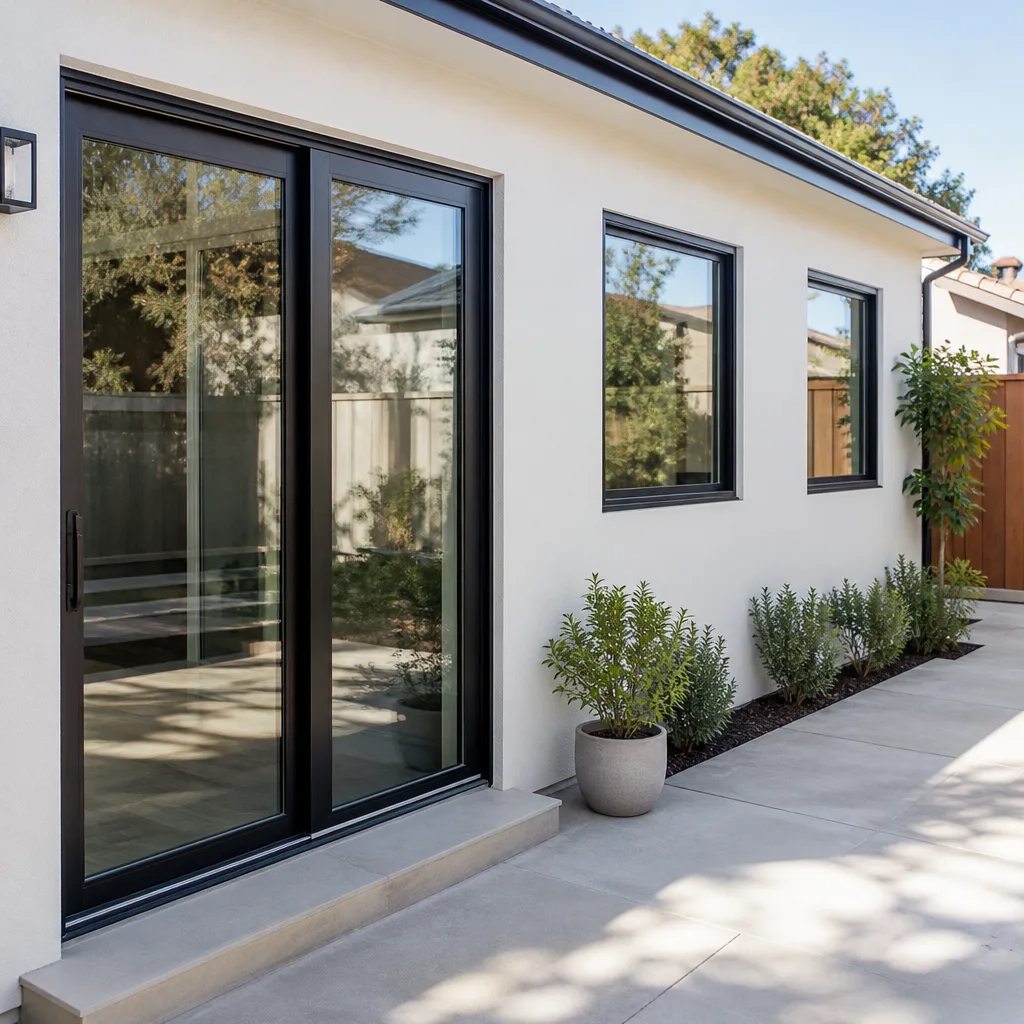 After
After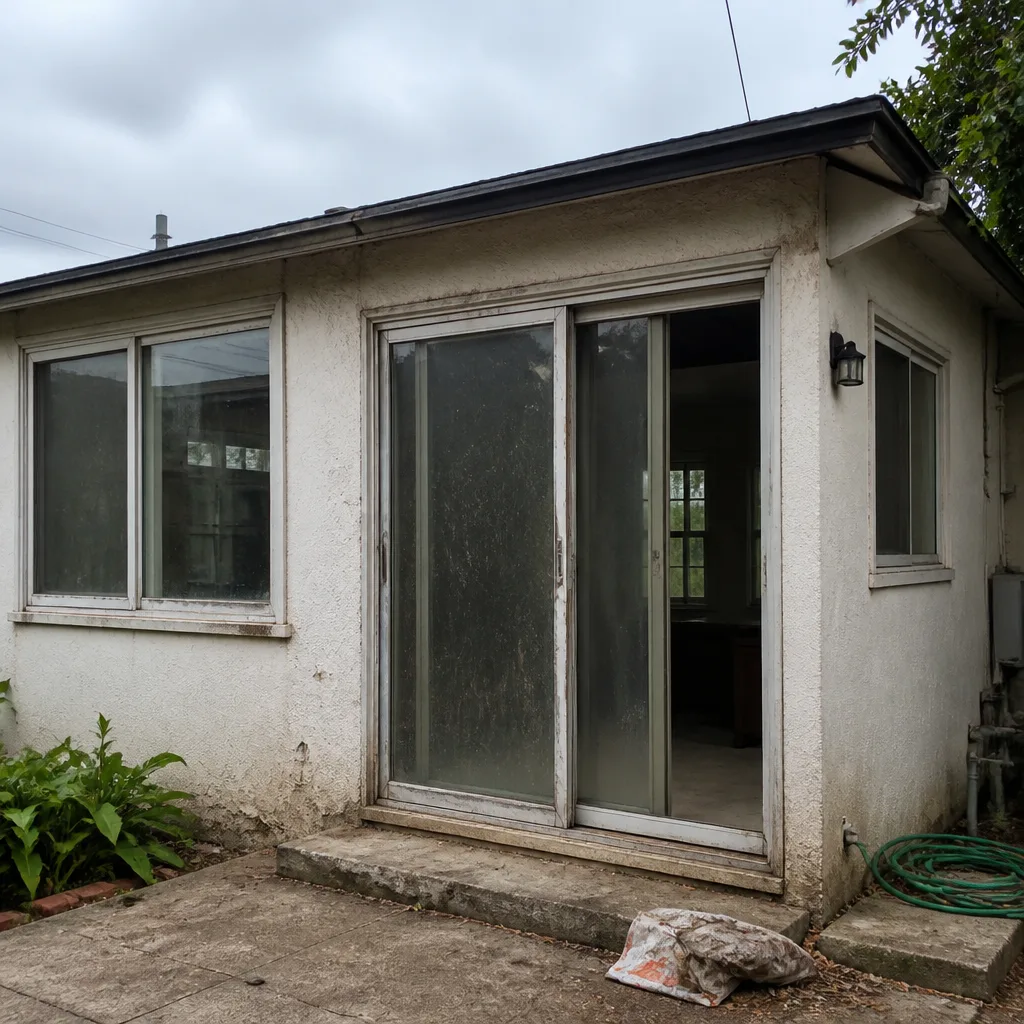 Before
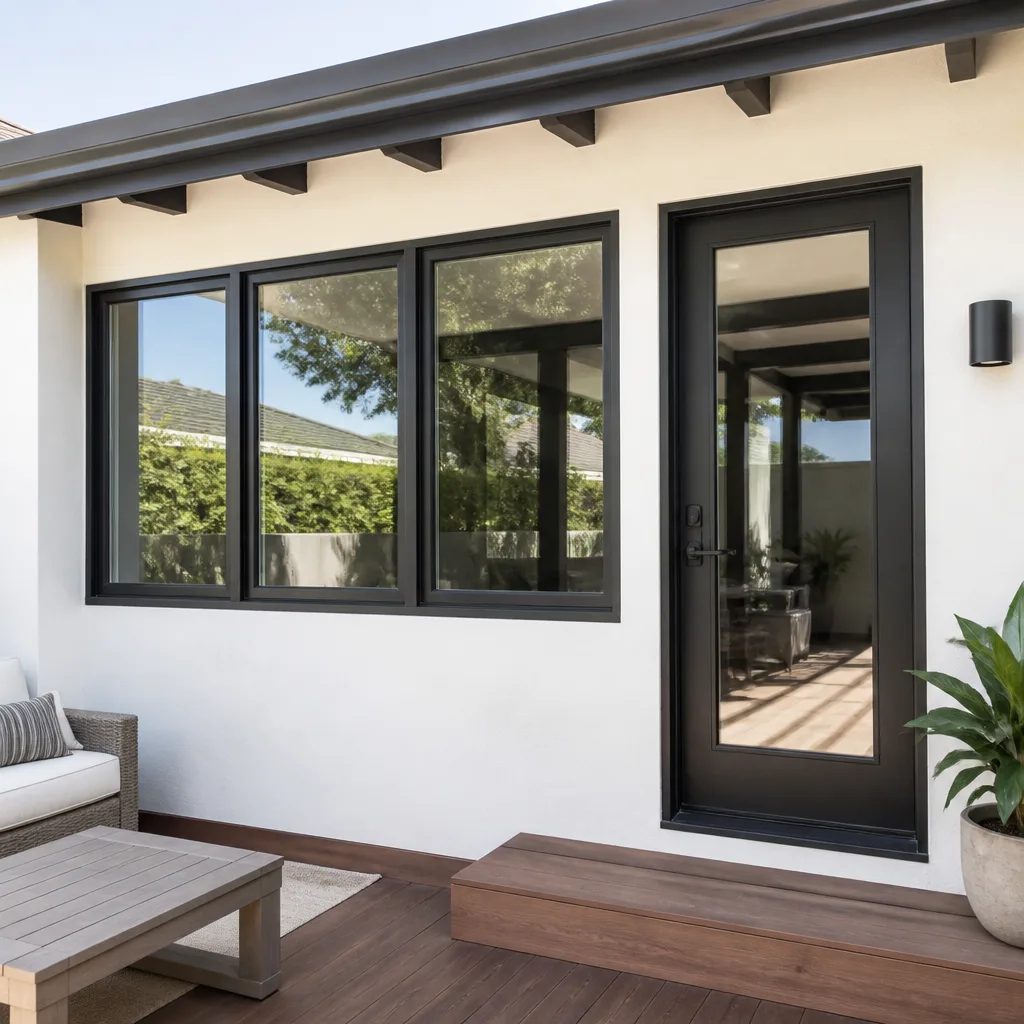 After
After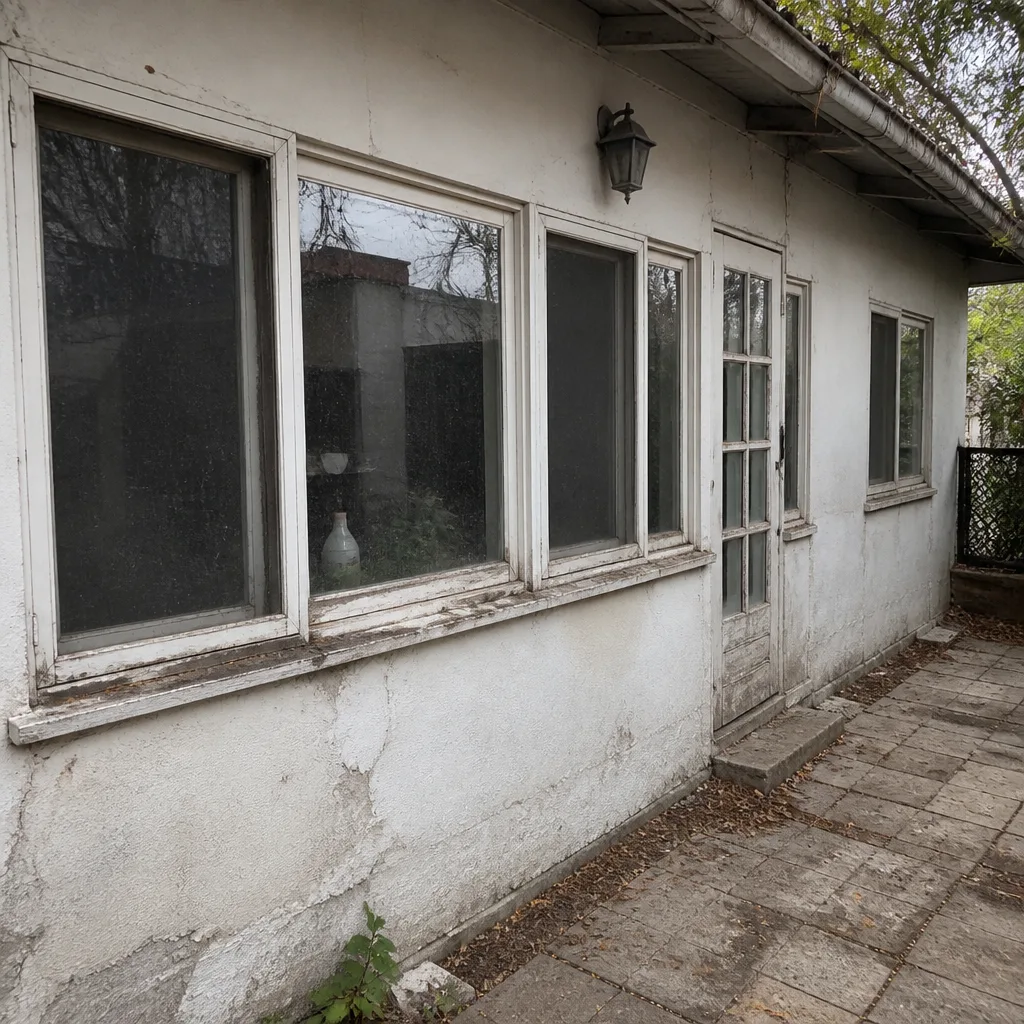 Before
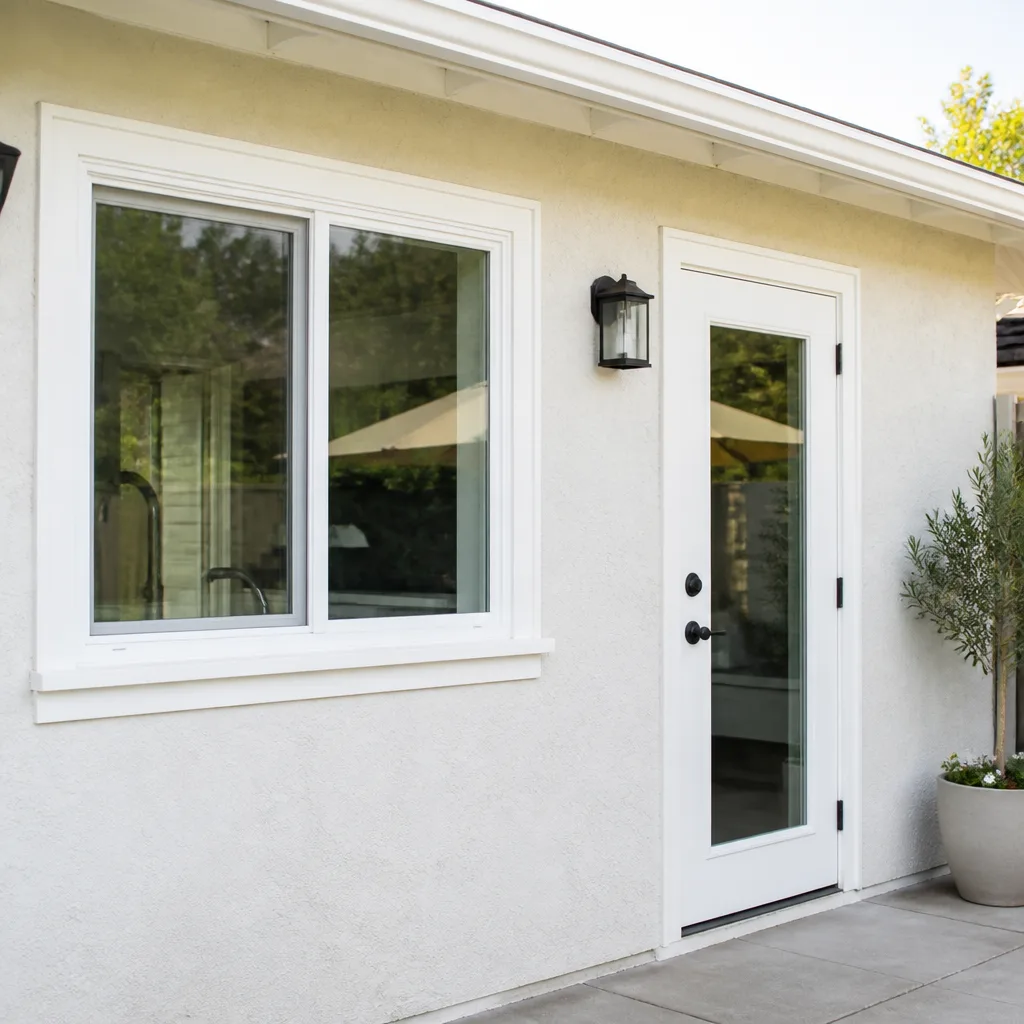 After
AfterDIY vs Professional Window Replacement: What’s Safe to Do Yourself
An unpermitted window replacement in Los Angeles can freeze a home sale. Title companies are increasingly flagging it as a material defect that requires retroactive inspection before escrow can close. That single fact changes the math on the entire DIY question. This guide walks through exactly which window replacement scenarios you can safely handle yourself, which ones legally require a licensed contractor in California, and what the real cost difference looks like in the Los Angeles market once permits, tools, and disposal are counted honestly.
Quick Answer
A like-for-like retrofit replacement in a wood-frame house with a square, undamaged rough opening is the only window replacement most homeowners can safely do themselves. Everything else, and that includes stucco exterior work, structural header issues, second-story installations, and any job in a multi-family building, should go to a licensed contractor. In Los Angeles, most window replacements fall into the contractor category because of local code requirements and the prevalence of stucco construction.
Table of Contents
- The One Scenario Where DIY Makes Sense: A True Like-for-Like Retrofit
- What California Law Says: The C-17 Glazing Contractor Requirement
- The Real Cost Comparison: DIY Numbers vs Professional Numbers for Los Angeles
- The Problem With Rough Openings: Why “Slightly Off” Ruins Everything
- Why Los Angeles Stucco Changes the DIY Conversation
- What Homeowners Can Safely Do Themselves Without Risk
- How a Professional Replacement Actually Works
The One Scenario Where DIY Makes Sense: A True Like-for-Like Retrofit
A retrofit replacement, sometimes called an insert replacement, means the new window slides into the existing frame without disturbing the surrounding wall. The old sashes and hardware come out, the existing frame stays put, and the new window unit fits inside it. That’s the trade definition.
For this to work as a DIY project, four conditions have to hold:
- The rough opening must be square. Measure diagonally from corner to corner in both directions. If those two measurements differ by more than a quarter inch, the opening is out of square. A professional can compensate with shims and adjustments. A first-time DIYer usually cannot, and the result is a window that binds, leaks air, or refuses to close properly.
- The existing frame must be structurally sound. If there’s rot, termite damage, or warping anywhere in the existing frame, a retrofit won’t fix it. You’d be installing a new window into a compromised structure, which fails in two to five years and can let water into the wall cavity.
- The house must be wood-frame with a siding or trim system you can work around. In Los Angeles, this typically means older homes in neighborhoods like Eagle Rock, Highland Park, parts of the Valley, and areas with wood siding or lap siding. If the house has stucco, which covers the overwhelming majority of LA homes built after 1960, the retrofit math changes significantly.
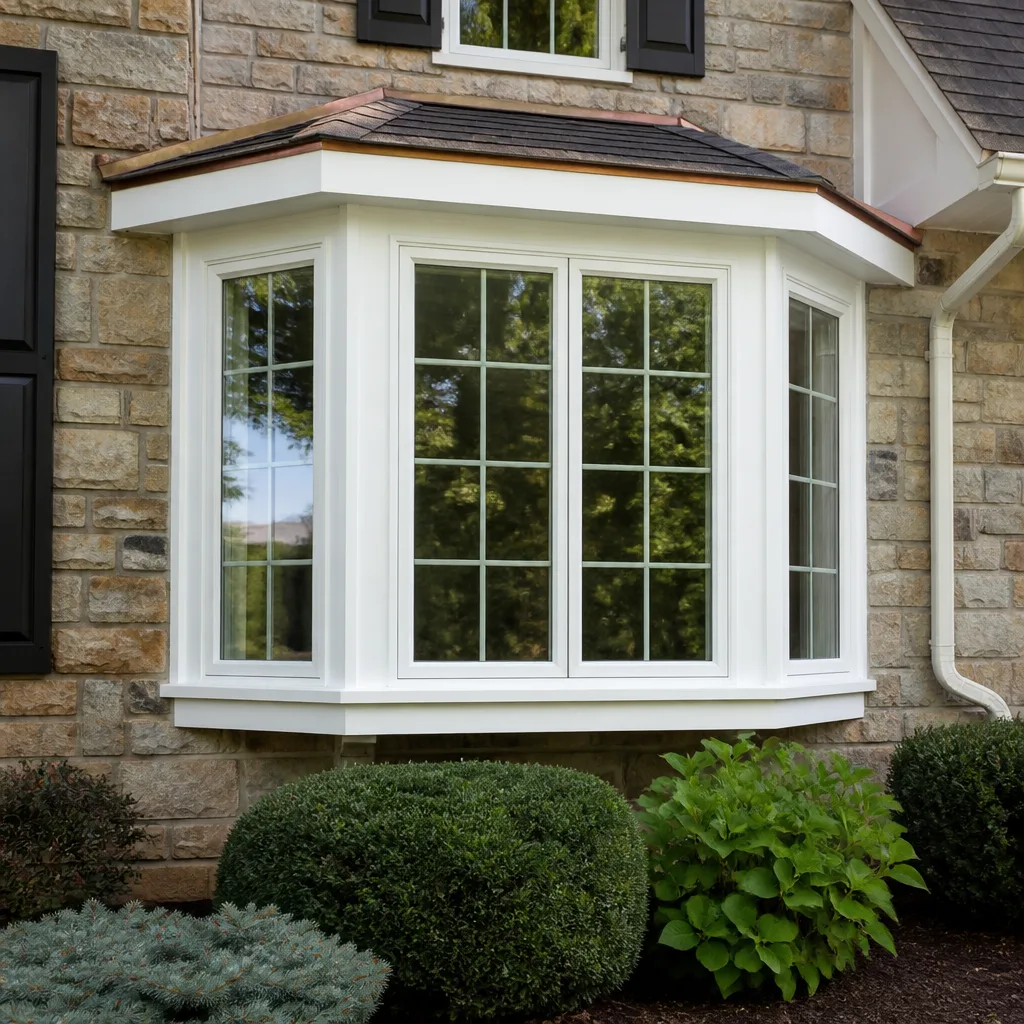
- The window must be a standard size and a standard type. Single-hung, double-hung, and horizontal sliders in common dimensions are manageable. Casement windows, bay windows, bow windows, picture windows with specialty glass, and any window with a custom mullion pattern are not DIY candidates.
Even when all four conditions hold, understand what you’re taking on. You’re responsible for accurate measuring, ordering a unit that actually fits, removing the old sashes without damaging the frame, setting the new unit level and plumb, insulating the gaps properly, sealing against water intrusion, and disposing of the old sashes. None of it is impossible. All of it is less forgiving than YouTube makes it look.
In our experience installing windows across Los Angeles since 2009, we’ve been called out to fix DIY retrofits that looked fine for the first six months and then failed at the first real rain. The homeowner usually can’t diagnose what went wrong, because the failure is in the flashing or the waterproofing layer, and that’s hidden behind the trim.
What California Law Says: The C-17 Glazing Contractor Requirement
California law requires a C-17 glazing contractor license for any contract involving “the installation or replacement of glass and glazing products” when the work exceeds $500 in labor and materials combined. That’s nearly every window replacement. You can’t hire an unlicensed handyman to install windows in Los Angeles if the job total exceeds $500, and you shouldn’t, because if that handyman damages your home, their lack of licensing means limited recourse for you as the homeowner.
The California Contractors State License Board (CSLB) does make an exception for owner-builders. A homeowner can pull a permit and act as their own general contractor on their own primary residence. But here’s the catch that most DIY guides skip: the owner-builder exemption applies to the property owner, and the property must be your primary residence. Rentals, second homes, and any income property don’t qualify. And pulling an owner-builder permit means you take on the liability and the code-compliance responsibility personally. If the work fails an inspection, you fix it before the city signs off. If you sell the house, the unpermitted or owner-built window work becomes something you must disclose, and title companies in Los Angeles increasingly want to see the permits and the final inspection sign-off before they’ll clear escrow.
There’s an additional layer in Los Angeles specifically. The city has energy-efficiency requirements in its building code that go beyond state minimums in some zones, especially for homes in coastal climate zones. A window installed without meeting those standards can trigger a code compliance issue years later, even if the installation itself was technically sound. Professional contractors pull permits and get inspections precisely so this doesn’t happen.
The practical summary: you’re legally allowed to replace your own windows on your own primary residence in Los Angeles if you pull an owner-builder permit and do the work yourself. You are not legally allowed to pay someone unlicensed to do it for you, and you shouldn’t skip the permit even if the work seems minor.
The Real Cost Comparison: DIY Numbers vs Professional Numbers for Los Angeles
The honest math on DIY window replacement is less flattering than most online calculators suggest, because those calculators leave out the line items that actually drive the cost. Here’s what a single standard retrofit window looks like in the Los Angeles market, and these are real ranges from local suppliers and rental houses, not national averages:
| Cost Item | DIY Range | Professional (Installed) |
|---|---|---|
| Standard vinyl retrofit window (36″ x 60″) | $180-$420 | $500-$900 (materials included) |
| Permit (LADBS, single window) | $180-$350 | Same, but contractor handles paperwork |
| Tools and equipment (level, shims, caulk gun, foam, blow torch or heat gun, suction cups, hand tools) | $120-$300 (if you own none of it) | Included in quote |
| Haul-away and disposal of old sashes | $40-$100 (LA transfer station fees) | Included in quote |
| Your time (measure, order, pick up or delivery, install, touch-up) | 6-12 hours per window for first-timers | 2-4 hours for a crew |
| Effective total, single window | $520-$1,170 | $500-$900 |
That table surprises people. The DIY range and the professional range overlap almost entirely, and on the low end, a professional installation can actually come in cheaper than a DIY job once you count the permit and a second trip to the hardware store. The catch is that the professional quote is fixed before work starts, and the DIY number has a habit of drifting upward when you discover the opening isn’t square, the sash weights need to come out, or the old window was held in by three layers of paint and a prayer.
One more Los Angeles-specific factor: if your house is in a hillside or coastal zone, the permit fees and the engineering requirements can increase, and the owner-builder exemption doesn’t reduce any of that. The city doesn’t charge less because you’re doing the work yourself.
If you want a hard number for your specific house, call a few contractors and get written estimates. At Westlight Windows & Doors, we give every homeowner a written price before any work starts, so you know exactly what professional installation would cost for your exact windows. That makes the DIY vs Professional Windows & Doors: The Los Angeles Homeowner’s Decision Guide an apples-to-apples comparison instead of a guess.
The Problem With Rough Openings: Why “Slightly Off” Ruins Everything
The rough opening is the framed hole in the wall where the window sits. In new construction, rough openings are built to standard dimensions and should be square within a quarter inch. In houses built 30, 50, or 80 years ago, in a city with as much seismic settling as Los Angeles, that’s often not the case.
An opening that’s out of square by half an inch creates a cascade of problems that don’t show up until after the window is installed:
- Racking. The window unit gets twisted slightly when it’s forced into an out-of-square opening. That twist puts constant pressure on the corner welds and the glass seals. The visible result is a window that binds when you open or close it. The invisible result is seal failure that fogs the glass within a year or two.
- Failed weatherstripping. Weatherstripping works when the sash meets the frame evenly on all four sides. An out-of-square install means uneven compression, which lets air through in one corner. In a Los Angeles summer, that’s a minor discomfort. In the winter during a Santa Ana wind event, it’s a cold draft and a higher heating bill.
- Water infiltration. This is the one that causes real damage. The flashing and sealant around a window are designed to work when the window sits flat and true. A twisted installation creates a gap that opens and closes with temperature changes. The first heavy rain finds it, and water gets behind the stucco or siding, where it rots the framing silently for years.
Professionals carry horseshoe shims, levels in multiple sizes, and the experience to compensate for an out-of-square opening. They check the reveal, the gap between the sash and frame, on all four sides before the window is ever secured. A first-time DIYer checks that the window is in the hole and the caulk looks even. The difference doesn’t appear until the first rain.
We’ve seen the aftermath in neighborhoods across Los Angeles, from San Pedro to Sherman Oaks. A homeowner installs a retrofit window in June, the first rains come in January, and by March there’s a water stain on the interior wall below the window and mold growing in the wall cavity. The repair costs three times what the professional install would have cost originally.
Why Los Angeles Stucco Changes the DIY Conversation
Most of the housing stock in Los Angeles built after 1960 has stucco exteriors. Stucco is unforgiving in window replacement. You can’t just remove a window from a stucco wall and slide a new one in, not if you’re doing a full-frame replacement, because the stucco overlaps the window flange. Cutting into stucco to access the window flange requires a diamond blade, a steady hand, and an understanding of how to re-flash and re-seal against the existing stucco edge so water can’t get behind it.
That’s the point where most DIY window replacements go wrong in Los Angeles. The window goes in fine. The stucco work around it is where the leak starts. Stucco isn’t a flat surface; it has texture, and the flash, the metal flashing that diverts water away from the window, has to be integrated in a way that matches the existing stucco profile. Miss a seam, and water runs behind the stucco into the wall cavity.
There’s a reason the C-17 license exists and why stucco-heavy regions like Los Angeles have such active contractor enforcement. The waterproofing around a window in a stucco wall is not a beginner-level task. It’s the most failure-prone part of the entire installation, and the failure is invisible until the damage is extensive.
For stucco homes, the honest recommendation is a professional install with a solid Door Installation Maintenance Schedule: What to Do and When in place, and insist on a contractor who has done Los Angeles stucco work specifically. Ask about their flashing procedure for retrofits in stucco. If they can’t answer in specifics, that’s a red flag.
What Homeowners Can Safely Do Themselves Without Risk
This may surprise you, but the safe DIY jobs around window replacement are the finishing jobs, not the structural ones. Here’s what a homeowner in Los Angeles can legitimately do without touching the structural install:
- Interior trim finishing. Once a professional has installed the window, painting the interior trim, touching up caulk lines on the inside, and even building out a deeper jamb extension are all fair DIY territory. These jobs are cosmetic, reversible, and don’t affect weatherproofing.
- Hardware adjustment. Many modern windows have adjustable hinges, rollers, and strike plates. If a crank window sticks or a slider drags, small adjustments are usually all that’s needed. The hardware is designed to be adjusted, and the manufacturer provides instructions. This isn’t the same as install, and it’s safe to learn.
- Sealant touch-up on the interior. If you notice a small gap in the interior caulk line around a window, cleaning out the old caulk and applying a new bead is straightforward. Use a paintable silicone or elastomeric caulk rated for interior use. If the gap is on the exterior, leave it alone and call a professional, because exterior sealant is doing real waterproofing work.
- Cleaning and maintaining tracks and weep holes. Dust, pet hair, and debris accumulate in the bottom track of sliders and double-hungs. Cleaning the track and keeping the weep holes, the little drainage holes on the exterior side of the bottom track, clear prevents water from pooling. This is basic maintenance that extends window life.
- Weatherstripping replacement. If you can identify the correct replacement weatherstripping profile for your window brand, replacing worn weatherstripping is a doable job. The safest route is to contact the manufacturer or a window supplier and match the exact profile. Generic weatherstripping rarely seals well.
None of these jobs requires a permit. None of them touches the waterproofing layer. And all of them genuinely improve your windows’ performance and lifespan. If you want to do work with your hands around the house and keep the risk low, this is the list, and you can find more guides & resources on our blog.
How a Professional Replacement Actually Works
Understanding the professional process helps you evaluate contractors and know what you’re paying for. Here’s a typical residential window replacement in Los Angeles, step by step:
- Measurement and assessment. The contractor measures every rough opening, checks for square, looks at the exterior cladding type, and identifies any rot or structural issues. This is the step that determines whether you need a retrofit or a full-frame replacement. A good contractor will also ask about any drafts, condensation, or operational problems you’ve noticed.
- Product selection. This is where the eight-manufacturer-line advantage matters. A window has to match the climate zone, sun exposure, and architectural style. In a west-facing wall in the San Fernando Valley, which catches the full force of the late-afternoon west light, a high-performance low-e glass (a thin coating that reflects heat back into the room in winter and out in summer) makes an enormous difference to the cooling load. The right product comes from matching the job to the glass, the frame material, and the performance rating, not forcing the job to fit whatever brand the contractor happens to carry.
- Permit pulling. The contractor files with the Los Angeles Department of Building and Safety, schedules the inspection, and handles the paperwork. You never see a form.
- Installation. The crew removes the old window, sets the new one level and plumb with shims, insulates the perimeter, seals the exterior waterproofing layer, and installs trim. A two-person crew can typically retrofit 8 to 12 windows in a day depending on access and condition.
- Inspection. The city inspector verifies the work complies with code. If anything’s wrong, the contractor fixes it before the job is signed off.
- Cleanup and walkthrough. The site should be left cleaner than it was found. The contractor walks you through each window, demonstrates the operation, and hands you the written guarantee.
That last step matters more in Los Angeles than in most cities, because the housing stock here is older and more variable. You want the guarantee in writing, and you want it from a company that has existed long enough to honor it. Founded in 2009, Westlight Windows & Doors has been installing windows and doors in Los Angeles for over 15 years, and every job ends with a written guarantee, not a verbal promise.
The name comes from a specific idea: west light is the late-afternoon sun that pours through a good window, bright, warm, and worth doing right. It’s a standard we hold every installation to, whether it’s a single retrofit in a bungalow or a whole-house replacement on a modern build.
Common Mistakes to Avoid
- Skipping the permit. In Los Angeles, unpermitted window work surfaces during escrow. Title companies now routinely ask for window permits and final inspection sign-off. Fixing an unpermitted window replacement years after the fact costs more than the permit would have.
- Using a handyman for a job that legally requires a C-17. The $500 threshold in California law covers almost every window installation. If the person you hire isn’t licensed, you’re carrying the liability, and your homeowner’s insurance may deny a claim related to water damage from improperly installed windows.
- Measuring incorrectly. The most common DIY error is measuring the window itself instead of the rough opening. A window that’s slightly too small leaves gaps you can’t properly seal. A window that’s slightly too large won’t fit at all. The measurement has to be precise to an eighth of an inch, and that’s before you account for shim space.
- Attempting stucco work without experience. The window itself may go in fine, but the waterproofing around a stucco opening is a specialized skill. Seams in the flashing, gaps in the sealant, and poor integration with the existing stucco texture are all invisible failure points.
- Buying the cheapest window and expecting it to perform. A $180 economy window in a west-facing Los Angeles wall is going to let heat pour in every afternoon. The utility premium on a decent low-e window pays for itself. The question isn’t just whether you can install it, it’s whether the window you install actually does the job.
- Underestimating disposal. Old windows with glass don’t go in your city trash bin. LA transfer stations charge for construction debris, and windows require special handling. It’s a small line item, but it’s real, and it’s usually already included in a professional quote.
- Assuming every window is a retrofit candidate. If the frame shows any signs of rot or the rough opening has shifted, you need a full-frame replacement, which involves removing siding or stucco, re-flashing, and rebuilding the opening. That is absolutely not a DIY job.
When to Call a Professional
Call a professional if your house has stucco exterior, if the window is on the second story or higher, if the existing frame shows rot or water staining, if the rough opening is out of square by more than a quarter inch, if the project is in a multi-family building, or if you simply don’t want to spend a weekend on a ladder with a permit application in one hand and a caulk gun in the other. The honest answer is that most Los Angeles window replacements fall into one of those categories. Westlight Windows & Doors offers free estimates throughout Los Angeles, and you’ll get a written price before any work starts. Call (903) 354-7134 to schedule yours.
Frequently Asked Questions
Yes, if you own and occupy the home as your primary residence, you can pull an owner-builder permit from the Los Angeles Department of Building and Safety and do the work yourself. You cannot legally hire an unlicensed person to do it if the job exceeds $500. Call (903) 354-7134 if you want to talk through what your specific project would involve.
Most standard retrofit windows in Los Angeles run $500 to $900 per window installed, depending on size, glass package, and access. Full-frame replacements typically run $900 to $1,800 per window. The permit fee and haul-away are included in a professional quote. For an exact price on your specific windows, estimates are free, call (903) 354-7134.
A retrofit, or insert replacement, slides a new window into the existing frame without disturbing the wall around it. A full-frame replacement removes the entire window and frame down to the rough opening, then installs a new unit with new flashing and waterproofing. Retrofits are less expensive and faster. Full-frame replacements are necessary when the existing frame is damaged or when you want to change the window size or style.
Yes, window replacements require a permit from the Los Angeles Department of Building and Safety, including retrofit jobs. The permit exists to verify that the installation meets energy-efficiency requirements and that the waterproofing and structural attachment are code-compliant. Unpermitted work complicates home sales and can trigger fines if discovered during a city inspection.
It depends on the wall orientation and the specific house. A west-facing window in the Valley has different needs than a coastal window in a marine layer zone. Manufacturers like ECO Window Systems produce high-performance low-e glass packages suited to strong sun exposure, and ES Windows offers quality window and door lines that work well in modern LA architecture. The brand matters less than the glass package.
A typical retrofit installation takes two to four hours per window for a two-person crew. A whole-house project of 10 to 15 windows is usually completed in one to two days. Full-frame replacements take longer, typically a day per opening once stucco work and finishing are counted. A professional estimate includes a written timeline.
The Bottom Line
Window replacement in Los Angeles is a trade with specific licensing, permitting, and waterproofing requirements, not a casual weekend project. The one scenario where DIY makes genuine sense is a true like-for-like retrofit in a wood-frame house with a square, undamaged opening. Every other scenario, which describes most Los Angeles homes, belongs with a licensed professional. The cost difference, when honestly calculated, is minimal, and the risk of doing it wrong is a water-damaged wall you won’t see until it’s expensive. If you’re ready to price your project correctly, the place to start is a written estimate. Westlight Windows & Doors home can help you with Window Replacement in Los Angeles, Window Installation in Los Angeles, and Door Installation in Los Angeles. Call (903) 354-7134 for a free, written estimate.
Written by Owen Satterfield, Owner at Westlight Windows & Doors, serving Los Angeles since 2009.