
Last updated October 8, 2026
Free in-home measure and quote - PGT, CGI and CWS impact lines compared on your actual openings, style by style
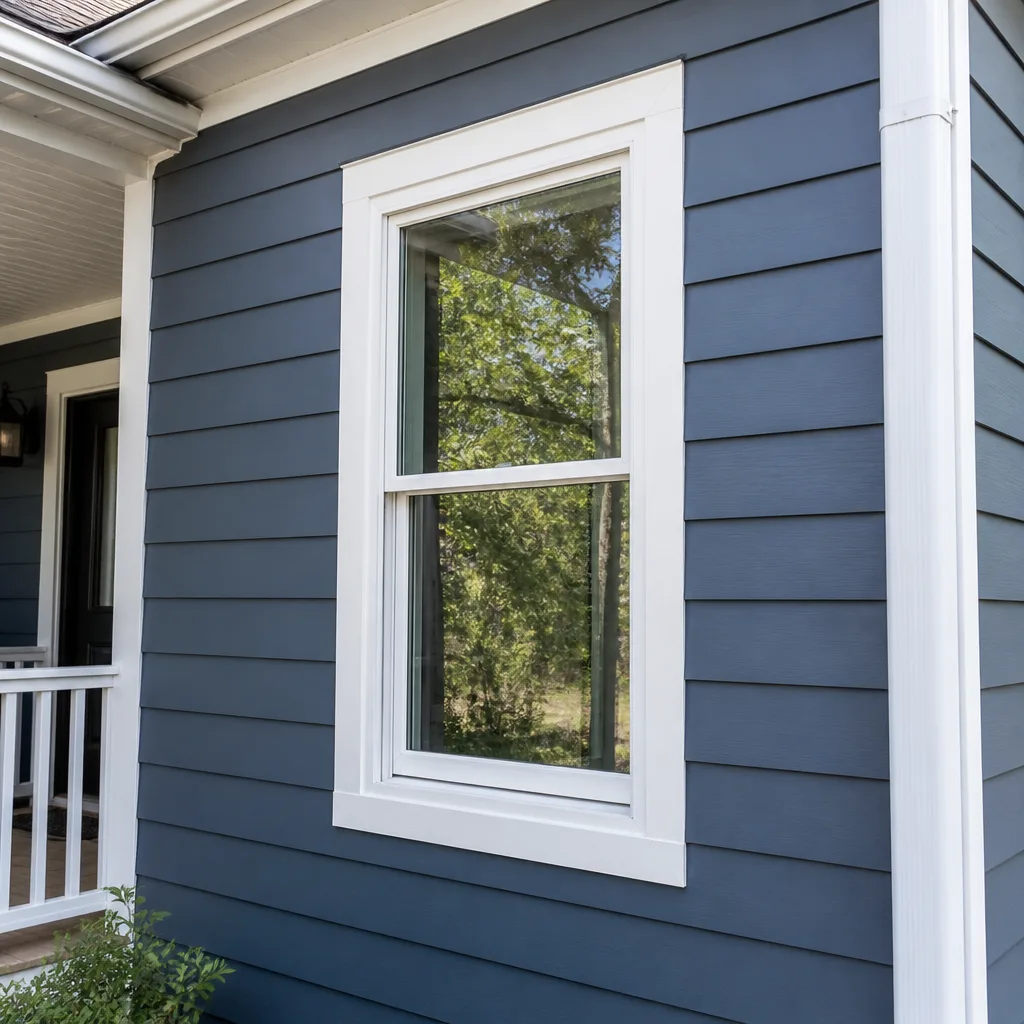
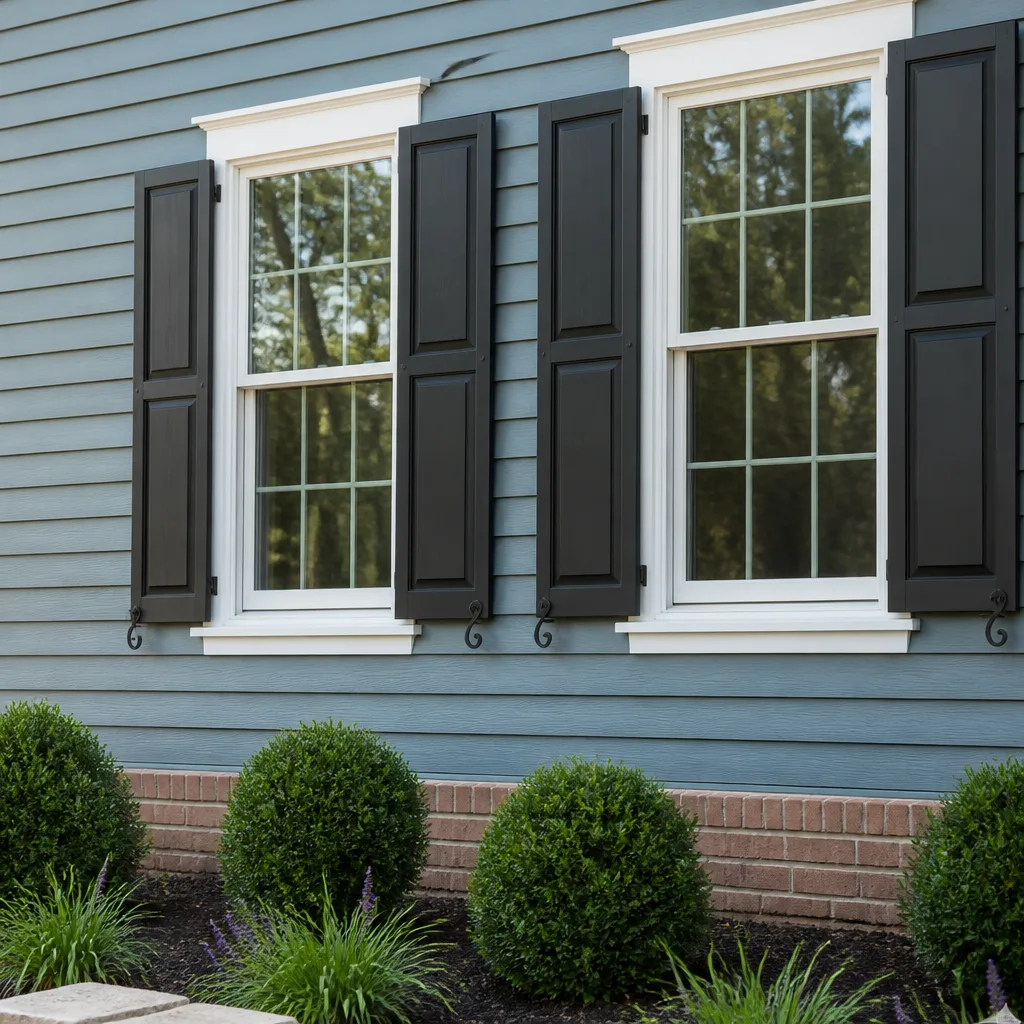
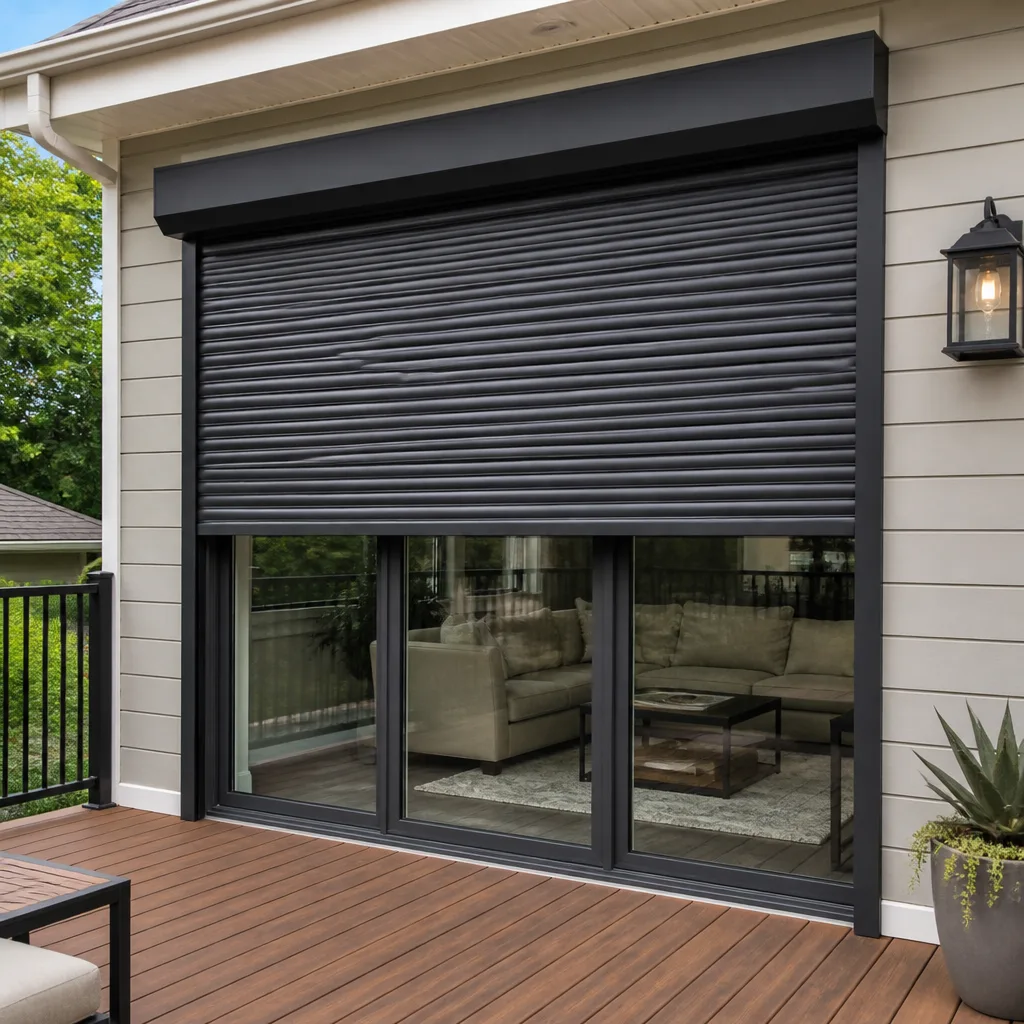
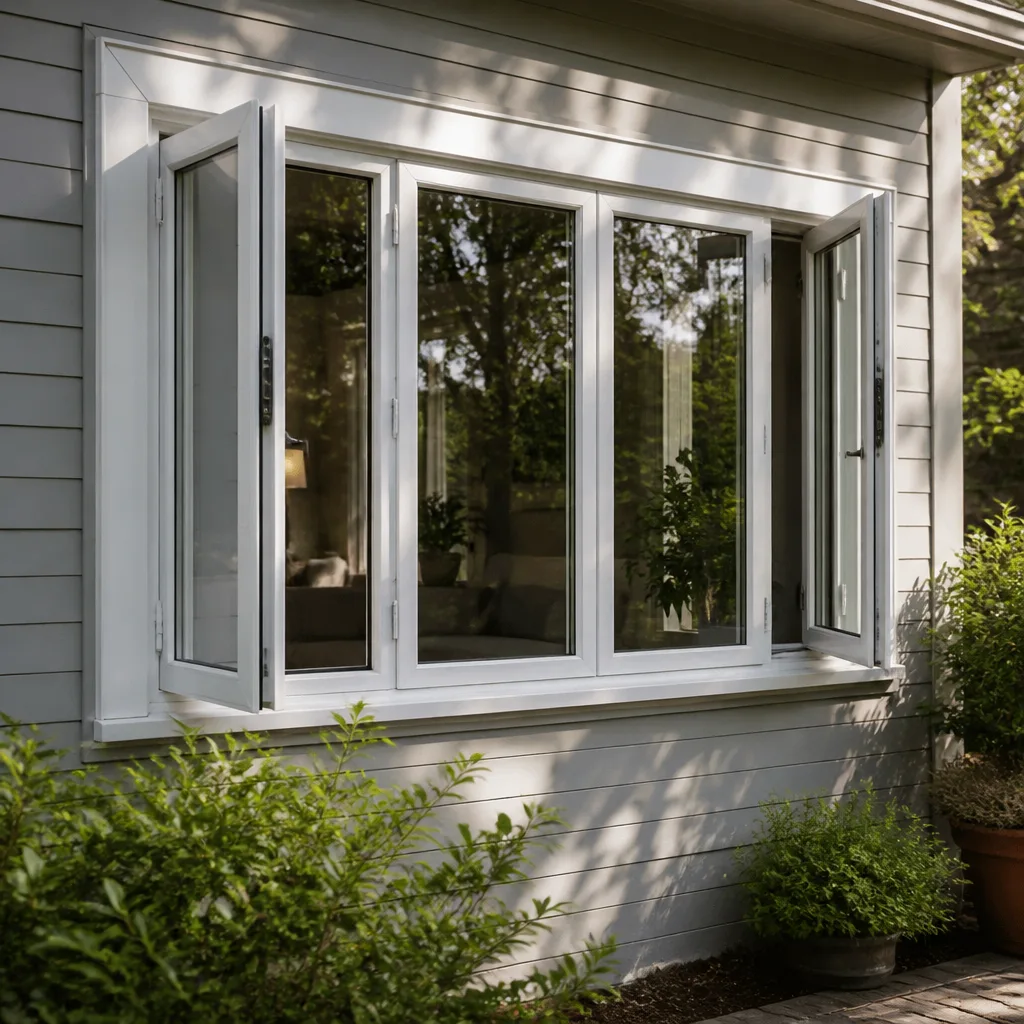
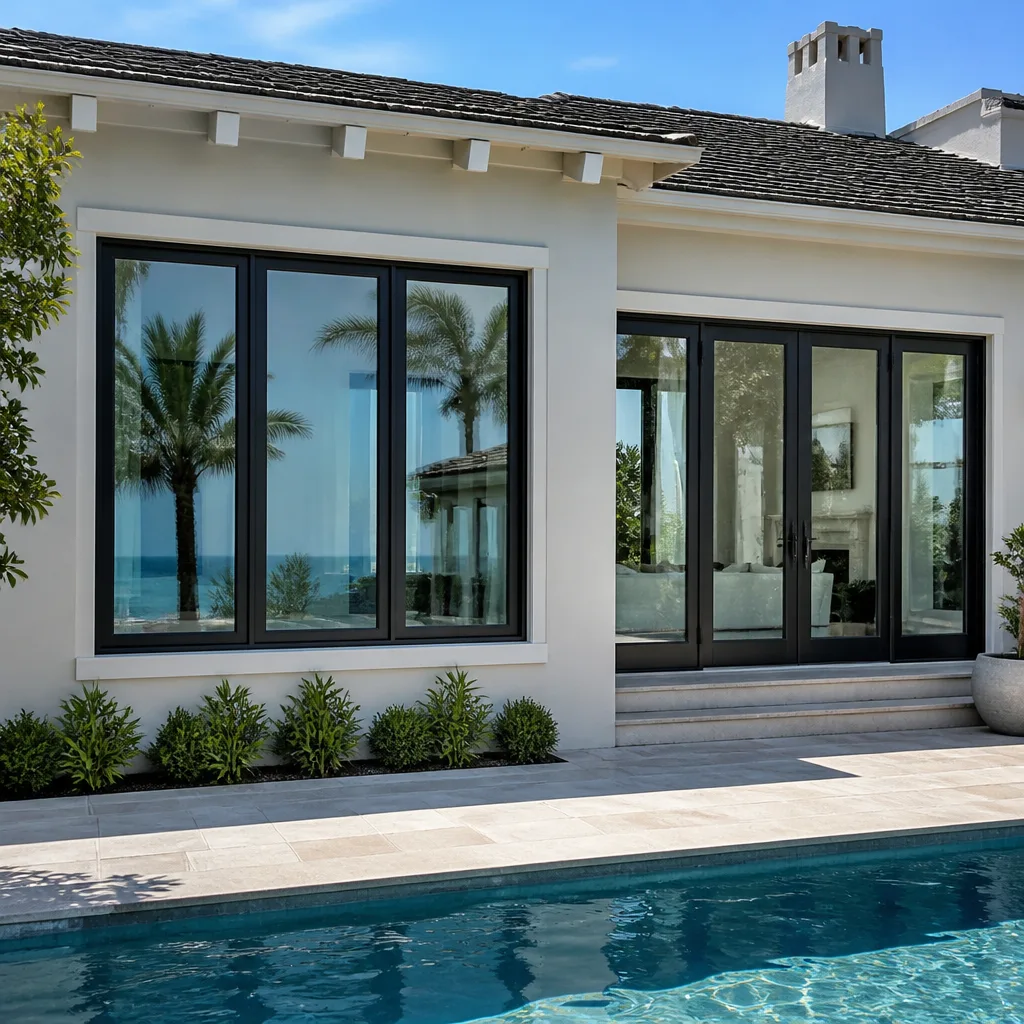
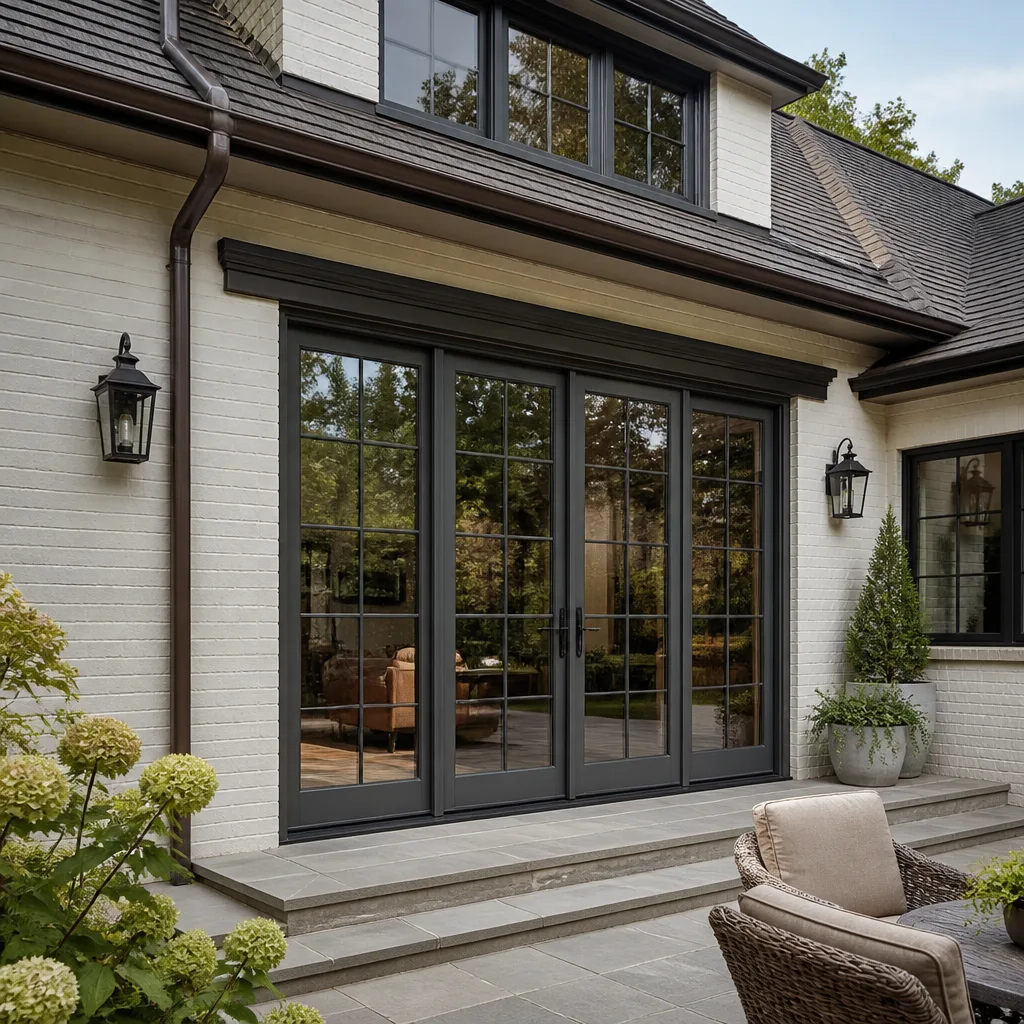
 Before
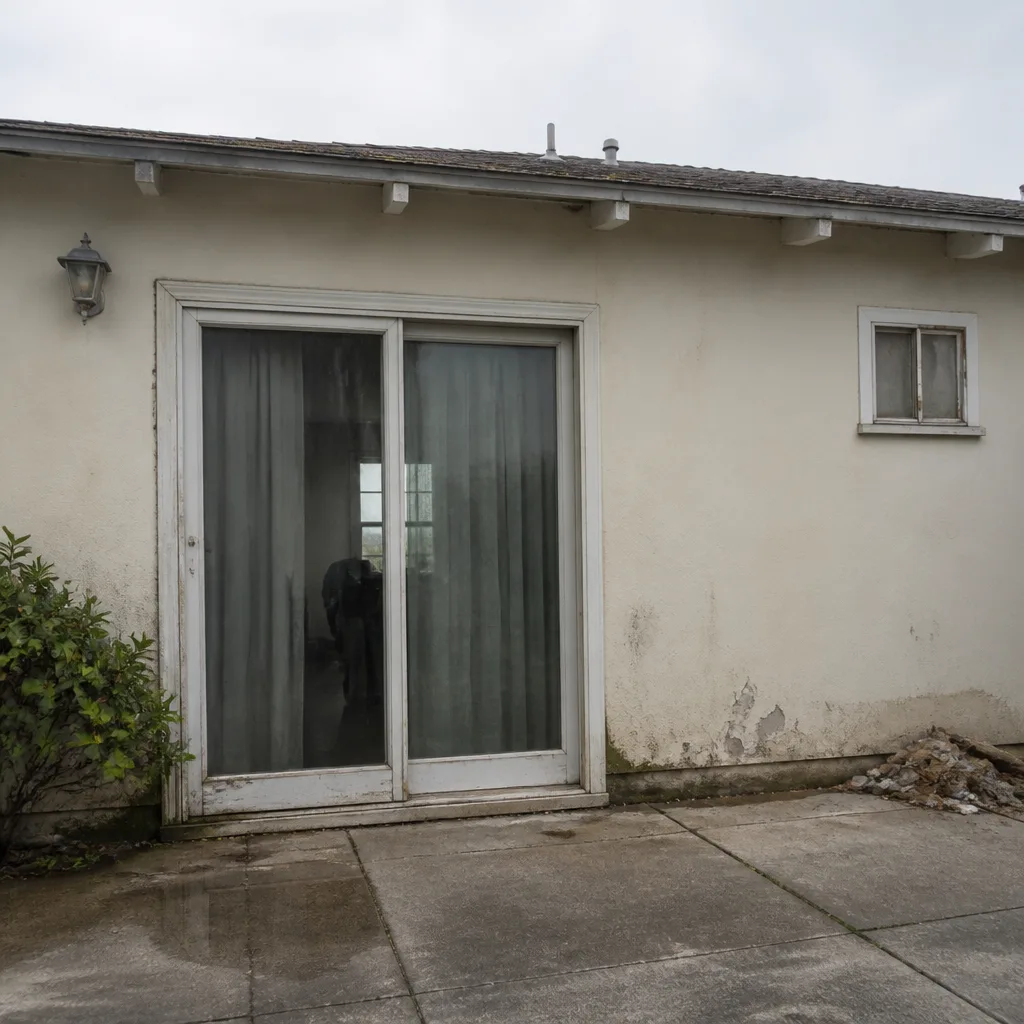
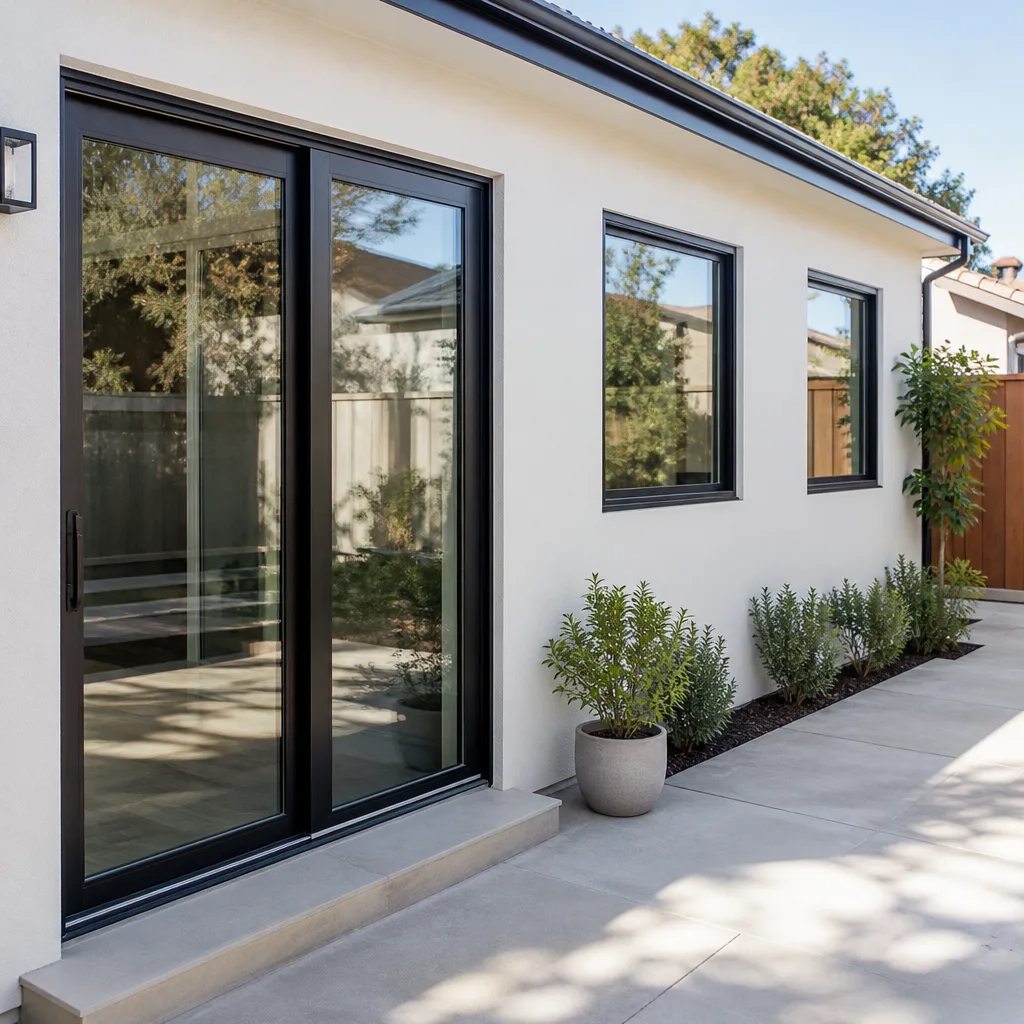 After
After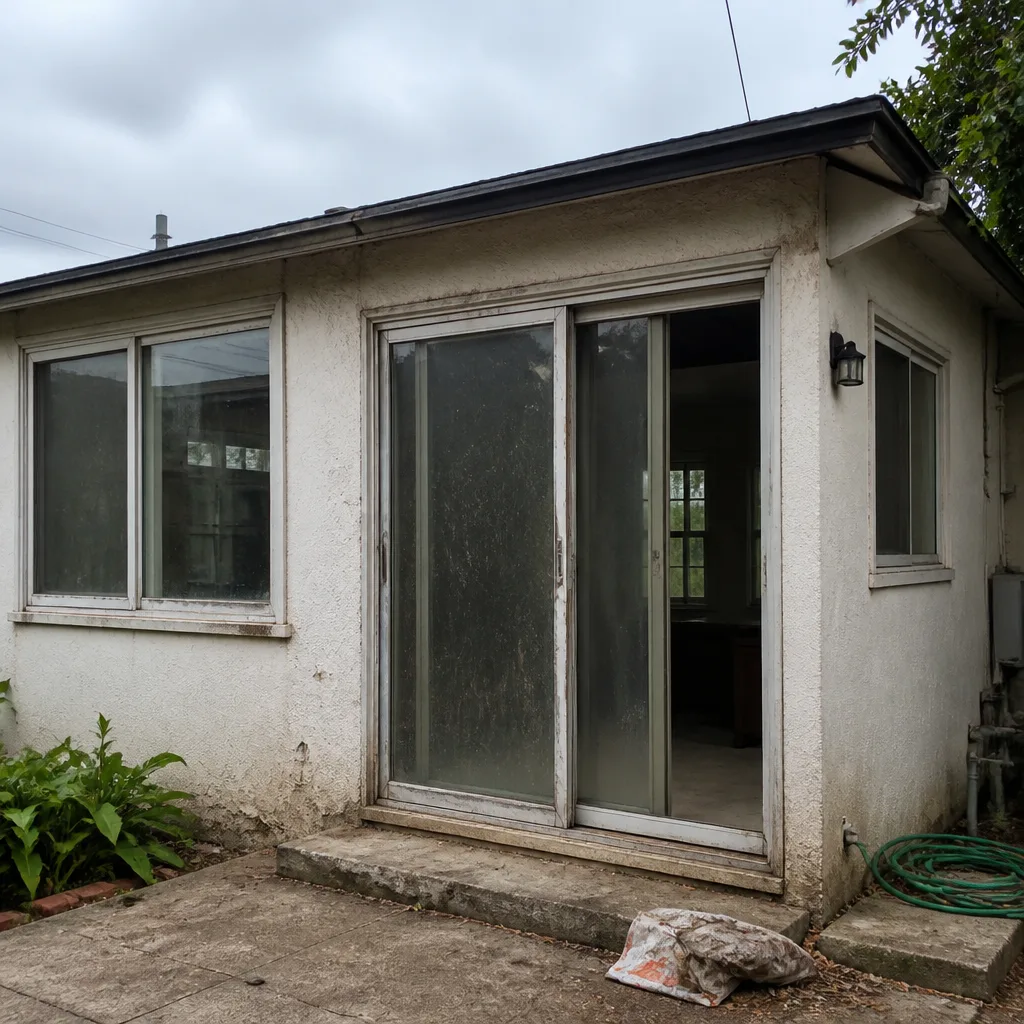 Before
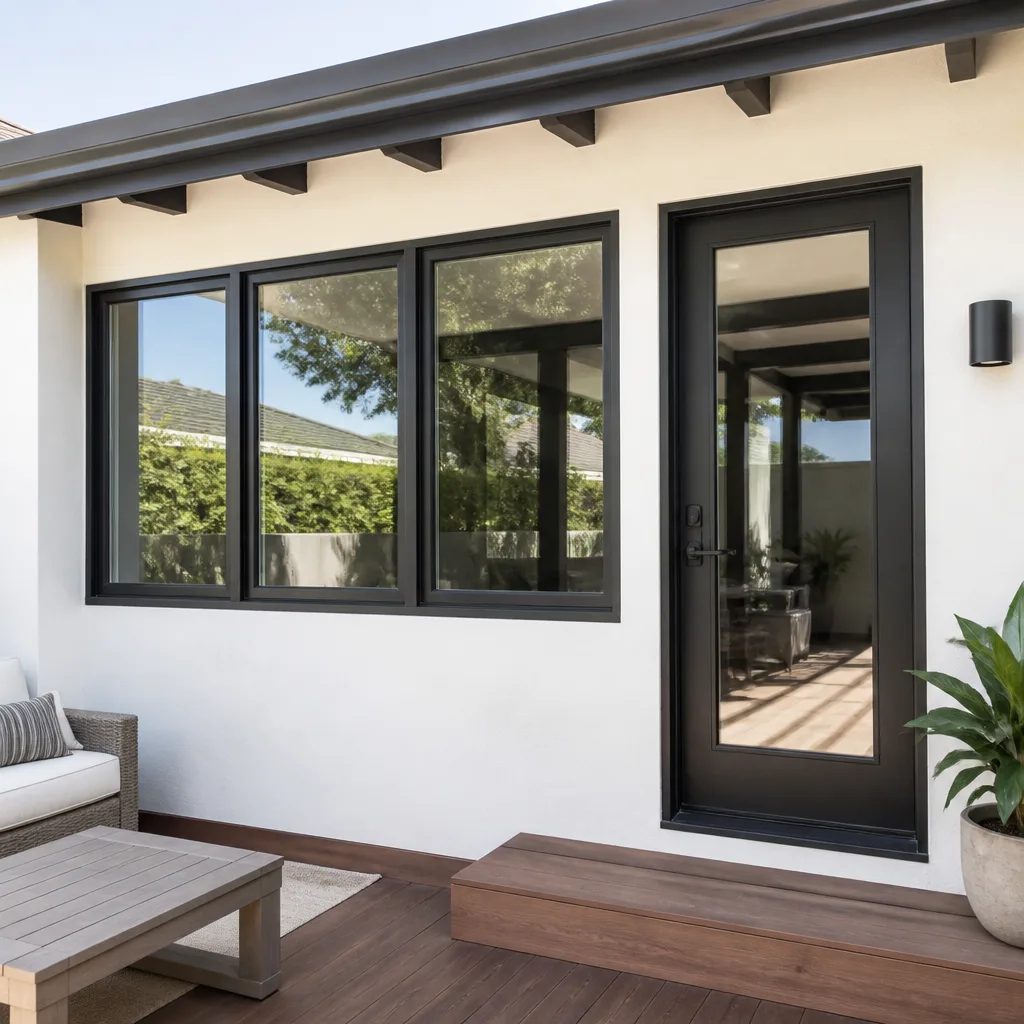 After
After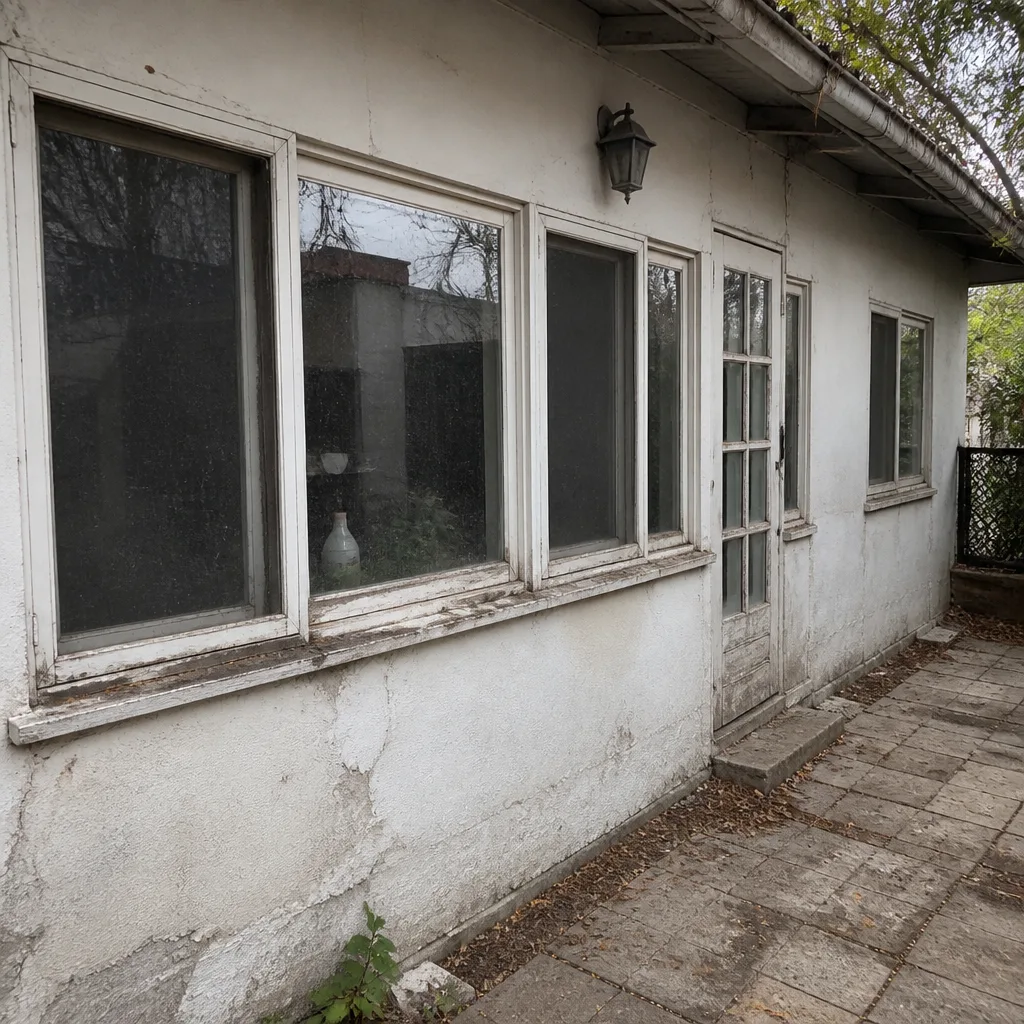 Before
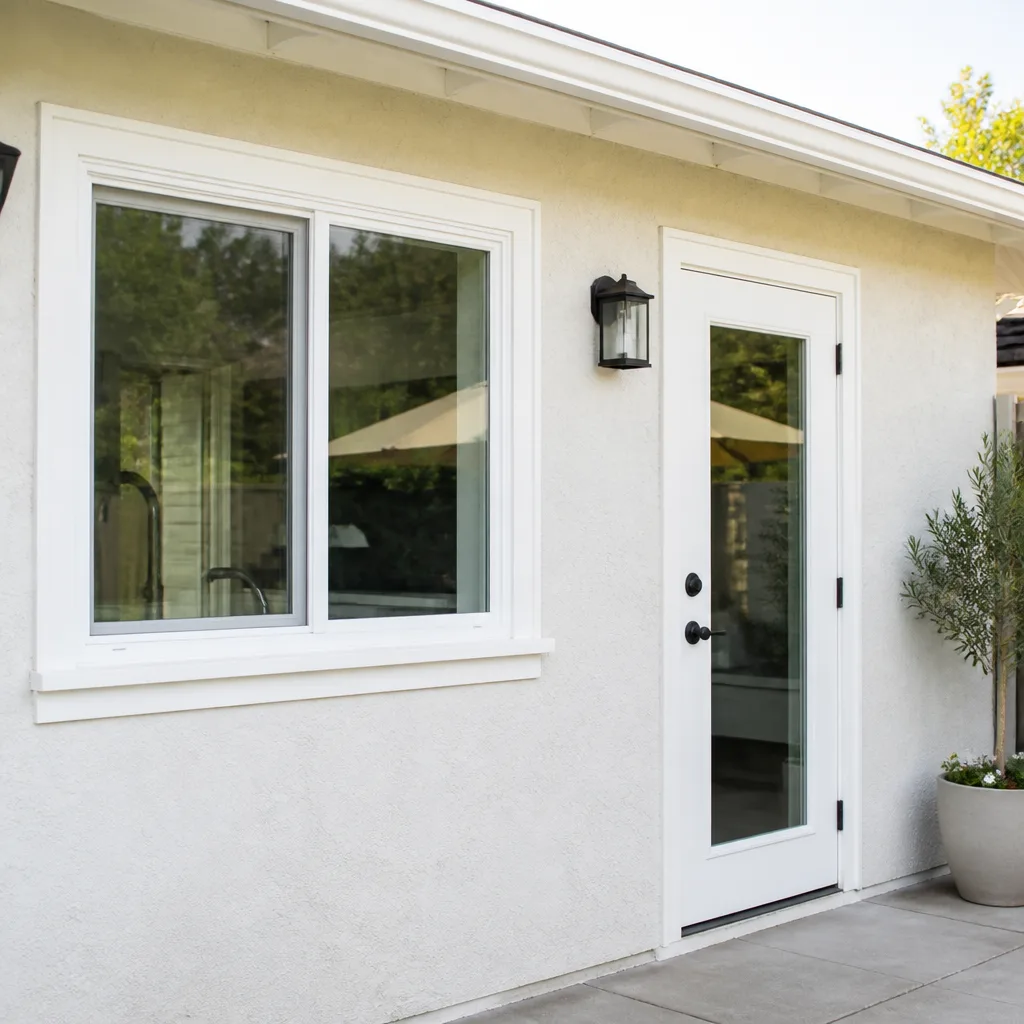 After
AfterWindow Replacement Warning Signs Every Homeowner Should Know
A window that looks fine from inside a Los Angeles home can have active water damage behind the stucco exterior that won’t show up until a contractor pulls the frame. By that point, the framing repair adds $800 to $2,400 to a job you thought was just a simple glass swap. Most homeowners have been trained to spot foggy glass and broken locks, but the failures that actually cost the most money are the quiet ones: frame rot hiding behind paint, thermal performance loss you can’t see from the curb, and structural compromise that only reveals itself during a full-frame removal. This guide covers the signs that genuinely predict expensive failure in Los Angeles homes, not just the cosmetic annoyances every other article repeats. You’ll learn how to test your own windows, what the tests actually tell you, and when the math says replacement beats another repair.
Quick Answer
The clearest signs you need our Window Replacement services are: condensation or fog between the glass panes, visible rot or soft spots when you press a screwdriver into the frame corners, windows that stick or won’t stay open, a measurable jump in summer cooling costs with no other explanation, and windows that are 20-plus years old in Los Angeles’s sun-and-smog climate. If you’re seeing two or more of these, replacement usually costs less in the long run than repeated repairs, and you can get a written price before any work starts by calling (903) 354-7134.
Table of Contents
- Hidden Frame Rot: The Expensive Problem Behind the Paint
- The Energy Bill Test: How to Isolate Windows as the Culprit
- Windows That Won’t Open or Close: Hardware vs. Frame Warping
- The Condensation Location Guide: Three Types, Three Different Problems
- How to Read a Window’s Age Without the Paperwork
- Stucco Cracks and Window Corners: What Los Angeles Homes Reveal
- Drafts, Noise, and Dust: The Everyday Signs You’ve Stopped Noticing
- Common Mistakes to Avoid
- When to Call a Professional
- Frequently Asked Questions
- The Bottom Line
Hidden Frame Rot: The Expensive Problem Behind the Paint
Frame rot is the single most expensive window failure in Los Angeles, and it’s also the one homeowners are least likely to catch early. The reason is simple: the damage starts on the outside of the frame, where the window meets the stucco or siding, and paint hides it. A window can look clean, painted, and perfectly maintained while the wood underneath has been quietly softening for years.
Rot happens when water gets past the exterior seal and sits against the wood. In Los Angeles, we get most of our rain in a short winter window, but we also get marine layer moisture in coastal neighborhoods like Playa del Rey and San Pedro, plus irrigation overspray everywhere. Water that seeps in during January might not fully dry out until March, especially on north-facing walls that never see direct sun. That’s a full season of the wood fibers breaking down.
Here’s a test you can do yourself in under five minutes:
- Take a flathead screwdriver and press the tip gently into the wood at each of the four corners of the window frame. Push from the outside of the house, not the inside.
- Healthy wood resists. The screwdriver should barely leave a mark. If the tip sinks in easily, or if the wood feels spongy and gives under light pressure, you have rot.
- Check the bottom corners first. Gravity pulls water down, so the bottom corners rot before the top corners in nearly every case.
- Tap along the bottom sill with the handle of the screwdriver. Rot sounds hollow. Solid wood sounds like a light thud.
What do soft spots in stucco directly adjacent to a window frame indicate? That the water has already moved from the wood into the surrounding wall system. Stucco is porous. It’s meant to shed water, not hold it, but when a window frame rots and shifts, it creates a gap where water can flow behind the stucco and soak the paper and framing underneath. By the time the stucco itself feels soft when you press on it, the repair has expanded from a window replacement to a wall repair. In our experience, hidden rot discovered during a full-frame removal adds $800 to $2,400 to the job, depending on how far the damage has traveled. That’s not a number we like delivering, but it’s the truth, and it’s cheaper than waiting another year.
The Energy Bill Test: How to Isolate Windows as the Culprit
Your electricity bill is a diagnostic tool, and it’s one of the few pieces of data homeowners have that shows window performance over time. The test is simple: pull your August or September bill from last year and compare it to the same month from two or three years ago. The question is whether cooling costs are rising while your habits and AC equipment haven’t changed.
Los Angeles summers push window glass hard. The sun beats on west-facing windows in the afternoon. That’s the late-afternoon light the name Westlight comes from, bright and warm, and it’s also the light that turns a single-pane window into a heat radiator. When a window’s thermal seal fails, the gas between the panes escapes and the insulating barrier disappears. The glass still looks fine. But now it’s conducting heat directly into the room instead of slowing it down.
Here’s how to isolate windows as the cause of a higher bill:
- Rule out the easy variables first. Same AC unit? Same thermostat settings? Same number of people in the house? If you installed a new HVAC system or added a home office with a computer running all day, that’s your answer, not your windows.
- Compare like months. June to June, July to July. Don’t compare August to October and call it a trend.
- Look for a jump, not a drift. A 15 to 25 percent increase in cooling cost from one year to the next, with no behavioral change, suggests something mechanical failed. Window seals are a common culprit.
- Walk the perimeter at 6 p.m. Place your hand an inch from the glass on a sunny west-facing wall. If you feel heat radiating into the room from the window itself, even though the glass isn’t hot to the touch, the thermal barrier is compromised.
Replacement windows with low-e glass (a thin coating that reflects heat back into the room in winter and out in summer) make a measurable difference in Los Angeles. For a detailed look at pricing in these neighborhoods, see our Windows & Doors Cost Breakdown: The Los Angeles Homeowner’s Reference for 2026. Window replacement in Los Angeles is one of the few home improvements that pays back partly through utility savings, especially in neighborhoods like Woodland Hills, Sherman Oaks, and Pasadena where summer temperatures run consistently higher than the coastal strip.
Windows That Won’t Open or Close: Hardware vs. Frame Warping
A window that’s hard to open or close is usually blamed on bad hardware, but that’s only true about half the time. The other half is frame warping, and frame warping points to a much bigger conversation.
Hardware problems are real and they’re the good news. Window hinges wear out. Crank mechanisms strip. Balance springs in double-hung windows lose tension after a decade or two. These are repairable issues. A replacement crank assembly for a casement window runs $60 to $150, and a balance spring replacement is usually $40 to $90 per window. If the window is less than 15 years old and the frame is solid, hardware replacement is often the right call.
But when the frame itself is warped, no new hinge fixes it. The window binds because the opening is no longer square. In Los Angeles, we see two main causes. The first is moisture, which we covered above. Wood frames swell and shift when they’re getting wet. The second is foundation settlement. Southern California sits on highly expansive clay soils in many areas, particularly through the San Fernando Valley and down toward Long Beach. When the foundation shifts, the wall shifts, and when the wall shifts, the window opening changes shape. A window that was square in 2005 might be a quarter-inch out of square today, and a quarter-inch is enough to make a sash bind every time you try to open it.
Here’s the test: open the window halfway and measure the diagonal from top-left to bottom-right, then from top-right to bottom-left. If the two measurements differ by more than a quarter-inch, the frame is out of square. That’s not a hardware problem. That’s either moisture or structural movement, and you need a professional to assess which one before you spend money on parts that won’t fix anything.
The Condensation Location Guide: Three Types, Three Different Problems
Condensation on a window is not one symptom. It’s three different symptoms, and where the water appears tells you exactly what’s failing and roughly what the fix will cost. Most homeowners lump all condensation together, which leads to either ignoring a serious problem or panicking over a cosmetic one.
Interior surface condensation appears on the room side of the glass, usually in the morning, usually in winter. This is the most common type and the least expensive to address. It happens when warm, humid indoor air hits cold glass. In Los Angeles, we see this most in bathrooms, kitchens, and rooms with a lot of plants. It’s not a window failure. It’s a ventilation issue. Running a bathroom fan during showers, using a dehumidifier in problem rooms, and opening windows on dry days usually resolves it. If it’s happening on every window in the house simultaneously, check whether your home’s humidity is abnormally high, which points to a different issue entirely.
Between-pane condensation is the fog that appears inside the sealed glass unit, between the two layers of glass. You can’t wipe it off no matter what you do. This means the window’s hermetic seal has failed. The inert gas that provided insulation has escaped, and now the window is basically two panes of glass with air between them. The fix is replacement of the glass unit or the entire window. Seal failure cannot be repaired in the field. In our experience, seal failure affects 15 to 20 percent of insulated glass units by age 20. Some neighborhoods near the coast, like Venice and Santa Monica, see higher failure rates due to constant salt air and humidity cycles.
Exterior sill condensation appears on the outside of the glass, usually early morning. This is actually a sign of a good window. It means the outside pane is cool enough to attract dew while the interior is well insulated from the temperature difference. If you see exterior condensation on newer windows, that’s not a failure. That’s the low-e coating doing its job. Older single-pane windows don’t get exterior condensation because the cold transfers straight through to the inside, which is exactly what you don’t want.
How to Read a Window’s Age Without the Paperwork
Most homeowners don’t have a folder of window installation receipts from the previous owner. But you can read a window’s age from its components, and in Los Angeles, that matters more than in most markets because our sun and UV exposure age window materials faster than the national average.
Start with the frame material. Aluminum windows dominated Los Angeles construction from about 1955 through 1985. If your home was built in that window, and the windows are original, they’re single-pane aluminum frames, and they’re now 40 to 70 years old. That’s well past their useful life. Aluminum conducts heat aggressively, which is why those frames get hot to the touch in summer. Wood windows were common in pre-1955 homes and in higher-end construction after that. Vinyl windows started showing up in Los Angeles in the 1990s and became common in new construction after 2000.
Next, read the hardware. Old aluminum sliders have a distinct look: thin frames, exposed screw heads, and sliding tracks that are worn into grooves. Casement cranks from the 1980s are chunky die-cast metal with a folding handle. Newer vinyl windows have internal balance systems you can’t see, and the frames are typically 3 to 3.5 inches thick, versus 1.5 to 2 inches for old aluminum.
Then look at the glazing, the layer that seals the glass into the frame. Putty glazing means the window predates 1985 by a wide margin. Rubber gaskets arrived in the 1980s. Dark, crumbling glazing compound on a wood window is a direct sign the window is 50-plus years old. Even if the glass is intact, the sealant around it is compromised, and replacement should be on the calendar.
The threshold that matters in Los Angeles is 20 years. A single-pane or early double-pane window that’s 20 years old in our climate has paid for itself in terms of lifespan. Past that, you’re spending money on repairs for a product that’s on borrowed time. Brands like ECO Window Systems and Mr-Glass have pushed window technology significantly in the last decade, particularly around frame insulation and UV-blocking coatings. If your windows are older than that innovation curve, you’re leaving performance on the table.
Stucco Cracks and Window Corners: What Los Angeles Homes Reveal
Stucco is everywhere in Los Angeles, and stucco tells you a lot about a window’s condition if you know how to read it. The relationship between stucco and window frames is intimate: they meet at a seam, and that seam is sealed with caulk or flashing. When the window frame shifts, rotates, or compresses, the stucco around it cracks in predictable patterns.
Here’s what to look for:
- Cracks radiating diagonally from the upper window corners at 45 degrees. This indicates the window header is moving or the surrounding wall is settling. It’s common in Los Angeles homes on expansive clay soils through the Valley.
- Hairline cracks running vertically from the window sill downward. This suggests water is getting between the stucco and the frame at the sill and causing the substrate to swell. It’s a warning sign that hidden rot may already be present.
- Stucco pulling away from the window frame along the sides. This is a seal failure between the two materials. Water is entering that gap. Every rain event pushes it further in.
- Bulging or soft stucco below the window that gives when pressed. This is the most serious sign. Water has saturated the wall cavity, the substrate is disintegrating, and repair is urgent.
The problem with stucco is that it hides damage until the damage is advanced. A hairline crack on the surface is a channel for water, and in Los Angeles’s cycle of wet winters and dry summers, that channel opens and closes repeatedly as materials expand and contract. The crack that looks cosmetic in October is a water entry point in February.
If you’re seeing any of these stucco patterns around windows, get an assessment before the next rainy season. For help preparing your home for seasonal weather threats, read our Windows & Doors Emergency Preparedness Guide for Los Angeles Homes. Window installation in Los Angeles is tied directly to stucco work, and a proper full-frame replacement includes correctly flashed and sealed stucco integration. This is one of the areas where the difference between a contractor who knows Los Angeles construction and one who doesn’t shows up clearly.
Drafts, Noise, and Dust: The Everyday Signs You’ve Stopped Noticing
Some of the clearest window replacement signs aren’t dramatic. They’re the background conditions of your house that you’ve adjusted to over the years without realizing it. If you’ve lived in your home for a decade, you may not remember what the windows were like when they were new.
Drafts are the simplest test. Hold a candle or a piece of tissue near the window frame on a breezy day. If the flame flickers or the tissue moves, air is infiltrating around the window. Every cubic foot of outside air that enters through your window seals is air your AC has to cool in summer and your heater has to warm in winter. Drafty windows in Los Angeles aren’t a comfort issue alone. They’re a recurring energy cost you pay monthly, invisibly.
Noise is a signal that gets ignored in busy neighborhoods. If you live in Mid-City, Koreatown, or anywhere near the 405, replaceable windows dramatically reduce traffic noise. The gap isn’t just about glass thickness. It’s about the air infiltration we just mentioned. Sound travels through air gaps. If you can hear a car door close three houses down, you have air gaps in your window seals. Modern windows from manufacturers like PGT and ViewLux are built with acoustic performance as a design parameter, and the difference between an old single-pane and a new double-pane unit in a noisy neighborhood is stark.
Dust accumulates faster in homes with failing window seals. The same gaps that let air in also let dust in. If you notice a fine film of dust on the interior window sill every week, even with the windows closed, that’s infiltration at the seal, not a housekeeping problem.
One more thing most people never check: UV fading. Look at your furniture, rugs, and curtains. If the side of the couch facing the window is noticeably lighter than the back, your windows are passing destructive UV light. Old single-pane glass blocks almost none of it. New low-e glass from ECO Window Systems blocks 95 percent of UV radiation. That’s not a window sales pitch. It’s physics, and it’s why the newer window in the guest room sits next to furniture that still looks new while the family room couch by the 1995 slider looks sun-bleached.
And if you’re already considering a full exterior refresh, door installation in Los Angeles is part of the same equation. A new front door from Therma-Tru seals the entry the same way new windows seal the walls, and a house with fresh windows and a warped, weather-stripped door is still leaking.
Common Mistakes to Avoid
- Replacing glass without addressing frame condition. If the frame is rotted or out of square, a new insulated glass unit is wasted money. The glass sits in a compromised structure. Fix the frame or replace the whole window.
- Painting over rot. Paint hides wood damage temporarily, but the rot continues underneath. Sanding and repainting a rotted frame without removing the damaged wood is the equivalent of putting a bandage over an infection. You’ll do it again in two years, and the rot will be deeper.
- Assuming a hard-to-open window is always a hardware issue. We covered this above: if the frame has warped from moisture or settlement, new hinges and cranks won’t fix the binding. Diagnose before you buy parts.
- Ignoring between-pane fog because you don’t mind the look. Fog between the panes means the thermal barrier is gone. You’re paying more to heat and cool that room every single month, and the problem doesn’t stay static. Moisture inside the unit accelerates glass degradation and can lead to mineral staining you can never remove.
- Comparing quotes without comparing scope. In Los Angeles, window replacement pricing varies widely, and the lowest bid usually isn’t doing full-frame replacement. They’re doing insert replacement, which leaves the existing frame in place. That’s sometimes the right call, but if your frame is rotted or out of square, inserts don’t fix the underlying problem. Make sure every quote specifies insert versus full-frame and what happens to discovered damage.
- Waiting until the rainy season to address known window issues. Los Angeles contractors book up fast in October and November as homeowners suddenly remember that rain is coming. Get your assessment in spring or summer when scheduling is flexible and you’re not competing for emergency slots.
When to Call a Professional
Some window problems are visibly obvious and some are only found with testing and removal. Call a professional when: you find soft wood at any corner of the frame, you see stucco pulling away from the window seams, you have between-pane fog on two or more windows, your window measurements show the frame is out of square, or your cooling costs have jumped 15 percent with no other explanation. These signs indicate either structural compromise or thermal failure, and both get more expensive the longer they sit. Window Replacement in Los Angeles is a service we provide with a written price before any work starts. Window Installation in Los Angeles covers the full-frame work when existing frames are compromised. Door Installation in Los Angeles handles the entry points, because window and door envelopes fail together. Westlight Windows & Doors offers free estimates in Los Angeles. Call (903) 354-7134 to schedule yours. Learn more about us at the Westlight Windows & Doors home page.
Frequently Asked Questions
Single-window replacement in Los Angeles typically runs $700 to $1,800 per window installed, depending on the frame material, glass package, and whether it’s an insert or full-frame replacement. Full-frame work runs higher because it includes stucco repair, flashing, and trim work. Every Westlight Windows & Doors estimate comes as a written price before any work starts, so you’ll never get a revised invoice at the door. Call (903) 354-7134 for an exact quote on your specific windows.
Hidden rot is detected by pressing a flathead screwdriver into the wood at the four corners of the window frame from the outside. Healthy wood resists and barely marks. Rotted wood is spongy and the screwdriver tip sinks in. Also check for soft spots in stucco directly below or adjacent to the frame, which indicate water has moved beyond the window into the wall system. Call (903) 354-7134 for a professional assessment if you find either condition.
Condensation between window panes means the hermetic seal on the insulated glass unit has failed. The inert gas has escaped, the thermal barrier is gone, and the window cannot be repaired in the field. The glass unit or the entire window must be replaced. Contact Westlight Windows & Doors at (903) 354-7134 for a free estimate.
In Los Angeles’s sun and UV exposure, aluminum single-pane windows have a useful life of 25 to 30 years, and most are now well past that. Vinyl and modern double-pane windows typically last 20 to 30 years before seal failure rates climb significantly. If your windows are 20-plus years old and showing any warning signs in this guide, replacement is usually more cost-effective than repeated repairs.
Glass-only replacement works when the frame is structurally sound, square, and watertight. In Los Angeles, old aluminum frames from the 1960s and 1970s are often still square but perform terribly thermally, and new glass in old frames doesn’t solve the energy problem. If the frame is rotted or out of square, glass replacement is wasted money. A professional assessment tells you which path is right before you spend anything.
Los Angeles has specific permitting requirements for window replacement when the work involves structural changes or certain historic districts. Full-frame replacement that changes the rough opening may require permits. The right contractor handles this for you and includes it in the written scope of work. Ask this question during your estimate, and get the answer in writing.
The Bottom Line
Window failure in Los Angeles happens in stages, and the most expensive stages are the ones you can’t see from inside the house. Hidden rot behind paint, thermal seal failure between the panes, frame warping from settlement, and water intrusion through stucco seams all cost significantly more to fix once they’re advanced. The homeowner who catches these problems early, using the tests in this guide, spends less money and avoids the worst-case scenario of discovering structural damage mid-project. For more guides & resources, visit our blog. When you’re ready to address your windows, get a written price before any work starts, and work with a company that stands behind the finished job. That’s the Kingswell Guarantee: a written price before any work starts, a committed arrival window, a clean job site, and a written guarantee on the completed work. If it’s not done right, we make it right, at no charge, within 365 days. That’s the promise we hand every customer in writing.
Written by Owen Satterfield, Owner at Westlight Windows & Doors, serving Los Angeles since 2009.