
Last updated October 8, 2026
Free in-home measure and quote - PGT, CGI and CWS impact lines compared on your actual openings, style by style
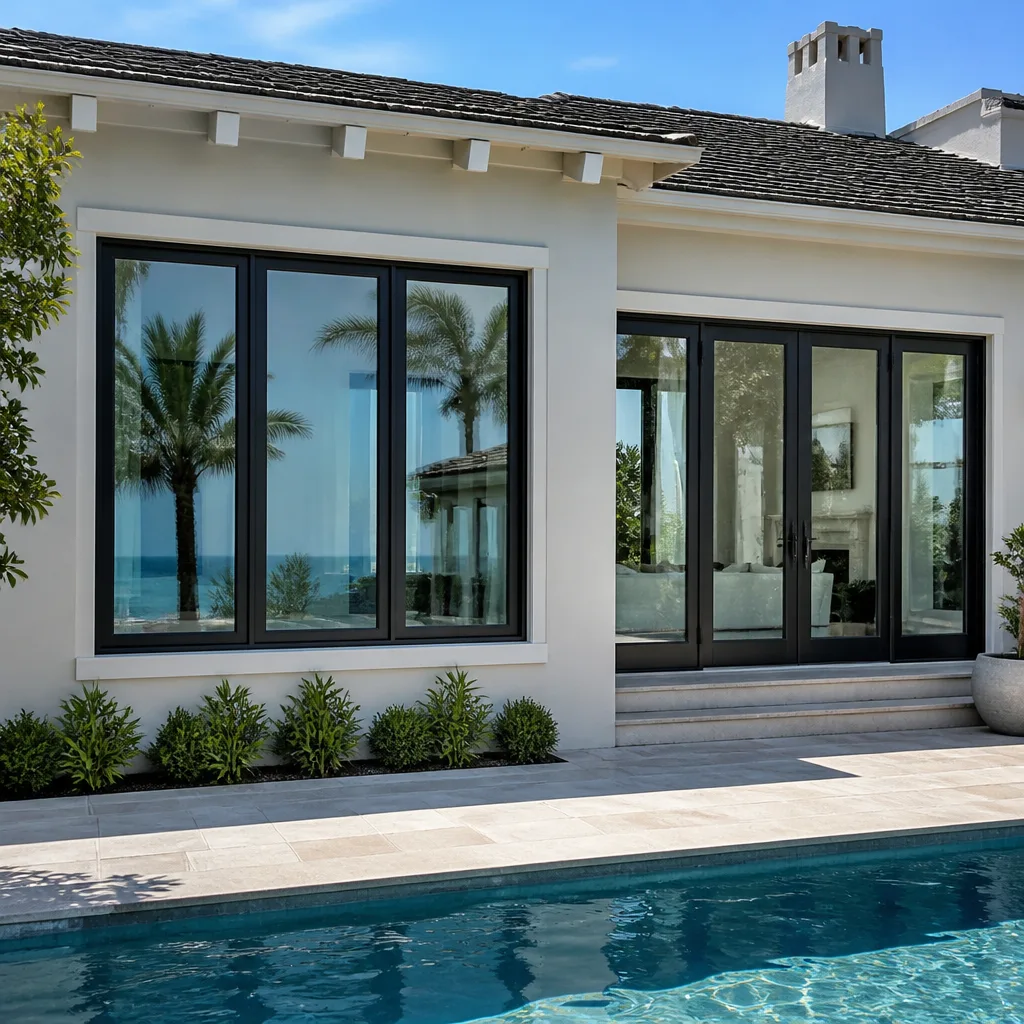
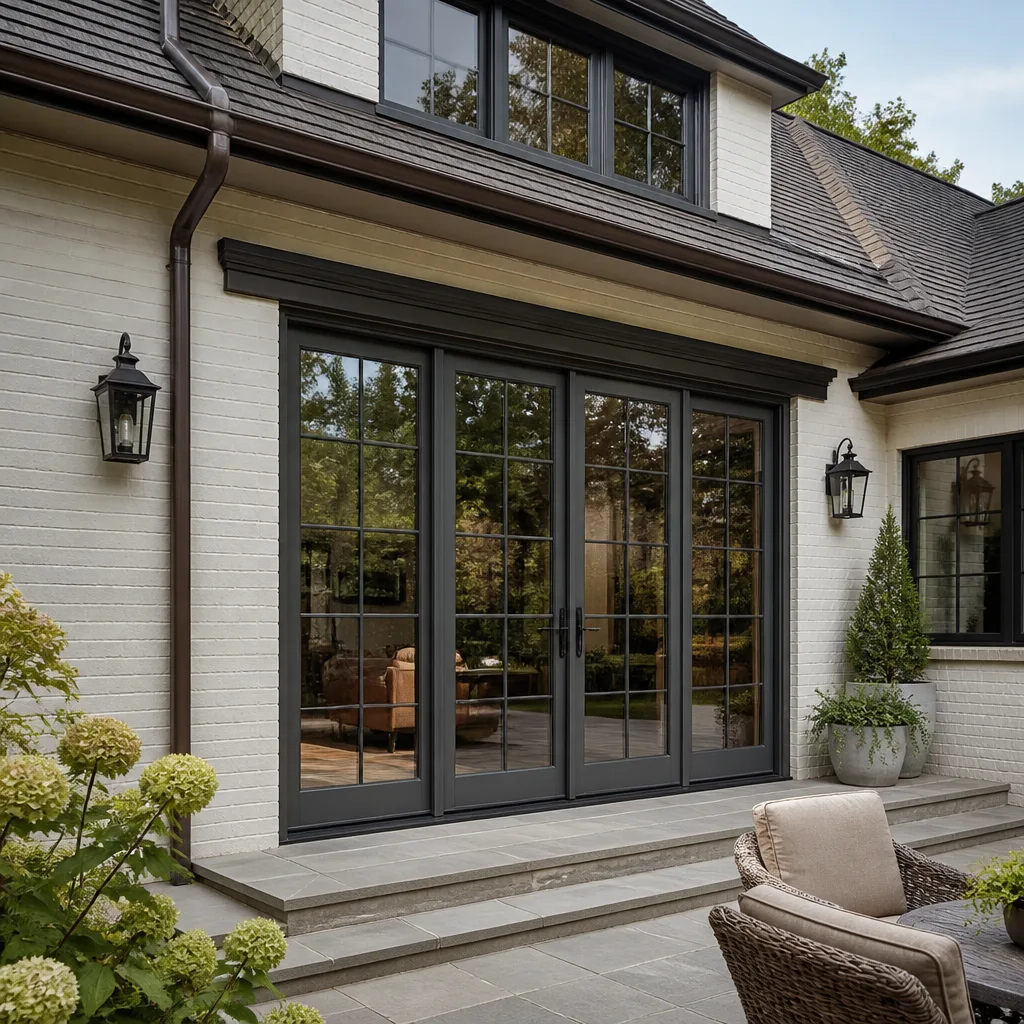
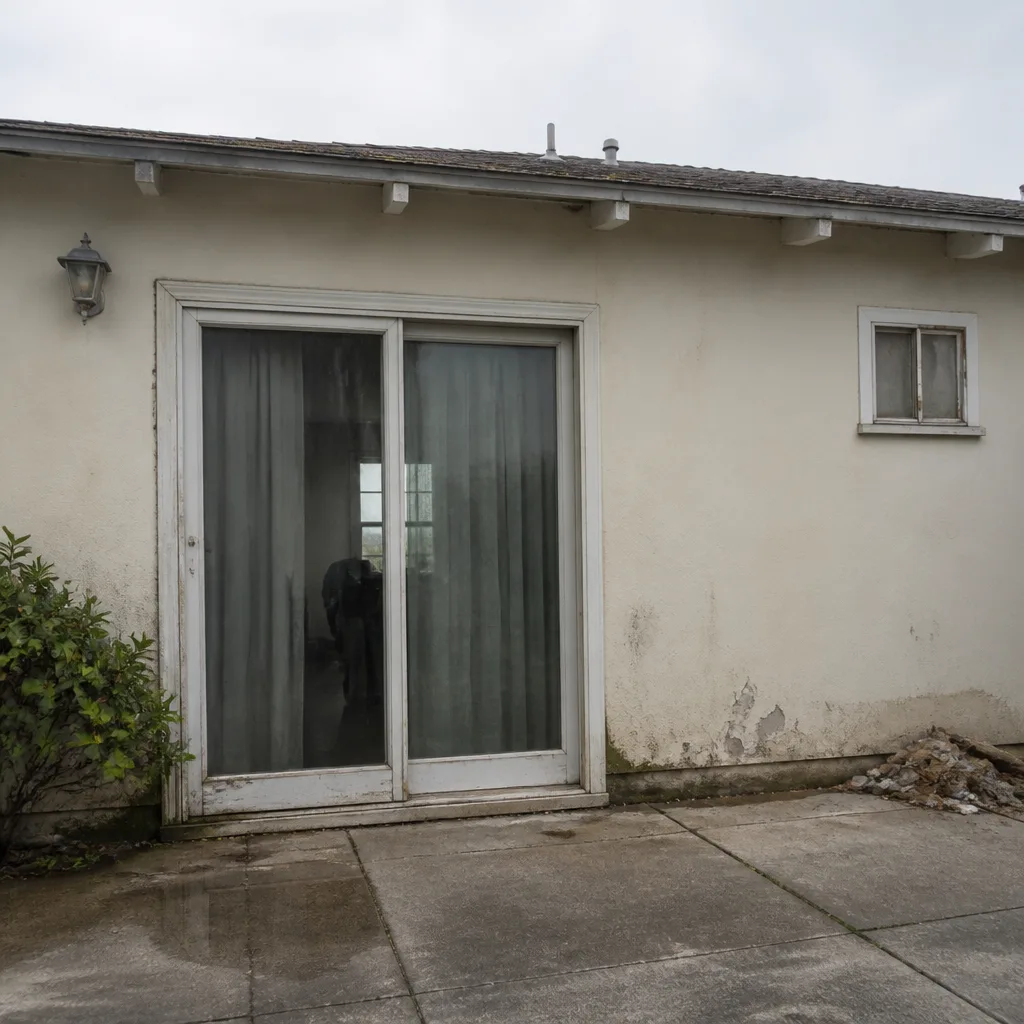 Before
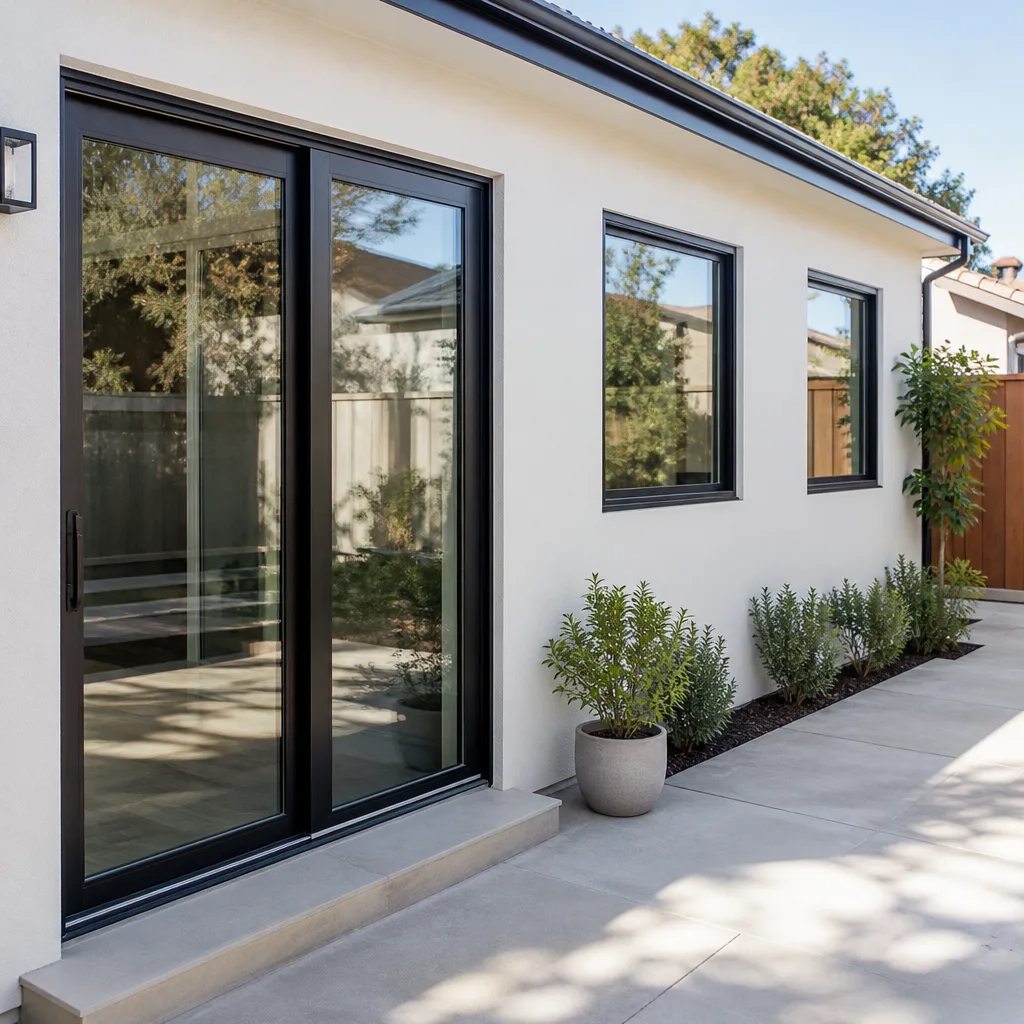 After
After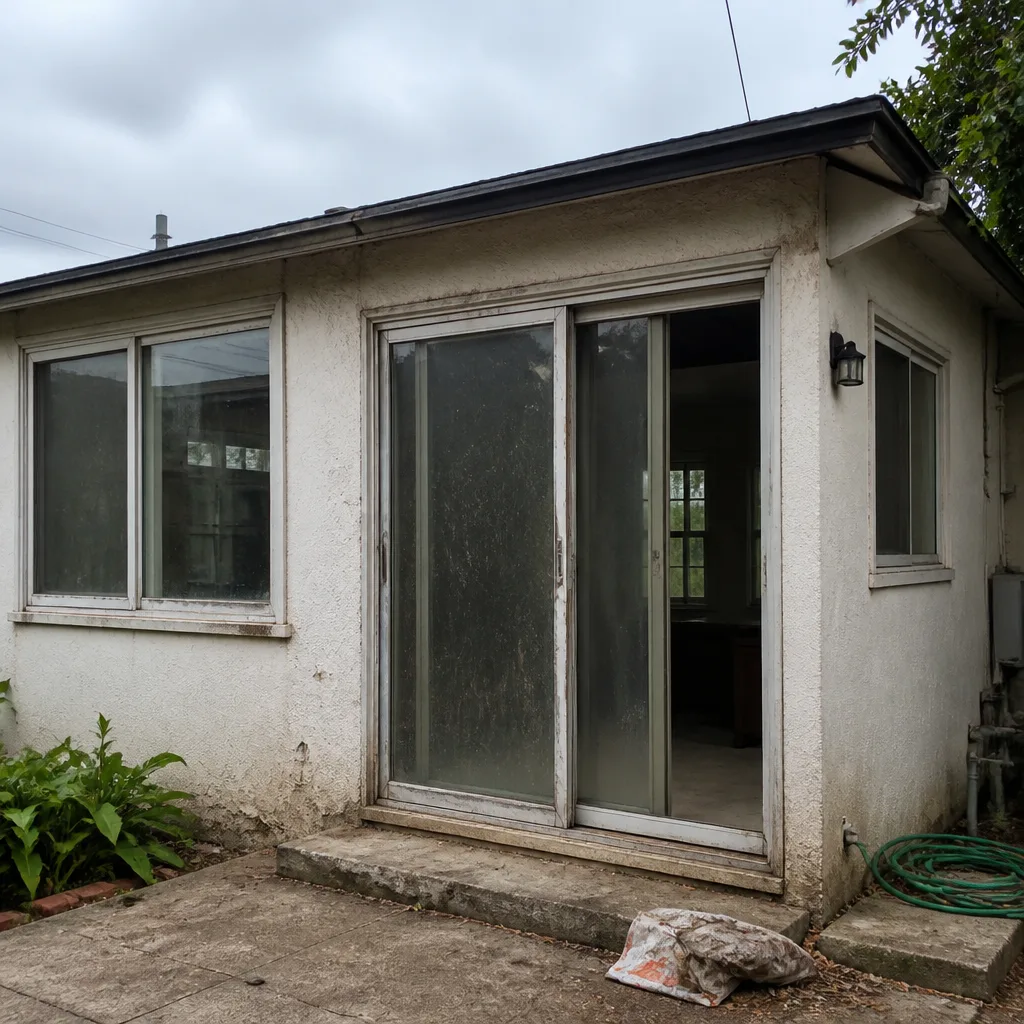 Before
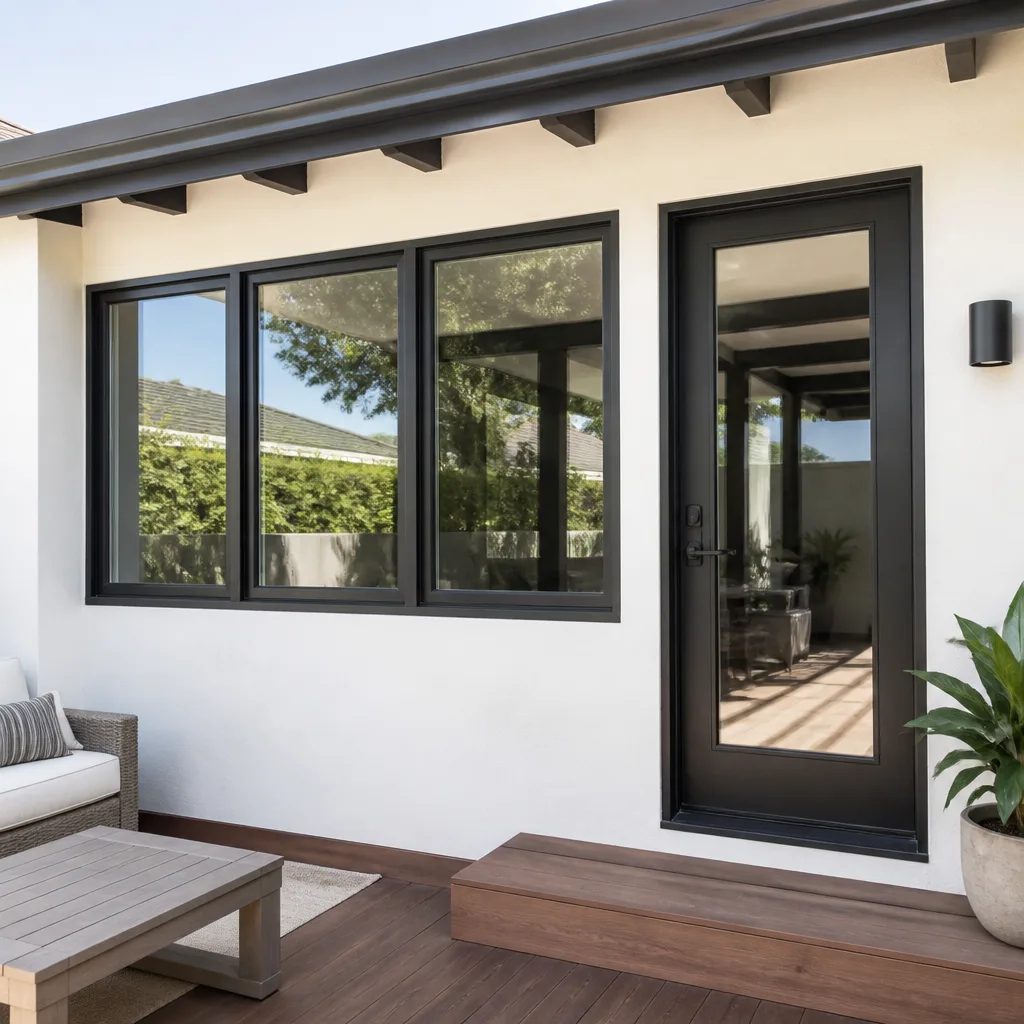 After
After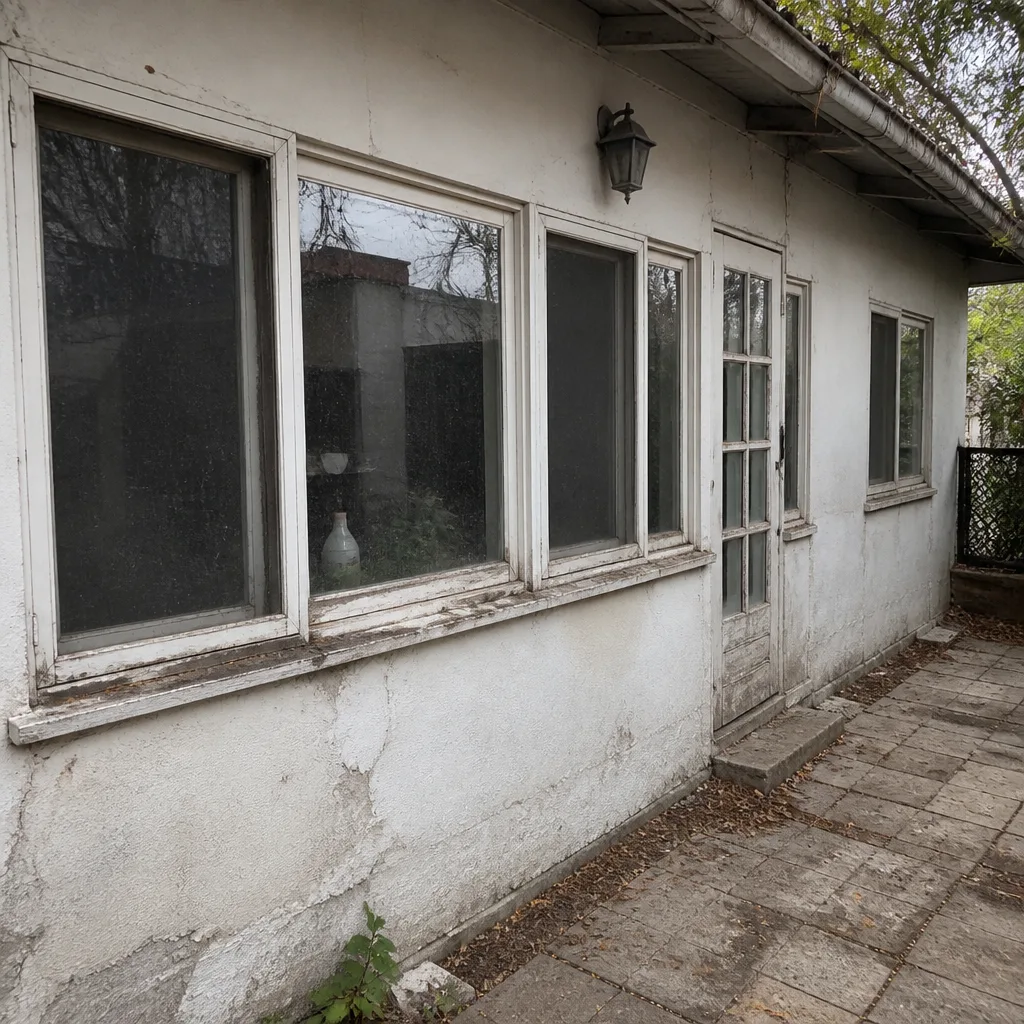 Before
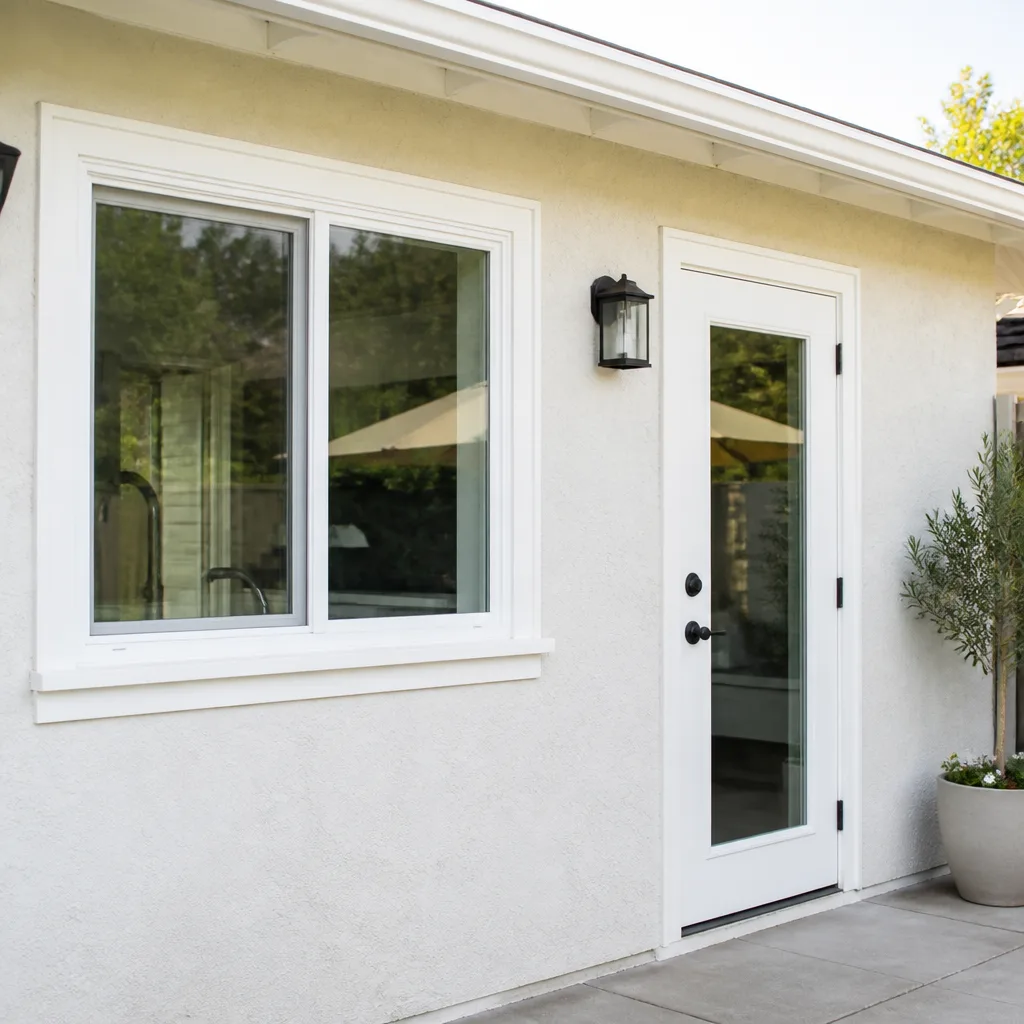 After
AfterThe Complete Door Installation Guide for Los Angeles Homeowners
Los Angeles Building and Safety requires a permit for most exterior door replacements, yet a significant share of doors get swapped without one, which means the next buyer’s inspector flags it and the seller eats the retrofit cost. This guide covers the full process, Los Angeles-specific, from permit pull to final hardware, and you can find The Complete Guide to Windows & Doors in Los Angeles for related projects. You’ll learn what LADBS actually checks, why Title 24 compliance matters more than most door salespeople admit, how HOA finish rules can block an order, and what a written scope should include before you sign anything.
Quick Answer
Door installation in Los Angeles typically costs $900 to $4,500 per opening depending on material, size, and whether the job requires a permit, structural work, or HOA-approved finishes. Most exterior door replacements in Los Angeles need an LADBS permit, and the work must meet Title 24 energy standards for climate zones 6 and 8. A properly permitted, code-compliant installation takes one to three days for a standard opening, longer if rough opening repairs or stucco patching are involved.
Table of Contents
- When LADBS Requires a Permit for Door Replacement
- Title 24 Energy Compliance for Exterior Doors in Los Angeles
- HOA Approval: Documents to Pull Before You Order
- Rough Opening Tolerances: Older Stucco vs. Newer Wood-Frame
- What Door Installation Costs in Los Angeles
- How to Vet a Door Installer in Los Angeles
- The Installation Process, Step by Step
- Common Mistakes to Avoid
When LADBS Requires a Permit for Door Replacement
The Los Angeles Department of Building and Safety has a clear rule, though plenty of homeowners never hear about it: any exterior door replacement that changes the size of the rough opening, moves the door location, or alters the structural framing requires a permit. Even a same-size swap triggers a permit if the door is rated as exterior and the work involves flashing, weatherproofing, or anchor installation that LADBS wants to inspect. In Los Angeles, the permit is how the city confirms the door won’t blow out during a wind event, won’t leak into the wall cavity, and won’t compromise the shear strength of the wall.
What the LADBS inspector actually checks during a door permit inspection:
- Anchorage: Exterior doors in seismic zones must be anchored to the framing with approved fasteners at specified intervals. Los Angeles is Seismic Design Category D, which means the door frame cannot just be nailed in and finished.
- Flashing and weatherproofing: The inspector looks at how the rough opening is sealed before trim goes on. Once trim covers the flashing, it’s too late to verify.
- Egress requirements: For any door that serves as an exit path, the inspector checks swing direction and clear opening width. Los Angeles follows the California Residential Code, which requires exterior egress doors to provide a minimum clear opening of 32 inches wide and 78 inches high.
- Shimming and level: The door slab has to sit square in the frame, with proper reveal gaps. An inspector may use a level during a rough inspection if the door is being installed as part of a larger permitted project.
What does not require a permit: replacing an interior door, swapping a door slab in the same existing frame without touching the rough opening, or changing hardware only. But here’s the Los Angeles reality: many exterior door replacements that look like a simple slab swap are not. An older stucco home may have a rough opening that’s settled out of square by half an inch, and correcting that means removing wall material, which puts you into permit territory. If you’re buying a home in Los Angeles and the seller cannot produce a final sign-off for a recent door replacement, expect the inspector to flag it during escrow. We’ve watched sellers eat $2,000 to $4,000 in unpermitted work corrections at the eleventh hour. The permit is cheaper than the retrofit.
Title 24 Energy Compliance for Exterior Doors in Los Angeles
California’s Title 24 building energy standards divide the state into climate zones, and Los Angeles sits mostly in zones 6 and 8, the coastal and inland basin areas. For exterior doors, Title 24 sets a maximum U-factor, a measure of how much heat passes through the door assembly, including the slab, frame, and any glass. In Los Angeles climate zones, most exterior swinging doors must have a U-factor of 0.40 or lower. Doors with more than half glass, like patio sliders or French doors, fall under fenestration requirements and may need to meet a U-factor of 0.40 or lower along with a Solar Heat Gain Coefficient appropriate for the orientation.
What this means in plain words: a solid wood door that meets the old prescriptive standards may fail today’s Title 24. Modern steel and fiberglass doors with polyurethane foam cores easily meet the 0.40 mark. A cheap hollow metal door with no thermal break likely does not. If the door is being installed as part of a permitted project, the energy compliance is verified through the permit documentation. Title 24 compliance is checked with HERS verification in some cases, though for a single door replacement on an existing home, the prescriptive approach, showing the door’s NFRC label, satisfies the requirement.
- Solid wood doors: Typically U-factor 0.45 to 0.55. May fail Title 24 unless the door has a certified energy package.
- Steel doors with foam core: Usually U-factor 0.18 to 0.25. Comfortably compliant.
- Fiberglass doors: Typically U-factor 0.18 to 0.30. Comfortably compliant.
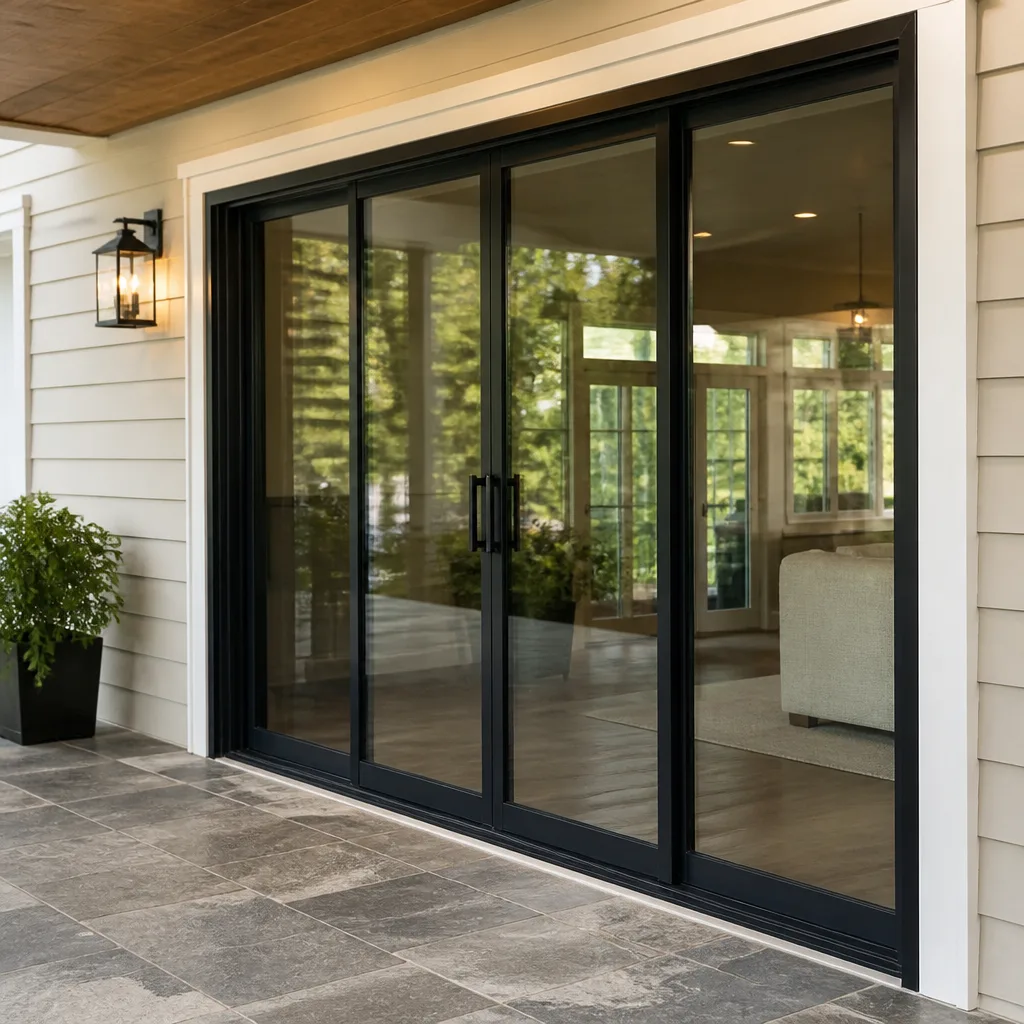
- Sliding patio doors with dual-pane low-e glass: Check the NFRC label. Many meet 0.40; some older dual-pane units do not.
The NFRC label is the one thing to look for on any door you’re considering. It lists the exact U-factor and SHGC for that specific unit. No label, no way to verify compliance, and a smart Los Angeles building inspector will ask for it during the permit review. This matters more in older homes. A 1960s ranch in the San Fernando Valley might have original single-pane sliding doors that are nowhere near Title 24 compliance, and replacing them with a compliant unit is one of the highest-return energy upgrades you can make in Los Angeles.
HOA Approval: Documents to Pull Before You Order
Most Los Angeles neighborhoods outside the flatlands, and many inside them, fall under a homeowner association. HOAs in LA have architectural review committees that regulate exterior changes, and door style is one of the most commonly restricted items. The finish, panel profile, glass type, and even the hardware finish may need approval before you order. The mistake to avoid: ordering a custom door with a six-week lead time, then submitting the HOA paperwork and learning the committee met last Tuesday and won’t reconvene for a month. Now the door sits uninstalled and your deposit is spent.
Documents to pull before ordering the door:
- CC&Rs (Covenants, Conditions, and Restrictions): Read the architectural section. It may specify allowed door styles, colors, or materials outright.
- Architectural guidelines or design standards: Most HOAs in Los Angeles, especially condominium complexes and planned developments in areas like Playa Vista or Porter Ranch, have a standalone design manual. This is where finish rules live.
- Architectural application form: Get this before you order. Note the review timeline. Some committees require 30 days’ notice and only meet monthly.
- Approved vendor list, if any: Some HOAs restrict installation to approved contractors. Check this before you hire.
- Previous approval records: If a neighbor recently installed a similar door and got it approved, reference that approval in your application. Committees are more likely to approve something with precedent.
One more Los Angeles-specific wrinkle: many older condo buildings have structural restrictions on door type. A unit with an original steel entry door from 1979 may not be eligible for a heavier wood slab because the framing around the opening was not designed for the added load. The HOA may have an updated structural report or retrofit requirement governing this. Pulling the wrong order on a condo door in Los Angeles can cost you a 25% restocking fee, or worse, a door you cannot install and cannot return. At Westlight Windows and Doors, we ask about HOA status on the first call, because it changes the entire project sequence. Our Westlight Windows & Doors home page walks through how we scope a project, and the process starts with these document pulls before any product is ordered.
Rough Opening Tolerances: Older Stucco vs. Newer Wood-Frame
The hidden variable in Los Angeles door installation is the rough opening, the framed hole in the wall where the door sits. Building codes require a rough opening to be square, plumb, and level within specific tolerances. In a new wood-frame build, the framers hit those tolerances and the door goes in cleanly. In older Los Angeles stucco homes, especially those built before 1980, the rough opening has had decades to settle, shift, and absorb moisture. The tolerances are no longer met, and the installer has to correct them before the new door can be hung.
Common rough opening problems we see in Los Angeles:
- Out-of-square corners: A diagonal measurement difference of more than 1/4 inch means the door slab will bind or show uneven gaps. In older homes, 3/8 to 1/2 inch is common.
- Rotted sill plates or king studs: Especially in hillside homes where drainage runs toward the house, or coastal homes in Venice and Marina del Rey where salt moisture accelerates wood decay.
- Undersized openings: Older homes often have rough openings sized for thinner door units. A modern pre-hung door with a wider jamb may not fit without opening up the wall.
- Stucco encroachment: Stucco that has been patched over decades reduces the effective clear opening. The finish may look fine outside, but inside the opening, the install clearance is gone.
Correcting these conditions means the installer has to reframe, shim, and sometimes install new king studs or a new header. That work falls under the permit, which is another reason to pull one. The finished product depends on what’s behind the trim. A door that looks straight on day one but is hanging on an out-of-square rough opening will sag, bind, and leak within a year. In our experience across Los Angeles, homes built after 1990 typically need minor shimming only, while pre-1970 homes in older neighborhoods like Silver Lake, West Adams, and parts of Pasadena need the most correction. Budget for it: rough opening repair typically adds $250 to $600 per opening when caught before the door is set, and twice that if discovered mid-install.
What Door Installation Costs in Los Angeles
Los Angeles door installation pricing varies by door type, material, and whether the opening needs structural work. These are real ranges for the LA market, not national averages. All prices include labor and basic installation materials, but not permits, which run separately.
| Door Type | Typical Installed Cost in Los Angeles | Notes |
|---|---|---|
| Interior slab door, hollow core | $200 – $450 | Basic replacement, same frame. |
| Interior pre-hung door, solid core | $450 – $900 | Includes new frame and casing. |
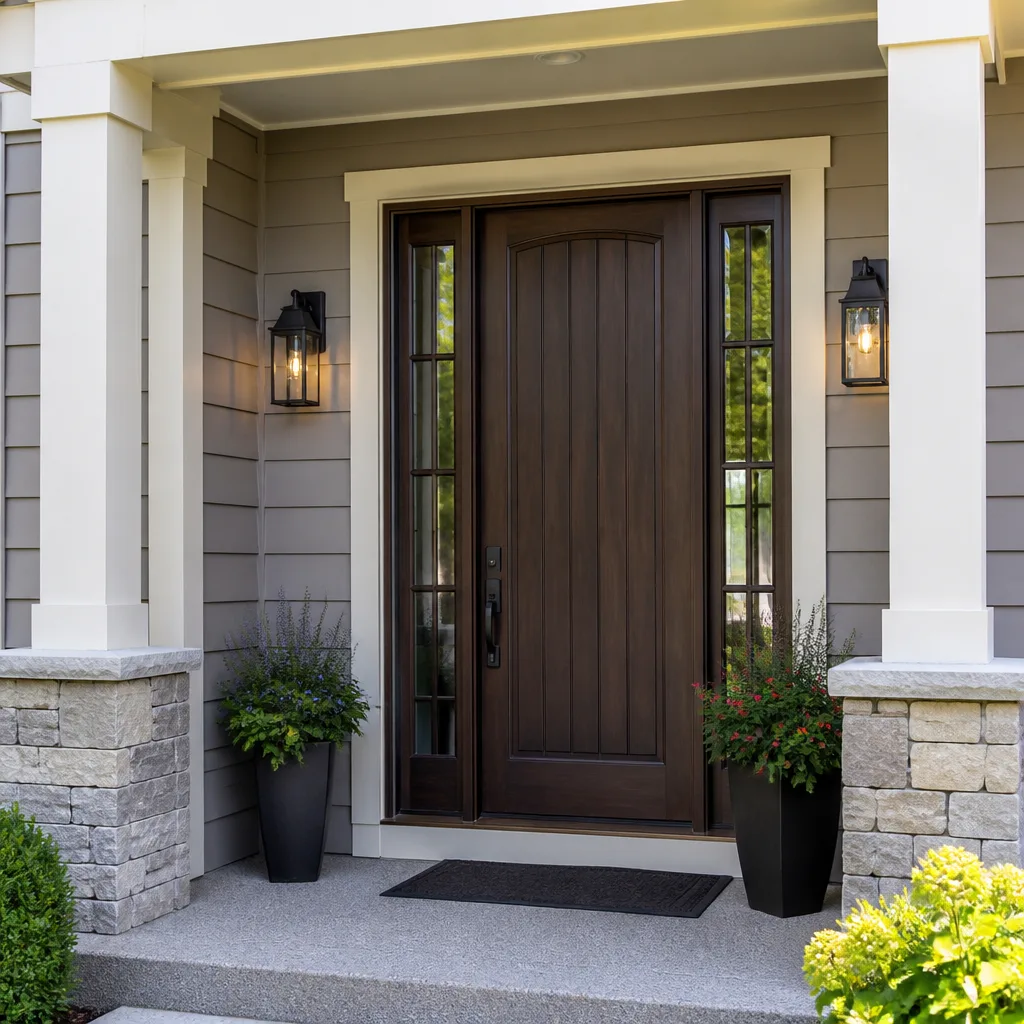
| Exterior steel door, pre-hung | $900 – $1,800 | Foam core, painted finish. |
| Exterior fiberglass door, pre-hung | $1,200 – $2,500 | Wood-look finish, better thermal performance. |
| Exterior solid wood door, custom | $2,500 – $4,500 | Depends on species and panel profile. |
| Patio sliding door, replacement | $1,800 – $3,800 | Dual-pane low-e, vinyl or aluminum frame. |
| Rough opening repair, per opening | $250 – $600+ | Depends on framing condition. |
| LADBS permit for door replacement | $150 – $400 | Varies by project scope. |
These numbers reflect what Los Angeles homeowners actually pay today. A standard front door replacement with a mid-grade fiberglass unit in a 1990s home in the Valley runs about $1,800 to $2,600 all-in with permit. The same job in a 1940s Spanish-style home in Mid-City with a rotted sill and stucco overcut may push toward $4,000. The range is real, and it’s why a written line-item quote matters. Our approach at Door Installation in Los Angeles is to give every homeowner a written price before any work starts. No revised invoice when the installer finds a surprise behind the trim.
How to Vet a Door Installer in Los Angeles
Los Angeles has no shortage of door installers. The problem is knowing which one will show up when they said they would, do the work to code, and stand behind it if something fails. Here’s the vetting process we recommend, and it works whether or not Westlight is the company you end up calling.
- Check the license. The California Contractors State License Board website shows license status, insurance, and any complaints. Door installation requires a C-17 glazing contractor or a B general building contractor. An unlicensed handyman is not a licensed contractor, and any work over $500 performed by an unlicensed operator is illegal in California.
- Ask for a written scope, not a verbal estimate. A written scope lists the exact door unit, the hardware, the flashing method, the permit status, the demolition scope, the trim work, and the cleanup plan. If the contractor won’t put it in writing, find one who will.
- Ask how the guarantee works. This is where most door installers in Los Angeles get vague. A guarantee should cover the labor for a specific period and explain what happens if the installation fails. Our Kingswell Guarantee puts the terms in writing before the job: written price, committed arrival window, clean job site, and a written guarantee on the completed work. If a repair fails within the guarantee period, we come back at no charge.
- Ask about permit pull. A contractor who says “you don’t need a permit for this” when LADBS says you do is either misinformed or avoiding inspection. Both are disqualifying.
- Ask who shows up. The person doing the work should be an employee or a thoroughly vetted sub. Background-checked, uniformed technicians are not a luxury, they’re how you know who is walking through your front door.
- Check product lines. If the installer only pushes one brand, that’s a commission conversation, not a product matching conversation. A real door installer in Los Angeles carries multiple lines because climate zone 8 coastal homes need different products than zone 6 inland homes. We carry eight manufacturer lines, including CWS and ES Windows for window-systems, and ECO Window Systems for high-efficiency glazing, so the product matches the job rather than the job being forced to fit one catalog.
The Installation Process, Step by Step
A properly executed door installation in Los Angeles follows a sequence, and knowing that sequence helps you evaluate any contractor you’re considering. Here’s the step-by-step process we follow, and it mirrors what any competent Los Angeles installer should do.
- Site assessment and measurements: We measure the existing rough opening, check for square and level, and identify the wall construction type, stucco over wood frame, wood frame with siding, or masonry. In Los Angeles, the answer changes how the flashing gets done.
- Permit determination: Based on scope, we determine whether LADBS requires a permit and file if needed.
- HOA document review: We request the architectural guidelines and application form, and confirm the door meets them before ordering.
- Product selection: We match the door to the climate zone, the exposure, the HOA finish rules, and the homeowner’s security and energy priorities.
- Order and scheduling: We order the door, confirm lead time, and schedule installation with a committed arrival window.
- Demolition: We remove the existing door, slab, frame, interior and exterior trim, and any damaged flashing or water barrier.
- Rough opening repair: We correct out-of-square framing, replace rotted sill plates or studs, and install new flashing at the threshold and jambs per current California code.
- Door setting: The new pre-hung unit goes into the opening, gets shimmed square and plumb, and anchored to the king studs and header.
- Insulation and sealant: We insulate the gap between the jamb and the rough framing with low-expansion foam or backer rod and sealant, then install exterior trim with proper drainage.
- Hardware installation: Lockset, deadbolt, handleset, and any smart hardware go in, with strike plates reinforced for security.
- Interior trim and paint prep: New casing goes up, any drywall or stucco repair is completed, and the area is cleaned.
- Inspection (if permitted): The LADBS inspector verifies the work at the mandated rough or final inspection point, and the permit is signed off.
- Walkthrough and written guarantee: We walk the job with the homeowner, explain what was done, hand over the written guarantee, and note the 365-Day Done Right Promise. If something is not right within the guarantee period, we come back and fix it at no charge.
The full process above runs one to three days for a standard single-door replacement. A permitted job with a required inspection might add a day or two for the inspection scheduling. The sequence matters because skipping step two or step three is how Los Angeles homeowners end up with unpermitted work or an HOA rejection letter after the door is already installed.
Common Mistakes to Avoid
- Skipping the permit. LADBS requires exterior door permits more often than people assume. Unpermitted door work gets flagged during home sales and can cost thousands to resolve.
- Ordering the door before checking HOA rules. A custom door with a six-week lead time that fails HOA review is a deposit lost and a project delayed two months. Pull the architectural guidelines first.
- Buying a door without the NFRC label. Title 24 compliance in Los Angeles hinges on that label. No label means no way to prove energy code compliance, and the inspector will flag it.
- Ignoring the rough opening. A new door hung in an out-of-square opening will sag and bind. The installer must correct the opening before setting the door, not shim around it and hope.
- Choosing the cheapest quote without a written scope. In Los Angeles, a low bid that excludes rough opening repair, flashing, or permit costs is not a low bid. It’s a partial bid that will grow.
- Hiring an unlicensed installer. California law requires a contractor’s license for work over $500. An unlicensed worker leaves you with no recourse if the door leaks or the frame fails.
- Skipping the final walkthrough. The walkthrough is when you confirm the hardware works, the door swings properly, the seal is tight, and the guarantee is in your hand. Never skip it.
When to Call a Professional
Door installation is not a routine DIY project in Los Angeles, and there are specific moments when calling a professional is the only sound decision. Browse our more guides & resources to learn what to expect. If the rough opening is out of square by more than a quarter inch, the framing is compromised, the wall is load-bearing, or the job involves an exterior door, call a licensed contractor. Exterior door installation implicates flashing, weatherproofing, anchor compliance, and Title 24. A botched exterior door will leak into the wall cavity, and by the time you see the damage, the framing is rotted. If you live in an HOA-governed property, a professional who has worked through architectural review committees saves you from the return. Westlight Windows & Doors offers free estimates in Los Angeles. Call us at (903) 354-7134, and we’ll walk the job with you, measure the opening, check the HOA paperwork, tell you whether a permit is required, and give you a written price before any work begins. No surprises, no revised invoices.
Frequently Asked Questions
Yes, in most cases. LADBS requires a permit for exterior door replacements that involve a new frame, changes to the rough opening, or any structural alteration. A simple slab swap in the existing frame may not require one. Call (903) 354-7134 if you’re not sure, and we’ll tell you honestly.
A standard exterior door replacement takes one to three days once the door is on site. If the job requires rough opening repair, stucco patching, or an LADBS inspection, add a day or two. Custom door lead times range from two to eight weeks depending on the manufacturer.
Los Angeles falls in climate zones 6 and 8 under Title 24. Most exterior doors must have a U-factor of 0.40 or lower, verified by the NFRC label on the door. Doors with substantial glass may need additional fenestration compliance. A licensed Los Angeles door installer should confirm compliance before installation.
A new front door in Los Angeles typically costs $900 to $4,500 installed, depending on material, size, permitting, and rough opening condition. Steel doors with foam cores start around $900, fiberglass runs $1,200 to $2,500, and custom wood doors can exceed $4,000. Call (903) 354-7134 for an exact quote on your opening. Estimates are free.
Not with a written scope and a written guarantee. At Westlight Windows & Doors, every homeowner receives a written price before any work begins, and we do not revise invoices at the door. The only legitimate reason a price changes is if the homeowner changes the scope. Call (903) 354-7134 to get your written quote.
Look for a valid California contractor’s license, a written scope of work, a permit plan that matches LADBS requirements, clear guarantee terms in writing, and a real live person who answers the phone. Westlight has been installing doors in Los Angeles since 2009, as an independently owned and operated Kingswell location, and we answer our phones 24/7. Call (903) 354-7134 and a human picks up.
The Bottom Line
Door installation in Los Angeles is a permit, energy code, and HOA compliance process as much as it is a construction job. For windows, see The Complete Window Installation Guide for Los Angeles Homeowners. The homeowners who get it right are the ones who pull the paperwork before ordering the door, verify the NFRC label, correct the rough opening before setting the new unit, and hire a licensed installer who puts the price and the guarantee in writing. The homeowners who skip those steps become the sellers eating retrofit costs in escrow or the buyers staring at a rotted wall cavity two years later. Westlight Windows & Doors, as an independently owned and operated Kingswell location serving Los Angeles since 2009, handles every step, permit determination, HOA review, Title 24 compliance, rough opening repair, and written pricing, on every job. Call (903) 354-7134 for a free estimate, and you’ll know the price before the work starts.
Written by Owen Satterfield, Owner at Westlight Windows & Doors, serving Los Angeles since 2009.