
Last updated October 8, 2026
Free in-home measure and quote - PGT, CGI and CWS impact lines compared on your actual openings, style by style
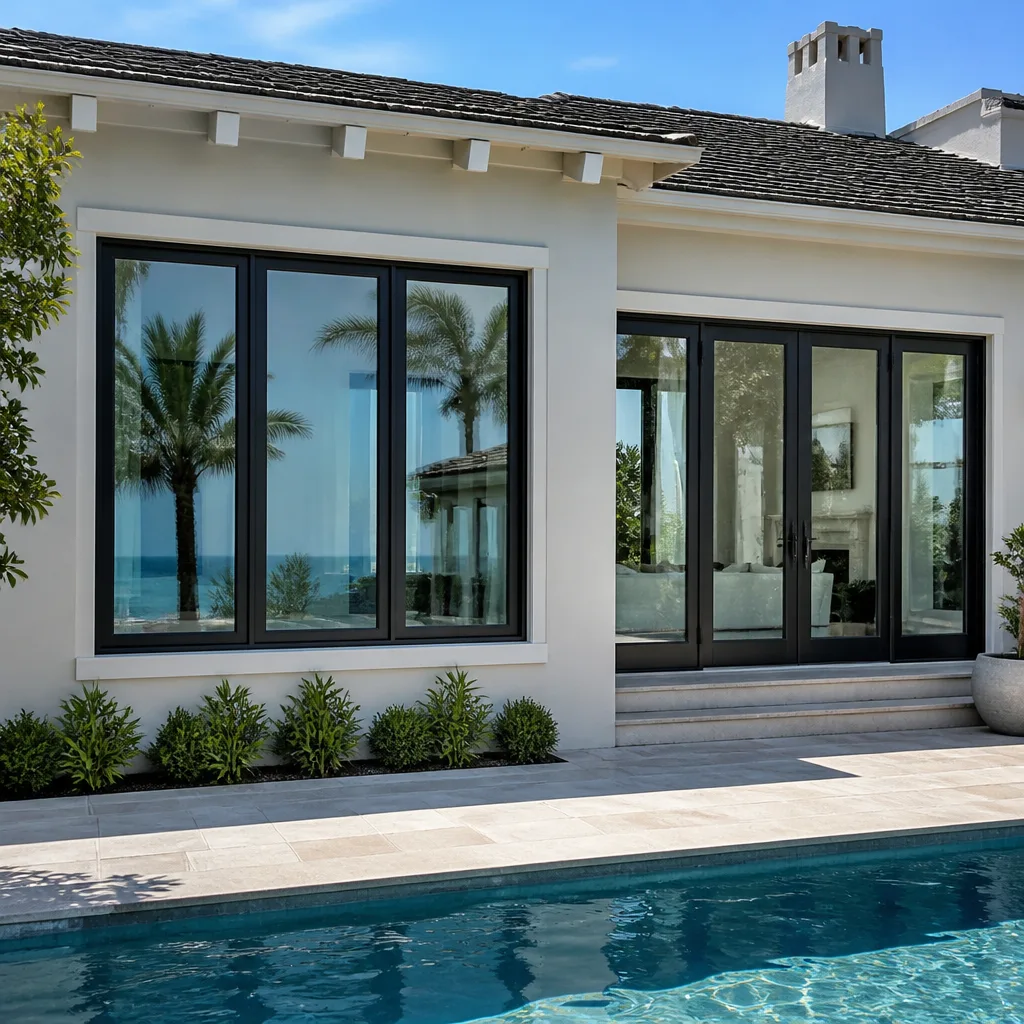
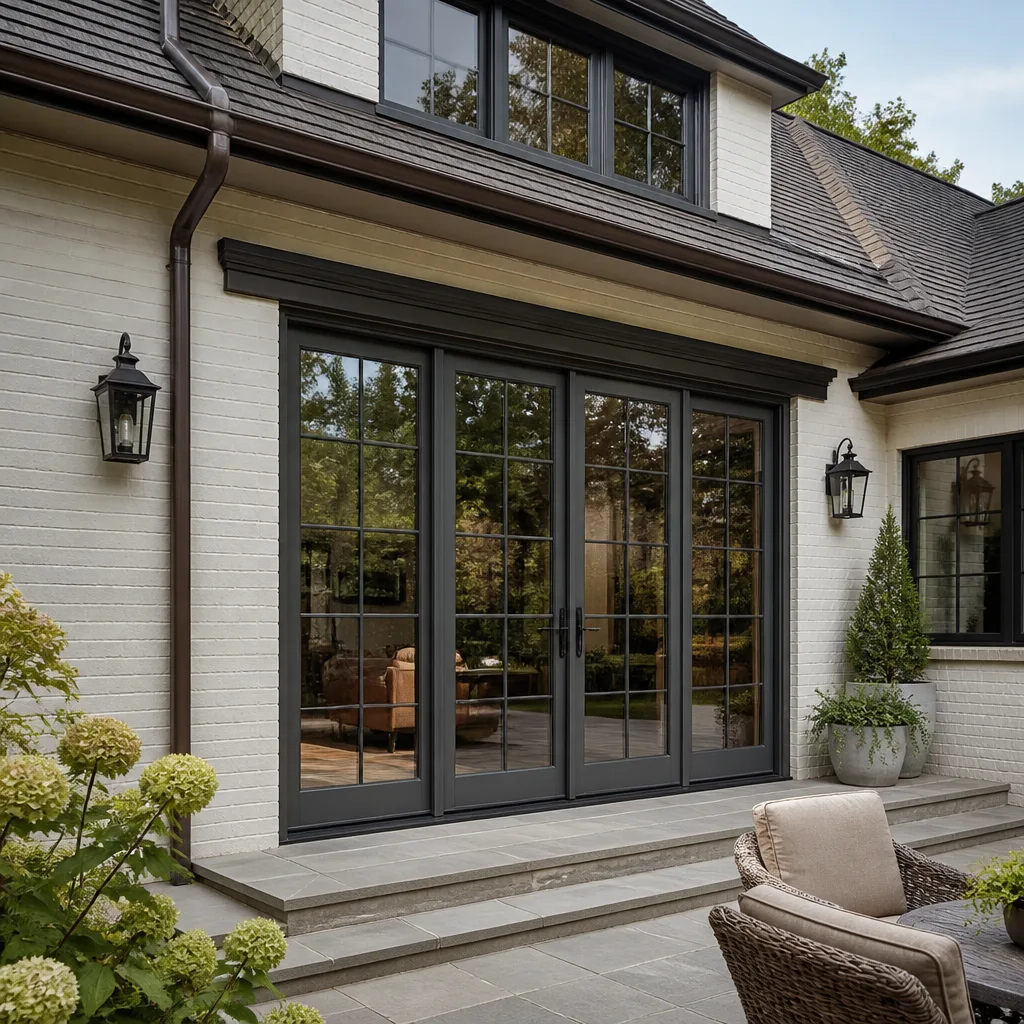
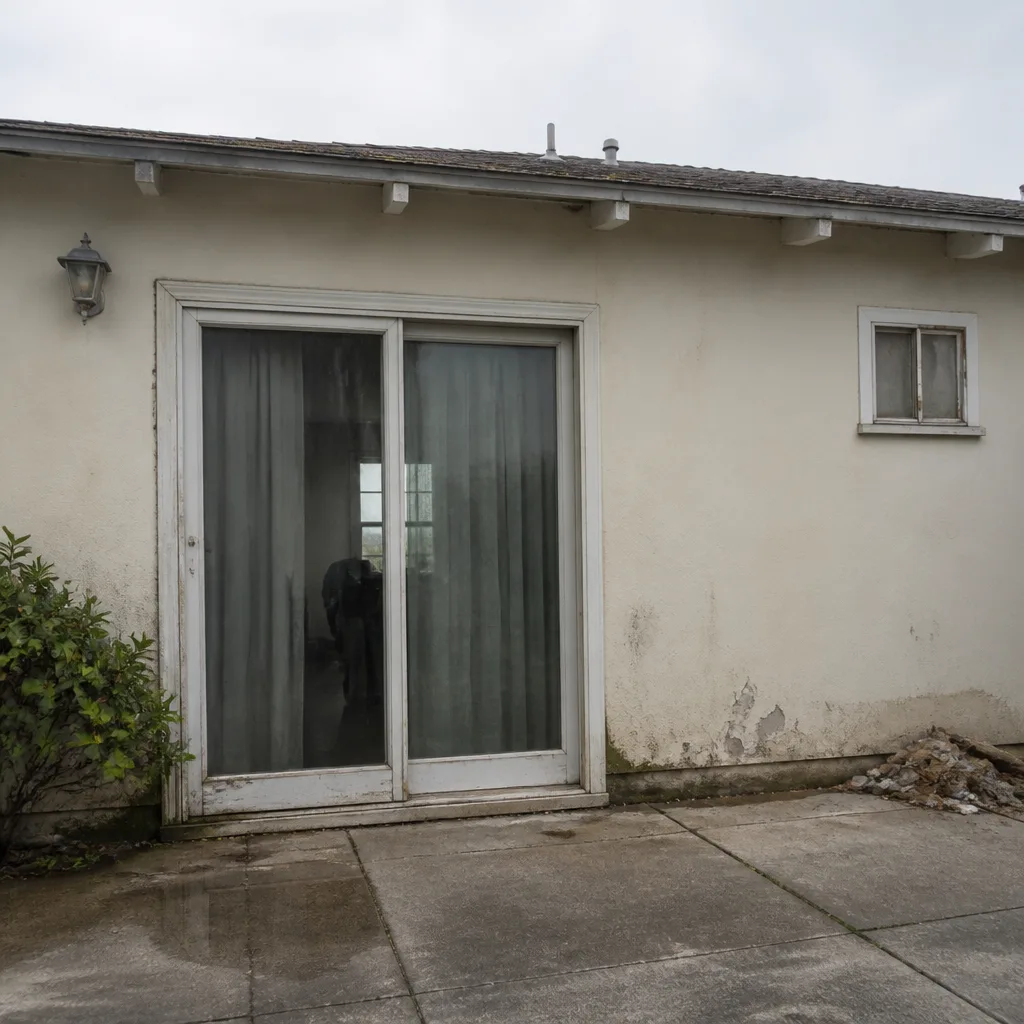 Before
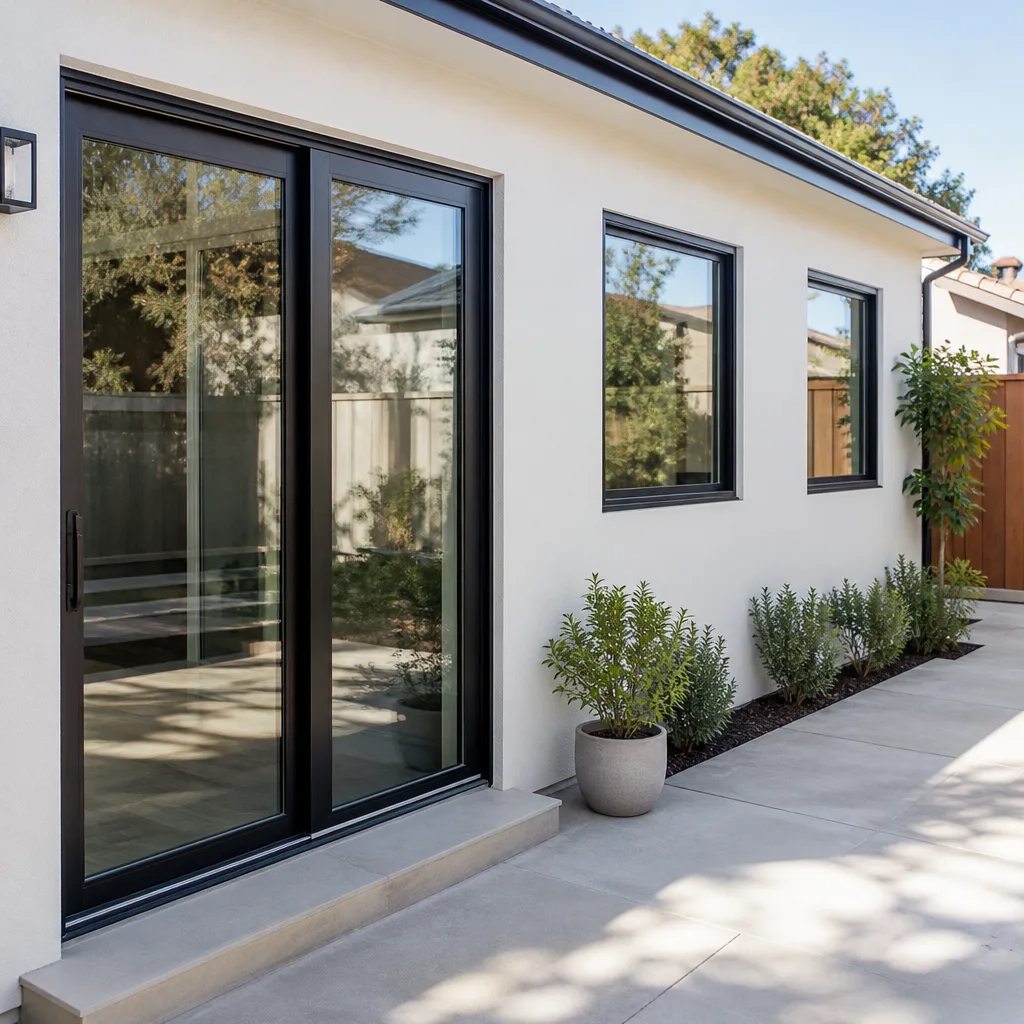 After
After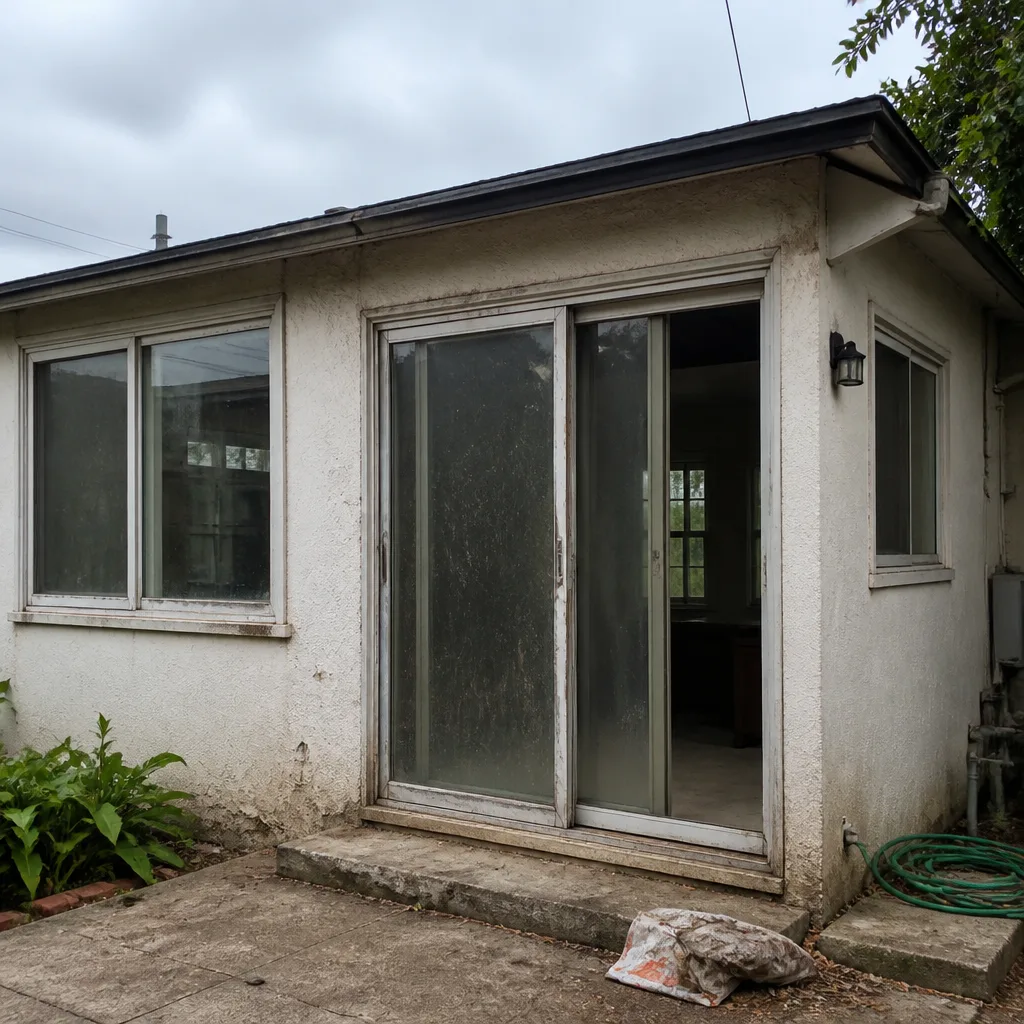 Before
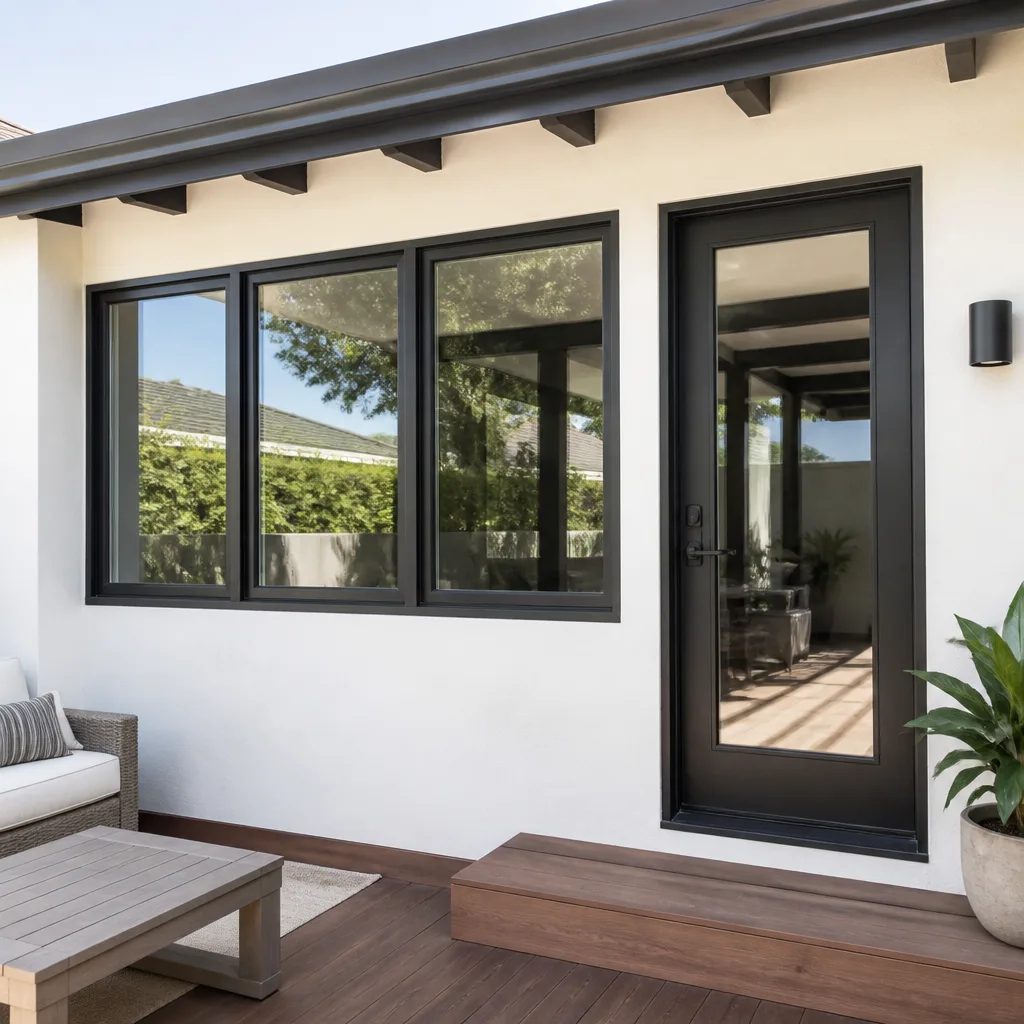 After
After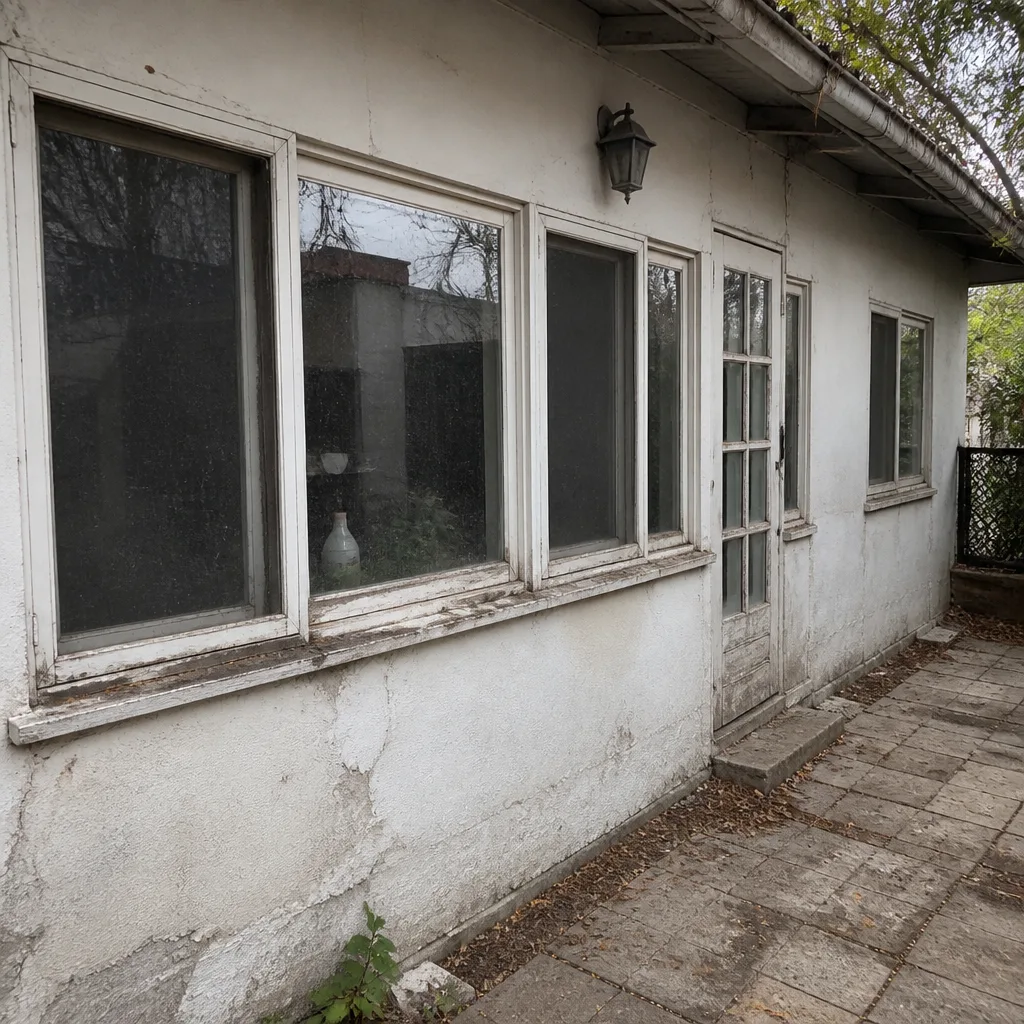 Before
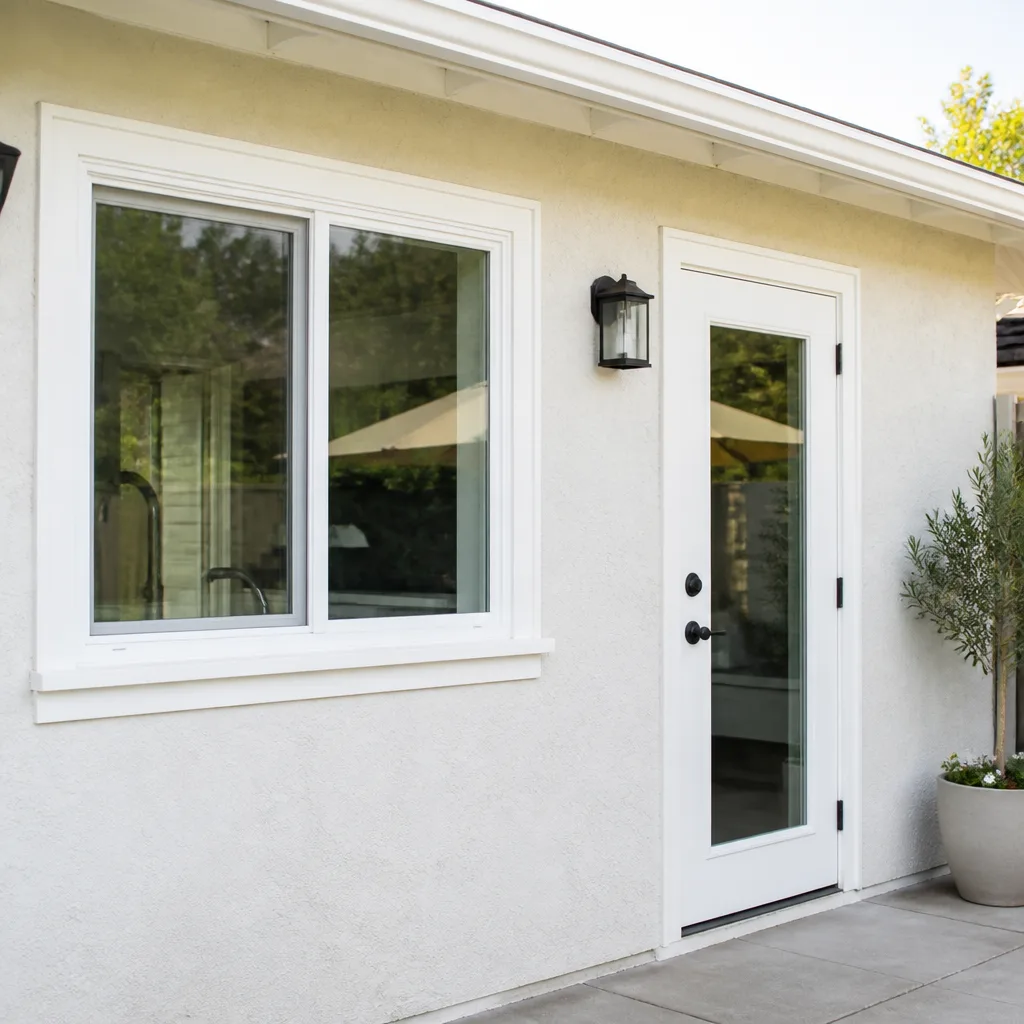 After
AfterThe Complete Guide to Windows & Doors in Los Angeles
A double-pane vinyl window that performs perfectly in Phoenix can warp, fog, and void its own warranty within three years on a Playa del Rey street. The reason is simple: manufacturers rate products for specific climate zones, and most Los Angeles contractors never ask which one you’re in. This guide-along with our more guides & resources-explains how LA’s microclimates, seismic codes, and permit rules shape every window and door decision. You’ll learn what actually matters when replacing windows in Los Angeles, what pricing looks like, and which brands hold up where you live.
Quick Answer
Window and door replacement in Los Angeles costs roughly $600 to $1,800 per window installed and $1,200 to $4,500 per door, depending on material, glass package, and whether you live in a coastal, valley, or hillside microclimate. LA’s seismic building codes and Title 24 energy standards require specific anchoring methods and glass performance ratings that don’t apply in most other cities. The right product for a Santa Monica condo is often the wrong product for an Altadena hillside home, which is why we carry eight manufacturer lines rather than pushing one brand.
Table of Contents
- Why LA Microclimates Dictate Window and Door Choices
- California Title 24: What Actually Applies to Your Project
- LADBS vs. City-Specific Permits: Burbank, Pasadena, Santa Monica
- How to Read a Manufacturer’s Climate Zone Map
- The Eight Manufacturer Lines in the LA Market
- What Window and Door Replacement Costs in Los Angeles
- What Installation Actually Involves
- Warranty Considerations When You Might Sell
Why LA Microclimates Dictate Window and Door Choices
Los Angeles is not one climate. It’s at least four distinct zones, and the window that works in one will underperform or fail in another. We’ve replaced windows in Los Angeles for more than fifteen years, and the first question we ask is not about style or brand. It’s about address.
Coastal Zones: Santa Monica, Playa del Rey, Venice, Long Beach
Salt air eats aluminum frames. It corrodes hardware, pits glass edges, and accelerates seal failure on cheap double-pane units. Vinyl holds up better against salt, but you want marine-grade stainless hardware and a glass package with a robust spacer, not the standard aluminum spacer that conducts moisture between panes. If you live within two miles of the ocean, avoid uncoated aluminum entirely. PGT and CGI both make impact-rated products designed for coastal exposure, and their hardware ratings specifically address salt-spray testing.
Inland Valley: San Fernando Valley, Burbank, Glendale, Pasadena
Summer temperatures in the Valley regularly hit triple digits. That means solar heat gain is your primary problem. Low-e glass (a thin metallic coating that reflects heat back outside in summer while letting light through) matters more here than anywhere else in LA. We recommend a low solar heat gain coefficient, often abbreviated SHGC, below 0.25 for west-facing windows in Van Nuys or Northridge. Without it, your air conditioning works overtime and your floors fade faster.
Hillside Fire Zones: Altadena, Topanga, Malibu Canyon, La Cañada
If your ZIP code falls within a designated Fire Hazard Severity Zone, your window and door choices carry a safety implication. Tempered glass is required in many hillside applications. Impact-rated products from PGT and CGI carry additional fire-resistance benefits because the laminated glass holds together under stress rather than shattering. Some hillside municipalities also require specific ember-resistant venting on doors. This is not an upsell conversation. It’s a code conversation.
High Desert Edge: Palmdale, Lancaster, Santa Clarita Outskirts
Big temperature swings, high winds, and low humidity put different stress on seals and frames. Vinyl expands and contracts more than fiberglass or wood-clad products in these conditions. We often recommend fiberglass frames here because they move less than vinyl, which means fewer seal failures over a 20-year lifespan. CWS and ViewLux both offer fiberglass and composite options worth considering.
California Title 24: What Actually Applies to Your Project
Title 24 is California’s energy code, and it sets minimum performance standards for windows and doors. But here’s what most people miss: the requirements differ between new construction and replacement projects.
For new construction and additions, windows must meet a maximum U-factor of 0.30 and a maximum SHGC of 0.23 in most LA climate zones. That’s a strict standard that effectively requires at least a double-pane low-e package with argon fill.
For replacement windows, the standard is less aggressive: a maximum U-factor of 0.40 and a maximum SHGC of 0.25 in most LA zones. Most quality double-pane products clear this easily, but cheap single-pane aluminum windows do not.
The mistake we see homeowners make is paying for new-construction-grade glass when replacement-grade would satisfy code and perform well. Or the reverse: buying a window that meets replacement standards but not new construction standards, only to discover the project scope actually triggers new construction requirements because they’re changing the opening size.
What to Check Before You Buy
- Confirm whether your project is classified as replacement or new construction by the building department.
- Ask for the specific U-factor and SHGC ratings of any window you’re quoted.
- Verify the window carries an NFRC label, which is required for Title 24 compliance.
- If you’re in a coastal zone, confirm the glass package includes a warm-edge spacer, not a standard aluminum spacer.
Getting this wrong costs money. We’ve seen homeowners pay $300 extra per window for glass they didn’t need, and we’ve seen others fail inspection because a contractor substituted a non-compliant product to hit a lower price.
LADBS vs. City-Specific Permits: Burbank, Pasadena, Santa Monica
Los Angeles is not a single permitting jurisdiction. The city of Los Angeles operates under LADBS, but Burbank, Pasadena, Santa Monica, and several other cities run their own building departments with their own rules.
In the city of Los Angeles, a like-for-like window replacement typically requires a permit, though the process is straightforward for qualified contractors. Door replacements in existing openings usually follow the same path. The complication comes when you live in an incorporated city adjacent to LA.
Pasadena has stricter historic preservation rules. If your home is in a designated historic district, window replacement may require specific approval and materials that match the original character. Burbank requires specific anchoring details for sliding doors in certain soil conditions. Santa Monica enforces its own energy standards that sometimes exceed Title 24 minimums.
Here’s what that means for you as a homeowner:
- Any contractor quoting window replacement in Los Angeles should be able to tell you which jurisdiction issues your permit and what it costs.
- If a contractor suggests skipping permits to save money, walk away. Unpermitted window work becomes a problem when you sell, refinance, or file an insurance claim.
- We handle permits on every job, and the permit fee is included in the written price. You’ll know the exact cost before any work starts.
For more on how we approach window work in the Los Angeles market, see our Window Replacement in Los Angeles page.
How to Read a Manufacturer’s Climate Zone Map
Every major window manufacturer publishes a climate zone map, and every warranty references it. The map divides North America into zones based on heating and cooling demand, and each zone has recommended or required product specifications.
Los Angeles spans multiple zones. A home in San Pedro might sit in one zone while a home in Sylmar sits in another, even though both are within Los Angeles city limits. The distinction matters because manufacturers can void warranties if a product is installed outside its rated zone.
Here’s how to check your ZIP code before signing anything:
- Go to the manufacturer’s website and locate their climate zone map or product selector tool.
- Enter your ZIP code to identify your zone.
- Confirm that the specific window model you’re being quoted is rated for that zone.
- Check the warranty language for any climate zone exclusions.
- If the contractor can’t or won’t show you the rating, find another contractor.
In our experience, the most common warranty rejection in Los Angeles involves vinyl windows with standard glass packages installed within two miles of the coast, where salt exposure exceeds manufacturer tolerances for standard hardware. The window looks fine for eighteen months, then the hardware starts pitting and the manufacturer denies the claim because the product was never rated for marine exposure.
This is one reason we carry eight lines. The right product for a condo in Marina del Rey is not the right product for a house in Granada Hills, and we’d rather match the product to the ZIP code than force the ZIP code to fit one brand.
The Eight Manufacturer Lines in the LA Market
Westlight carries eight manufacturer lines, and the reason is practical: no single brand makes the best window for every LA microclimate. Here’s how the lines break down.
PGT and CGI are Florida-born brands with deep experience in impact-rated products. They’re our go-to for coastal areas and hillside fire zones where laminated glass and reinforced frames matter. Both offer transferable warranties, which matters if you sell within a few years.
CWS and ViewLux produce composite and fiberglass products that hold up well in high-swing temperature zones like Santa Clarita and Palmdale. Fiberglass moves less than vinyl with temperature change, which means longer seal life.
ECO Window Systems focuses on energy performance at a mid-range price point, which works well for Valley homes where solar heat gain is the primary concern.
Therma-Tru is the entry door line we carry most often. Their doors are available in fiberglass and steel, they take paint well, and their weatherstripping holds up in LA’s dry heat better than most competitors.
ES Windows and Mr-Glass round out the lineup with specific strengths in aluminum and value segments respectively.
The important point is not the brand list. It’s that a contractor carrying one or two lines will fit your home to their inventory, not their inventory to your home. We’d rather show you what actually suits your address.
What Window and Door Replacement Costs in Los Angeles
Here’s straight pricing. In Los Angeles, most single-window replacements run $600 to $1,800 per window installed, with the spread determined by frame material, glass package, and whether structural work is required. Entry doors run $1,200 to $4,500 installed. Sliding patio doors run $2,000 to $6,000 installed.
| Item | Typical Installed Range |
|---|---|
| Vinyl single-hung window | $600-$1,100 |
| Vinyl double-hung window | $700-$1,400 |
| Fiberglass or composite window | $900-$1,800 |
| Impact-rated coastal window | $1,200-$2,500 |
| Steel or fiberglass entry door | $1,500-$3,500 |
| Custom entry door with sidelights | $3,000-$8,000 |
| Sliding patio door | $2,000-$6,000 |
| French door pair | $2,500-$7,000 |
These ranges reflect installed pricing including basic trim work and haul-away. If your home has stucco exterior, expect additional cost for exterior stucco patching around new window flanges, typically $75 to $150 per window. Homes with wood siding are usually less expensive because the patch work is simpler.
Every Westlight quote is a written price delivered before any work starts. The price we write is the price you pay. No revised invoices, no door-step surprises, no “we discovered hidden damage” adjustments unless you approve a written change order first. That’s the Kingswell Guarantee, and it’s on every job.
For a deeper breakdown, visit our Westlight Windows & Doors home page or browse our Window Installation in Los Angeles guide.
What Installation Actually Involves
Window installation in Los Angeles is governed by seismic anchoring requirements that don’t exist in most of the country. A window that is simply nailed into a rough opening will not pass inspection here. The connection between the window frame and the wall framing must be engineered for lateral movement, which means specific fastener schedules and, in some applications, metal straps or clips.
Here’s the process on a typical replacement:
- We remove the interior trim and the old sash or frame depending on the replacement method.
- We inspect the rough opening for water damage, rot, or termite activity. In Los Angeles, termite damage around window openings is common, especially in older homes.
- We install the new window using the manufacturer’s specified anchoring method and LADBS or city-specific fastener requirements.
- We flash the exterior with waterproof membrane to prevent water intrusion, which matters in coastal zones with wind-driven rain.
- We insulate the gap between the frame and the rough opening with low-expansion foam.
- We reinstall the trim, caulk the perimeter, and patch stucco or siding as needed.
- We clean the site, haul away the old windows, and hand you a written guarantee.
Installation quality matters as much as the window itself. A $1,200 window installed poorly will fail faster than a $600 window installed well. We’ve replaced windows in Los Angeles homes where the previous contractor skipped the flashing step entirely, and the homeowner didn’t discover it until water stained the drywall a year later. If you’re weighing whether to tackle work yourself, read our guide on DIY vs Professional Door Installation: What’s Safe to Do Yourself.
Warranty Considerations When You Might Sell
If you think you might sell your home within the next ten years, warranty transferability should influence your product choice. Not all window warranties transfer to a new owner, and some transfer with conditions like a re-inspection or a transfer fee.
PGT and CGI both offer transferable warranties on their impact-rated lines, which is a selling point in coastal Los Angeles and hillside neighborhoods. ECO Window Systems offers a limited transferable warranty on specific glass packages. Therma-Tru’s entry door warranties are generally not transferable, though the door itself typically outlasts the average ownership period.
Here’s what to check before you buy:
- Is the warranty transferable? If so, is there a fee or a deadline?
- Does the warranty cover seal failure for the life of the product or a limited term?
- Does the warranty cover labor or parts only? Most cover parts only. Labor is the expensive half of a repair.
- Does the warranty require the product be registered within a certain window after installation?
One thing we always recommend: keep the manufacturer documentation and the written guarantee from your installer in one place. When you sell, hand the packet to the buyer. It signals that the windows were installed properly and that the work is backed.
Common Mistakes to Avoid
- Buying the wrong glass for your microclimate. A standard double-pane with aluminum spacer performs poorly in coastal salt air and fails early. Match the glass package to your ZIP code, not the price tag.
- Assuming all vinyl is the same. Vinyl formulas vary significantly between manufacturers. Cheap vinyl in high-swing Valley heat expands, contracts, and eventually develops seal failure around the glass. Spend more on a quality vinyl or move to fiberglass.
- Skipping the permit. Unpermitted window and door work in Los Angeles becomes a problem at sale, refinance, or insurance claim. The permit fee is modest compared to the cost of retroactive permitting.
- Conflating replacement standards with new construction standards. Title 24 has different thresholds for each. Buying new-construction glass for a replacement project costs more without adding value. Buying replacement glass for an addition fails inspection.
- Choosing contractor over product. A skilled contractor carrying limited lines will steer you toward what they have, not what your home needs. Ask why a specific product suits your address. If the answer is vague, keep looking.
- Not reading the warranty’s climate zone fine print. Manufacturers can and do void warranties when products are installed outside rated zones. Coastal Los Angeles is the most common trap.
- Hiring the lowest bid without checking installation details. Anchoring, flashing, and insulation are invisible after the fact. A $200-cheaper install that skips flashing costs thousands in water damage later.
When to Call a Professional
Window and door replacement is not a weekend project in Los Angeles. Seismic anchoring, flashing details, and Title 24 compliance all require training and experience. If your windows are more than twenty years old, if you see condensation between panes, if your doors stick in summer and draft in winter, or if you’re planning to sell within a few years, call a professional. Westlight Windows & Doors offers free estimates in Los Angeles, and every estimate includes a written price before any work starts. Call (903) 354-7134 to schedule yours.
We also invite you to review our Door Installation in Los Angeles page if your project includes an entry door or patio door.
Frequently Asked Questions
Most single-window replacements in Los Angeles run $600 to $1,800 per window installed, with the spread driven by frame material, glass package, and whether impact rating is required for coastal or hillside locations. Quality vinyl starts around $600 per window, fiberglass runs $900 to $1,800, and impact-rated products run $1,200 to $2,500. Call (903) 354-7134 for an exact written quote.
Yes, window and door replacement in Los Angeles generally requires a permit, either through LADBS or a city-specific building department in Burbank, Pasadena, or Santa Monica. A qualified contractor should handle the permit as part of the job. Skipping the permit creates problems at sale, refinance, or insurance claim.
Replacement windows fit into existing openings without significant structural change, while new construction windows attach to the framing during a remodel or addition. Title 24 sets different energy standards for each, with new construction facing stricter requirements. The distinction affects both pricing and code compliance.
For homes within two miles of the ocean, vinyl or fiberglass frames with marine-grade stainless hardware and warm-edge spacers outperform aluminum, which corrodes quickly in salt air. Impact-rated products from PGT and CGI are specifically designed for coastal exposure and carry transferable warranties.
It shouldn’t. At Westlight, the written price we deliver before any work begins is the price you pay. The only circumstance that changes a price is a written change order you approve in advance for additional scope you request. That’s the Kingswell Guarantee: a written price before any work starts, on every single job.
Most whole-home window replacements in Los Angeles take two to five working days, depending on the number of windows, the replacement method, and whether stucco patching is required. A single window typically installs in a morning. We’ll give you a committed arrival window and a written timeline before work begins.
The Bottom Line
Los Angeles homes face a combination of microclimates, seismic codes, and permit rules that make window and door decisions different here than anywhere else. The right product for your home depends on your ZIP code, your exposure, and your plans for the property. Match the product to the address, verify the Title 24 rating, pull the permit, and read the warranty’s climate zone language. If you do those four things, you’ll buy windows and doors that perform for decades rather than fail in three years. Westlight Windows & Doors has served Los Angeles since 2009 with written pricing, real arrival windows, and the Kingswell Guarantee on every job.
Written by Owen Satterfield, Owner at Westlight Windows & Doors, serving Los Angeles since 2009.